
Seasonal Forestry Management
- Posted by:
- Admin
- Tags:
- Posted date:
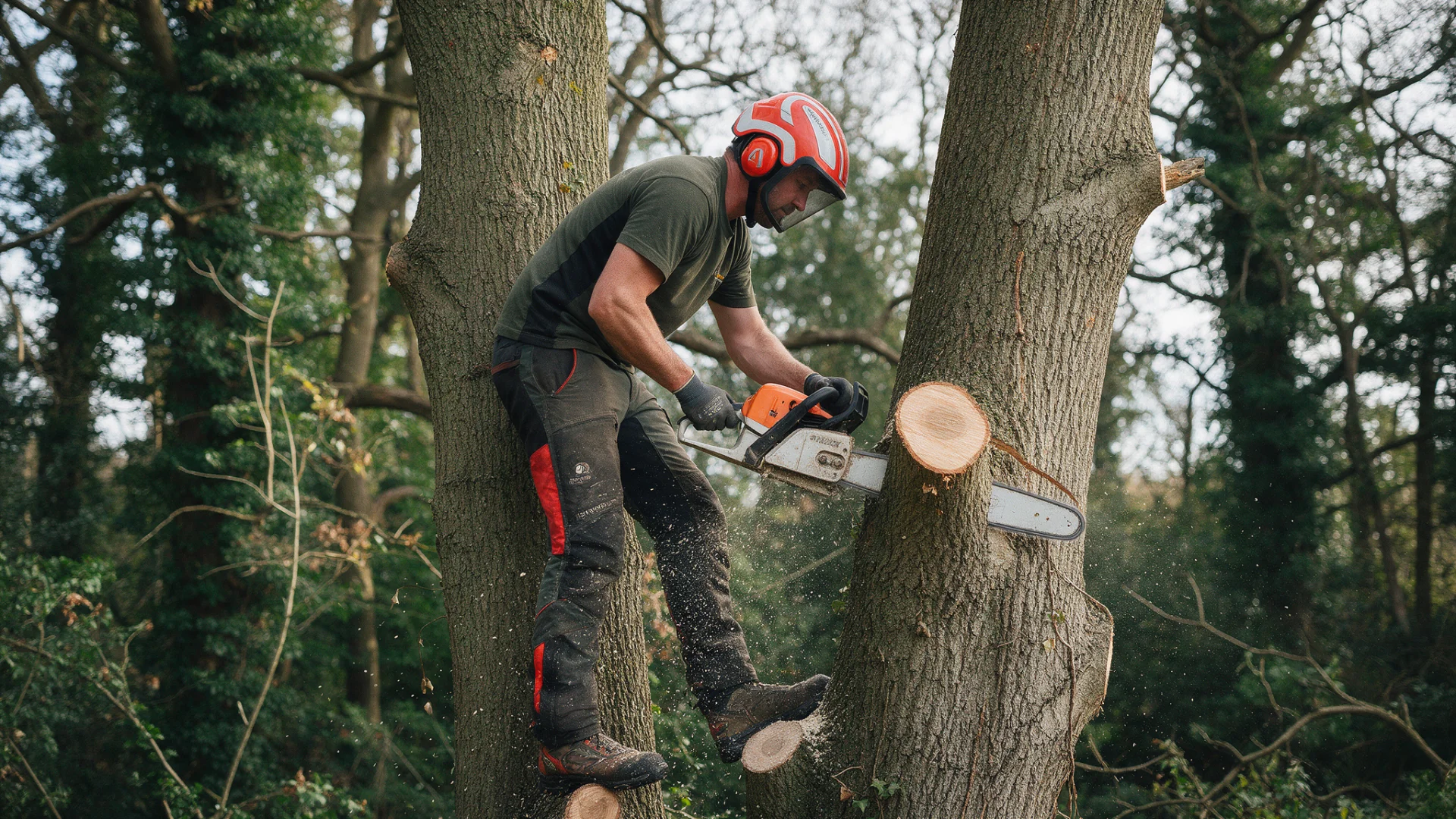
A seasonal forestry programme matches work to ground conditions, tree development, wildlife and operational risk. Winter can suit planting, spring establishment checks, summer canopy surveys and autumn preparation for the next phase. No season automatically provides permission for an operation. Use the calendar to organise resources, then apply surveys, licence conditions and weather checks to decide whether the planned work can proceed. ...
Posted by:Admin on: Read More
Managing Invasive Species in Woodlands
- Posted by:
- Admin
- Tags:
- Posted date:
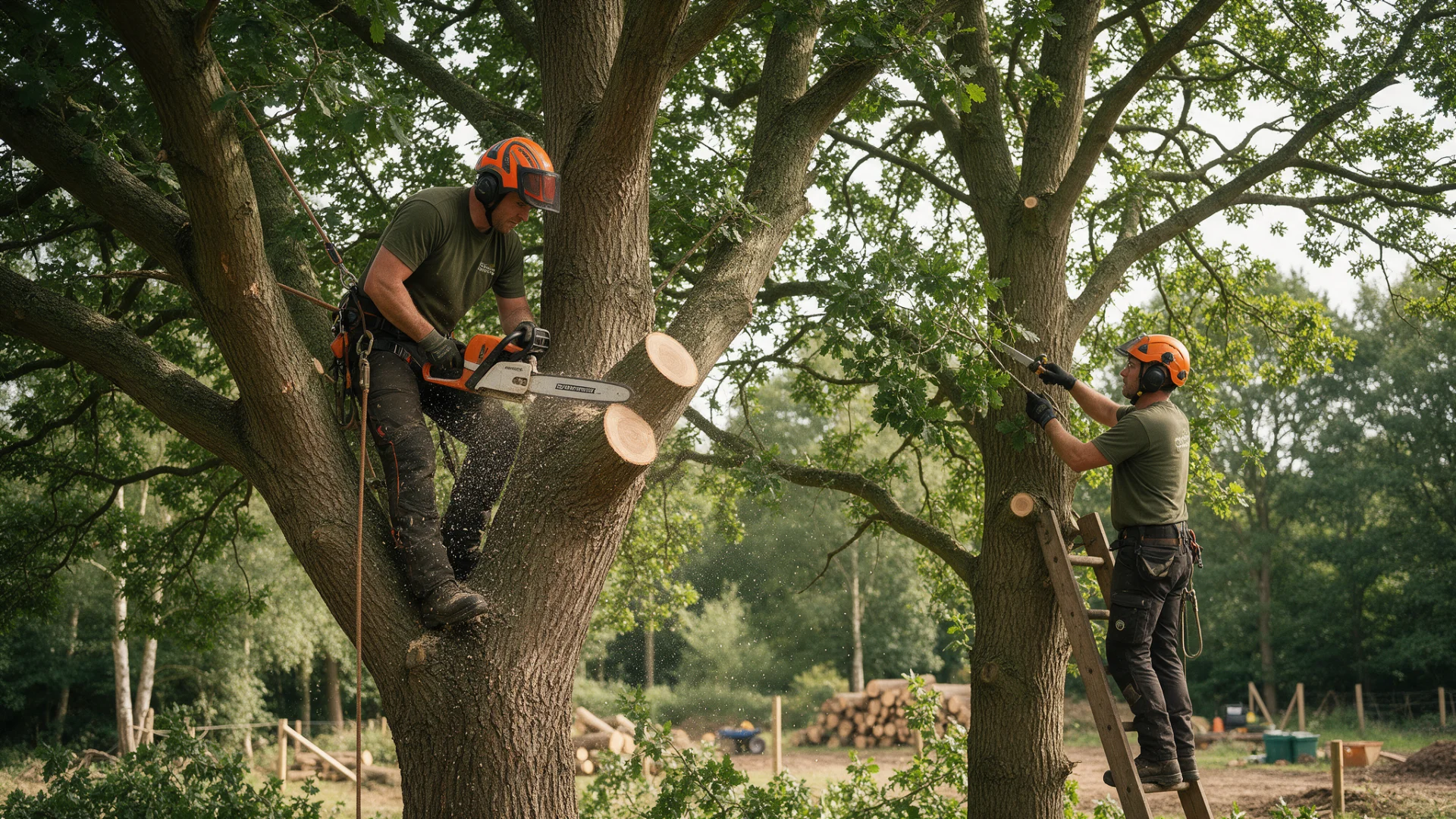
Effective control begins with correct identification, a mapped extent and a plan to prevent spread during treatment. Prioritise new outbreaks and threats to valuable habitat, then budget for follow-up. Cutting a dense patch once may improve access while leaving the infestation intact. Separate invasive non-native plants from native scrub and ordinary competition. A bramble patch can support wildlife; a non-native plant spreading through sensitive...
Posted by:Admin on: Read More
How to Restore Neglected or Overgrown Woodland
- Posted by:
- Admin
- Tags:
- Posted date:
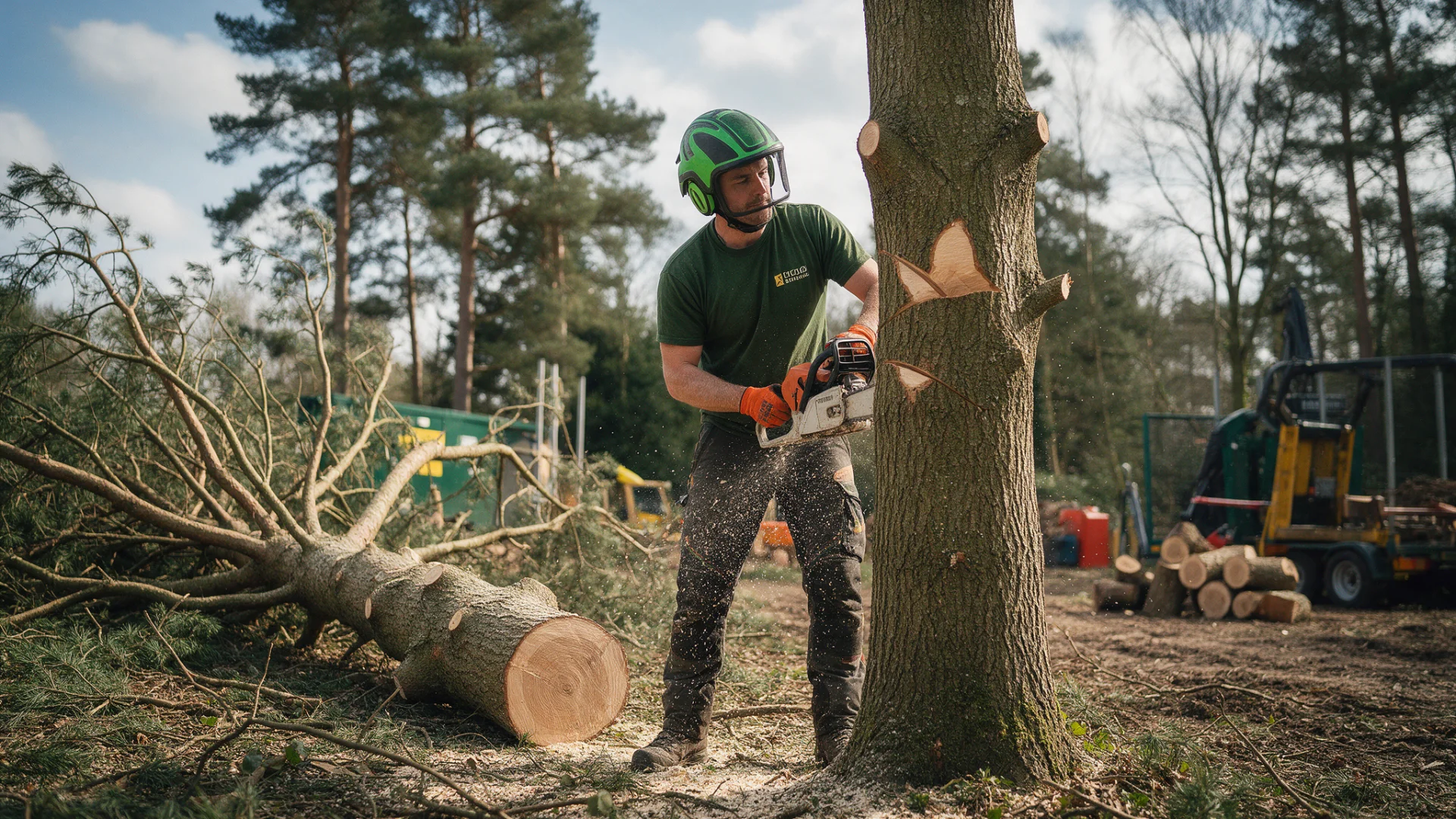
Start restoration with a survey and an objective, then make planned interventions that protect existing habitat and encourage the next generation of trees. Dense growth, fallen wood and an untidy appearance do not by themselves show that clearing is necessary. Some apparently neglected features are valuable habitat. Decide whether the aim is safe access, stronger regeneration, timber production, restored coppice or native-habitat recovery. These...
Posted by:Admin on: Read More
What Are the Major Problems Facing Forestry
- Posted by:
- Admin
- Tags:
- Posted date:
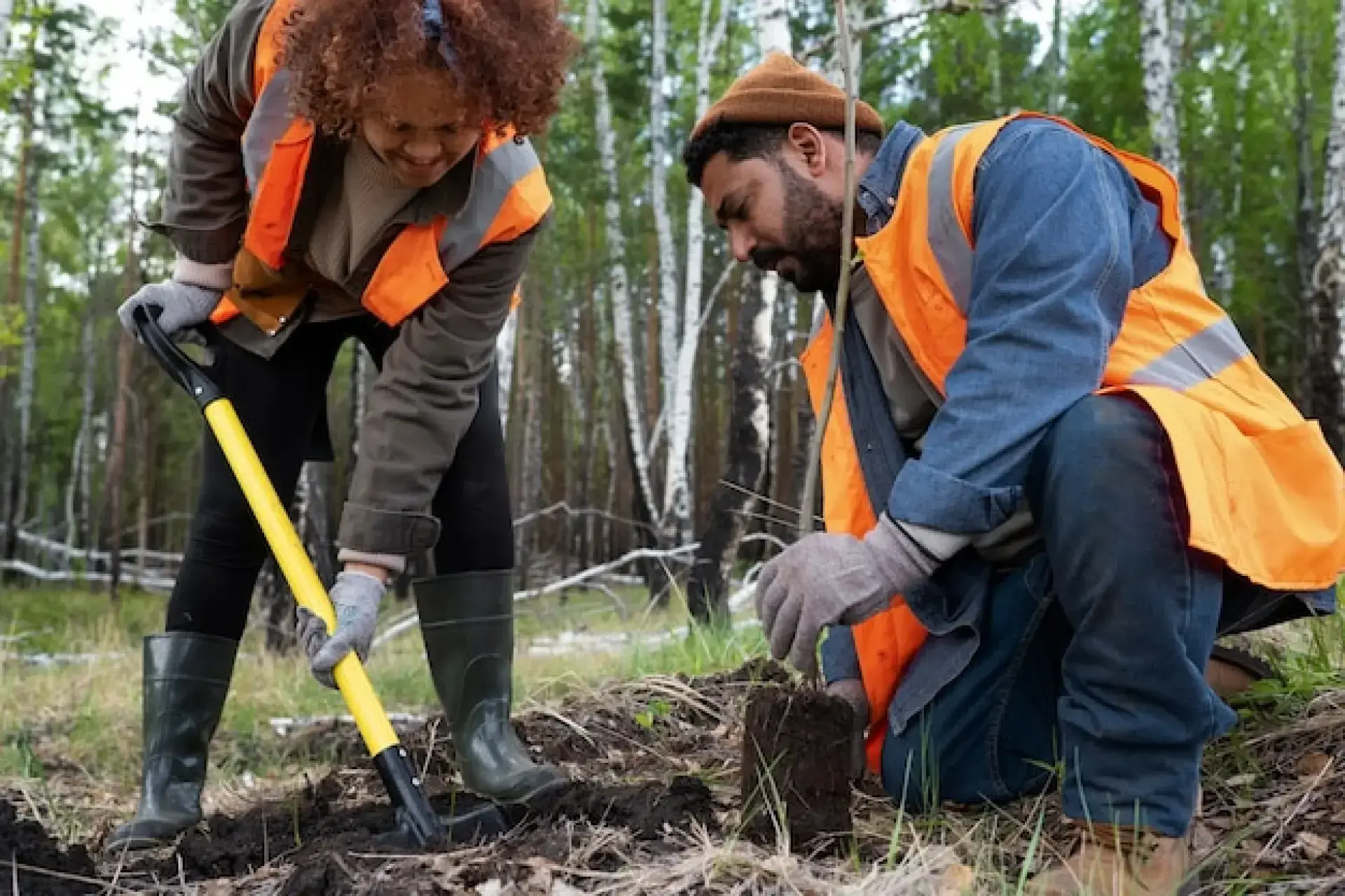
Forestry faces a difficult balance. Forests are expected to provide timber, support wildlife, store carbon, protect soil and water, create jobs and provide places for people to enjoy. At the same time, they are being affected by climate change, disease, fire, land-use pressure and rising costs. The scale of the challenge is significant. The Food and Agriculture Organization of the United Nations estimates that forests cover about 4.14 billion hectares...
Posted by:Admin on: Read More
How Does Forestry Impact the Environment
- Posted by:
- Admin
- Tags:
- Posted date:

Forestry has a major influence on the environment because forests affect the climate, wildlife, soil, water and the quality of the air around us. The way forests are planted, managed and harvested can therefore have both positive and negative effects. Well-managed forestry can protect habitats, store carbon, support healthy soils and provide renewable timber. Poorly planned forestry, however, can damage habitats, reduce biodiversity, disturb soils...
Posted by:Admin on: Read More
Which Method Of Timber Harvesting Is The Most Sustainable
- Posted by:
- Admin
- Tags:
- Posted date:
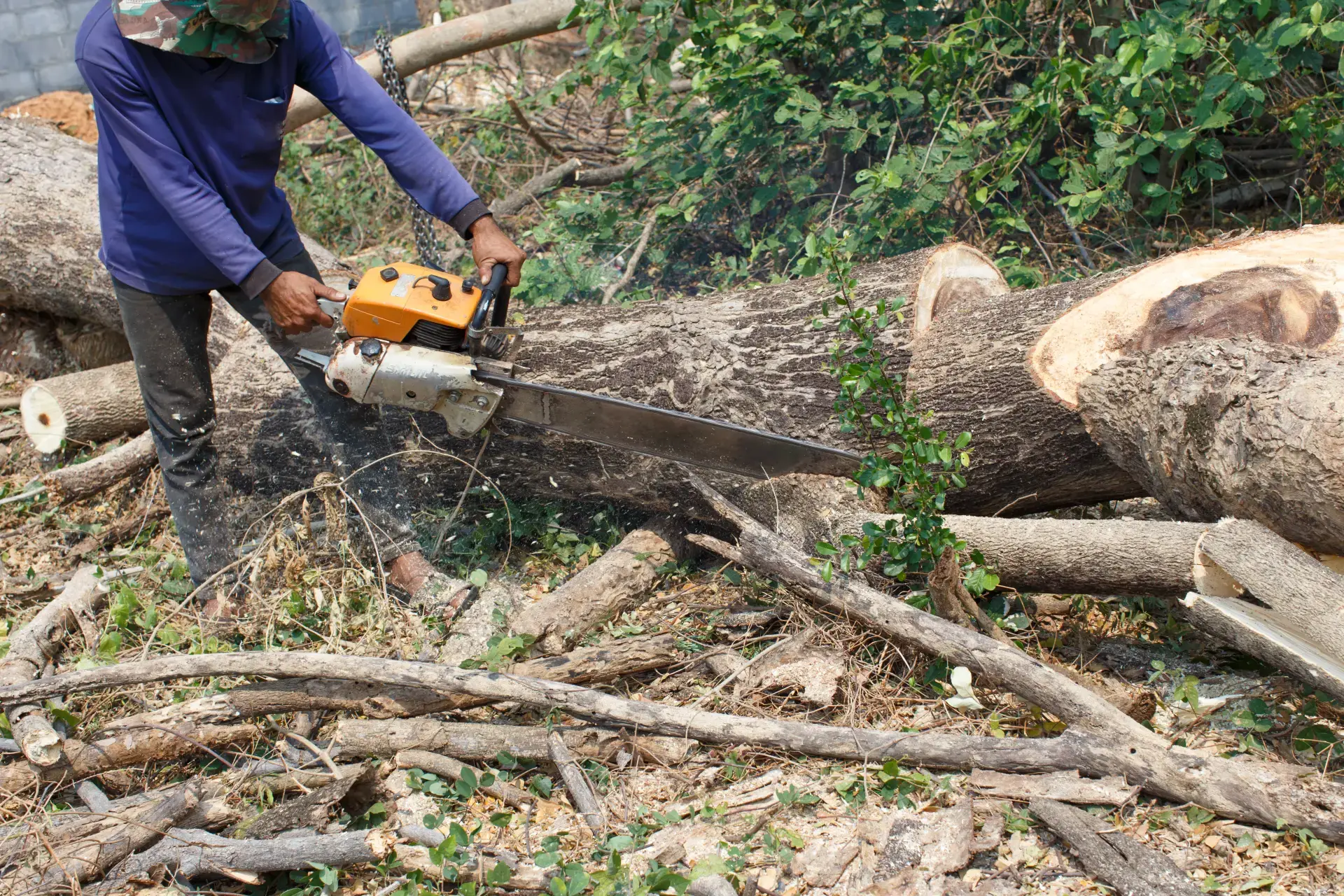
Selective harvesting and continuous cover forestry are often among the most sustainable ways to harvest timber because they allow much of the woodland to remain standing while selected trees are removed. This can protect woodland cover, reduce disturbance and allow the forest to keep providing habitat. However, there is no single harvesting method that is the most sustainable in every woodland. Tree species, soil, slope, wildlife, timber needs and...
Posted by:Admin on: Read More
What Is Low Impact Forestry
- Posted by:
- Admin
- Tags:
- Posted date:
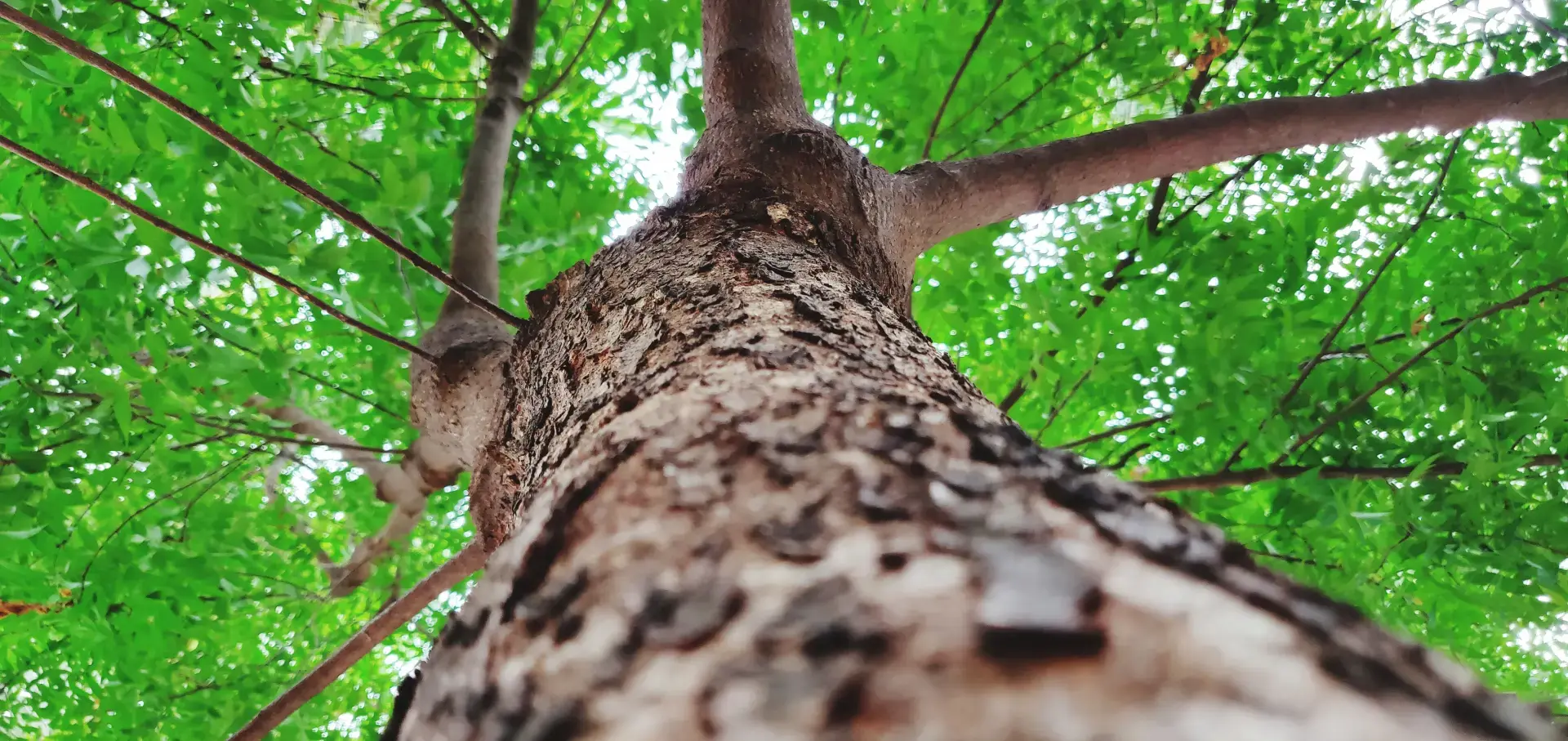
Low impact forestry is an approach to managing woodland while trying to limit harm to trees, soil, wildlife, water and the wider landscape. It allows useful work, including timber harvesting, thinning and woodland improvement, to continue without causing more disturbance than necessary. Rather than treating a woodland simply as a crop of timber, low impact forestry considers the whole forest. This includes mature trees, young growth, soil, plants,...
Posted by:Admin on: Read More