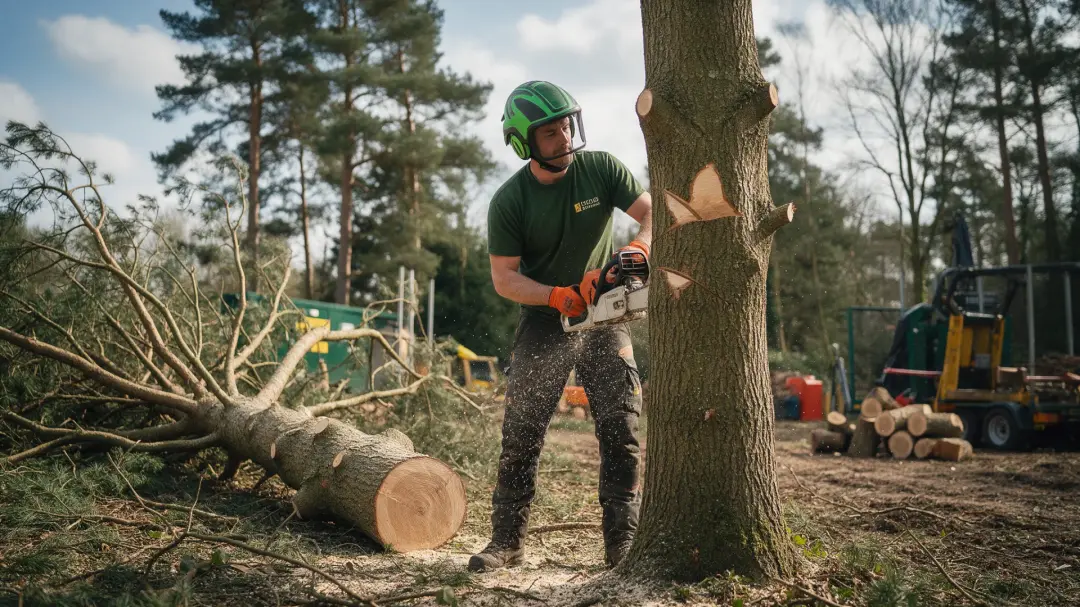
How to Restore Neglected or Overgrown Woodland
Start restoration with a survey and an objective, then make planned interventions that protect existing habitat and encourage the next generation of trees. Dense growth, fallen wood and an untidy appearance do not by themselves show that clearing is necessary. Some apparently neglected features are valuable habitat.
Decide whether the aim is safe access, stronger regeneration, timber production, restored coppice or native-habitat recovery. These objectives overlap, but do not require identical treatment.
Establish a baseline survey
Map boundaries, paths, streams, wet ground, veteran trees and canopy gaps. Record species, age structure, disease symptoms and seedlings. Identify whether shade, browsing, competing vegetation or insufficient seed sources are stopping young trees from developing.
Check woodland history and designations. Ancient woodland, protected sites and archaeological features can constrain machinery and planting. Fixed photograph points and a baseline map are more useful than describing the whole site as overgrown.
Separate access from whole-wood treatment
Assess trees beside entrances, buildings and frequently used paths according to the consequences of failure. Making one route usable does not require opening every compartment equally. Quieter areas can retain denser vegetation and more deadwood.
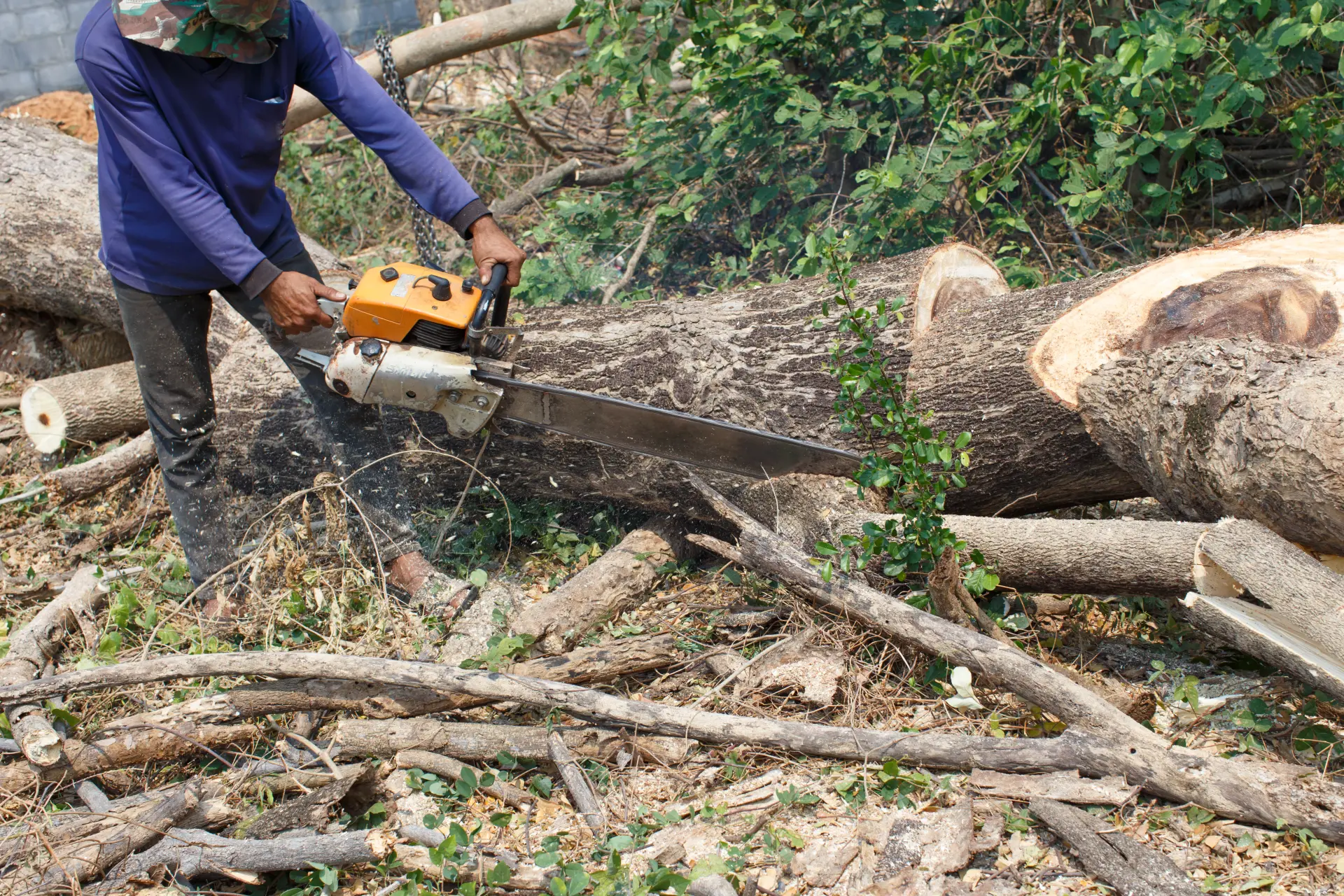
Plan machine entry, turning and loading before selecting trees for removal. Repeated passes over wet soil can damage roots and drainage. Extraction methods should suit the ground and retained trees, including low-impact options where access is sensitive.
Restore in compartments
Give each working area a purpose. Selective thinning, opening an existing ride or restoring a small coppice coupe can be reviewed before extending treatment. Avoid assuming every bramble or scrub patch should disappear: these can provide cover and protect seedlings.
Record what was removed and why. Observe the remaining trees' response to exposure and changes in ground vegetation. Delay a later phase if browsing, erosion or competitive regrowth prevents the first area from recovering.
Resolve regeneration barriers first
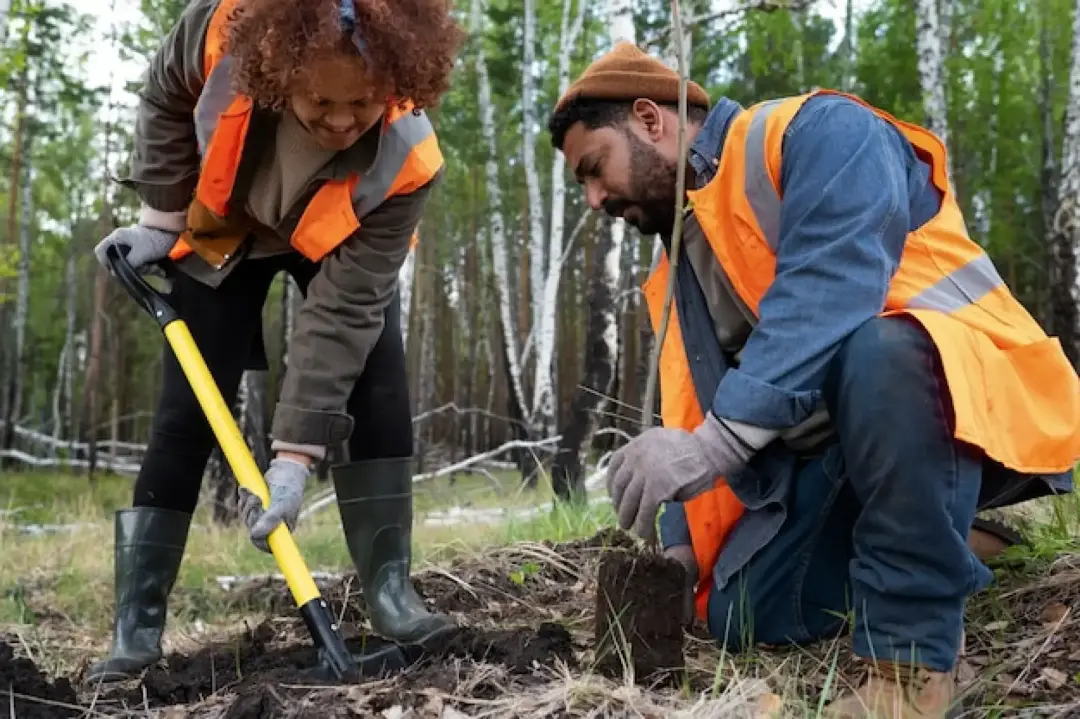
Protect useful natural seedlings when they provide suitable species and diversity. Where planting is necessary, select stock for the soil and future conditions, and arrange protection and aftercare together. Buying more trees cannot fix continuing browse damage.
Distinguish a shortage of seedlings from seedlings repeatedly eaten before they develop. Fencing, guards or vegetation management may be more useful than another planting order. Check protection so damaged guards and failed fencing are addressed promptly.
Retain important habitat features
Veteran trees and fallen stems deserve assessment for habitat value as well as risk. Treatment can differ beside a busy path and within a secluded compartment. A uniformly tidy woodland is not the same as a healthy one.
Where plantation trees shade surviving ancient-woodland features, obtain a prescription that changes the canopy while protecting those features. Sudden clearance can alter light, moisture and exposure in ways that undermine the intended restoration.
Permissions belong in the programme
Forestry Commission guidance published in July 2026 explains England's felling-licence requirements. The calendar-quarter exception permits up to 5 cubic metres in relevant circumstances, with no more than 2 cubic metres sold; other controls can still apply. This is not permission to clear woodland gradually or ignore protected-site consent.
A management plan can coordinate operations and applications. Confirm requirements and lead times before commissioning felling, rather than treating paperwork as a final step after selecting the cutting date.
Measure recovery using local evidence
The Forestry Commission's 2025–26 annual report reports 57% of England's woodland as sustainably managed under its indicator. Checked in October 2026, this statistic does not mean the remainder needs clearing or planting; it measures management coverage, not the ecological condition of every wood.
For woodland in Blackdown Hills, track surviving regeneration, browsing, vegetation change and path condition at the same survey points. Let those observations guide the next phase instead of judging success solely by how much material was removed.
Summary
Restoration should protect existing value, address regeneration barriers and proceed in reviewable phases. Blackdown Treescapes can discuss a forestry programme bringing together access, tree condition and the woodland’s long-term objectives.