How Does Forestry Impact the Environment?
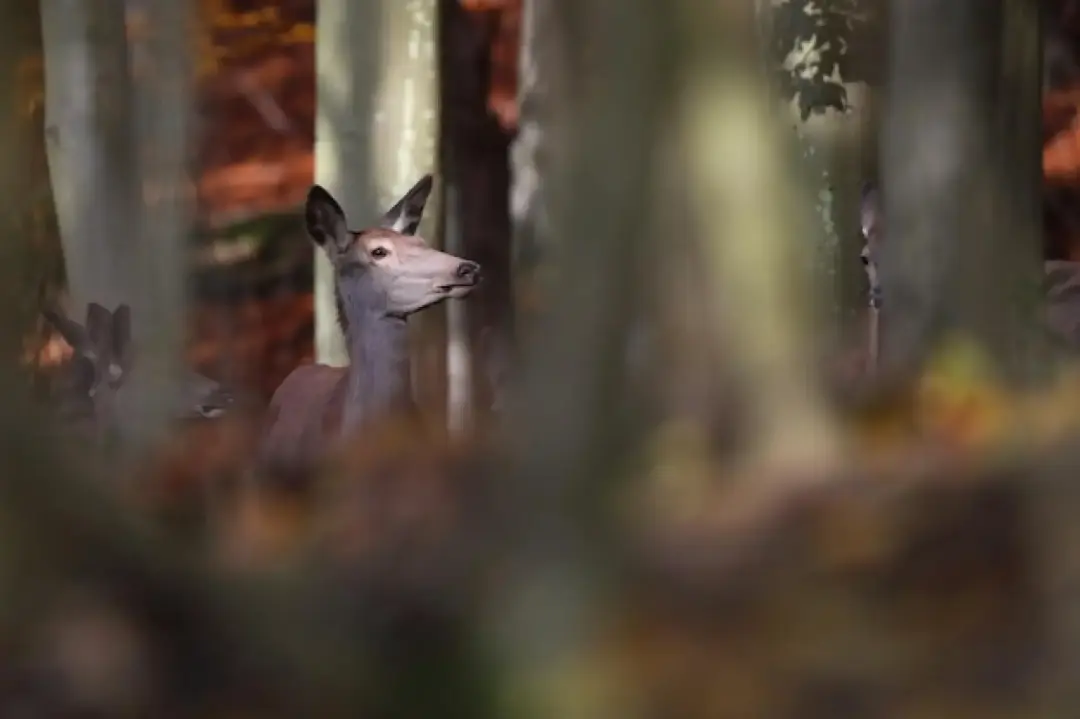
Forestry has a major influence on the environment because forests affect the climate, wildlife, soil, water and the quality of the air around us. The way forests are planted, managed and harvested can therefore have both positive and negative effects.
Well-managed forestry can protect habitats, store carbon, support healthy soils and provide renewable timber. Poorly planned forestry, however, can damage habitats, reduce biodiversity, disturb soils and release stored carbon.
The scale of forests makes these effects important around the world. The Food and Agriculture Organization of the United Nations reported in its 2025 Global Forest Resources Assessment that forests cover around 4.14 billion hectares, equal to about 32% of the world's land area.
What Is Forestry?
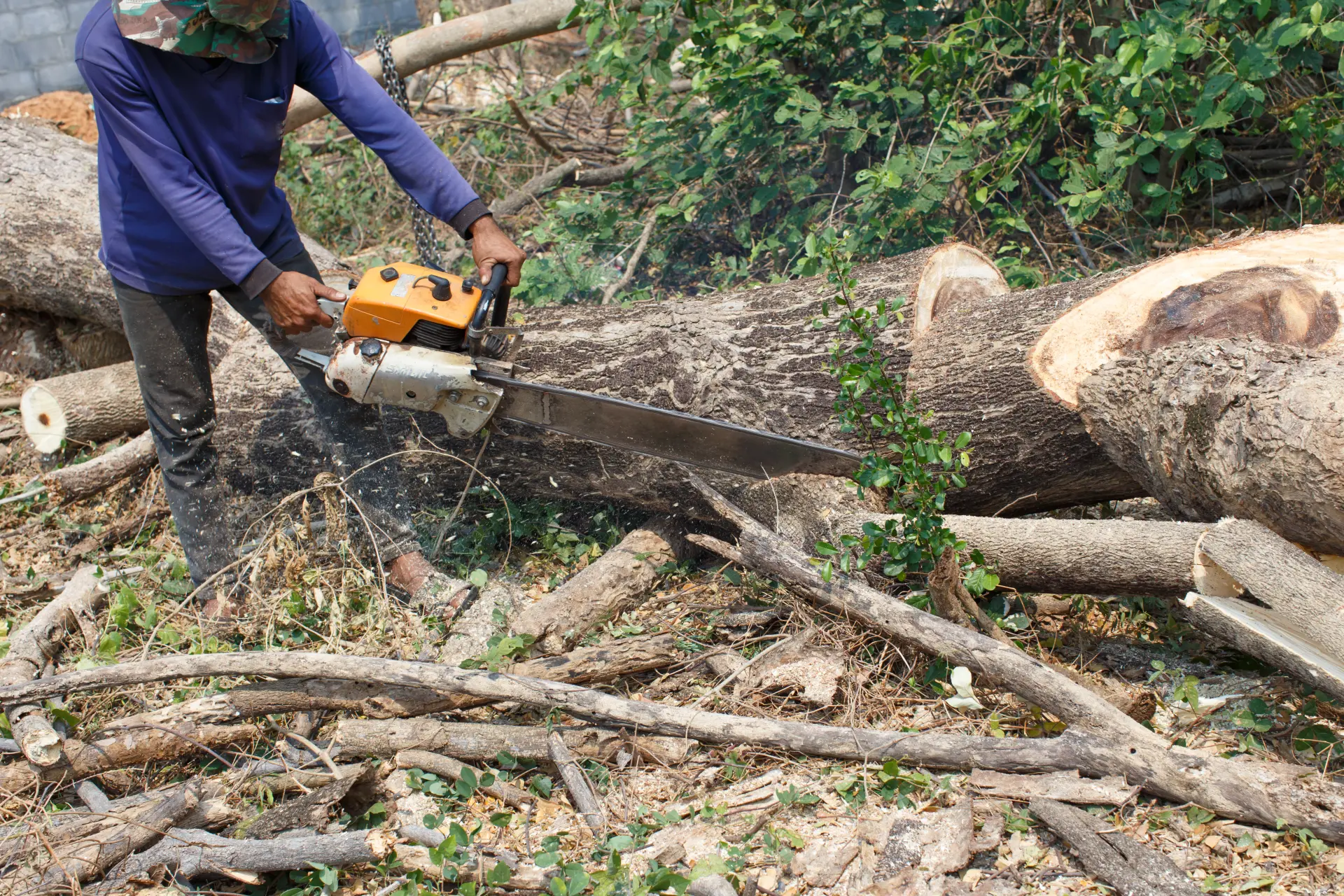
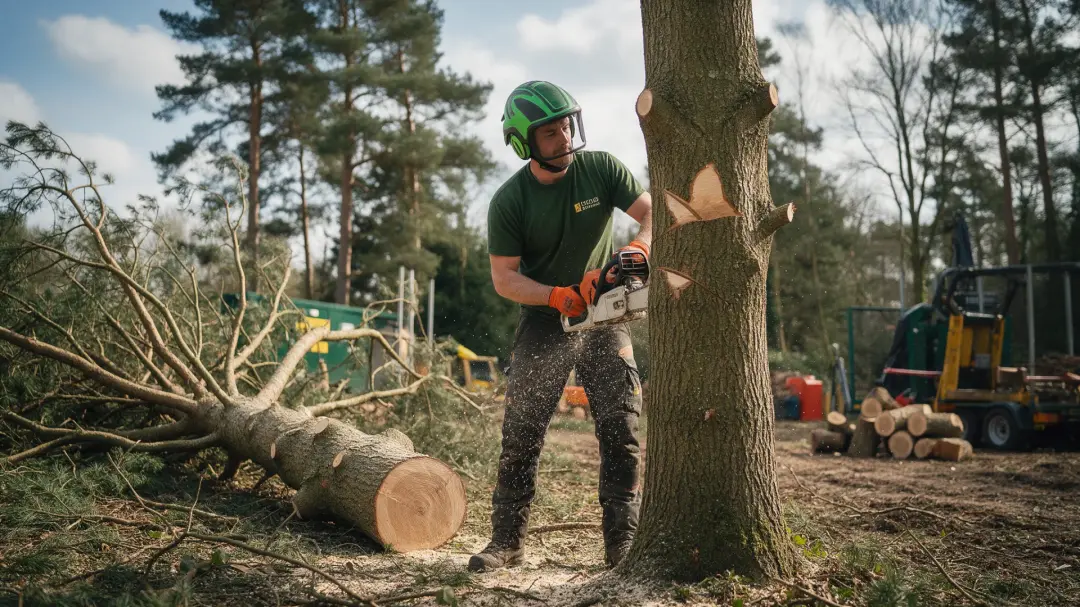
Forestry is the planting, growing, management and harvesting of trees and forests. It can include commercial forests grown for timber as well as woodland managed for wildlife, recreation, conservation and other purposes.
Forestry does not always mean removing trees. Forest management can involve planting new woodland, thinning overcrowded trees, removing damaged trees, protecting young trees and managing habitats.
The environmental effect depends greatly on how this work is carried out. A forest containing different tree species, ages and habitats can behave very differently from a large area planted with a single species.
For this reason, forestry needs to consider more than timber production. Soil, water, wildlife, carbon storage and the future condition of the forest are also important.
How Forests Store Carbon
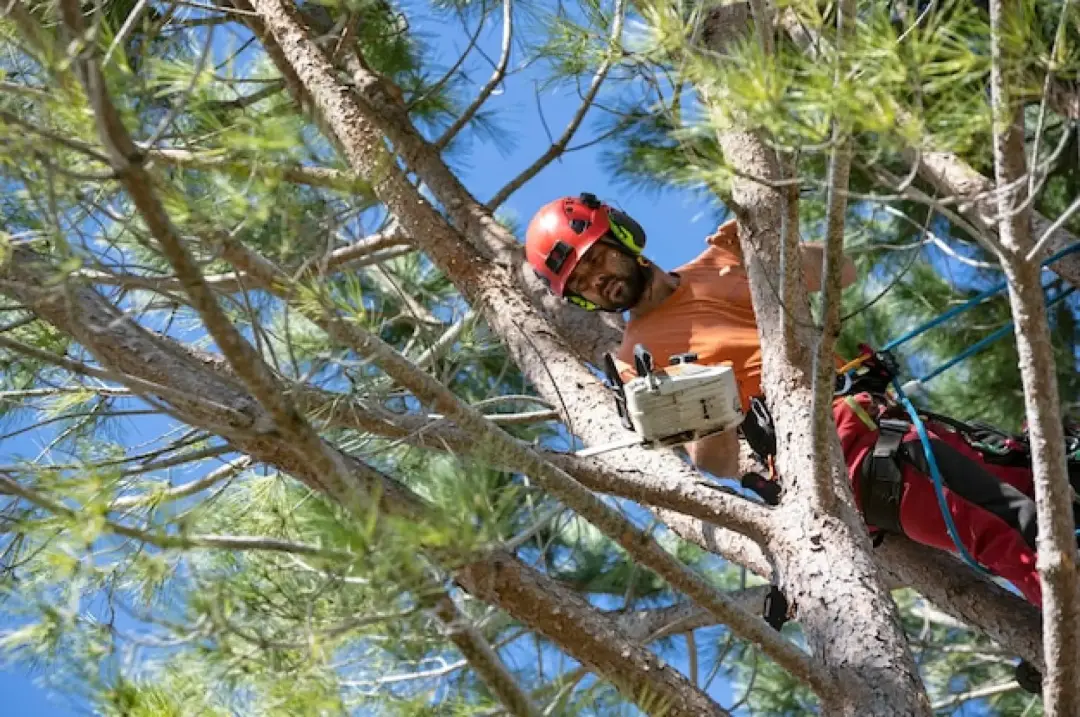
Trees take carbon dioxide from the atmosphere as they grow. Carbon becomes stored in trunks, branches, roots and leaves, while large amounts can also be held within woodland soils.
This makes forests an important part of the global carbon cycle. Protecting existing forests and creating suitable new woodland can help keep carbon out of the atmosphere.
UK figures show the scale involved. Forest Research estimated the total carbon stock in UK forests at around 4.1 billion tonnes of carbon dioxide equivalent in 2025. Around 2.8 billion tonnes of this total was stored in forest soils.
The same figures estimate that UK forests accumulated around 16.5 million tonnes of carbon dioxide in 2025.
Can Forestry Help Tackle Climate Change?
Forestry can help address climate change when woodland is created and managed in suitable places. Growing trees remove carbon dioxide from the atmosphere, while keeping established woodland can protect carbon that has already been stored.
Timber can also store carbon after a tree has been harvested, particularly when the wood is used for products that remain in use for many years.
However, planting trees is not a complete solution to climate change. New trees take time to grow, and poor planting choices can damage other valuable habitats or soils.
Environmental benefits therefore depend on factors such as the location of planting, tree species, previous land use, soil type and future management. Protecting existing forests remains particularly important because mature forests can contain large stores of carbon.
What Happens When Forests Are Removed?
Large-scale forest removal can have serious environmental effects. Trees that once stored carbon may be burned or allowed to decay, while disturbance of forest soils can release additional carbon.
Removing forests can also destroy or divide wildlife habitats, change local water movement and leave soils more exposed to erosion.
Global forest loss remains significant. The Food and Agriculture Organization of the United Nations reported that the annual rate of deforestation was around 10.9 million hectares between 2015 and 2025.
This rate has fallen from previous decades, but forest expansion has also slowed. The organisation estimates that annual forest expansion was around 6.78 million hectares during 2015 to 2025, resulting in continued net forest loss worldwide.
Forestry and Wildlife Habitats
Forests provide food, shelter and breeding areas for a very wide range of animals, plants, fungi and other organisms. The United Nations Environment Programme states that forests are home to around 80% of terrestrial species.
Forestry can support this wildlife when important habitats are protected and woodland contains a mixture of species, ages and structures.
Leaving some old trees, dead wood, open areas and natural features can provide habitats that are not available in more uniform forests.
Forestry can have the opposite effect when natural woodland is cleared, habitats become isolated or large areas are replaced with a limited range of trees. Environmental management therefore needs to consider the wider woodland habitat rather than simply the number of trees present.
Does Forestry Affect Biodiversity?
Biodiversity describes the variety of living things found within an area. A diverse woodland can contain different trees, plants, mammals, birds, insects, fungi and microorganisms.
Forestry can improve biodiversity where new habitats are created or damaged woodland is restored. Connecting areas of woodland can also make it easier for wildlife to move between habitats.
However, forestry does not automatically increase biodiversity. Replacing a varied natural habitat with a dense plantation containing one or two tree species can reduce the range of wildlife an area supports.
Existing UK woodland also faces environmental pressures. Forest Research reported that woodland bird populations have declined since 2010, with woodland generalist species down by 11% and woodland specialist species down by 18% in the statistics included within its 2025 forestry report.
How Forestry Affects Soil
Forest soils contain nutrients, water, roots and a large community of living organisms. They can also contain very large carbon stores.
Trees can help protect soil by reducing the force of rainfall and holding the ground together with their roots. Fallen leaves and other natural material can return nutrients to the soil as they break down.
Forestry operations can cause problems when soil is heavily disturbed or compressed by machinery. Compacted soil may absorb water less effectively and can make root growth more difficult.
Removing too much vegetation can also leave soil exposed to erosion. Careful forestry planning can reduce these effects by choosing suitable access routes, avoiding unnecessary ground disturbance and taking account of wet or sensitive soils.
Forestry and Water Quality
Forests influence the way rainfall reaches rivers, streams and groundwater. Tree roots and woodland soils can slow the movement of water and help reduce the amount of soil that is washed away.
Woodland beside rivers can also provide shade, protect banks and create habitats for wildlife.
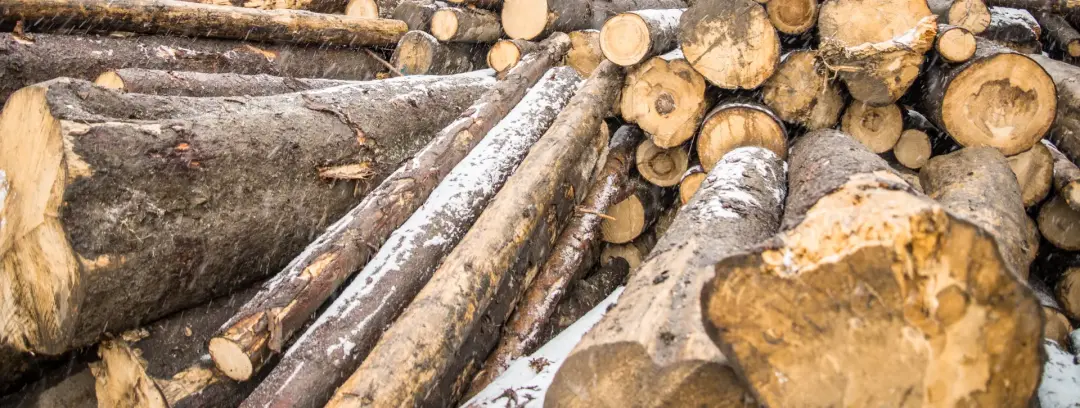
Forestry work needs to be managed carefully around water. Soil disturbed during harvesting can be carried into streams, while unsuitable use of chemicals or poorly planned drainage can affect water quality.
Protective areas around rivers and streams can help limit these risks. The location of forest roads, drainage systems and timber handling areas also needs careful consideration where watercourses are nearby.
Can Forests Help Reduce Flood Risk?
Trees and woodland can affect how quickly rainwater moves through a landscape. Leaves intercept some rainfall before it reaches the ground, while roots and healthy woodland soils can help water enter the soil.
These effects can slow the movement of water in some locations and may form part of wider natural flood management.
Woodland is not able to prevent every flood, especially during severe or prolonged rainfall. Its effect also varies according to soil conditions, slopes, tree cover and the size of the river catchment.
Forestry designed with water management in mind may still provide useful benefits. Planting in suitable locations, maintaining healthy soils and reducing rapid surface water movement can all form part of a wider approach to managing landscapes.
How Forestry Affects Air Quality
Trees can capture some airborne particles on their leaves and surfaces. They also take in carbon dioxide during growth and release oxygen through natural biological processes.
Woodland can therefore contribute to the wider environmental quality of towns, cities and rural areas. Trees can be particularly valuable where woodland forms part of a larger network of green spaces.
There can also be negative effects linked with forestry operations. Heavy machinery and timber transport use fuel, while burning wood or forest waste can release smoke, particles and carbon dioxide.
The overall effect depends on how forests are managed and how harvested material is used. Protecting woodland, reducing unnecessary disturbance and using suitable working methods can help limit avoidable environmental effects.
Is All Tree Planting Good for the Environment?
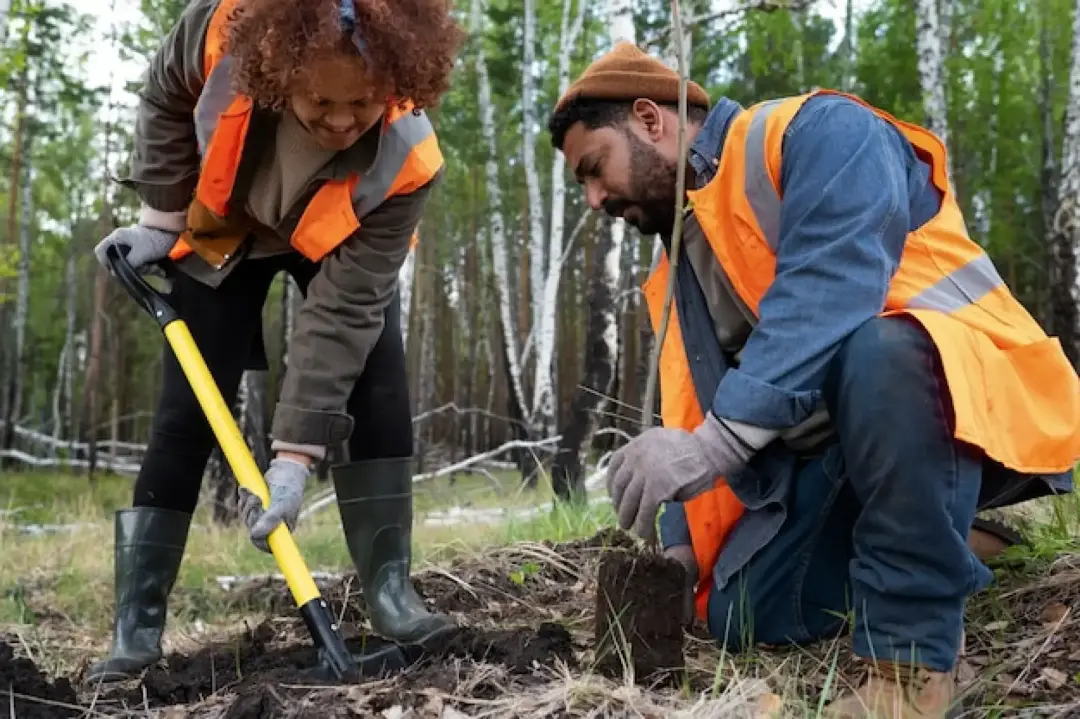
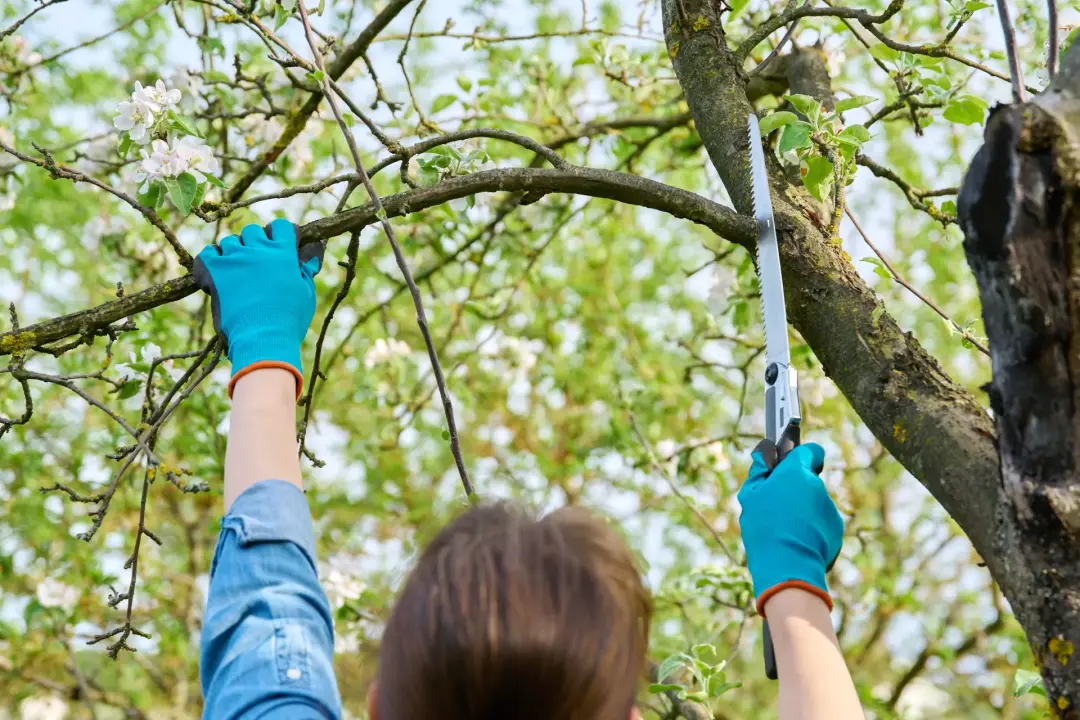
Planting trees can provide major environmental benefits, but the location and type of planting matter.
Some open habitats, wetlands and peat-rich soils are valuable ecosystems in their own right. Planting trees in an unsuitable location can damage these habitats or disturb carbon stored in the soil.
The choice of trees is also important. A range of suitable species can make woodland more varied and may improve its ability to cope with pests, diseases and changing weather conditions.
Forestry planning should therefore consider what is already present before new trees are planted. The aim should be to create the right woodland in the right place rather than assuming that every area of tree planting will produce the same environmental result.
How Much Woodland Does the UK Have?
Woodland covers a significant area of the UK, although the proportion is lower than in many parts of Europe.
Forest Research's 2025 statistics estimated that the UK contained 3.29 million hectares of woodland at 31 March 2025. This represented around 13.5% of the UK's total land area.
Woodland cover varies across the four countries. The same figures estimated woodland at around 19% of Scotland's land area, 15% of Wales, 10% of England and 9% of Northern Ireland.
New woodland continues to be created. A total of 15,580 hectares of new woodland was reported across the UK during 2024/25. Provisional woodland statistics were also published by Forest Research in June 2026, with the full annual forestry statistics following the official publication cycle.
What Is Sustainable Forestry?
Sustainable forestry aims to use and manage forests without preventing future generations from receiving the same environmental, social and economic benefits.
This can involve replacing harvested trees, protecting soil and water, retaining important habitats and planning forests over long periods rather than focusing only on immediate timber production.
Independent certification can provide evidence that woodland is being managed according to recognised standards. Forest Research reported that 1.44 million hectares of UK woodland were independently certified as sustainably managed at 31 March 2025.
This represented around 44% of the UK's woodland area. Certification does not mean that every environmental impact disappears, but it provides a framework for managing forests while considering environmental and other responsibilities.
Can Forestry Replace Trees That Are Harvested?
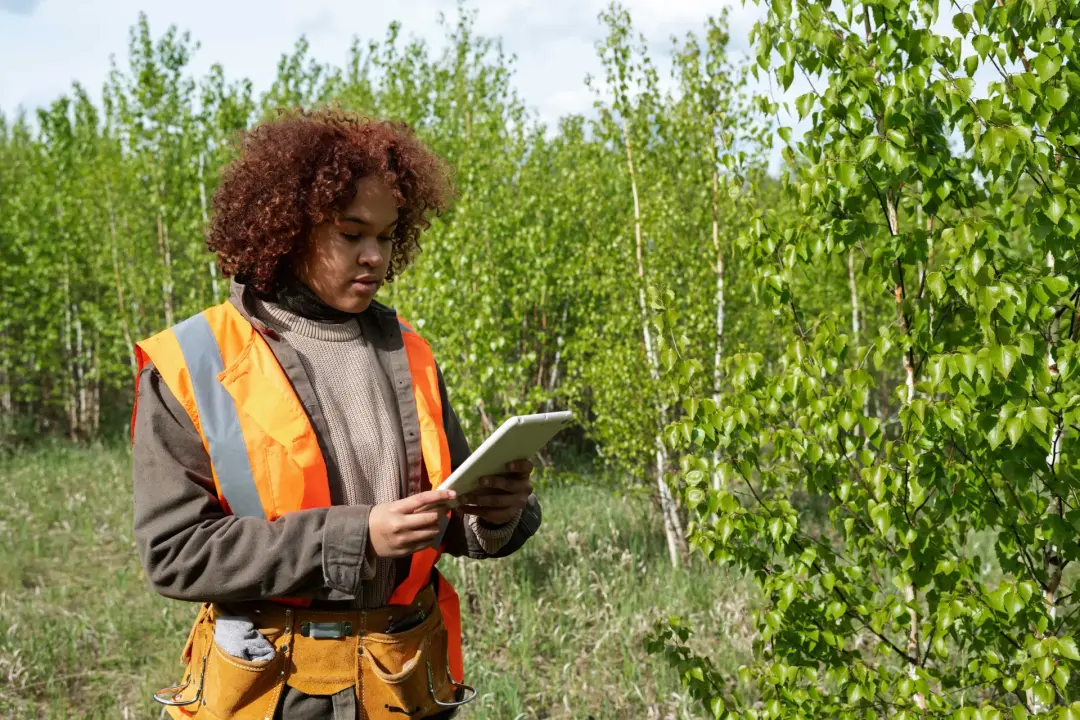
Managed forests can produce timber repeatedly when harvested areas are successfully replanted or allowed to regenerate.
This is very different from permanent deforestation, where forest is removed and the land is converted to another use.
Replanting can restore tree cover, but a newly planted forest is not immediately equal to the woodland that was removed. Young trees are smaller, contain less stored carbon and may not yet provide habitats for species that depend on mature woodland.
Some woodland features can take decades or longer to develop. Sustainable forestry therefore needs to consider the whole cycle of growth and harvesting, including the protection of mature trees, habitats, soils and water while younger areas develop.
How Does Timber Production Affect the Environment?
Timber is a renewable material when trees are grown and harvested responsibly. It is used for construction, furniture, fencing, paper, packaging and many other products.
Using timber creates environmental effects at several stages. Trees need land to grow, harvesting requires machinery and logs need to be transported and processed.
However, wood can continue storing carbon while it remains in use. Timber products may also replace materials that require different amounts of energy and resources to produce.
The UK forestry industry produces millions of tonnes of timber each year. Forest Research reported that 10.4 million green tonnes of UK roundwood were delivered to wood processors and other users during 2024, an increase of 6% compared with the previous year.
Why Forest Management Matters
Forests change naturally as trees grow, die and compete for space. Management can influence how a woodland develops and how well it provides environmental benefits.
Thinning selected trees may create space and light for remaining trees. Removing diseased trees can sometimes help reduce a source of infection, while protecting older trees and dead wood may support wildlife.
Management decisions need to reflect the purpose and condition of each forest. Commercial woodland managed for timber may require a different approach from ancient woodland, a nature reserve or woodland beside a town.
Poor management can create long-term problems. Heavy disturbance, unsuitable planting and damage to soils or habitats can reduce the environmental value of woodland even when trees remain on the site.
Forestry, Pests and Tree Diseases
Pests and diseases can alter forests by damaging or killing large numbers of trees. Climate change and the movement of plants and materials between countries can add to the risks facing some species.
Forestry management may include monitoring tree health, removing infected material where appropriate and selecting tree species that are suited to local conditions.
Greater diversity can also reduce dependence on a single type of tree. Where a forest is dominated by one vulnerable species, a serious pest or disease may affect a large proportion of the woodland at the same time.
Tree health is a clear public concern. In the UK Public Opinion of Forestry Survey 2025, 76% of respondents agreed that authorities and woodland managers should take action to protect trees from damaging pests and diseases.
Can Forestry Make Forests More Resilient?
Forests face changing temperatures, periods of drought, storms, fires, pests and diseases. These pressures can affect how quickly trees grow and whether particular species remain suited to an area.
Forestry can help forests adapt by encouraging a suitable mixture of species and ages, protecting soils and avoiding unnecessary damage to healthy woodland.
Diversity does not remove every risk, but it can reduce the chance that one problem will affect all trees in exactly the same way.
Long-term planning is especially important because forests develop over many decades. Trees planted today may experience very different environmental conditions later in their lives. Decisions about species, planting locations and management therefore need to consider both present conditions and likely future pressures.
How Does Forestry Affect Local Landscapes and Communities?
Forestry changes the appearance and use of landscapes. Woodland can provide attractive green space, opportunities for walking and access to nature as well as employment and timber.
Forests are widely used for recreation in the UK. Forest Research reported that 70% of respondents to its 2025 UK Public Opinion of Forestry Survey had visited forests or woodland during the previous few years.
Forestry work can also cause temporary disruption. Timber harvesting can involve machinery, vehicle movements, noise and temporary closure of paths or sections of woodland.
The effect on a community therefore depends partly on how operations are planned and communicated. Managing access safely, protecting valued landscape features and considering nearby homes, roads and public spaces can reduce unnecessary disturbance while woodland work takes place.
What Is the Global Environmental Impact of Forestry?
Forestry has global importance because forests cover around 4.14 billion hectares of the Earth's land. The Food and Agriculture Organization of the United Nations reports that about 45% of global forest area is found in the tropics.
The latest global figures also show that more than 90% of forests regenerate naturally. Naturally regenerating forests cover around 3.83 billion hectares.
There has been progress in slowing forest loss. Net forest loss fell from around 10.7 million hectares a year during 1990 to 2000 to around 4.12 million hectares a year during 2015 to 2025.
However, continued deforestation means that forest protection, restoration and sustainable management remain important environmental issues. The quality and condition of forests matter as well as their total area.
What Are the Main Negative Effects of Forestry?
Forestry can harm the environment when work is poorly located, badly timed or carried out without protecting existing natural features.
Possible effects include habitat loss, reduced biodiversity, soil compaction, erosion, disturbance of wildlife and changes to water quality. Clearing established forest can also release carbon and remove an important carbon store.
Large areas containing very few tree species may provide less varied habitat and can sometimes be more vulnerable to particular pests, diseases or environmental changes.
These effects are not unavoidable parts of forestry. Many can be reduced through careful planning, suitable harvesting methods, habitat protection, responsible replanting and long-term management that considers the wider environment as well as timber production.
What Are the Main Environmental Benefits of Forestry?
Well-planned forestry can provide several environmental benefits at the same time. Growing forests store carbon, create habitats, protect soils and influence how water moves through landscapes.
Forestry can also create new woodland and restore areas where tree cover has previously been lost. Managed forests provide renewable timber while allowing new trees to grow for future use.
Benefits tend to be stronger when forestry protects existing habitats, uses suitable species and avoids damaging sensitive soils and watercourses.
Environmental value also develops over time. Mature trees, dead wood, woodland soils and varied vegetation can provide features that are difficult to replace quickly. Good management therefore combines new planting with the protection and improvement of established woodland wherever appropriate.
How Can the Environmental Impact of Forestry Be Reduced?
Reducing the environmental impact of forestry starts with understanding the site before work begins. Existing habitats, waterways, soils, wildlife and important landscape features should all be considered.
Forestry operations can then be planned around these conditions. This may include keeping machinery away from sensitive ground, protecting streams, retaining valuable habitat trees and avoiding unnecessary clearance.
Species selection and future management also matter. Creating varied woodland that is suited to local conditions can support wildlife and may make forests better able to cope with future environmental pressures.
Harvested woodland should have a clear plan for its next stage, whether this involves replanting, natural regeneration or another agreed form of woodland management. Long-term planning helps ensure that forestry continues to provide environmental benefits alongside useful timber and other resources.
Does Forestry Have a Positive or Negative Environmental Impact?
Forestry can have both positive and negative effects on the environment. The final result depends on what type of forest is being managed, what work is carried out and how carefully that work is planned.
Responsible forestry can store carbon, provide wildlife habitats, protect soil, support water management and produce renewable timber. Creating new woodland can add further environmental value when trees are planted in suitable locations.
At the same time, poorly managed forestry can damage habitats, disturb soils and waterways, reduce biodiversity and release stored carbon. Replacing a complex natural habitat with unsuitable planting can also result in environmental loss even if the total number of trees increases.
For this reason, the environmental impact of forestry should be judged over the long term. Good forestry aims to maintain healthy, productive and varied forests while protecting the natural systems that depend on them.
Forestry and the Environment: Key Figures
Recent figures help show the scale of forestry and its environmental importance:
- Global forests cover around 4.14 billion hectares, or approximately 32% of the world's land area.
- Global deforestation averaged around 10.9 million hectares per year between 2015 and 2025.
- The UK had around 3.29 million hectares of woodland in 2025.
- Around 15,580 hectares of new UK woodland were created during 2024/25.
- Around 44% of UK woodland was independently certified as sustainably managed in 2025.
- UK forests held an estimated 4.1 billion tonnes of carbon dioxide equivalent in 2025.
Why Responsible Forestry Matters
Forests are much more than a source of timber. They form habitats, store carbon, protect soils, influence water and provide places that people use for work, recreation and contact with nature.
Forestry has the power to protect these benefits or weaken them. The difference often comes down to where trees are planted, which species are used, how timber is harvested and how the land is managed afterwards.
Recent statistics show both progress and continuing pressure. Global deforestation has slowed, while new woodland continues to be created in the UK. However, forests still face habitat loss, climate change, pests, diseases and other pressures.
Sustainable forestry therefore requires long-term thinking. Protecting established forests, creating suitable new woodland and managing timber production responsibly can help forests continue supporting the environment for future generations.
Blackdown Treescapes provides professional forestry services across Exmouth, Honiton and Sidmouth.
Our team helps customers manage trees, woodland, gardens and green spaces responsibly. For help with tree or woodland management in Exmouth, call 07921 241875, submit a message or ask for a quote.