

Our Forestry Specialist
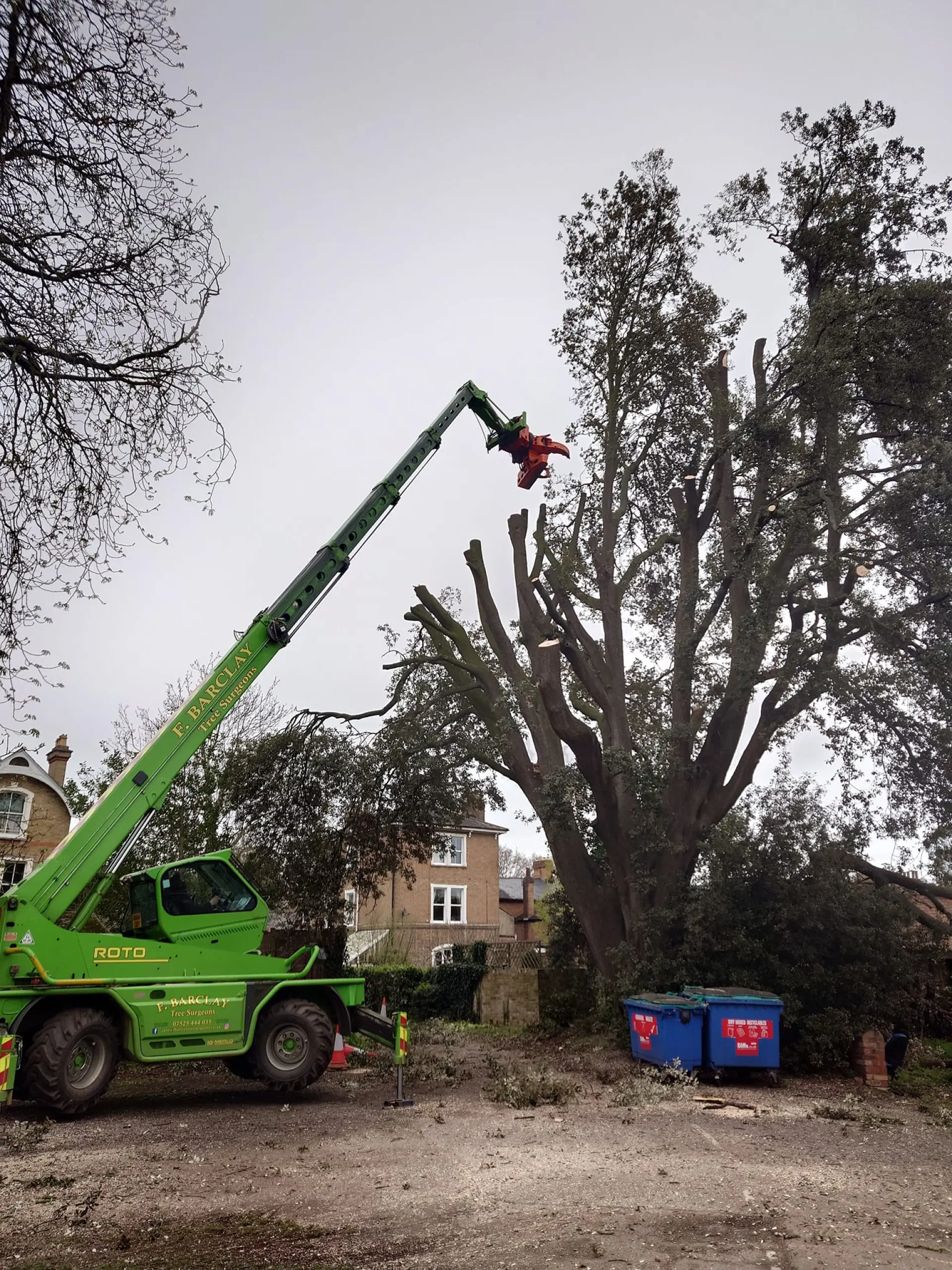
Our forestry experts plan low impact forestry around each site, the trees, access and ground conditions. Before operations begin, our team checks sensitive areas, wildlife and the forest floor, then explains what to retain, what to cut and how management can improve the woodland.
From first thinnings to selective felling, we use suitable machinery and equipment to minimise soil compaction and damage. Careful extraction helps protect the remaining tree stock while we extract timber, carry logs and manage brash in a practical way.

Low impact forestry services with careful site planning
Low Impact Forestry Services
Our low impact forestry services cover woodland management, thinning, felling and timber extraction. We can carry out first thinnings, manage standing timber and create space for stronger trees, while choosing the most efficient extraction methods for each site.
We offer coppicing, planting, brash clearance and path work alongside forestry operations. When extracting logs, we use equipment selected for the ground, access and size of the timber. This gives our team the ability to work in small areas, minimise ecological impact and protect the remaining tree stock from unnecessary damage.
Woodland Creation and Planting
Tree Felling and Thinning
Habitat and Biodiversity Management
Timber Harvesting and Extraction
Low Impact Forestry Operations
Woodland Surveys and Assessments
Forest Planning and Consultancy
Invasive Species Control
Reforestation and Restoration Projects
Ongoing Woodland Maintenance and Monitoring
Careful timber extraction designed to reduce ground damage

Habitat And Wildlife Protection
Wildlife protection is essential to responsible low impact forestry. Before forestry operations start, our experts look for nesting birds, bats and other protected species, then plan work to minimise ecological impact and avoid causing significant damage.
We can create buffer areas around ponds, streams and known habitats, and adjust machinery routes so the forest floor and nearby trees face less pressure. Where possible, useful deadwood and cover are retained for wildlife.
Low impact forestry services are timed around site conditions and sensitive periods. We use practical management measures to minimise noise, light, soil compaction and damage. This means forestry work can support safer access and healthier forests without removing habitat unnecessarily. If specialist information is needed, our team can help arrange checks and explain how the findings affect felling, thinning and extraction.
Low Impact Forestry Near Me
Our low impact forestry service helps manage your woodland while minimising disturbance to the soil, wildlife and surrounding vegetation. Through selective felling, careful timber extraction and planned access routes, we tailor our work to your site and long-term goals. Whether you need thinning, harvesting or ongoing woodland care, we use methods suited to sensitive environments.
Get A Low Impact Forestry Quote
For a low impact forestry quote, contact Blackdown Treescapes with details of the site, trees and access. Photos are useful, especially where gates, soft ground, slopes, buildings or other things may affect forestry operations. We can assess the terrain, choose efficient extraction methods and explain how our equipment will minimise impact.
Your quote can cover thinning, felling, extracting timber, moving logs, brash work and woodland management. We explain the method, machinery and expected product from the timber, along with options for replanting. Our services are planned to create immediate value while protecting the site, forest floor and future tree stock.
Find Out More About Forestry Services
Crown Reduction Blackdown Hills
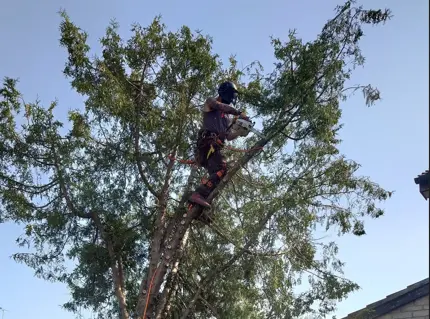
Crown reduction can manage size, balance and risk while retaining the character of important trees. Our team plans each cut carefully, protects growth points and uses suitable equipment to support healthy structure and safer long-term management.
Crown Reduction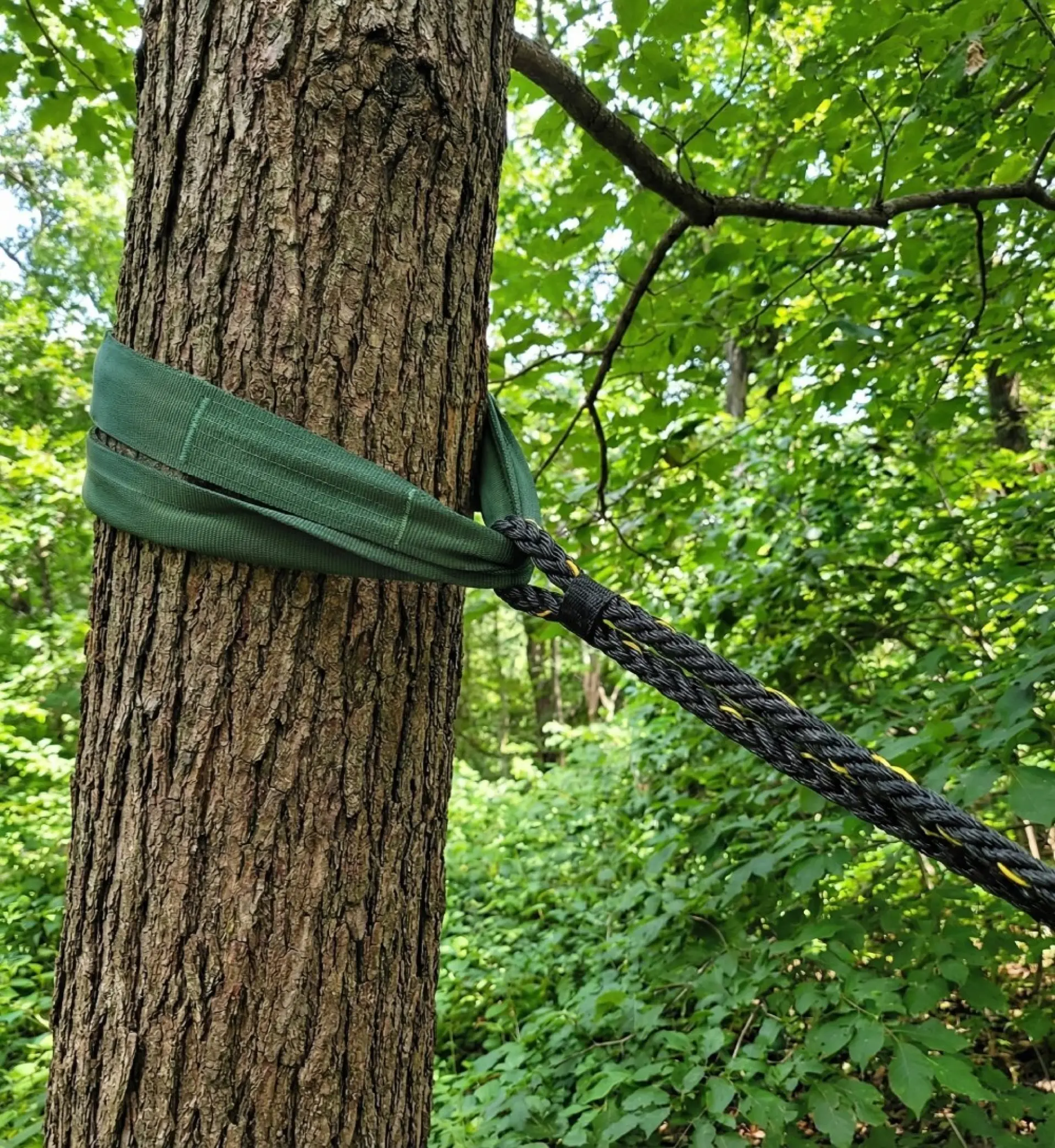
Tree Bracing Blackdown Hills
Tree bracing can support weak unions, damaged limbs and veteran trees without unnecessary removal. We select practical equipment that can reduce failure risk while retaining valued features, wildlife cover and the tree’s natural shape for longer.
Tree Bracing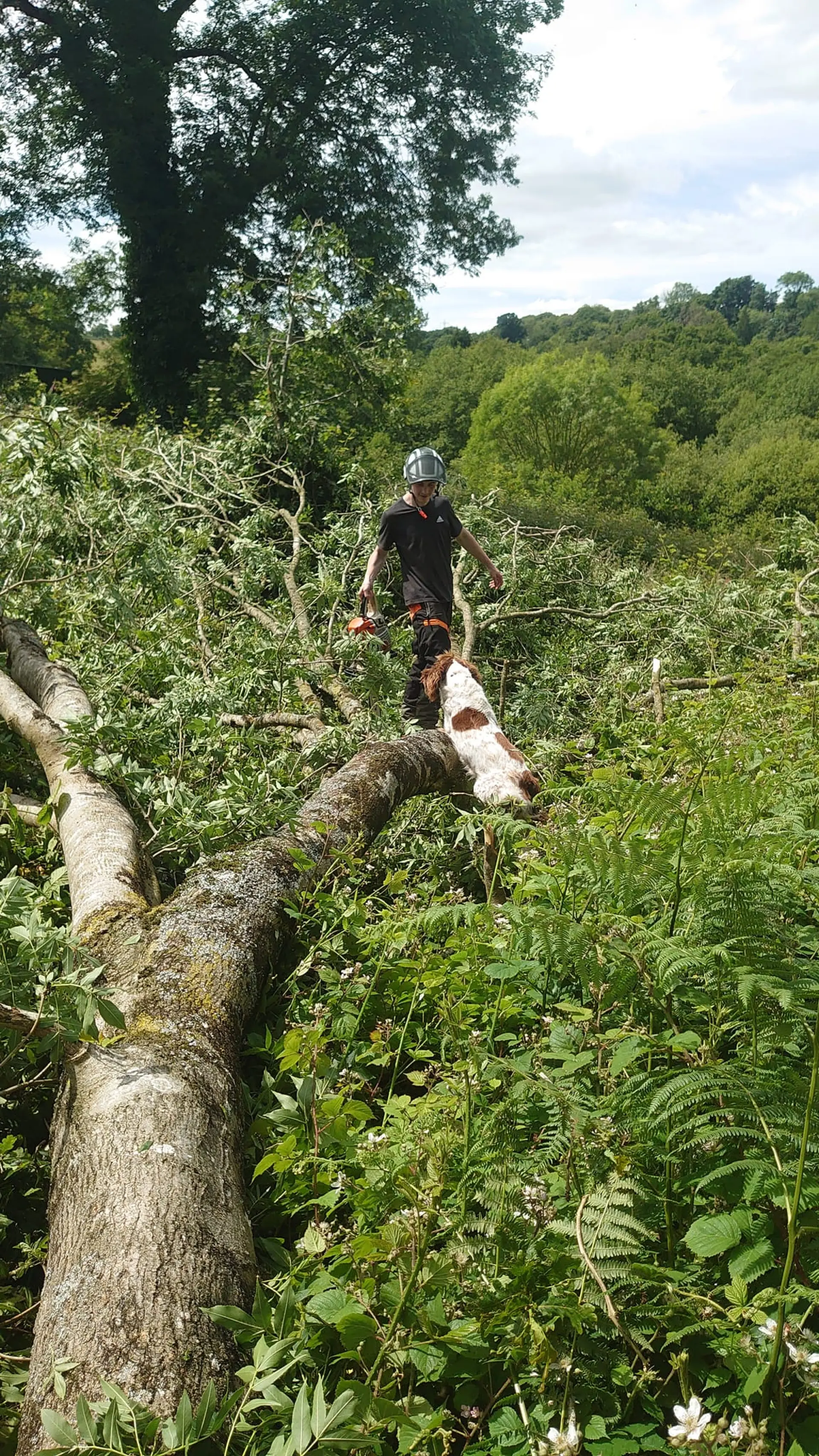
Woodland Management Blackdown Hills
Our woodland management services keep wooded areas healthy and sustainable. We plan planting, pruning and thinning around clear goals, balancing timber production, access and conservation while protecting local habitats, soil and water for future generations.
Woodland ManagementLow Impact Forestry Frequently Asked Questions
What does low impact forestry mean for woodland owners?
People looking for low impact forestry services usually want forestry work that protects the ground as well as the trees. Low impact forestry focuses on careful planning, suitable machinery and controlled extraction.
It is especially useful where heavy machinery could leave ruts, compact soil or disturb wildlife. The aim is to use the most efficient extraction methods without causing significant damage.
That can include smaller equipment, a compact forwarder and routes chosen to protect the forest floor. Low impact forestry style work can therefore help woodland owners manage timber while keeping the wider site in good condition.
How do you extract timber with low impact methods?
To extract timber, we assess the size of the logs, access, slope and ground strength before choosing machinery. Efficient extraction methods may include a forwarder with good manoeuvrability, smaller equipment or staged loads.
A forwarder can carry timber away from the felling area while reducing repeated travel over sensitive ground. Low impact forestry methods are designed to minimise damage and soil compaction, while still giving the business a practical way to move product to the market. The right extraction method also protects the remaining tree stock and helps preserve the immediate value of standing timber.
Why can smaller forestry machinery create less damage?
Smaller machinery can offer greater versatility in tight woodland and around sensitive areas. This can make low impact forestry practical where heavy machinery use may lead to deeper rutting or significant damage. Low impact forestry work uses equipment that suits the terrain, the volume of timber and the route available.
Good planning also means machines can carry useful loads without repeatedly crossing the same ground. This reduces impact on roots and soils and helps minimise disruption to wildlife. In many forests, these methods provide a balanced way to complete forestry services while keeping the site usable after work finishes.
Can low impact forestry be used for first thinnings?
Yes. First thinnings are a common part of low impact forestry because they create space for stronger trees and can improve woodland management. Low impact forestry methods can remove selected trees while protecting the remaining tree stock.
The work may involve felling, processing and extracting logs with a small forwarder or other suitable machinery. Careful route planning helps reduce ecological impact and protects the forest floor. It can also create a useful timber product for the market while improving access for future management. The exact method depends on tree size, terrain and the amount of timber to be removed.
Do you provide low impact forestry services in Dorset And Surrounding Areas?
Our low impact forestry services can be provided for sites in Exmouth, Honiton, Sidmouth, Dorset and the surrounding areas. If you are managing forests or woodland in Dorset or surrounding areas, contact Blackdown Treescapes by email with the site location, access details and the services you need.
Low impact forestry enquiries can cover thinning, felling, extraction, logs and wider forestry management. We can then provide information about the range of work available, the equipment we may use and the best way to minimise impact on the site.
What other things should be considered before forestry work starts?
Other things include access width, overhead limits, soft ground, wildlife, boundaries, nearby buildings and where timber will be stacked. Low impact forestry planning also considers how machinery will enter and leave, where logs can be processed and whether the site can safely house equipment during operations.
These checks are essential because they help the team choose efficient extraction methods and prevent avoidable damage. They also help us utilise the available space well, create safer routes and plan how to carry timber from the working area. This level of planning supports low impact forestry and good woodland management.
How can I learn more or request a quote?
To learn more about low impact forestry services, contact Blackdown Treescapes through the website or email us with information about your trees, site and required work. Tell us whether you need thinning, felling, extraction, logs or wider forestry management.
For enquiries, include the location and access details so we can check what services may be practical.
We can explain the range of options, how we utilise suitable machinery and equipment, and how low impact methods can protect the site.
This gives you clear information before deciding how and when to proceed. Good planning can lead to safer forestry work and can lead to better long-term management. Over many years, careful low impact forestry services can offer a practical approach that leaves access clearer for later years.
Blackdown Treescapes delivers low impact forestry in Exmouth, Honiton and Sidmouth. Our forestry services include thinning, felling, coppicing, timber extraction, logs, brash clearance and path creation. We use low impact methods, suitable machinery and careful woodland management to minimise damage, protect wildlife and support healthy forests. Contact us by email for clear information and a quote.

Blackdown Treescapes offers forestry services for domestic and commercial customers. Contact our team for tree work, woodland management and low impact forestry across these areas in and near Dorset.
© 2026 Blackdown Treescapes. All rights reserved.