

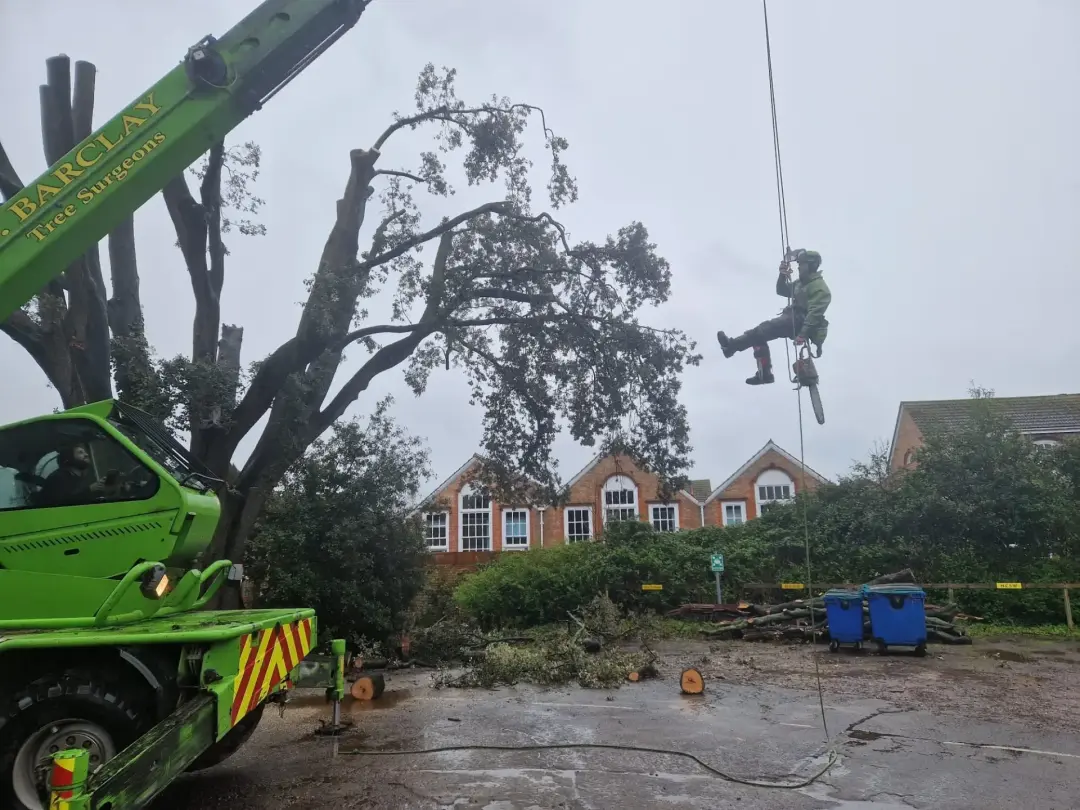
When Crown Reduction Is Appropriate
Crown reduction can help when a tree has outgrown its garden space, branches approach buildings, or storm damage has affected its crown. Professional tree pruning can also allow more light into your garden.
An experienced tree surgeon considers each mature tree individually, retaining its natural shape wherever practical.
Our tree surgery team selects suitable growth points to reduce weight and spread. Carefully planned cuts preserve the natural outline, helping homeowners achieve a smaller tree without unnecessary stress or heavy thinning.
Specialist crown reduction and pollarding expertise
Crown Reduction and Pollarding Services Dorset
Our fully insured team provides crown reduction and pollarding services, using climbing equipment or powered access where needed. We carry out tree surgery with care, selecting branches to cut while preserving the tree’s natural form and remaining framework.
Cut wood is processed and removed as agreed. We aim to leave your garden tidy, with the site left clean and guidance on ongoing maintenance and future tree care.
Crown reduction for appropriate size
The extent of crown reduction depends on tree condition, species and objectives. We describe the intended overall height and spread.
Selected branches are shortened to suitable laterals, preserving crown balance. Each cut should avoid unnecessary large wounds, helping maintain a sound framework and healthy new growth.
Crown reshaping and balancing
Uneven growth can place extra weight on particular branches. Our tree surgeon considers the tree’s structure before choosing pruning points that reduce loading while preserving its natural outline.
The result should suit the tree and garden, rather than create a rigid shape that requires excessive trimming.
Targeted reduction away from buildings and power lines
Branches near buildings may need selective pruning to create clearance. Overhead services need specialist precautions and coordination with the network operator before any tree surgery is started nearby.
We explain the clearance required and avoid harsh topping, helping protect buildings while keeping the tree managed.
Storm damage crown reduction
Damaged branches and fractured wood require professional assessment before tree surgery can make the area safe.
We identify what needs to be removed and whether treatment is needed. Work near roads or buildings requires controls, with access managed to reduce risk to people nearby.
More light for your garden
Careful crown reduction can decrease shade and improve light penetration where an overgrown canopy limits garden use.
We consider crown thinning or crown lifting when these better meet your needs. The aim is light and space while retaining foliage, habitat and an attractive tree for your garden.
Follow-up pruning and regrowth management
New shoots need monitoring after pruning, particularly where vigorous regrowth could increase weight on weakened branches.
Our tree services include follow-up inspections and pruning where needed. A maintenance plan helps maintain clearance, control size and identify changing tree condition before work becomes necessary.
Advanced tree bracing to safeguard people and property
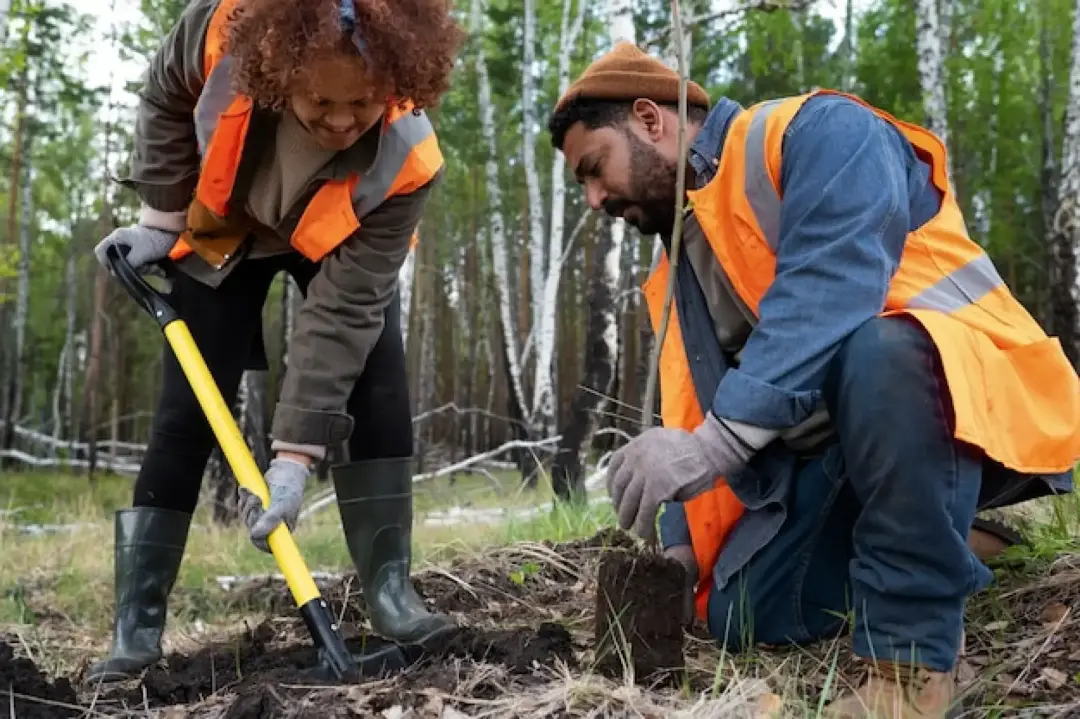
Regrowth Management & Follow-Up Pruning Cycles
A pollard needs a planned pruning cycle. Shoots grow from established points, and neglected regrowth can become heavy, increasing the load on older branches.
Our arborists recommend timing that suits the species, condition and previous work. An annual check may be useful, but pruning intervals depend on how the tree grows.
We explain what long term maintenance is needed to maintain an appropriate size. A managed tree may need selective follow-up pruning, with unnecessary cuts avoided. We can discuss mulching and watering where appropriate, helping support recovery and healthier growth over time.
Crown Reduction and Pollarding Near Me
Our crown reduction and pollarding services help manage the size and shape of trees, making them more suitable for their surroundings.
Crown reduction carefully shortens selected branches while retaining the tree’s natural form, while pollarding creates a controlled framework that requires regular maintenance. We assess each tree’s species, condition and location to recommend the right approach for your garden or property.
Contact Our Crown Reduction Tree Surgeon
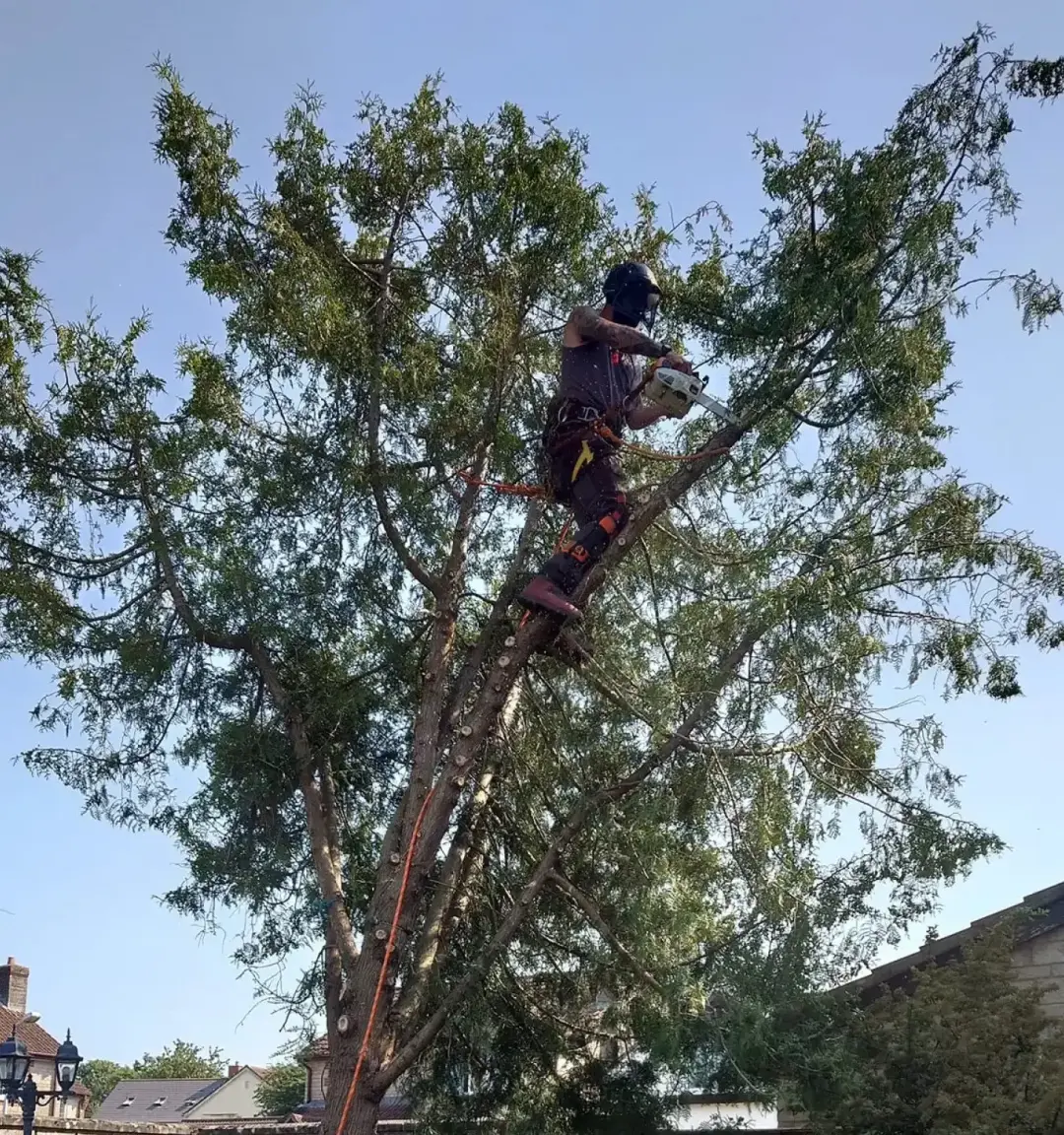
Crown Reduction Blackdown Hills
Our crown reduction services reduce tree size while respecting its character. We plan each cut to preserve branches, improve balance and leave a smaller crown that fits your outdoor space.
Crown Reduction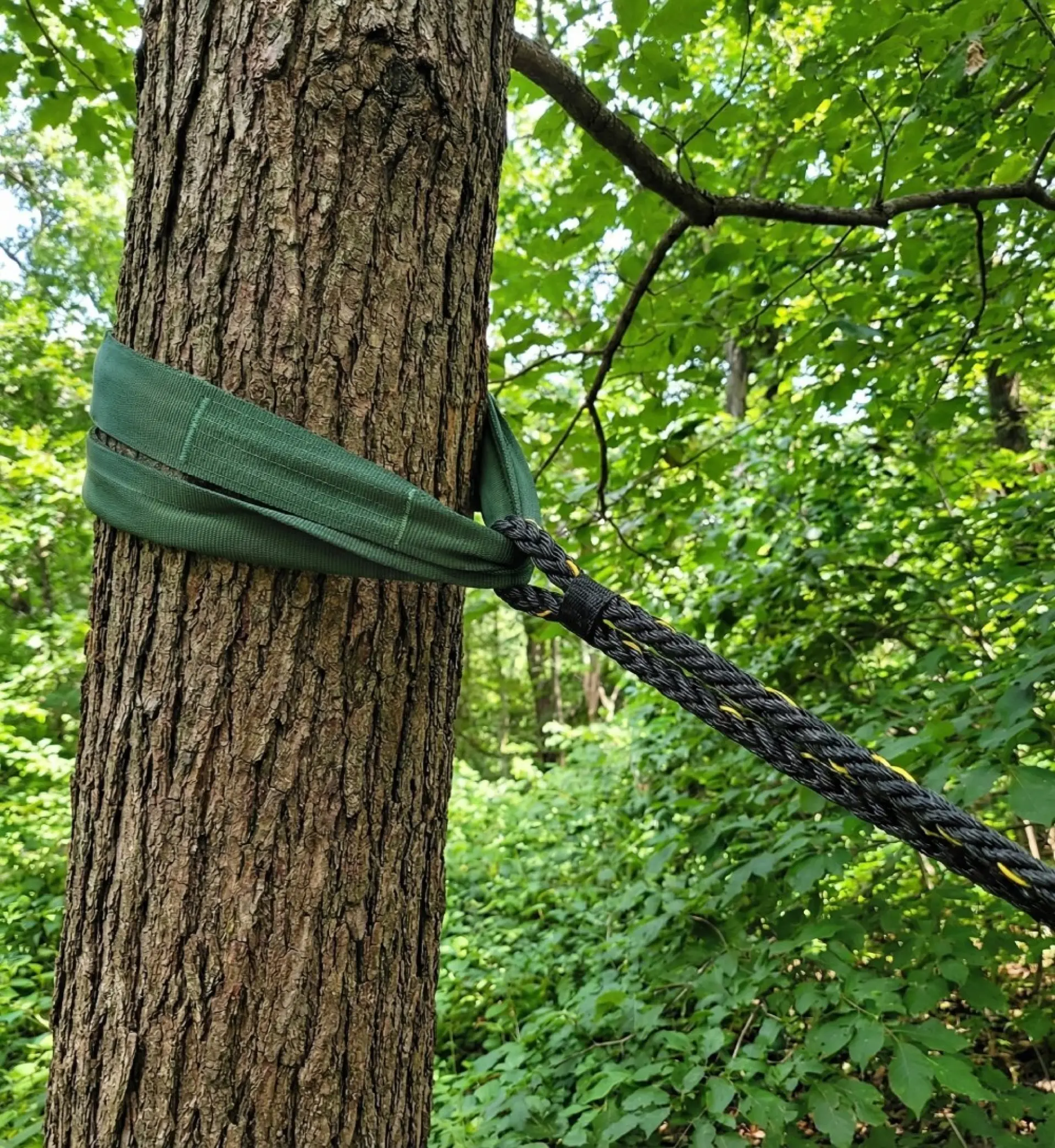
Tree Bracing Blackdown Hills
Tree bracing services may support vulnerable unions where an assessment identifies suitable options. We explain the benefits and limitations, helping you consider tree retention alongside pruning or removal when needed.
Tree Bracing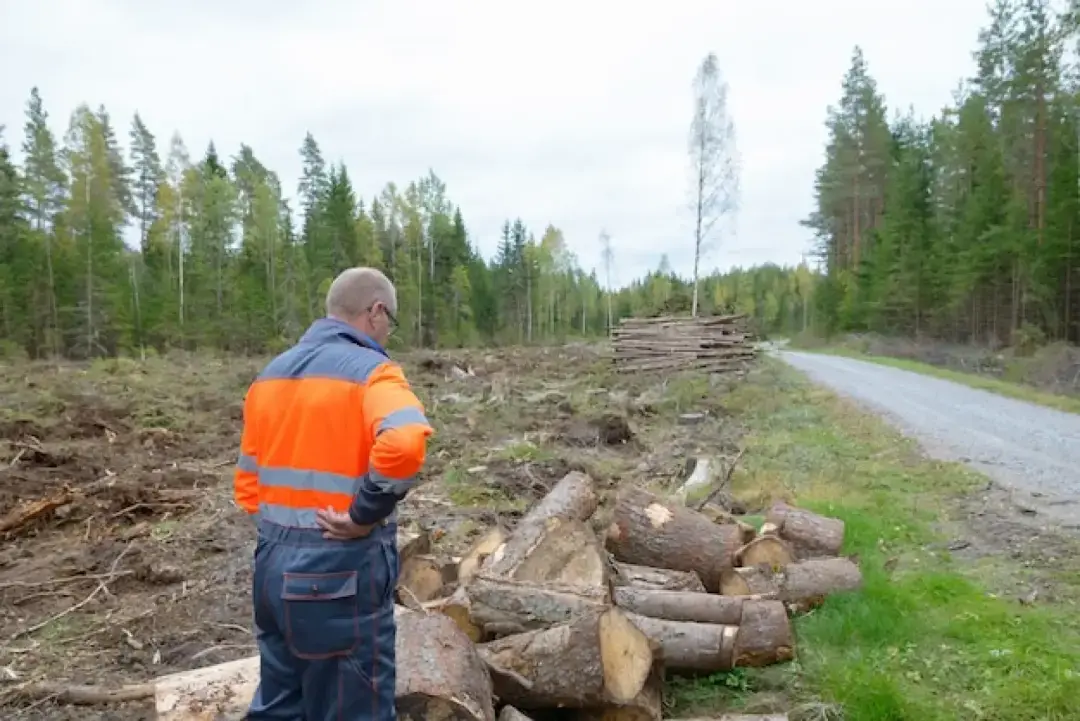
Low Impact Forestry Blackdown Hills
Our forestry services combine selective tree felling with sensitive woodland management. We use equipment and hand tools to minimise disturbance, protecting habitats while helping manage woodland access and future regeneration.
Low Impact ForestryFor crown reduction in Wellington, our services cover assessment, pruning and follow-up care. We offer practical options for a tree near buildings, an established pollard or a canopy needing attention. Contact our experts today to discuss the work required, arrange a quote and prepare a long term plan for your garden tree.
Frequently Asked Questions
Should I reduce my tree or establish a pollard?
Choosing the right method is crucial to a lasting result. The decision starts with the reason for the work. Crown reduction may suit a tree that needs modest shortening while keeping its character. A pollard needs a continuing management system, so it is important to consider future visits before committing. Limited space alone does not make every tree suitable. An experienced arborist can explain the difference between these options and whether either is acceptable for your tree. Understanding the likely response helps you avoid paying for a short-term change that creates more work later.
What are pollard heads, and how does a pollard develop?
Pollard heads are the swollen knuckles that form around recurring pruning points. A pollard retains a trunk and supporting framework; new shoots develop above it and can produce a dense head of leaves. The heads should not simply be cut away during routine maintenance. An established pollard therefore needs different handling from a tree being reduced for the first time. We assess its history before deciding where branches can be removed, promoting a considered process rather than cutting every branch to the same length.
Can an old pollard be brought back under control?
A neglected pollard needs individual advice based on its condition and type. If maintenance has lapsed for decades, large limbs may have developed around old heads, and removing everything at once may be unsuitable. London plane is one species that can tolerate pollarding, but the name alone does not establish whether a particular tree will respond well. We examine the old pollard, its attachments and previous cuts before discussing a staged option or another course of action. The lifespan of a tree cannot be guaranteed by a single pruning operation.
When is the right time to pollard or reduce a tree?
Pruning timing depends on the species, its condition and the work proposed. There is no single best day of the year for every tree, and cutting every year is not always necessary. Some fruit trees need summer pruning to limit susceptibility to disease; other species have different seasonal requirements. A pollard may need frequent visits, while crown reduction may involve a longer interval. The timing of each return should follow an agreed cycle and inspection findings. Weather and wildlife also matter, so an appointment may need changing even when equipment and access are ready.
Do protected trees need permission before pruning?
Check tree preservation status before work begins. A tree covered by a tree preservation order normally needs written consent from the local planning authority before pruning, unless a specific exception applies. For qualifying trees in a conservation area, six weeks’ notice is generally needed instead; the authority may then protect the tree with an order. A previously pruned or protected pollard is not automatically exempt. Ensure the proposed operations are described clearly and find out what is allowed before arranging the work. GOV.UK provides further guidance on protected trees.
Will pruning make my tree safe in strong wind?
Appropriate pruning can reduce loading and associated risk, but no person can promise that a living tree will never fail in wind. Safety depends on roots, branch unions, defects and exposure as well as the crown. A smaller tree can still carry significant defects. Your arborist should explain any limitations and whether monitoring, bracing or tree felling needs consideration. An urgent concern is a matter for direct assessment, particularly beside a roadside boundary or occupied home. Keep clear of hanging branches and seek advice before entering the affected area.
What should good tree pruning leave behind?
The finished tree should look balanced and reflect the agreed specification and its nature. A common mistake is to focus only on how much material can be removed. Pruning correctly means selecting suitable cuts rather than leaving arbitrary stubs or stripping out healthy growth. Removing too much can lead to unwanted regrowth, so more cutting does not necessarily produce a better outcome. We explain the intended appearance before starting, promoting realistic expectations about recovery. If you are unsure about technical terms, ask for them to be explained in plain language. Industry knowledge is most useful when it helps you understand what will actually change.
Are removal and stump services included in crown reduction?
Crown reduction retains the tree, so removing the whole tree or its stump is a separate job. Our range of services includes tree removal, and we can discuss stump options if retention is unsuitable. The quote should state what material will be removed, what you want kept and which operations are included. These details ensure that you can compare proposals effectively. A photograph is a great starting point, but access, nearby structures and the amount of material involved may need to be assessed in person.
How do you keep my garden safe and tidy during tree surgery?
Tell us about narrow entrances, shared access and anything fragile beneath the branches. We will agree which items you should move and where our equipment can be located. Clear access helps the process stay efficient, but only move items when it is safe to do so. Keep children and pets away from the working zone. Our professional team will explain how the garden should look when finished. We value polite, clear communication: please comment on access concerns before the visit so we can ensure the arrangements are practical.
How do I request a free quote in Wellington?
We offer a free quote for work in Wellington and the surrounding areas. Fill in our contact form with a short description, your contact number, photographs if available, and your preferred way for us to respond. You can also use the phone number shown on this page. We are happy to discuss the options and offer a range of practical recommendations. There is no need to know specialist terms before getting in touch: peace of mind starts with understanding the proposal. Do not hesitate to ask what is included before you make your decision.
Further reading: RHS pollarding guidance, RHS advice on reducing tree size and GOV.UK guidance on protected trees.

Blackdown Treescapes is happy to work with domestic and commercial customers. You can hire us for crown reductions, tree bracing, and low impact forestry in the following areas.
© 2026 Blackdown Treescapes. All rights reserved.