
Seasonal Forestry Management
- Posted by:
- Admin
- Tags:
- Posted date:
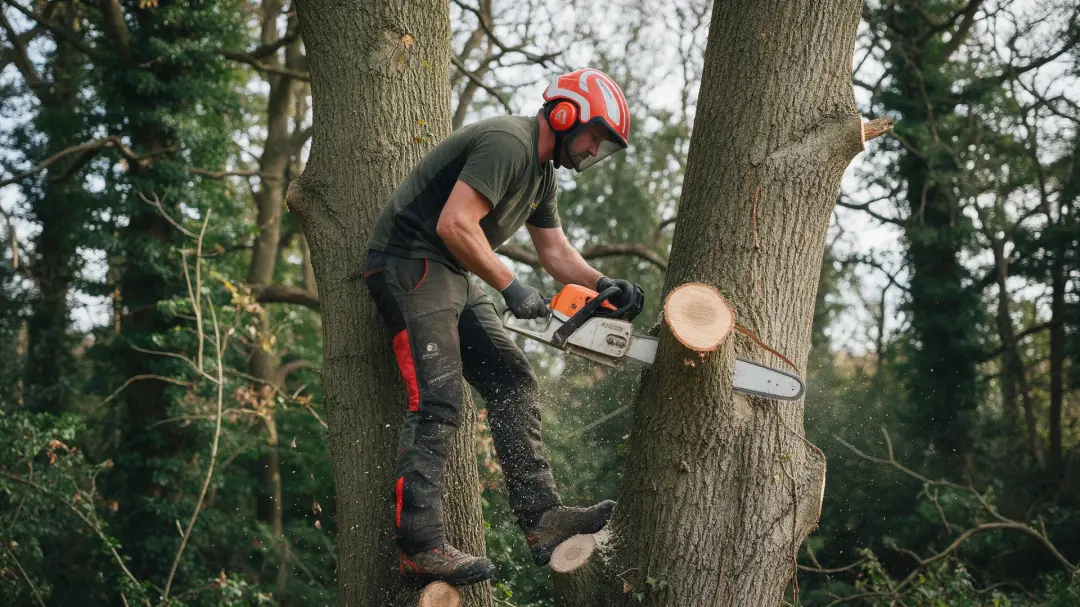
A seasonal forestry programme matches work to ground conditions, tree development, wildlife and operational risk. Winter can suit planting, spring establishment checks, summer canopy surveys and autumn preparation for the next phase. No season automatically provides permission for an operation. Use the calendar to organise resources, then apply surveys, licence conditions and weather checks to decide whether the planned work can proceed. ...
Posted by: Admin on: Read More
Managing Invasive Species in Woodlands
- Posted by:
- Admin
- Tags:
- Posted date:
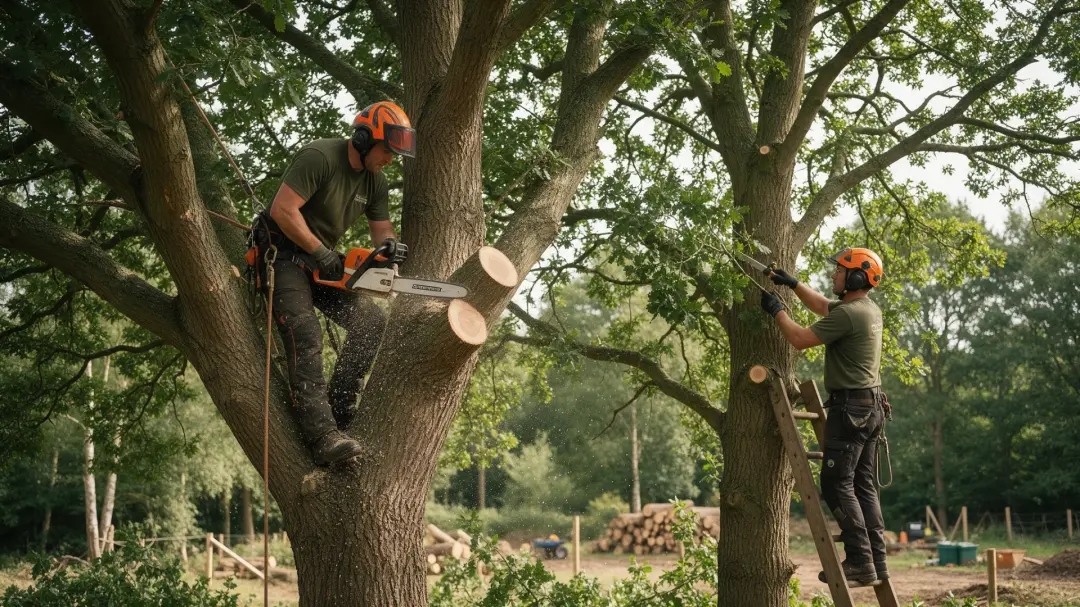
Effective control begins with correct identification, a mapped extent and a plan to prevent spread during treatment. Prioritise new outbreaks and threats to valuable habitat, then budget for follow-up. Cutting a dense patch once may improve access while leaving the infestation intact. Separate invasive non-native plants from native scrub and ordinary competition. A bramble patch can support wildlife; a non-native plant spreading through sensitive...
Posted by: Admin on: Read More
How to Restore Neglected or Overgrown Woodland
- Posted by:
- Admin
- Tags:
- Posted date:
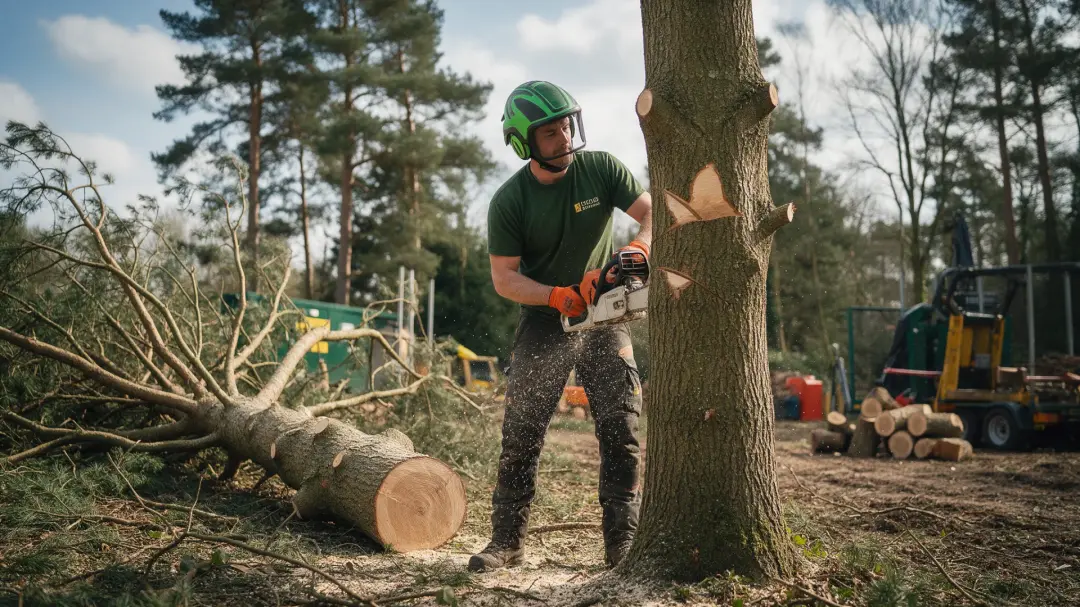
Start restoration with a survey and an objective, then make planned interventions that protect existing habitat and encourage the next generation of trees. Dense growth, fallen wood and an untidy appearance do not by themselves show that clearing is necessary. Some apparently neglected features are valuable habitat. Decide whether the aim is safe access, stronger regeneration, timber production, restored coppice or native-habitat recovery. These...
Posted by: Admin on: Read More
Can Crown Reduction Help Manage an Overgrown Tree
- Posted by:
- Admin
- Tags:
- Posted date:
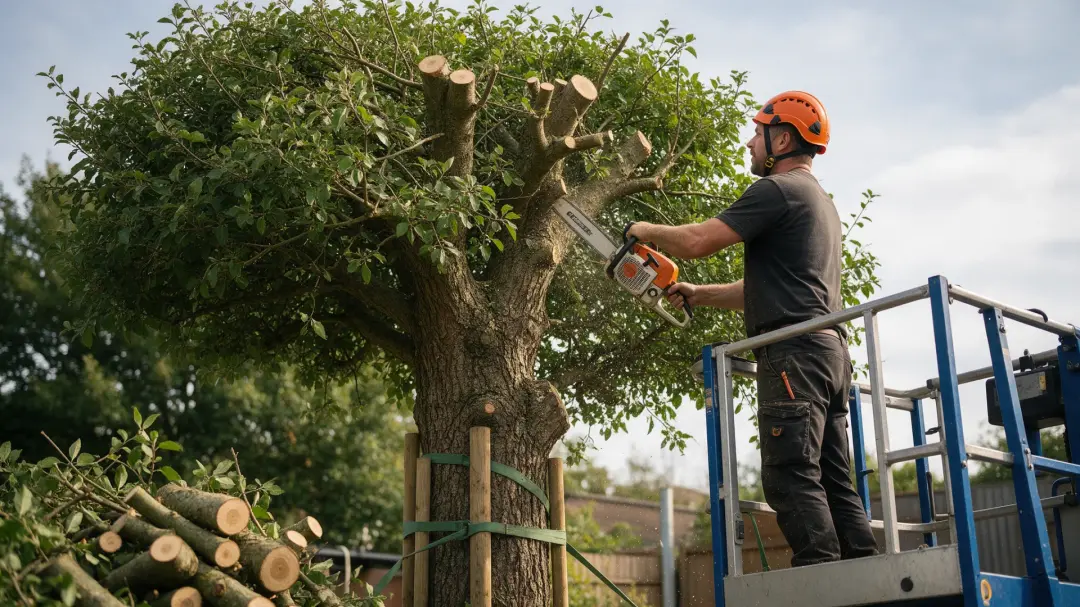
Yes, crown reduction can help where a suitable tree needs a smaller height or spread while retaining a viable, naturally shaped crown. It shortens selected branches to appropriate growth points. The decision depends on condition and the actual conflict, rather than size alone. A large tree is not automatically unsafe. Define what overgrown means: roof contact, low branches and unwanted shade are different problems and may need different operations...
Posted by: Admin on: Read More
How Often Should Pollarded Trees Be Pruned
- Posted by:
- Admin
- Tags:
- Posted date:
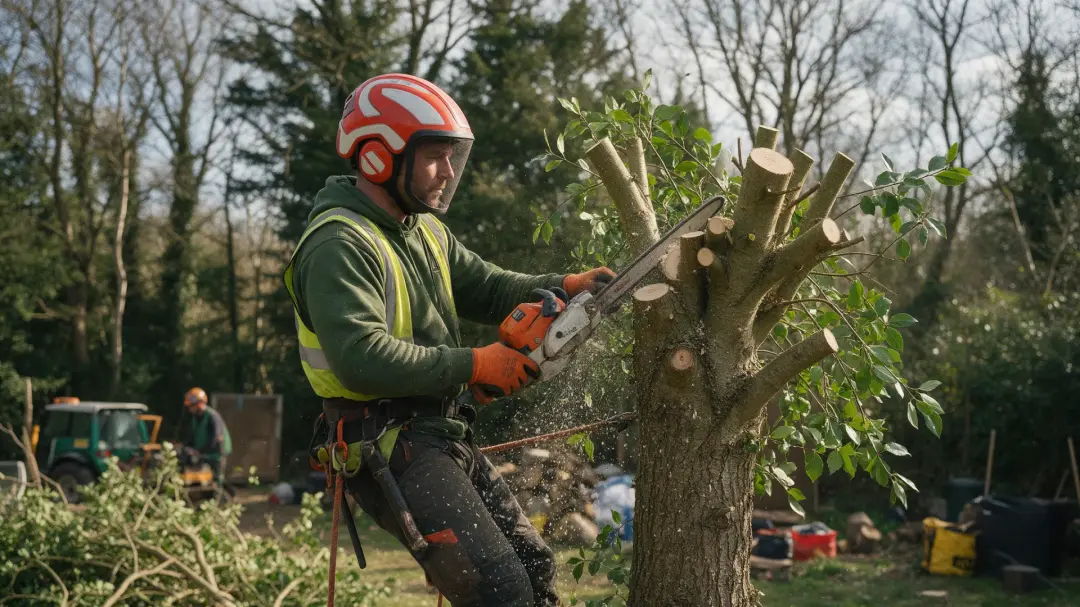
Pollarded trees need a recorded pruning cycle, often annual but sometimes extending over several years. Base the next visit on the established regime and the condition of the regrowth. There is no universal rule that every pollard can be left for the same period. The practical task is to turn an assessment into a maintenance plan: record the work, set a review date and define what should prompt an earlier visit. Enfield Council's...
Posted by: Admin on: Read More
Which Trees Are Suitable for Pollarding
- Posted by:
- Admin
- Tags:
- Posted date:
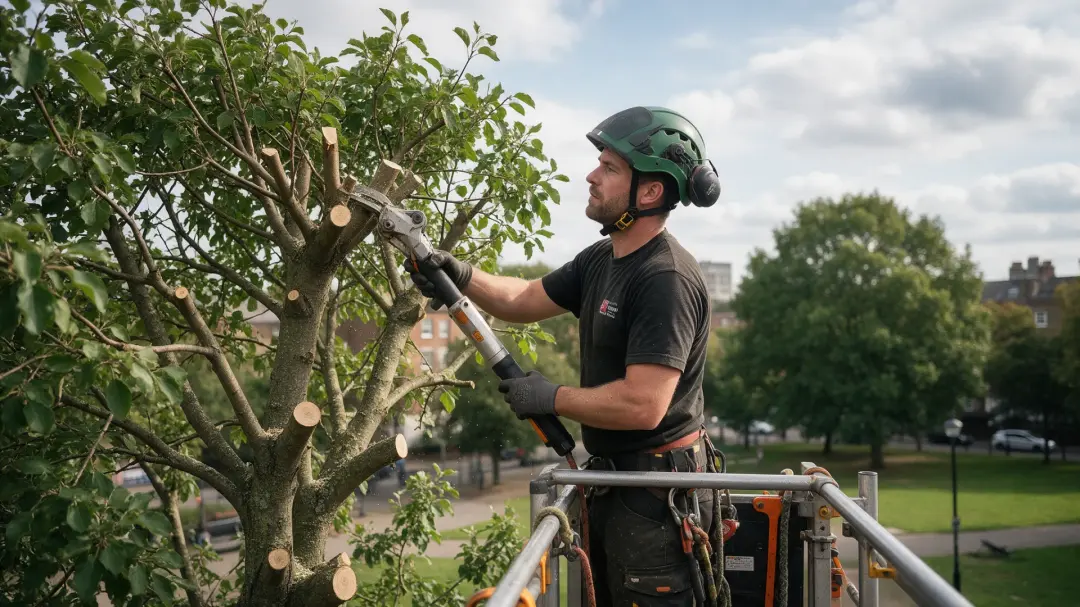
Common lime and London plane are familiar pollarding candidates, but identifying the species is only the beginning. A healthy tree with an established pollard framework is different from a mature tree that has never been managed that way. Condition, pruning history and commitment to future maintenance all affect suitability. Pollarding maintains a framework with shoots growing from defined heads. Removing the top of an unsuitable tree does not...
Posted by: Admin on: Read More
What Happens to the Wood After a Tree Is Removed
- Posted by:
- Admin
- Tags:
- Posted date:
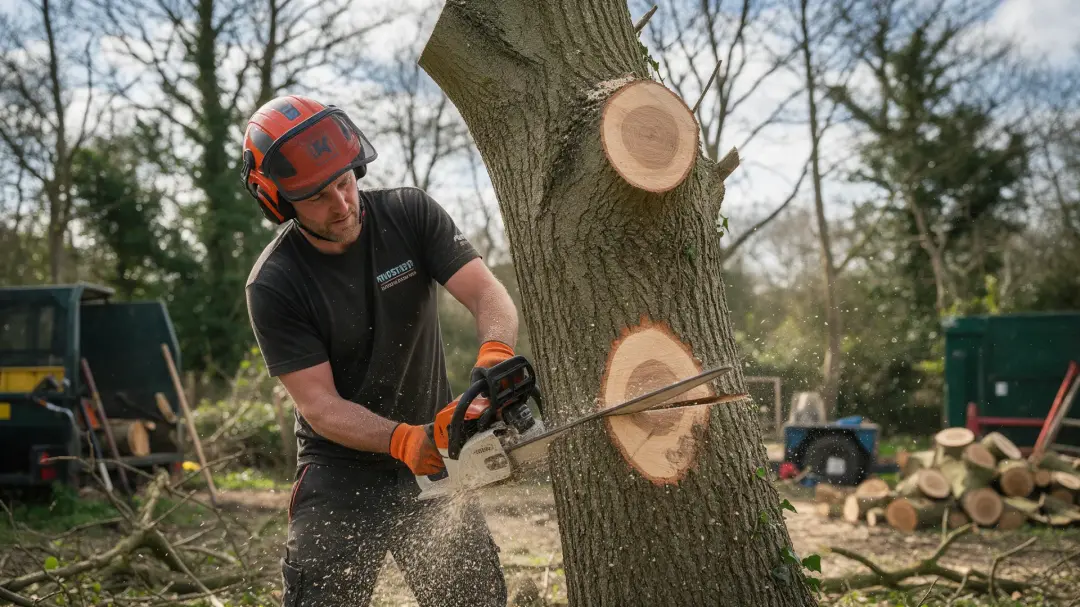
A removed tree is usually separated into trunk lengths, smaller branches and leafy material. Sound stem wood may be milled or processed into logs, smaller branches can be chipped, and suitable pieces can remain as wildlife habitat. The destination depends on condition, access and the agreement in your quotation. Tell the contractor what you want before cutting starts. A trunk intended for boards needs different cutting and handling from material...
Posted by: Admin on: Read More
Removing a Tree Near Power Lines
- Posted by:
- Admin
- Tags:
- Posted date:
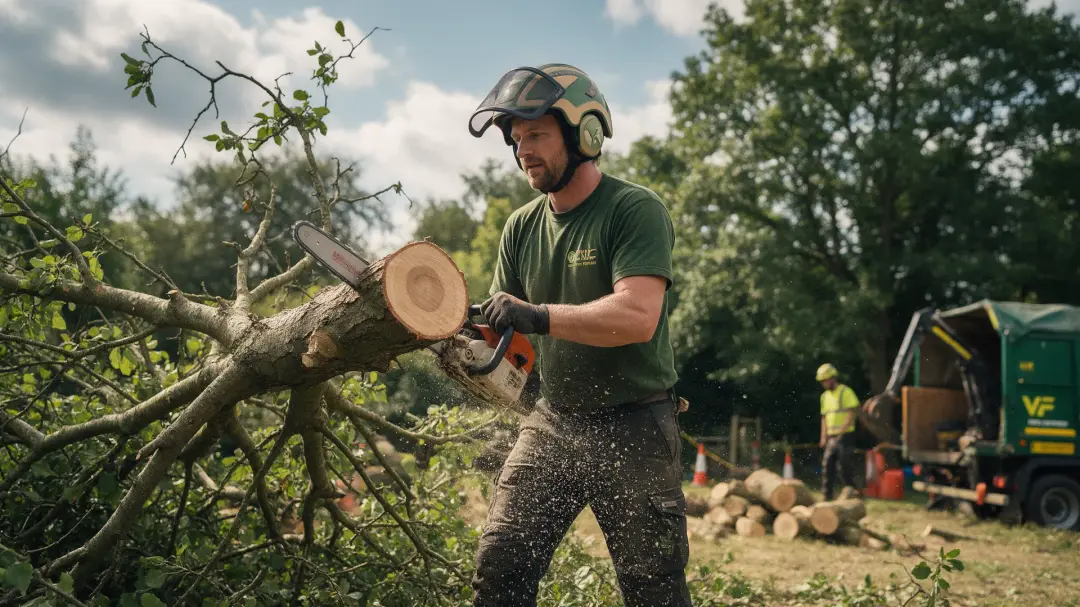
A tree near power lines must be assessed with the electricity network operator before removal begins. Do not cut, climb or pull branches away from wires yourself. Falling branches, equipment and electricity arcing across a gap can all create danger; direct contact is not required for a serious injury. If a tree is touching damaged or fallen wires, keep people away and call 105. Call 999 when there is immediate danger to life. Electrical safety...
Posted by: Admin on: Read More
Choosing a Replacement Tree After Removal
- Posted by:
- Admin
- Tags:
- Posted date:
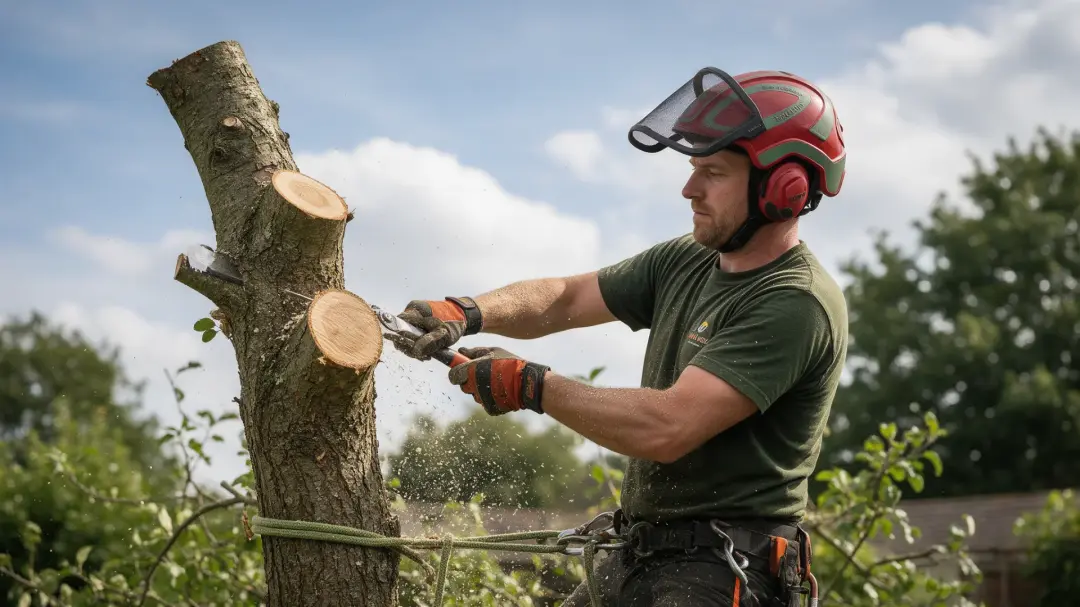
The best replacement tree is one that can reach its mature size in the available space and thrive in the soil left behind. Start with why the previous tree was removed: disease, damage and a tree that outgrew its position each require a different decision. Choosing another young specimen of an unsuitable species only postpones the original problem. Plan the replacement before removal where possible. That lets you agree access, stump treatment and...
Posted by: Admin on: Read More
What Are the Major Problems Facing Forestry
- Posted by:
- Admin
- Tags:
- Posted date:
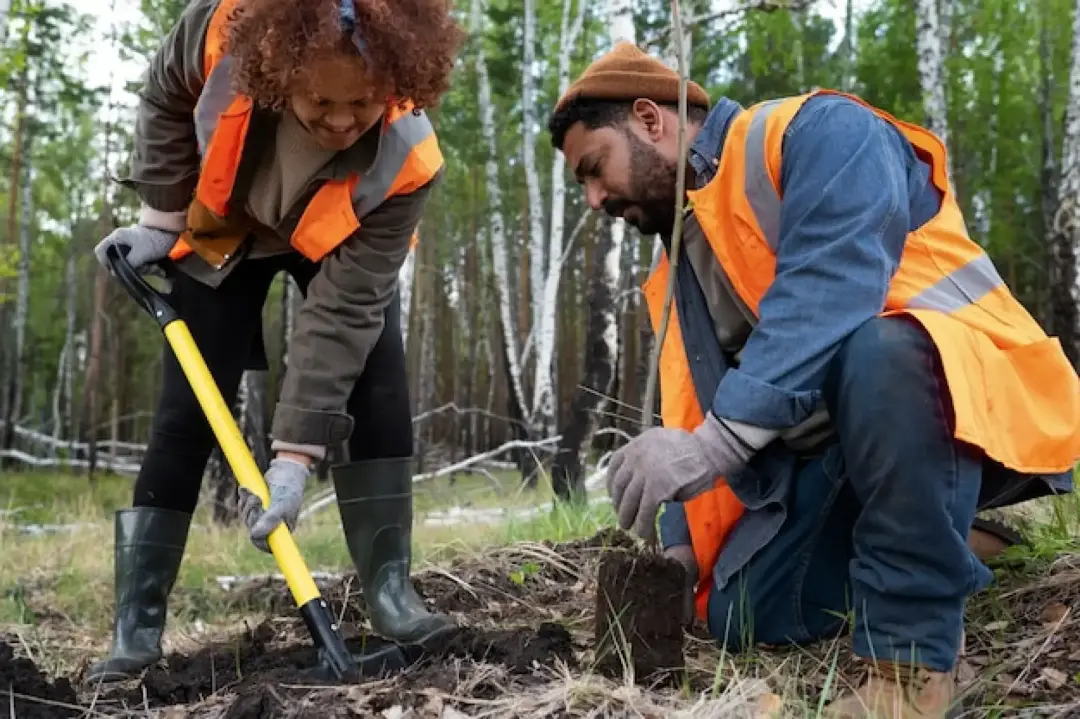
Forestry faces a difficult balance. Forests are expected to provide timber, support wildlife, store carbon, protect soil and water, create jobs and provide places for people to enjoy. At the same time, they are being affected by climate change, disease, fire, land-use pressure and rising costs. The scale of the challenge is significant. The Food and Agriculture Organization of the United Nations estimates that forests cover about 4.14 billion hectares...
Posted by: Admin on: Read More
What Is Low Impact Forestry
- Posted by:
- Admin
- Tags:
- Posted date:
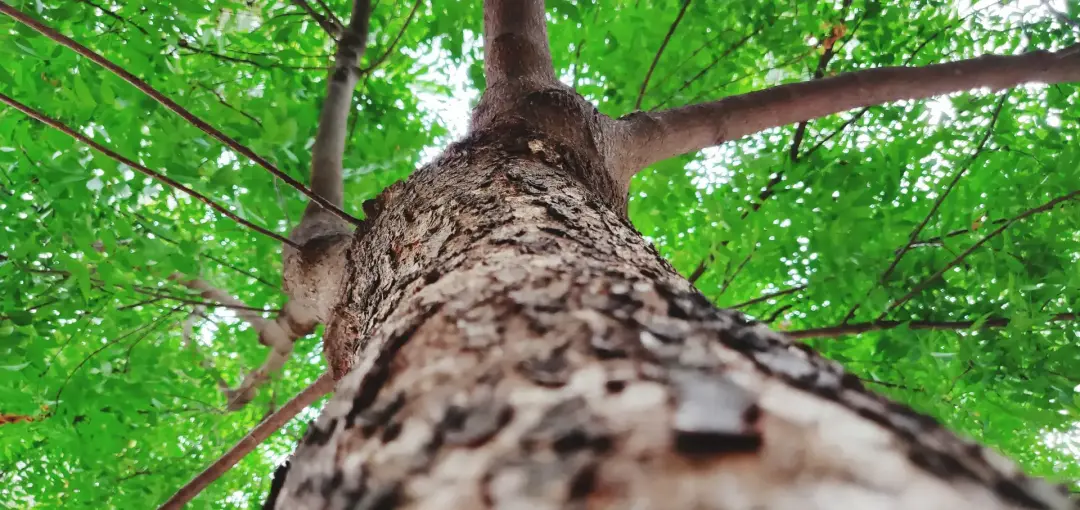
Low impact forestry is an approach to managing woodland while trying to limit harm to trees, soil, wildlife, water and the wider landscape. It allows useful work, including timber harvesting, thinning and woodland improvement, to continue without causing more disturbance than necessary. Rather than treating a woodland simply as a crop of timber, low impact forestry considers the whole forest. This includes mature trees, young growth, soil, plants,...
Posted by: Admin on: Read More
How Does Forestry Impact the Environment
- Posted by:
- Admin
- Tags:
- Posted date:

Forestry has a major influence on the environment because forests affect the climate, wildlife, soil, water and the quality of the air around us. The way forests are planted, managed and harvested can therefore have both positive and negative effects. Well-managed forestry can protect habitats, store carbon, support healthy soils and provide renewable timber. Poorly planned forestry, however, can damage habitats, reduce biodiversity, disturb soils...
Posted by: Admin on: Read More
Which Method Of Timber Harvesting Is The Most Sustainable
- Posted by:
- Admin
- Tags:
- Posted date:
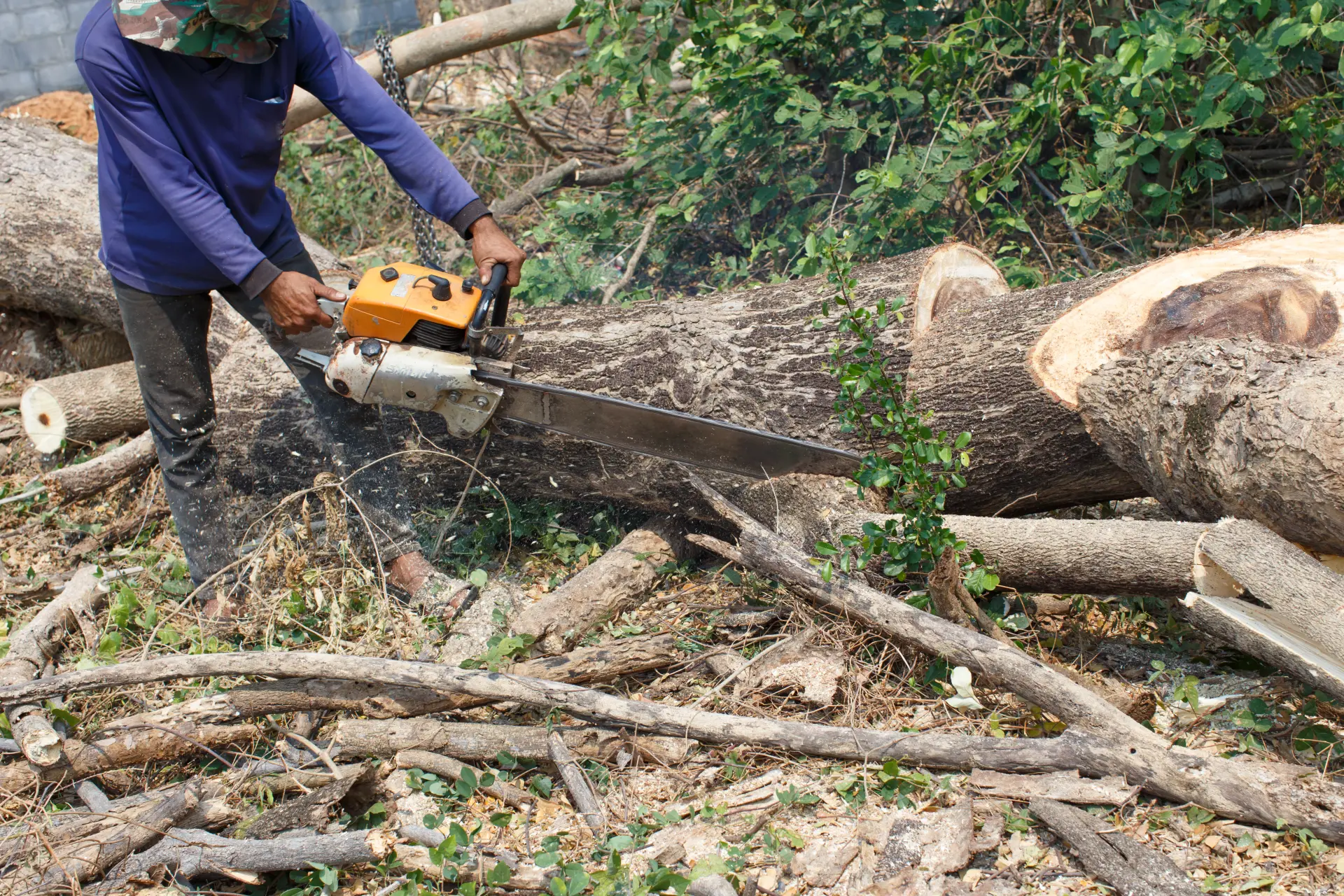
Selective harvesting and continuous cover forestry are often among the most sustainable ways to harvest timber because they allow much of the woodland to remain standing while selected trees are removed. This can protect woodland cover, reduce disturbance and allow the forest to keep providing habitat. However, there is no single harvesting method that is the most sustainable in every woodland. Tree species, soil, slope, wildlife, timber needs and...
Posted by: Admin on: Read More
Can Crown Reduction Make a Tree Safer
- Posted by:
- Admin
- Tags:
- Posted date:
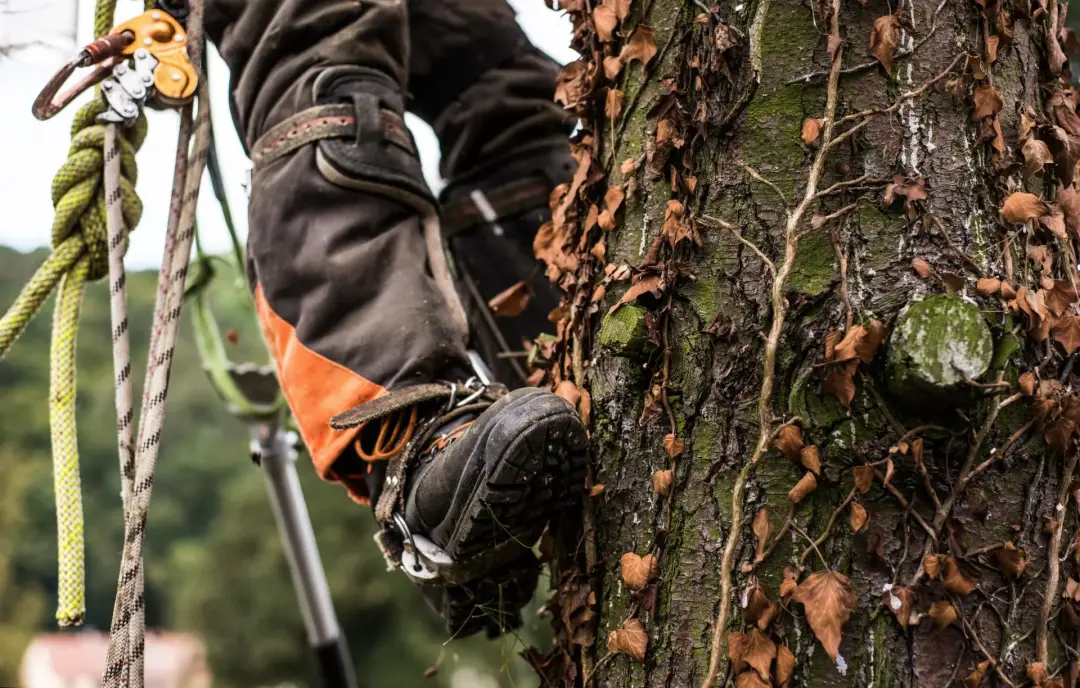
Crown reduction can make some trees safer when it is recommended for the right reason and carried out correctly. The work reduces the height, spread or both parts of a tree's crown. By shortening selected branches, a tree surgeon may be able to reduce weight and mechanical stress on vulnerable parts of the tree. However, crown reduction is not a general solution for every tree that appears large or unsafe. The condition of the trunk, branches, roots...
Posted by: Admin on: Read More
How Often Should Trees Be Pollarded
- Posted by:
- Admin
- Tags:
- Posted date:
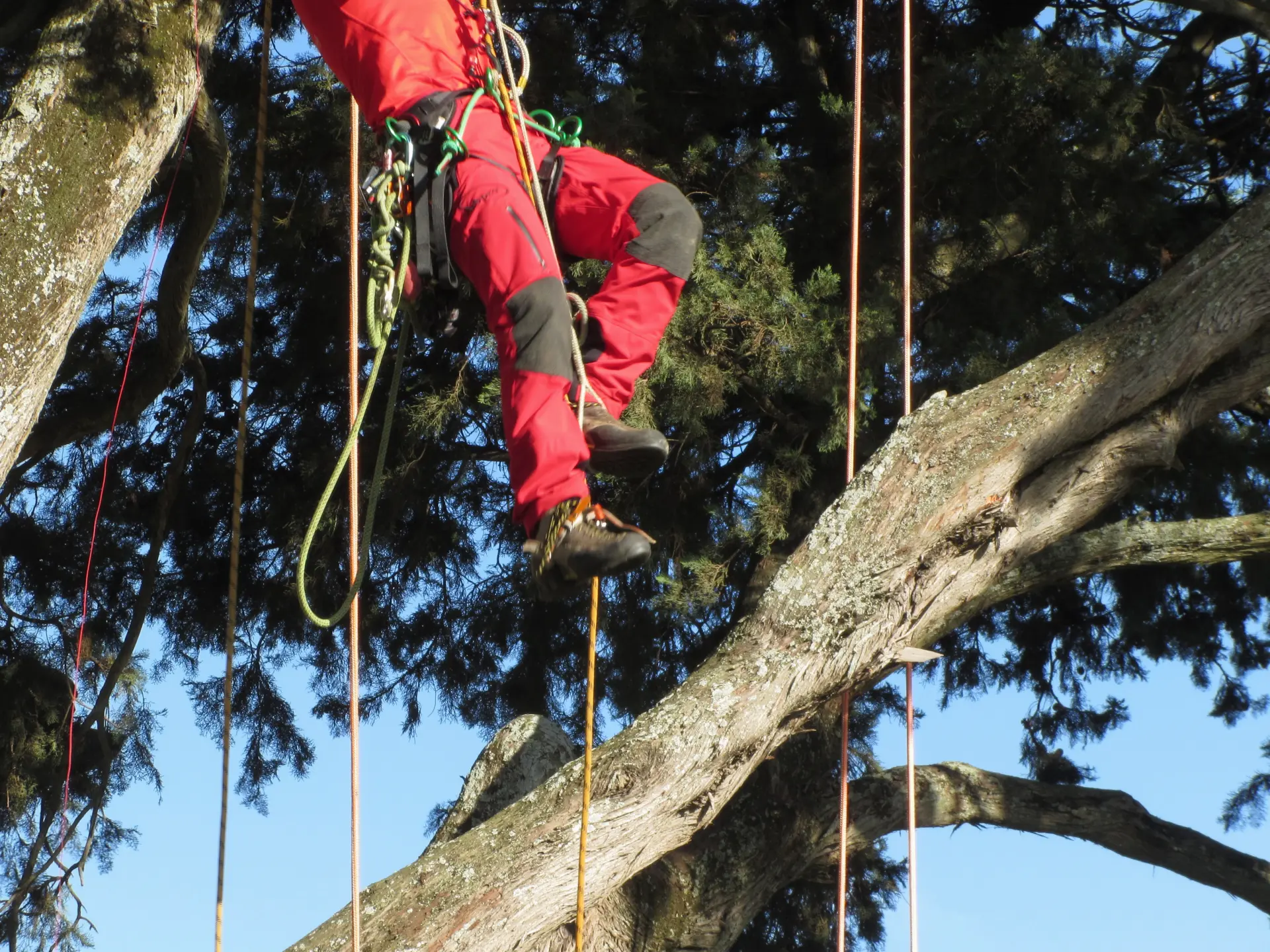
Most trees that are already managed as pollards need regular pruning. An annual cutting cycle is common, although some established pollarded trees may be cut every few years. The correct interval depends on the species, age, growth rate, location and previous management of the tree. The Royal Horticultural Society recommends continuing an annual cycle once a tree or shrub has been pollarded. It also explains that pollarding should generally be carried...
Posted by: Admin on: Read More
What Equipment Is Used for Emergency Tree Removal
- Posted by:
- Admin
- Tags:
- removal,tree,emergency,dismantling,tree surgeon
- Posted date:
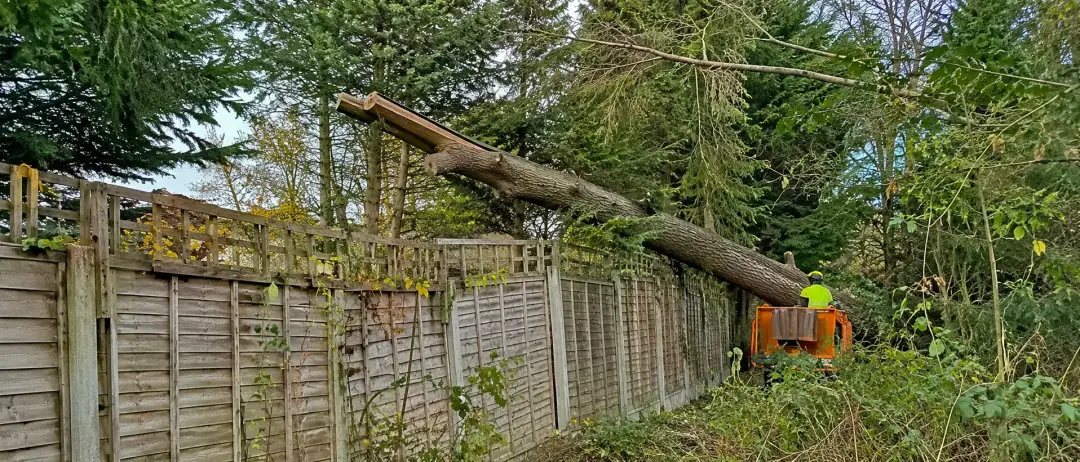
Emergency tree removal can involve unstable trunks, hanging branches, storm damage and trees that have fallen onto buildings, roads or other structures. Specialist equipment is needed because these situations can be unpredictable and may place workers, property and members of the public at risk. Standard gardening tools are rarely suitable for safely dismantling large or damaged trees. Professional tree surgeons use cutting, climbing, rigging,...
Posted by: Admin on: Read More
Signs a Tree May Need Emergency Removal
- Posted by:
- Admin
- Tags:
- tree,emergency,removal,dismantling
- Posted date:
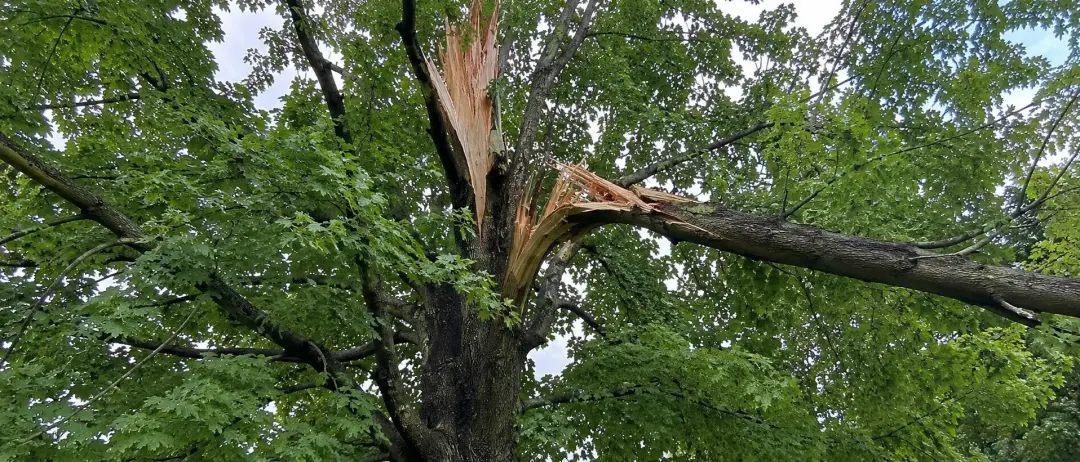
Large cracks in a tree trunk can indicate that the structure is beginning to separate. Cracks may run vertically along the trunk, develop between major stems or appear around old wounds. Some trees can continue growing with minor cracks, but deep or expanding splits require professional assessment. The risk increases when a crack extends through a large part of the trunk or opens when the tree moves in the wind. Water entering the damaged...
Posted by: Admin on: Read More
How Often Should Crown Reduction Be Carried Out
- Posted by:
- Admin
- Tags:
- tree crown,tree pruning,crown reduction,tree surgery,tree inspections
- Posted date:
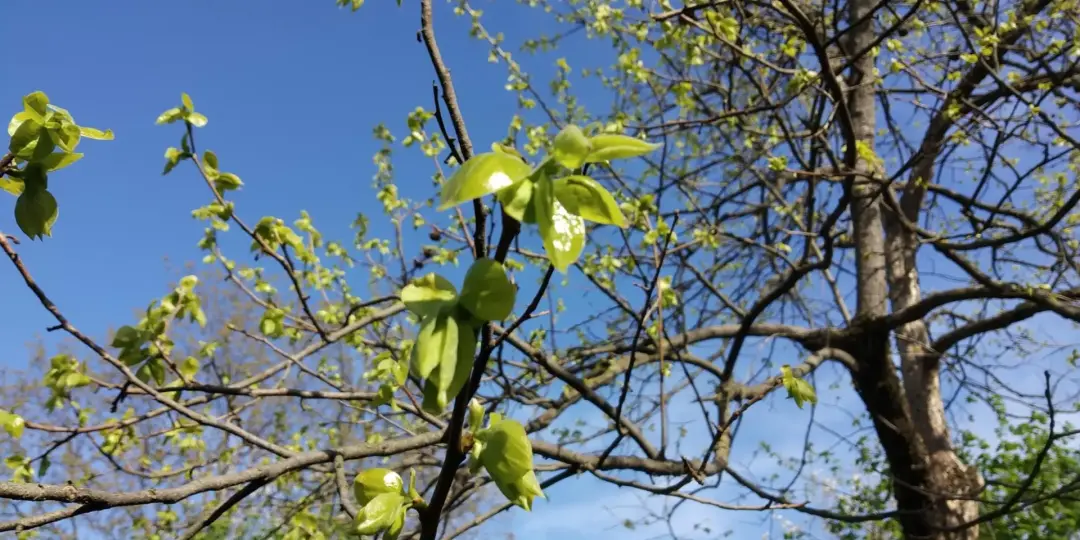
Wondering how often should crown reduction be carried out? Discover expert advice on timing, frequency, and maintaining healthy, well-shaped trees. Crown reduction is a tree care method used to reduce the height and spread of a tree’s canopy. The crown is the upper part of the tree, made up of branches, leaves, and smaller stems. When it becomes too large for its space, careful reduction can help make the tree safer, tidier, and easier...
Posted by: Admin on: Read More
When Does a Tree Need Crown Reduction
- Posted by:
- Admin
- Tags:
- tree crown,crown reduction,tree removal,tree surgeon,tree surgery
- Posted date:
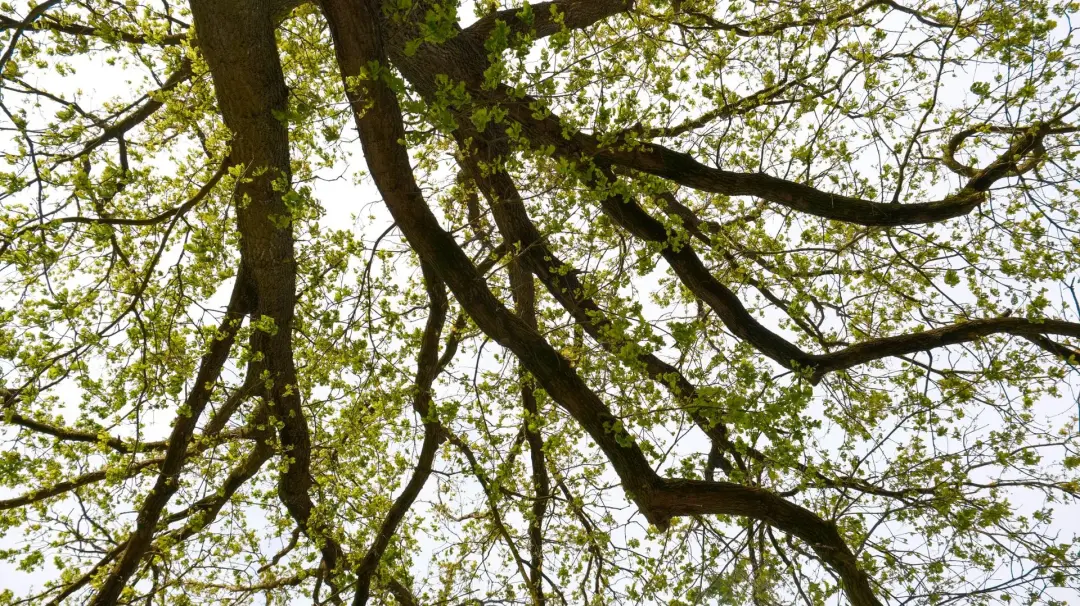
When Does a Tree Need Crown Reduction? Learn to identify overgrown trees and how crown reduction techniques improve safety, appearance, and long-term health. Crown reduction is sometimes needed when a tree has grown beyond the space available to it. As trees mature, their branches can spread over roofs, gardens, paths, roads, and neighbouring land. This does not always mean the tree is unhealthy, but it may need careful management to keep...
Posted by: Admin on: Read More
What Is a Tree Bracing Service and When Is It Needed
- Posted by:
- Admin
- Tags:
- Tree Bracing,Storm Damage,Tree Care,Arborist Advice,Tree Safety
- Posted date:
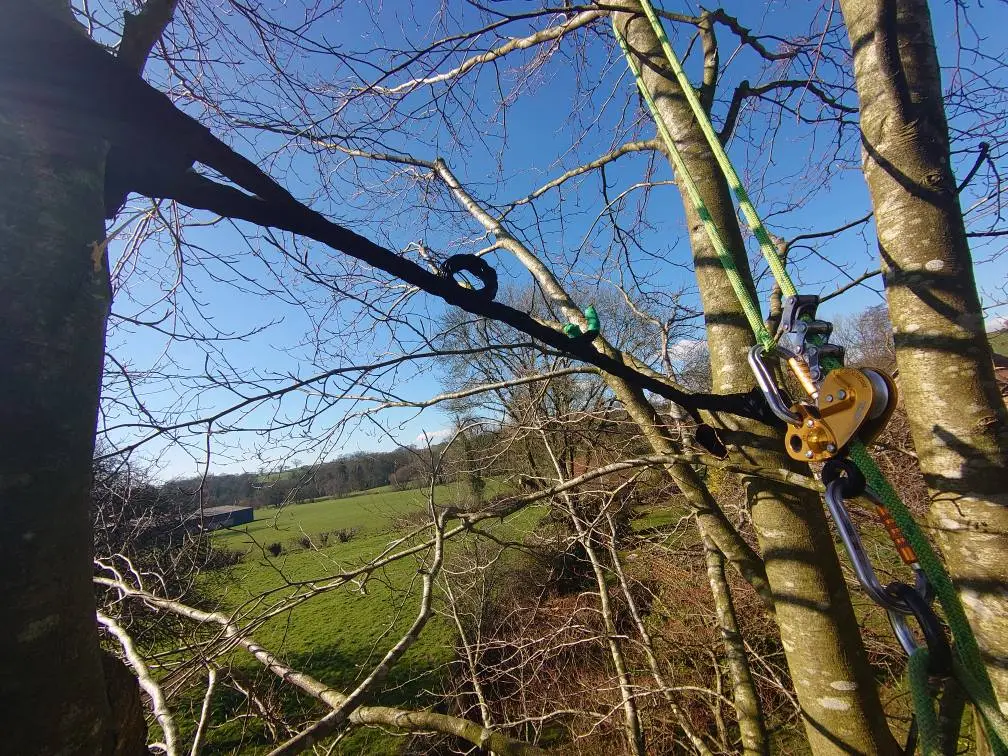
Learn what a tree bracing service is, how it works, and when it may be needed to safely support weak branches, large limbs, or a leaning tree. Tree bracing, tree cabling, and tree bracing can help protect people, property, and the surrounding environment while preserving a valuable tree for longer. Have you noticed visible cracks in a tree's trunk, branches that seem to be pulling away, or heavy limbs that move too much in the wind? These...
Posted by: Admin on: Read More
How Forestry Management Helps Reduce Fire Risk
- Posted by:
- Admin
- Tags:
- forestry, fire, risk, wildfires, woodland, forests, trees, safety, deadwood, firebreaks, habitats, wildlife, climate, drought, landowners, conservation, vegetation, access, planning, prevention
- Posted date:
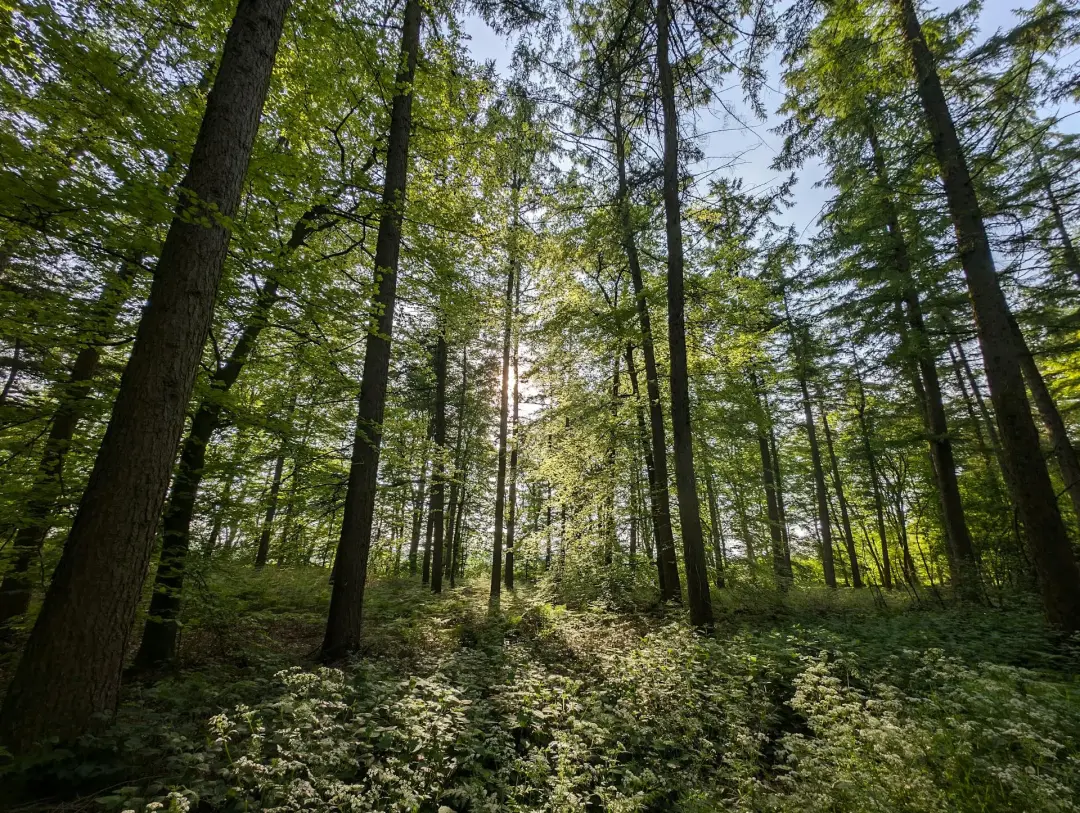
Learn how Forestry Management Helps Reduce Fire Risk with strategic fuel reduction, wildlife-friendly practices, and creating safe access routes to prevent forest fires. Forest fire risk is increasing in many places because the weather patterns are drastically changing. Longer dry periods can leave trees, plants, and forest floors with less moisture. When woodland becomes very dry, fires can start more easily and spread more quickly. Hotter...
Posted by: Admin on: Read More
The Role of Forestry Management in Protecting Wildlife
- Posted by:
- Admin
- Tags:
- forestry, wildlife, forests, woodland, habitats, biodiversity, conservation, trees, nature, ecology, animals, nesting, breeding, deadwood, planting, wildfires, water, pests, landowners, sustainability
- Posted date:
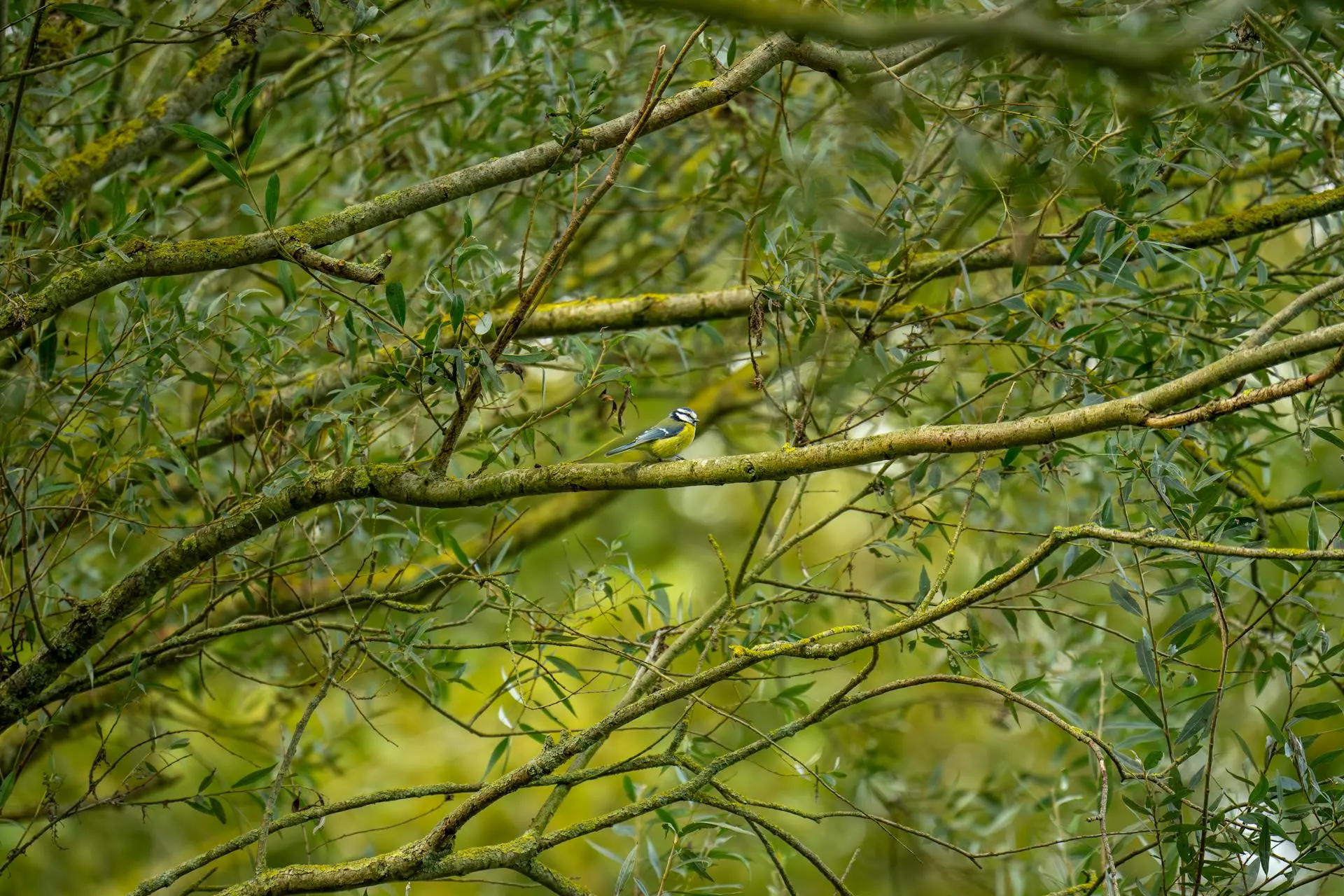
We explore the role of forestry management in protecting wildlife. Ensure forests stay healthy, diverse, and resilient, fostering vital habitats for UK wildlife and supporting long-term conservation. Forestry management is planning how we take care of our local forests, woodlands, and tree-covered land. It is not just about cutting trees or planting brand-new ones. It is about making choices that help forests stay healthy, useful, and safe...
Posted by: Admin on: Read More
Signs Your Tree May Need Bracing Support
- Posted by:
- Admin
- Tags:
- Tree Bracing,Tree Care,Tree Safety,Storm Damage,Tree Maintenance
- Posted date:
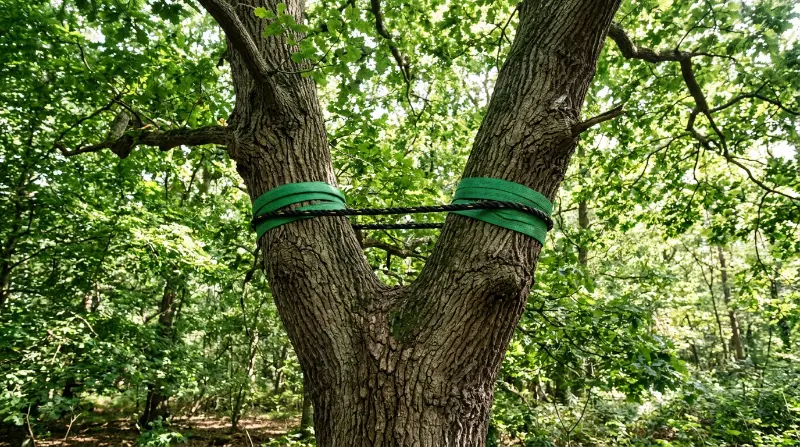
Some trees develop structural weaknesses that are not always easy to spot from the ground, but left unaddressed, they can become a serious safety risk to people and property. Knowing the early signs that a tree may need bracing support could be the difference between a simple fix and an emergency. Not every tree that looks healthy from the outside is structurally sound. Some trees develop weaknesses over time due to their natural...
Posted by: Admin on: Read More
When Storm-Damaged Trees Need Removing
- Posted by:
- Admin
- Tags:
- tree removal,storm damaged tree removal,tree pruning and maintenance,tree care
- Posted date:
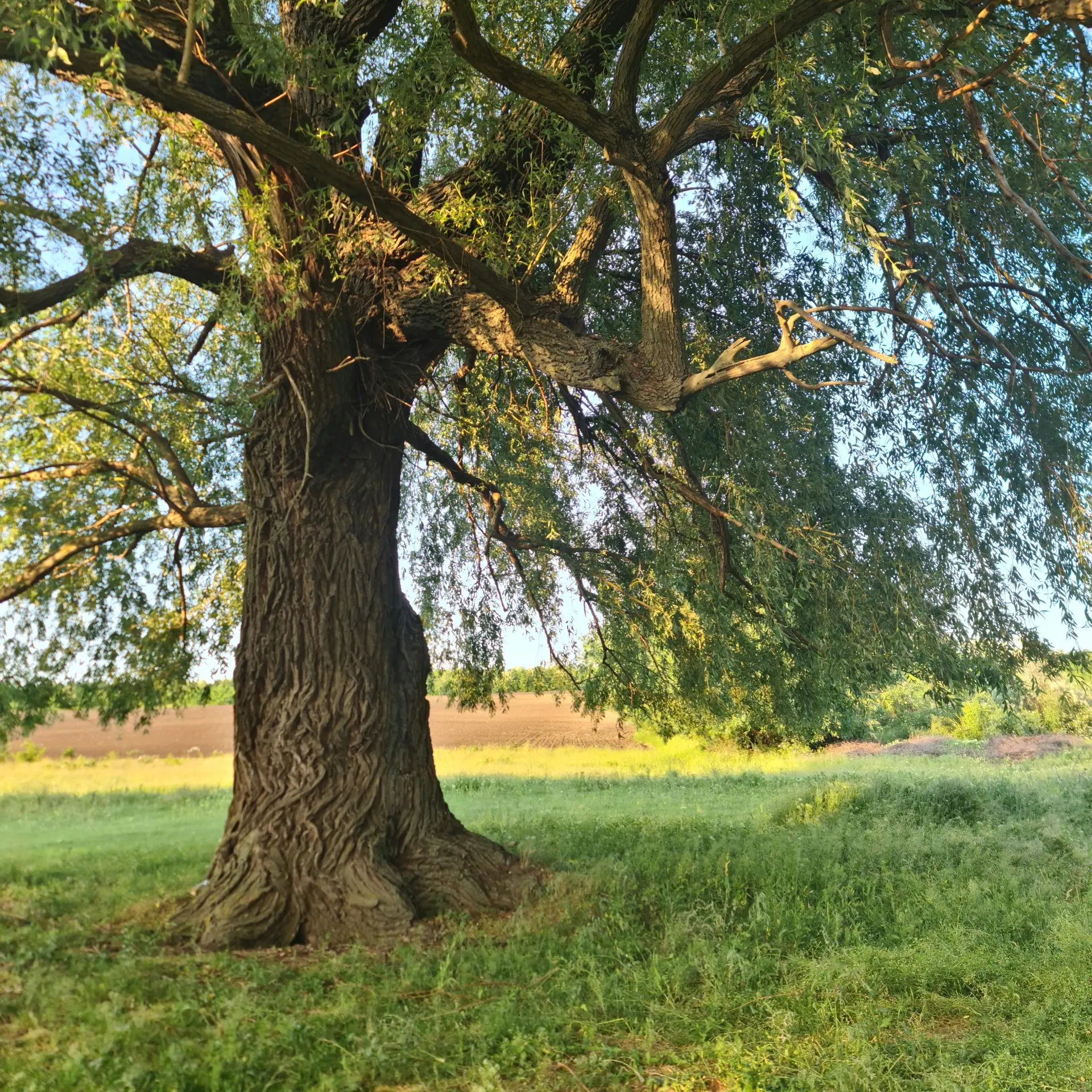
Storm-damaged trees often require prompt attention to prevent hazards and protect surrounding areas. After severe weather events involving high winds and heavy rain, a professional tree service may be required to handle uprooted or broken trees that threaten your property. Deciding on the safest course of action starts with careful assessment, as storm damaged trees can pose serious risks to people, homes, and structures if left unaddressed. An...
Posted by: Admin on: Read More
Signs that Tree Removal is Needed
- Posted by:
- Admin
- Tags:
- tree removal,tree care and maintenance,removing diseased or dying trees,garden care
- Posted date:
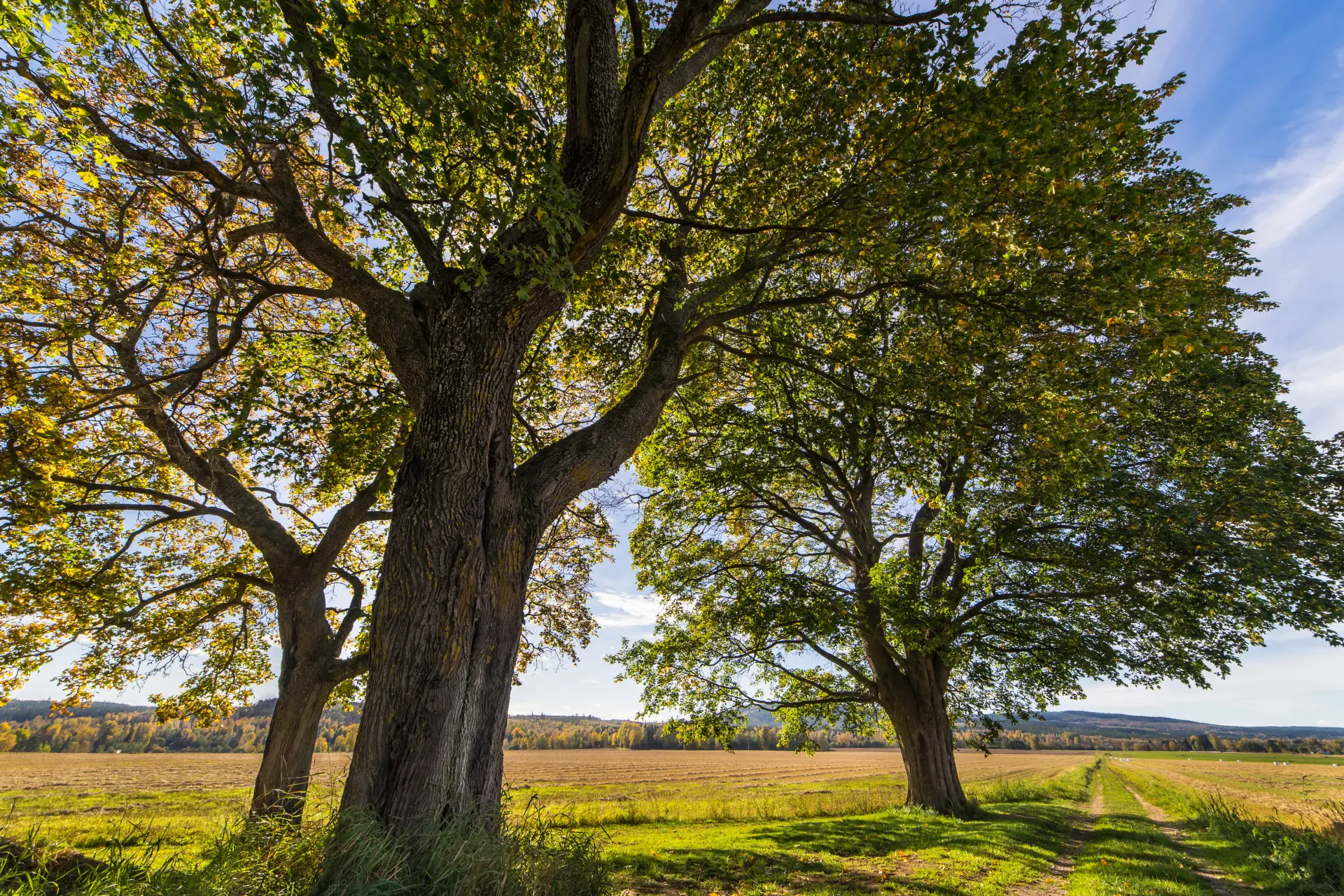
Signs that Tree Removal is Needed often appear gradually, yet they can quickly turn a healthy tree into a serious hazard on your property. Recognising these warning signs early helps protect your home, garden, and the safety of people nearby. While some trees recover with proper tree care, others continue to decline until removal becomes the only safe option. Regular checks around the base and throughout the canopy allow you to spot issues...
Posted by: Admin on: Read More