Seasonal Forestry Management
A seasonal forestry programme matches work to ground conditions, tree development, wildlife and operational risk. Winter can suit planting, spring establishment checks, summer canopy surveys and autumn preparation for the next phase. No season automatically provides permission for an operation.
Use the calendar to organise resources, then apply surveys, licence conditions and weather checks to decide whether the planned work can proceed.
Winter: distinguish planting from extraction
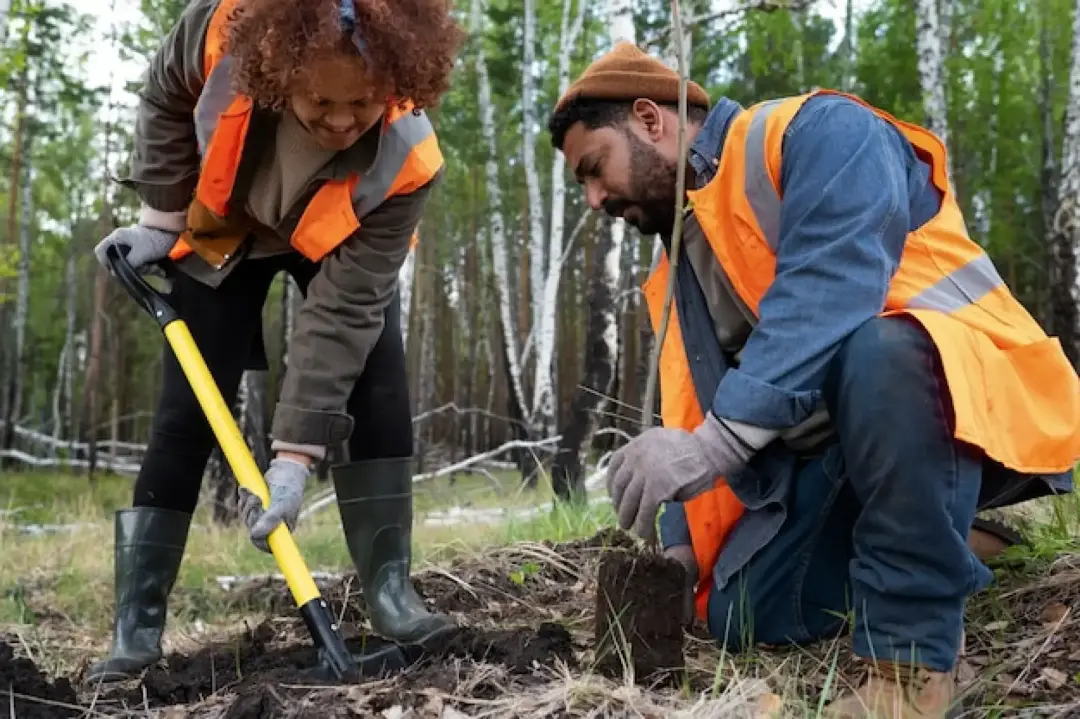
Dormant planting stock and reduced foliage can make winter useful. Arrange delivery around workable soil conditions so roots are not left drying while ground is frozen or flooded. Inspect guards and ties during establishment rather than leaving them until the next annual visit.
Winter is not always the best extraction season. Saturated tracks and rooting areas may be vulnerable to rutting despite dormant trees. Assess the load-bearing ground and machine route; postponing movements can avoid damage lasting into the growing season.
Spring: check the next generation
Record how planting and natural seedlings develop. Inspect browse damage, broken guards, vegetation competition and localised failures. A pattern of losses in a wet hollow or exposed edge is more informative than one survival percentage for the entire site.
Use the findings to decide whether watering, repairs or different future species are needed. Avoid ordering identical replacements before understanding the cause of failure. Confirm who will carry out follow-up so early observations lead to action.
Summer: inspect foliage and dry-weather risk
Leaf condition can reveal crown thinning, dieback and other changes harder to see when trees are bare. Photograph unusual symptoms and seek diagnosis. During dry spells, check young trees' moisture needs rather than assuming nearby rainfall has reached their roots.
Review fire precautions and emergency access, and decide whether hot, dry weather warrants stopping particular operations. A dry surface does not prove every soil can carry heavy machinery. Drought also does not make thinning a default treatment for stressed trees.
Autumn: prepare a flexible next phase
Review regeneration, protection and extraction routes. Agree the next operations, arrange necessary applications and surveys, and order suitable planting stock with aftercare capacity in place. Invasive-species treatment windows should be set by species rather than a general autumn-clearance date.
Keep contingency for storms, contractor availability and unsuitable ground. Distinguish work that can be postponed from damage needing urgent reassessment beside a regularly used route. A programme should help decisions, not become a deadline overriding site evidence.
Wildlife protection applies year-round
Government bird guidance protects nests in use or being built. Do not use a calendar month as evidence that no nests are present.
Bats and protected sites can create additional constraints. Forestry Commission wildlife advice explains that operations affecting protected species may need licences. Surveys should be arranged early enough to influence the method and date.
Current planting statistics and local capacity
The Forestry Commission's 2025–26 annual report records 5,250 hectares of new woodland created in England during the year. Checked on 8 October 2026, this national statistic does not indicate the best season for a particular woodland. It illustrates why establishment support must accompany planting commitments.
For your area, record planted numbers and locations, protection and the responsible person. Set first-growing-season reviews and keep capacity for repairs and investigation of failures.
Put stop points in the operational plan
Specify when work needs postponement or reassessment: unsafe wind, saturated access, an active nest in the affected area, unexpected protected-species evidence or a suspected plant-health problem. Give the supervisor authority to stop.
Record completed work, ground condition and the next inspection. For forestry around Wellington, this keeps the schedule responsive to the woodland rather than repeating seasonal tasks without checking their results.
Summary
Seasonal planning works when a calendar is combined with wildlife evidence, ground checks and clear stop points. Blackdown Treescapes can help organise forestry inspections, planting and operations into a programme that adapts as the woodland and weather change.