Which Method of Timber Harvesting Is the Most Sustainable?
Selective harvesting and continuous cover forestry are often among the most sustainable ways to harvest timber because they allow much of the woodland to remain standing while selected trees are removed. This can protect woodland cover, reduce disturbance and allow the forest to keep providing habitat.
However, there is no single harvesting method that is the most sustainable in every woodland. Tree species, soil, slope, wildlife, timber needs and the way new trees will become established all affect which method is suitable.
Sustainable timber harvesting is therefore about more than the way trees are cut. Good management considers the whole life of the woodland, including regeneration, soil protection, biodiversity, carbon storage and future timber production.
What Makes Timber Harvesting Sustainable?
Sustainable harvesting aims to produce useful timber without causing unnecessary long-term damage to the forest. Trees that are removed should be replaced through natural regeneration or planting, while important habitats, soils and watercourses should be protected.
The amount of timber harvested also matters. Removing trees faster than a woodland can replace them is not sustainable over the long term.
Good forestry also considers more than timber production. Woodlands can store carbon, provide wildlife habitat, protect soil, help manage water and offer places for people to enjoy.
This means the most sustainable harvesting plan normally balances timber production with the continued health and renewal of the woodland.
How Does Selective Timber Harvesting Work?
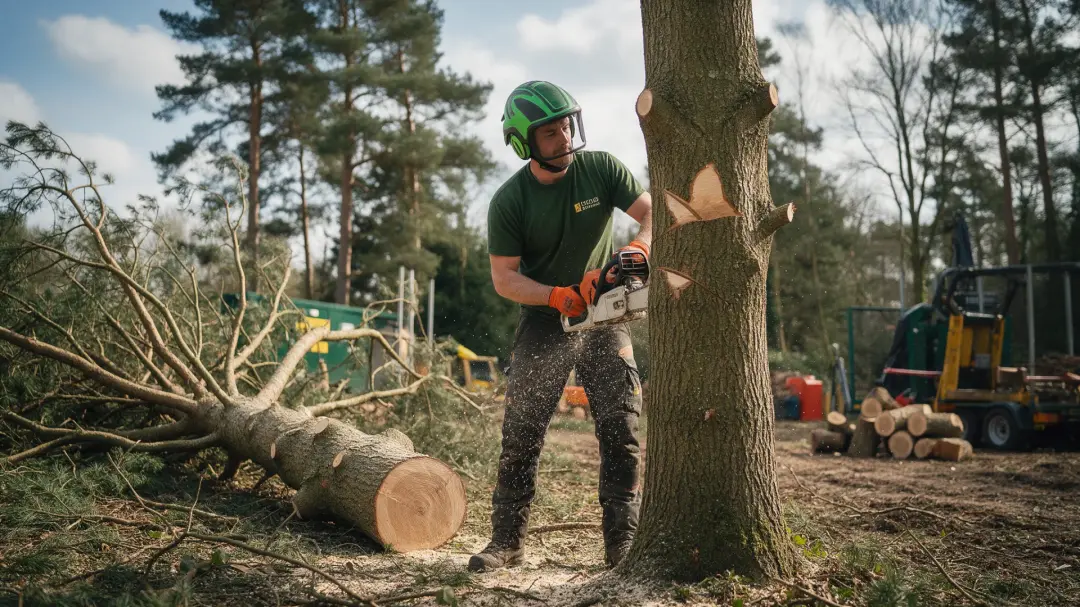
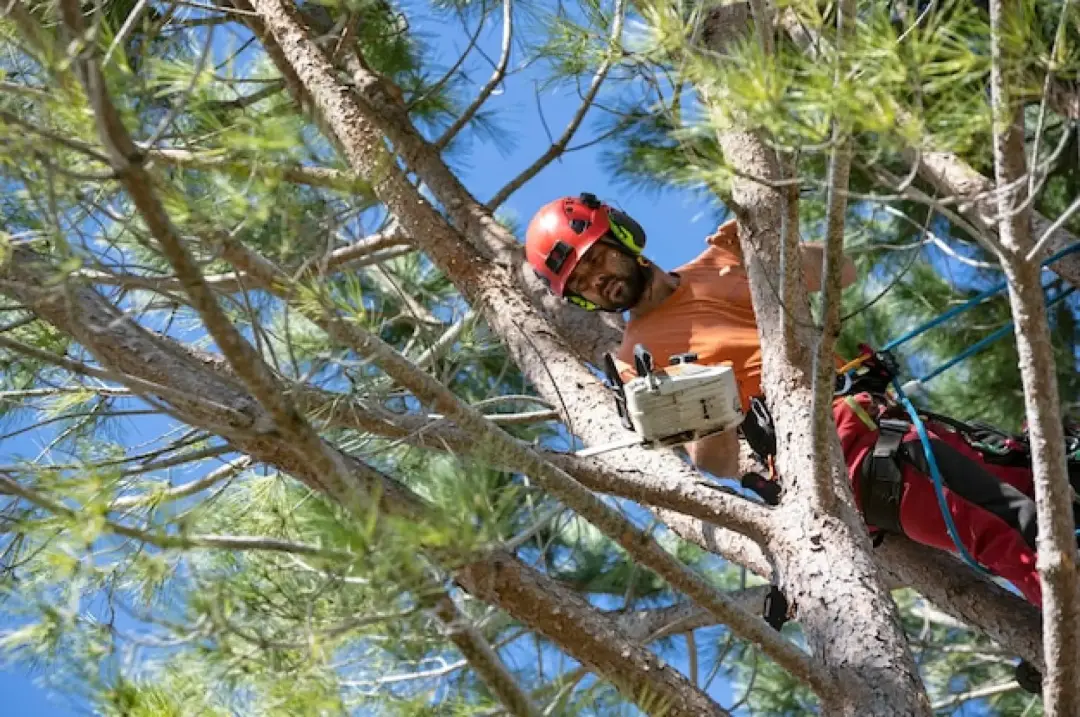
Selective harvesting removes individual trees or small groups while leaving much of the surrounding woodland standing. Trees can be chosen because they have reached a suitable size, because removing them will create space for younger trees or as part of wider woodland management.
Keeping a large proportion of the tree cover can reduce sudden changes in light, temperature and moisture at ground level. It can also leave more habitat in place than removing an entire stand at once.
The method still needs careful planning. Machinery routes, the direction in which trees are felled and the number of trees removed can all affect the woodland.
If harvesting is too intensive or repeated too frequently, the benefits of a selective approach can be reduced.
Why Continuous Cover Forestry Can Be a Sustainable Choice
Continuous cover forestry manages woodland without routinely removing all trees from a large area at the same time. Instead, individual trees or groups are harvested while a varied woodland structure is maintained.
This can encourage a mixture of tree ages and sizes. It may also allow natural regeneration to become established beneath or between older trees, reducing the need to clear and completely replant an area.
Research published in Forest Ecology and Management in 2026 found that continuous cover forestry has the potential to support carbon storage in tree biomass, ground vegetation and soil. The researchers also warned that high-intensity interventions should be avoided where greater carbon storage is an objective.
Its suitability still depends on the woodland. Some tree species and sites are easier to manage under continuous cover than others.
Is Clear Felling Sustainable?
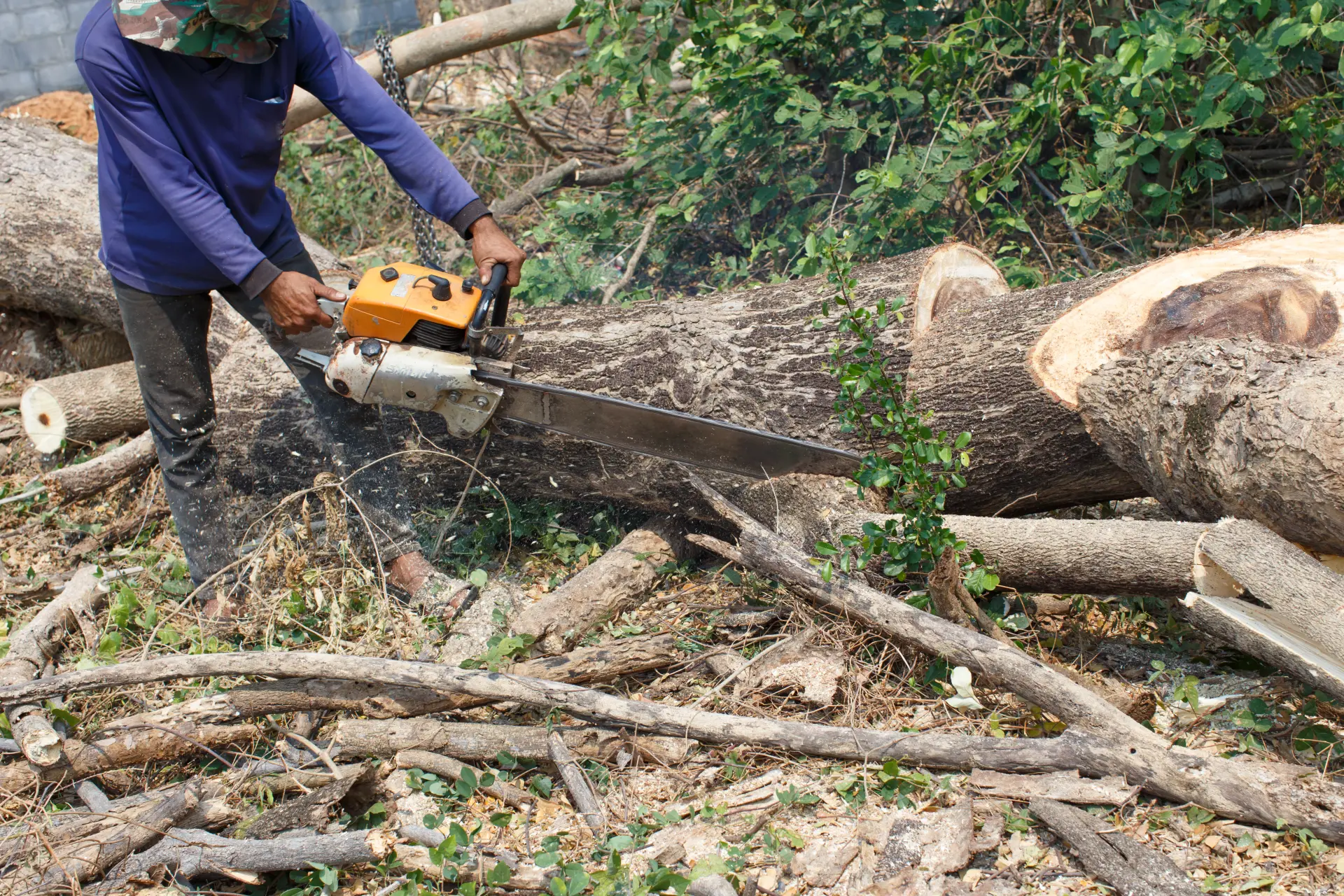
Clear felling involves removing most or all trees from a defined area during one harvesting operation. Because tree cover changes quickly, it normally creates greater short-term disturbance than selective harvesting.
Exposed ground may experience changes in temperature, moisture and vegetation. Poorly planned work can also increase the risk of soil damage, erosion and disturbance to wildlife.
This does not mean that every clear-felling operation is unsustainable. Some commercial forests are designed around planned rotations in which an area is harvested and then restocked. Certain tree species also regenerate successfully in open conditions with high levels of sunlight.
Where clear felling is appropriate, its environmental effects can be reduced through careful timing, protected areas beside watercourses, retained habitat trees, controlled machinery routes and prompt regeneration.
What Is Shelterwood Harvesting?
Shelterwood harvesting removes mature trees in several stages rather than taking the whole stand at once. Some older trees are kept temporarily to provide seed, shelter and suitable conditions for young trees to become established.
Once a new generation of trees has developed, more of the older trees can be harvested. The process may take place over several years.
This method can provide more woodland cover during regeneration than conventional clear felling. It can also help protect young trees from severe exposure on suitable sites.
However, the result depends on how many trees are retained, how frequently harvesting takes place and how well the young woodland develops. It is therefore another method that requires a site-specific management plan.
How Does Timber Harvesting Affect Wildlife?
Forests contain habitats at ground level, within living trees, inside dead wood and throughout the woodland canopy. Harvesting can alter these habitats, particularly when large areas of tree cover are removed together.
Selective methods can help retain woodland conditions and maintain links between areas of habitat. Keeping veteran trees, standing dead wood, fallen timber and important habitat features can provide further benefits where it is safe and appropriate.
However, no harvesting method automatically protects every species. Some wildlife benefits from mature woodland with continuous cover, while other species depend on open areas, young woodland or woodland edges.
A varied forest containing different ages, structures and habitats can therefore be important for biodiversity. Harvesting should form part of that wider woodland plan rather than focusing only on timber volume.
Does Sustainable Harvesting Help Protect Forest Carbon?
Trees absorb carbon dioxide while growing and store carbon within their wood, roots and other parts of the forest. Forest soils can also contain large stores of carbon.
Harvesting changes these stores. Removing large numbers of trees at once reduces the amount of living tree biomass on a site until new growth develops. Disturbing soil can also affect how carbon is stored and released.
Research comparing harvesting systems has found that their effects can be complex. A 2023 study of boreal Scots pine forests found differences in decomposition and soil conditions between clear-cut and continuous-cover treatments, although total soil carbon stocks did not differ between the treatments studied.
This is why carbon should be considered across many years rather than judged only immediately before or after harvesting.
Why Soil Protection Matters During Timber Harvesting
Heavy forestry machinery can compact soil, create deep tracks and damage tree roots if harvesting routes are poorly planned. Wet soils can be particularly vulnerable.
Soil damage matters because healthy soil supports tree growth, stores water, contains living organisms and can hold significant amounts of carbon.
A sustainable harvesting operation should therefore consider where machinery travels and when work takes place. Existing tracks can be used where suitable, while sensitive or waterlogged areas may require additional protection or different working methods.
Leaving branches and other suitable harvesting material on extraction routes can sometimes help spread machinery loads. The correct approach depends on the site, soil and woodland management objectives.
How Much of the World's Forest Is Being Lost?
The scale of global forestry makes sustainable management important. The Food and Agriculture Organization of the United Nations reported in its 2025 Global Forest Resources Assessment that forests cover around 4.14 billion hectares, equal to approximately 32 per cent of the world's land area.
Global deforestation has slowed but remains substantial. The organisation estimates that around 10.9 million hectares were deforested each year between 2015 and 2025, compared with 17.6 million hectares a year between 1990 and 2000.
It also reports that 92 per cent of the world's forests are naturally regenerating forests, while primary forests cover at least 1.18 billion hectares.
These figures show why timber production must be separated from permanent forest loss. A harvested forest that is successfully regenerated is very different from woodland that is cleared and converted permanently to another land use.
What Do Current United Kingdom Forestry Figures Show?
Forest Research estimated that the United Kingdom contained 3.29 million hectares of woodland at 31 March 2025. This was around 14 per cent of the country's total land area.
Of that woodland, 1.44 million hectares was independently certified as sustainably managed, equal to 44 per cent of the total woodland area. A further 15,580 hectares of new woodland was reported during 2024/25.
Timber production is also significant. Forest Research reported that 10.4 million green tonnes of United Kingdom roundwood were delivered to wood processors and other users during 2024.
The figures underline the need to combine timber production with regeneration and long-term woodland management. The way timber is harvested is only one part of deciding whether the final system is sustainable.
Why Forest Certification Is Important
Certification can provide independent checks on the way woodland is managed. Standards can cover areas such as regeneration, environmental protection, worker safety and the tracking of timber through the supply chain.
Certification does not mean that every certified forest uses the same harvesting system. A sustainably managed forest may use selective harvesting, continuous cover management, thinning or planned clear felling depending on its objectives and conditions.
The important point is that harvesting takes place within a wider management system with rules for protecting the forest and maintaining its future productivity.
When buying timber, checking its source and whether it comes from a recognised responsible forestry scheme can provide useful information alongside the timber species and country of origin.
Can Selective Harvesting Still Damage a Forest?
Yes. Removing only selected trees does not guarantee that an operation is sustainable. Felling a large tree can damage nearby vegetation, while extraction machinery can affect the soil and remaining trees.
Repeatedly removing only the most valuable trees can also change the structure and quality of a forest over time if regeneration and future tree quality are ignored.
The intensity of harvesting is therefore important. Research in the northern Brazilian Amazon has shown that carefully managed selective logging can limit some effects, while the openings created when commercial trees fall remain an important source of disturbance.
Good selective harvesting considers which trees are removed, which are retained, how timber is extracted and how long the forest is given to recover before further harvesting.
When Can Clear Felling Be the Right Method?
Clear felling may be suitable in some planted forests where trees are grown in planned rotations and successful restocking will follow. It can also be considered where the main tree species requires open conditions for regeneration.
Forest health can influence the decision. Serious disease, wind damage or other widespread problems may sometimes make retaining a full stand impractical.
The size and position of the harvested area are important. Smaller areas, retained trees, protected watercourses and links between habitats can reduce some of the environmental effects of large open spaces.
Clear felling should therefore be judged as part of the complete management plan. The key questions include why the trees are being removed, what will replace them and how the site will be protected during the process.
Does Natural Regeneration Make Harvesting More Sustainable?
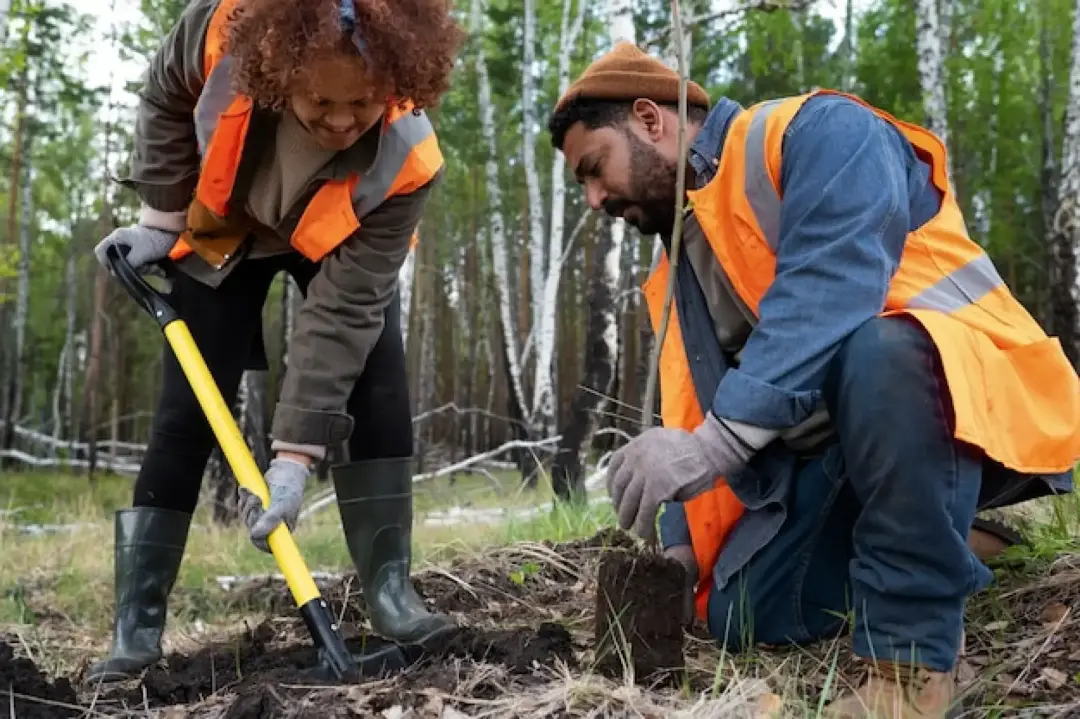
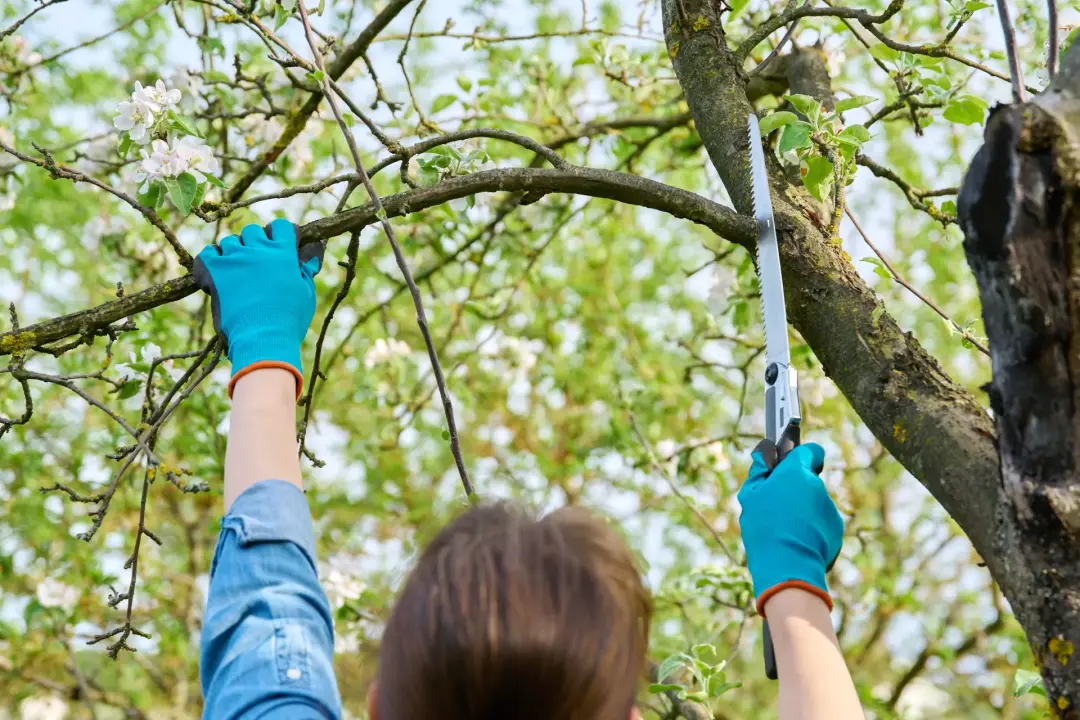
Natural regeneration allows new trees to grow from seed produced by existing woodland. Where the right species establish successfully, this can reduce the need for planting and help maintain locally adapted tree populations.
Selective and continuous cover systems can provide opportunities for young trees to establish beneath gaps created by harvesting. Shelterwood systems can also use retained mature trees to provide seed for a new generation.
Natural regeneration is not suitable everywhere. There may be too few seed trees, browsing animals may prevent young trees from developing or the desired species may struggle under existing conditions.
Planting can therefore remain an important part of sustainable forestry. What matters is establishing a healthy future woodland rather than assuming one regeneration method is always preferable.
How Can Timber Harvesting Protect Rivers and Streams?
Forestry work close to water needs careful management because disturbed soil, fuel, chemicals and loose material can enter streams if suitable controls are not used.
Keeping suitable areas of vegetation beside water can help protect banks and reduce the movement of sediment. Machinery crossings should also be planned so that vehicles do not repeatedly disturb stream beds or wet ground.
Tree removal can change shade and water conditions as well. This can be particularly important for small woodland streams where the surrounding canopy affects water temperature and habitat.
A sustainable timber operation therefore considers water before felling starts. Harvest boundaries, extraction routes, storage areas and crossings can all be planned to reduce unnecessary disturbance.
Is Using More Timber Good for the Environment?
Timber is renewable when it comes from forests that are successfully regenerated and managed over the long term. Wood can also store carbon while it remains in products such as building materials.
However, describing timber as renewable does not mean that every timber product has the same environmental effect. Forest management, harvesting, processing, transport, product life and what happens to the material afterwards all matter.
Long-lasting uses can make efficient use of good-quality timber. Smaller pieces and material unsuitable for construction may be used for panels, paper or other products.
Reducing waste and making effective use of each harvested tree can therefore support sustainable forestry by gaining more useful material from the timber that has already been removed.
Why Replanting Alone Does Not Guarantee Sustainability
Replacing harvested trees is essential in many managed forests, but simply planting the same number of trees does not automatically replace everything that has been lost.
An established woodland may contain old trees, dead wood, developed soils, wildlife habitats and a complex structure that takes many years to form. A newly planted area cannot immediately provide all of these features.
This is one reason why retaining important existing woodland features can be valuable during harvesting. Mature habitat trees, woodland edges, watercourses and areas of existing vegetation may need special protection.
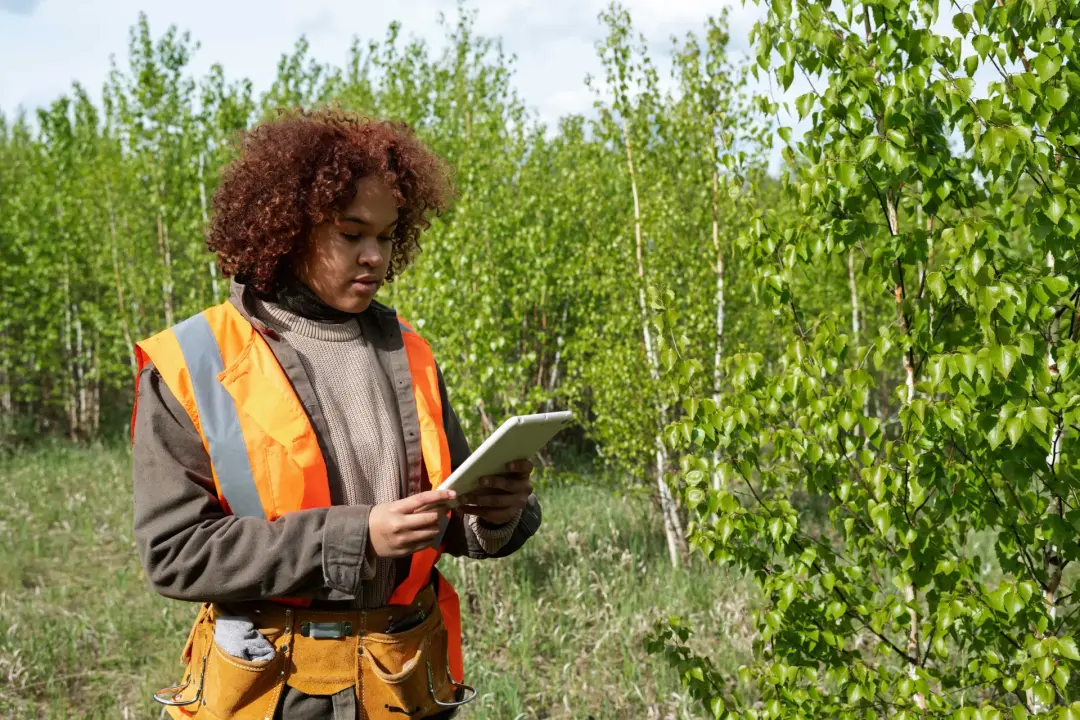
Successful regeneration should also be monitored. Planting trees is only the beginning. Young trees need to survive and develop into a healthy future woodland for the management cycle to continue.
So, Which Timber Harvesting Method Is the Most Sustainable?
Selective harvesting within a continuous cover forestry system can often provide a strong balance between timber production and maintaining woodland cover. It can reduce the scale of sudden disturbance, support varied forest structure and allow timber to be harvested without routinely clearing large areas.
However, it is not automatically the correct method for every forest. Shelterwood harvesting can be useful where gradual regeneration is required, while carefully planned clear felling can form part of responsible management in some productive forests and for particular tree species.
The most sustainable method is therefore the one that matches the woodland and protects its ability to regenerate, store carbon, support wildlife and remain productive in the future.
Good planning, controlled harvesting, soil and water protection, suitable regeneration and long-term monitoring are more important than relying on the name of a harvesting method alone.
Blackdown Treescapes provides professional tree and woodland services across Exmouth, Honiton, Sidmouth and Dorset. Our team can help with tree management, woodland maintenance and planned tree work.
For help with professional low impact forestry in Exmouth, call 07921 241875, submit a message or ask for a quote.