What Is Low Impact Forestry?
Low impact forestry is an approach to managing woodland while trying to limit harm to trees, soil, wildlife, water and the wider landscape. It allows useful work, including timber harvesting, thinning and woodland improvement, to continue without causing more disturbance than necessary.
Rather than treating a woodland simply as a crop of timber, low impact forestry considers the whole forest. This includes mature trees, young growth, soil, plants, fungi, wildlife, streams and other natural features.
The approach can include selective felling, careful use of machinery, natural regeneration and keeping tree cover in place wherever suitable. The exact methods depend on the woodland, its condition and the reasons it is being managed.
Low impact forestry does not mean that trees are never felled. Instead, it aims to make forestry work more careful, planned and suited to the individual site.
Why Is Low Impact Forestry Important?
Woodlands provide much more than timber. They can store carbon, support wildlife, protect soil, slow the movement of water and provide places for people to spend time outdoors.
Forestry work can affect all of these functions. Heavy machinery may compact wet soil, poorly planned extraction routes can cause erosion and removing large areas of tree cover can quickly change light, temperature and moisture levels.
A lower impact approach considers these possible effects before work begins. The aim is to produce timber or carry out other woodland management while protecting important natural features as far as reasonably possible.
This is becoming increasingly important as woodlands face changing weather, pests and diseases. Creating forests with a wider range of tree ages, sizes and species can help reduce reliance on one type of tree or one method of management.
How Does Low Impact Forestry Work?
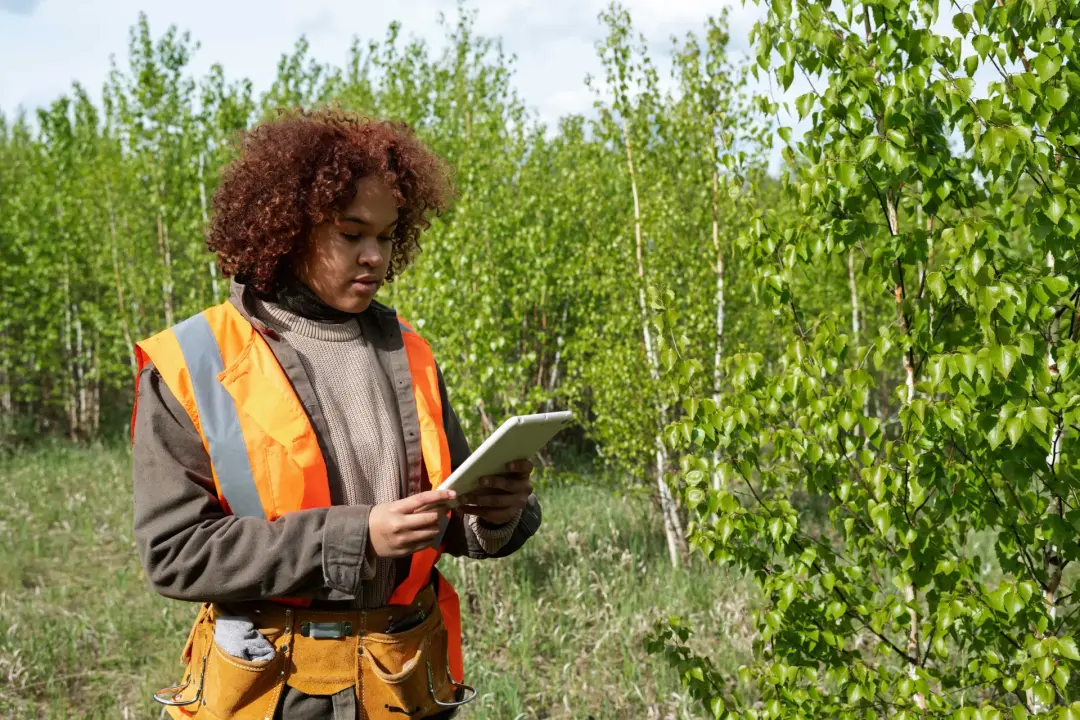
Low impact forestry usually starts with understanding the woodland before deciding what work should take place. The species, age and condition of the trees are considered alongside soil, slopes, water, wildlife and access.
Instead of automatically removing a large block of trees at the same time, managers may remove selected trees or small groups. This can allow younger trees to develop while much of the existing canopy remains.
Work can also be timed to reduce damage. For example, vehicle movements may be limited when ground conditions are particularly wet, and important habitats can be identified before machinery enters the site.
There is no single method that is suitable for every woodland. Low impact forestry is based on selecting methods that meet management aims while keeping unnecessary disturbance to a minimum.
Low Impact Forestry and Continuous Cover Forestry
Continuous cover forestry is one of the approaches that can support low impact woodland management. It keeps a significant amount of tree canopy in place while individual trees or small groups are removed over time.
Forest Research explains that gaps created under continuous cover forestry are kept below 0.25 hectares to help maintain the woodland environment beneath the canopy. Natural regeneration is often encouraged so young trees develop within the existing woodland.
This can create a forest containing trees of different ages, heights and sometimes different species. Instead of one large crop reaching maturity at roughly the same time, the woodland develops as a more varied structure.
Continuous cover forestry is not suitable for every site. Tree stability, species, browsing by animals, the amount of young growth and local conditions must all be considered before a woodland is moved towards this form of management.
Selective Felling Instead of Removing Large Areas
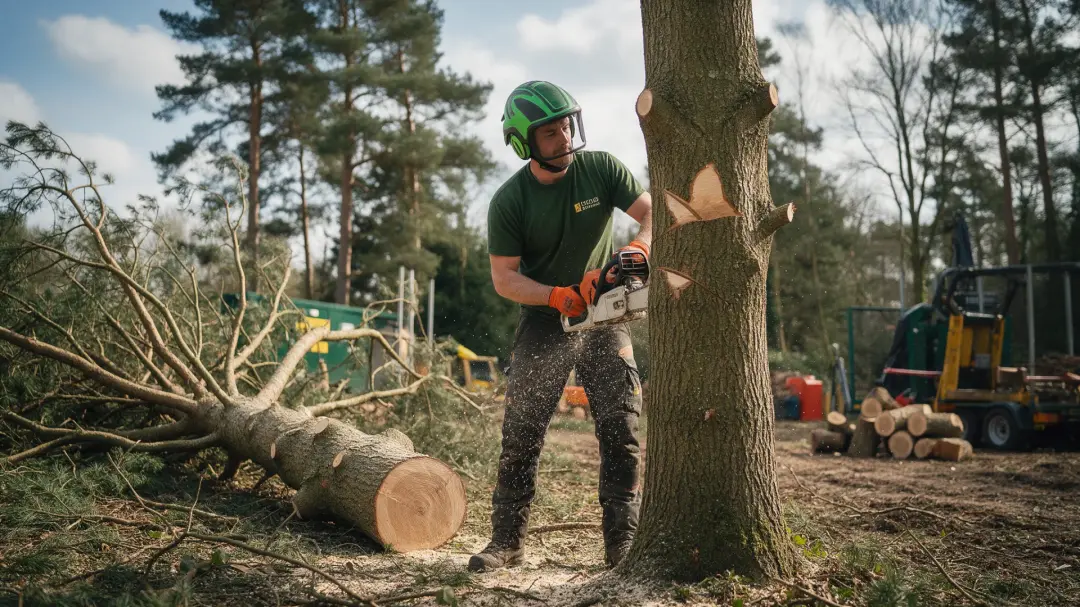
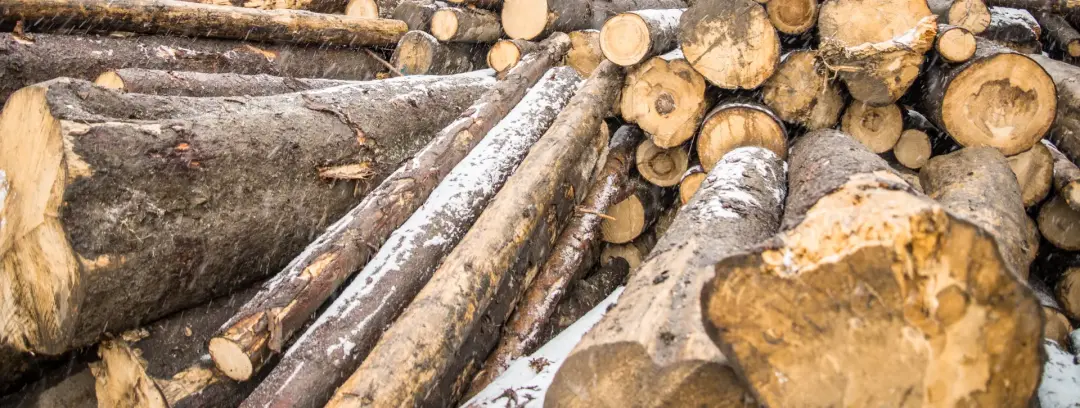
Selective felling involves removing particular trees rather than clearing every tree from a large area. Trees may be selected because they have reached a useful size, are affecting better trees nearby or need to be removed as part of a wider management plan.
Removing trees gradually can help retain woodland cover and avoid a sudden change to the whole site. Openings created by felling can allow light to reach young trees, shrubs and plants beneath the canopy.
Selective work also gives woodland managers more control over which trees remain. Strong trees, habitat trees and species that contribute to a varied woodland can be retained where appropriate.
However, selective felling still needs careful planning. Removing the wrong trees can affect the stability of those left behind, and repeated machinery movements can cause damage if extraction routes are poorly chosen.
Protecting Woodland Soil
Healthy soil is essential to a healthy woodland. It stores water and nutrients and provides the conditions needed by tree roots, fungi, plants and many small organisms.
Forestry machinery can place considerable pressure on the ground. On wet or sensitive soils, repeated vehicle movements may compact the surface, create deep tracks or disturb drainage.
Low impact forestry therefore considers how machinery will enter, work within and leave the site. Planned extraction routes can concentrate vehicle movements in suitable places instead of allowing machinery to travel across a wider area.
Ground conditions also matter. Work may need to be delayed or changed when soil is too wet to carry machinery without serious disturbance.
Protecting the soil helps preserve the woodland's ability to support future tree growth, which is important for both nature and long-term timber production.
Supporting Woodland Wildlife
Woodlands can contain many different habitats within a relatively small area. Mature trees, young trees, shrubs, open areas, deadwood and damp ground can each support different species.
A low impact approach aims to identify valuable features before work starts. Some old or damaged trees may have little timber value but provide useful habitat through holes, cracks, loose bark and dead branches.
Deadwood can also be important. Standing and fallen dead timber provides habitat for insects, fungi and other woodland life, so removing every dead stem is not always desirable where it can safely remain.
Careful thinning can also allow more light to reach parts of the woodland floor. This may encourage a wider range of plants and create opportunities for natural regeneration.
The aim is not to leave every part of a woodland untouched. It is to recognise valuable habitats and plan forestry work around them where possible.
Protecting Streams, Ponds and Drainage
Forestry operations can affect nearby water if soil, fuel, oils or other material reaches streams, ponds and drainage channels. Protecting water is therefore an important part of responsible woodland management.
Routes for machinery and timber extraction should be planned with water features in mind. Crossing wet ground unnecessarily can damage banks, disturb soil and increase the amount of sediment reaching water.
Trees and plants beside streams can also provide shade and help hold soil together. Removing too much vegetation close to water may change these conditions quickly.
A low impact approach identifies sensitive areas and considers whether machinery should be kept away from them or whether another working method is needed.
Careful planning is particularly important on steep sites because disturbed soil can be carried downhill more easily during heavy rain.
Natural Regeneration in Low Impact Forestry
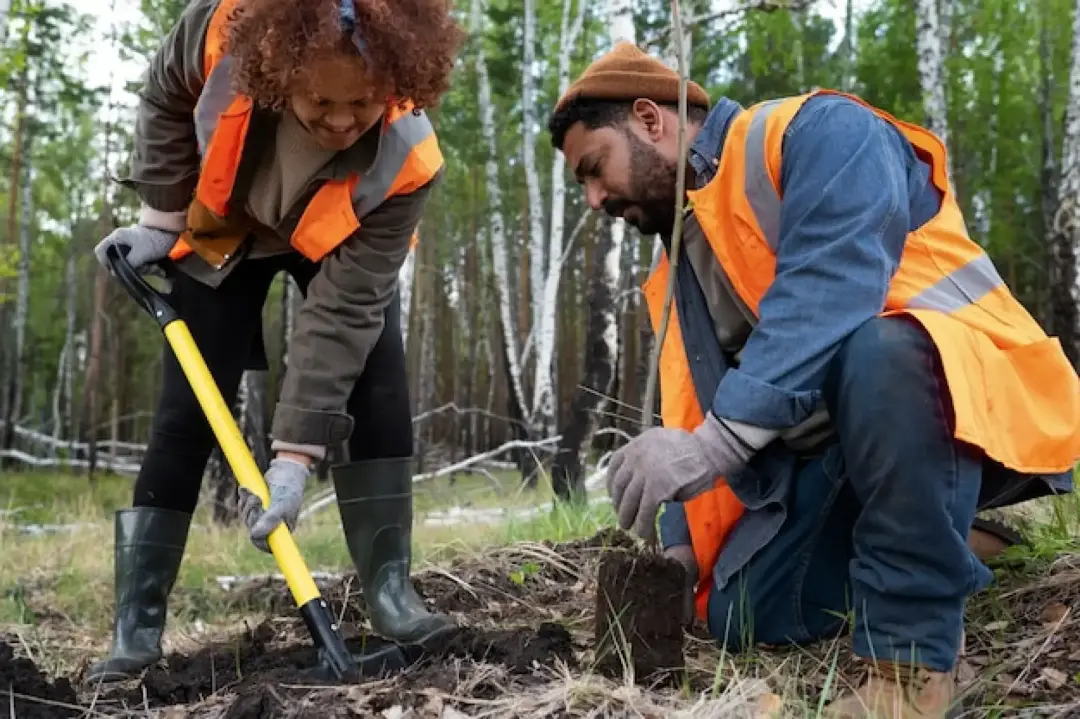
Natural regeneration happens when new trees develop from seed produced by trees already growing in or around a woodland. It can reduce the need to clear an area and then replant the whole site.
Continuous tree cover can provide sheltered conditions in which suitable young trees can establish. Forestry Commission guidance also notes that naturally regenerated seedlings can respond to local environmental conditions.
Natural regeneration is not guaranteed. Young trees may be eaten by deer or other animals, overwhelmed by competing vegetation or limited by a lack of suitable seed trees.
Woodland managers therefore need to check how much regeneration is actually developing and whether it is spread across the areas where new trees are needed.
Planting can still have a role where natural regeneration is poor or where a wider range of suitable tree species is required.
Can Low Impact Forestry Still Produce Timber?
Yes. Low impact forestry does not mean ending commercial timber production. Timber can remain an important reason for managing a woodland, but harvesting decisions are made alongside environmental and long-term management needs.
Current figures show the size of the wider forestry industry. Forest Research reported that 10.4 million green tonnes of United Kingdom roundwood were delivered to primary wood processors and other users during 2024. This was 6% more than in the previous year.
Under continuous cover management, suitable trees can be harvested as they reach the required size rather than waiting for an entire stand to be felled at once.
A woodland containing several species can also provide different timber products over time. Forestry Commission guidance notes that this may give owners more flexibility when timber prices change.
The balance between timber production and other woodland benefits will depend on the objectives set for each site.
How Much Woodland Is There in the United Kingdom?
Official Forest Research statistics estimated that the United Kingdom had 3.29 million hectares of woodland at 31 March 2025. This covered around 14% of the country's total land area.
Woodland cover varies considerably between the four nations. The same figures put woodland at 19% of Scotland's land area, 15% in Wales, 10% in England and 9% in Northern Ireland.
A further 15,580 hectares of newly created woodland were reported across the United Kingdom during 2024 to 2025.
These figures show why the way existing woodland is managed matters as well as the creation of new woodland. Established forests may remain in place for generations, so decisions about harvesting, regeneration, access and habitat can have long-term effects.
Good management seeks to keep woodland productive and healthy while protecting the natural systems that allow it to continue growing.
Sustainable Woodland Certification
Independent certification is one way woodland owners can show that their forests are being managed against recognised environmental, social and economic requirements.
Forest Research reported that 1.44 million hectares of United Kingdom woodland were independently certified as sustainably managed at 31 March 2025. This represented 44% of the country's woodland area.
Certification and low impact forestry are not exactly the same thing. A woodland can use lower impact techniques as part of its management without the term describing a particular certificate.
However, current United Kingdom woodland standards support management methods that consider soil, water, biodiversity, forest structure and long-term resilience rather than focusing only on the amount of timber removed.
Forest Research also states that low impact woodland systems are included within current woodland assurance standards, showing the growing role of these management methods.
Low Impact Forestry and Climate Resilience
Climate change can alter temperatures, rainfall, drought risk, storms and the spread of some pests and diseases. Woodland management therefore needs to consider whether forests will remain healthy as conditions change.
Forest Research describes continuous cover forestry as one way of creating forests with a greater mix of species and structures. Greater variety can reduce the risk of an entire woodland responding in exactly the same way to one threat.
Keeping woodland cover can also protect the conditions beneath the trees. Shade from the canopy influences temperature, moisture and the plants that are able to grow on the woodland floor.
No forestry method can make a woodland immune to severe weather, disease or other problems. Low impact management instead aims to create healthier and more varied forests that have more options for responding to change.
The most suitable approach will still depend on the site and the species growing there.
How Is Low Impact Forestry Different From Clearfelling?
Clearfelling usually involves removing most or all trees from a defined area before the next generation of trees is established. It can be an efficient way to harvest timber and remains a recognised forestry method.
Low impact systems such as continuous cover forestry generally take a different approach. Trees are removed in smaller numbers or groups while a significant amount of canopy remains.
This means changes to woodland conditions can happen more gradually. The forest floor can continue to receive shade and shelter, while younger trees develop beneath or within gaps in the canopy.
This does not mean clearfelling is always wrong or selective felling is always suitable. Some tree species, sites and management objectives may need larger openings, and trees affected by serious disease may sometimes require extensive removal.
The choice of forestry system should be based on the woodland, its management aims and the likely effects of each option.
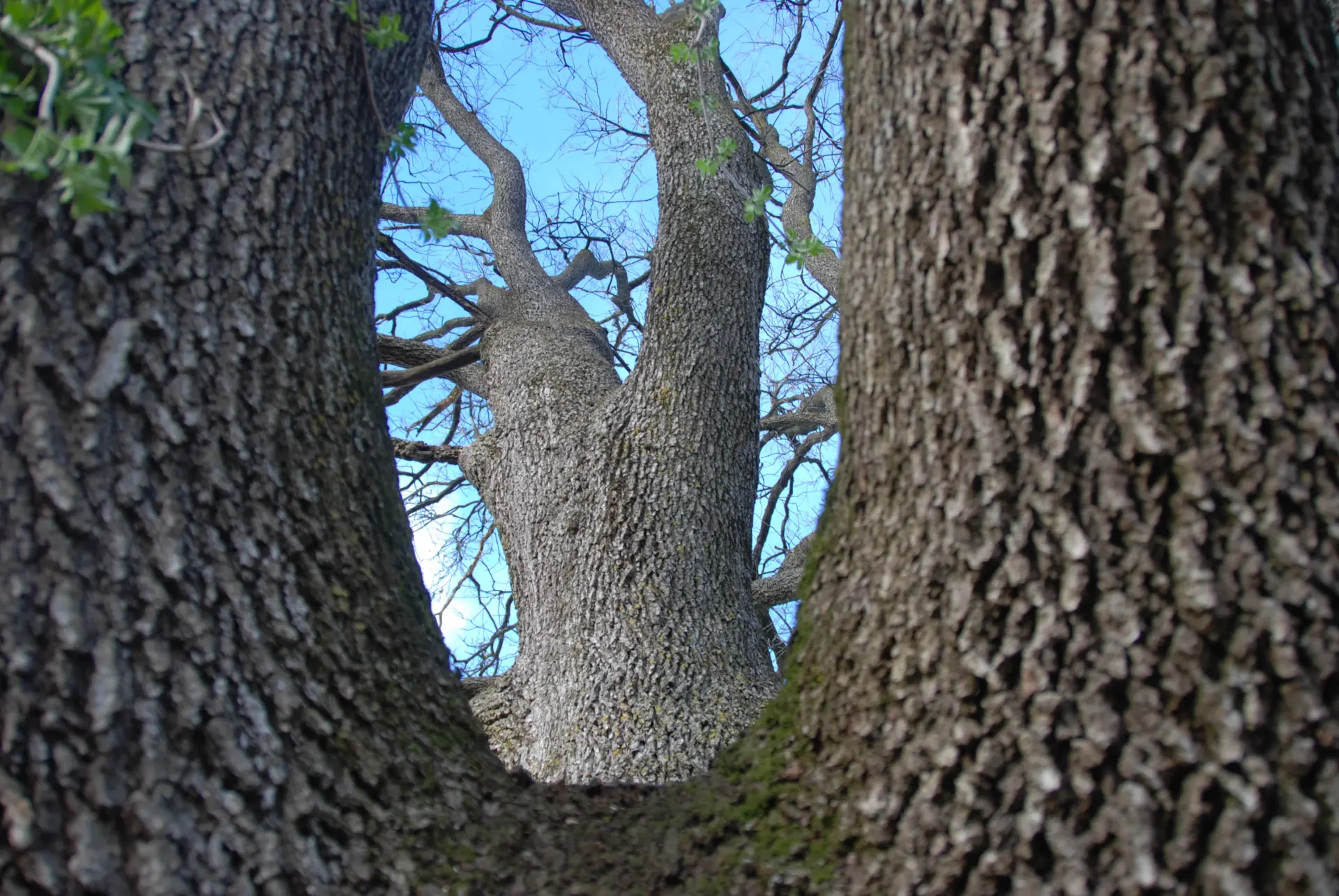
Using Forestry Machinery Carefully
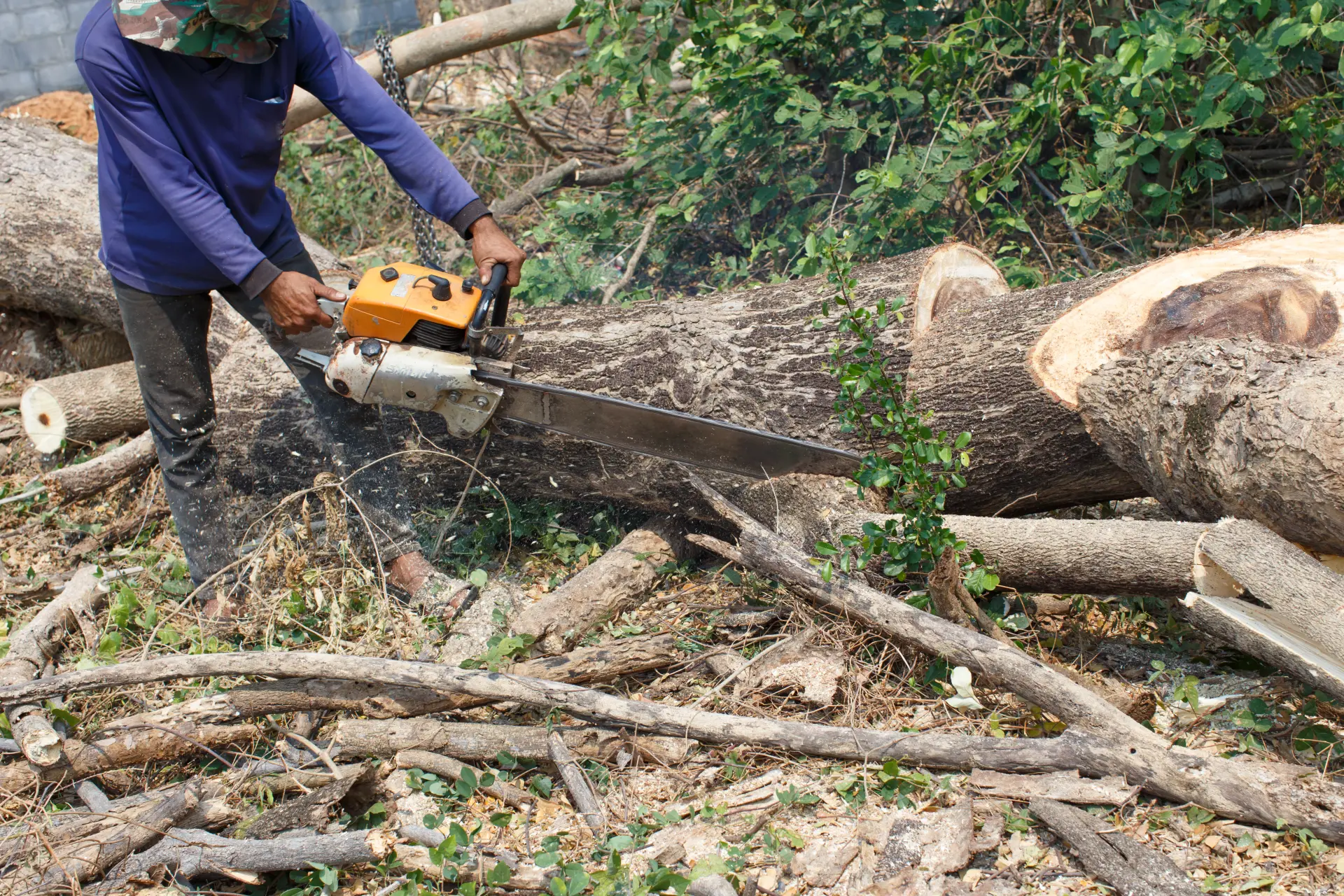
Modern forestry may involve machines for felling, processing and moving timber. These machines can make work safer and more efficient, but their size and weight mean routes need to be planned carefully.
Low impact working can include using established tracks, limiting the number of extraction routes and avoiding unnecessary travel over sensitive ground.
The type of equipment can also be matched to the site. A method suitable for firm and level ground may not be suitable for steep slopes, soft soil or woodland containing sensitive habitats.
Branches and other material can sometimes be used to protect extraction routes from repeated vehicle movements, depending on site conditions and the management plan.
The aim is not simply to use the smallest machine available. It is to choose equipment and working methods that can complete the job safely while controlling damage to the woodland.
Is Low Impact Forestry Suitable for Every Woodland?
No single forestry system is suitable for every site. Woodland type, tree species, soil, exposure, slope, age and previous management can all affect which methods are practical.
Continuous cover methods can be difficult where existing trees are unstable or where young trees cannot become established. Heavy browsing by deer can prevent regeneration, while some tree species need more light than a largely closed canopy provides.
A woodland affected by serious pests or disease may also require a different approach. Removing affected trees quickly can sometimes be necessary to meet plant health requirements or limit further problems.
Low impact forestry should therefore be understood as careful decision-making rather than one fixed set of operations.
A suitable management plan considers what the woodland is like now, what the owner wants it to provide and how those aims can be achieved with proportionate disturbance.
Does Low Impact Forestry Cost More?
The cost depends on the woodland and the way work is organised. Selective operations may require more planning than removing a large, even-aged timber crop in a single operation.
Individual trees may need to be marked, machinery routes carefully selected and work repeated at intervals as different trees reach the required stage.
However, costs should be considered alongside long-term benefits. Natural regeneration can reduce some replanting costs where enough suitable young trees become established.
Keeping a productive woodland in continuous management may also allow timber to be harvested at different times rather than relying on one major harvesting operation.
Financial results vary widely between sites, so there is no single figure that shows whether low impact forestry will cost more or less. Timber quality, access, woodland size, markets and management aims all influence the outcome.
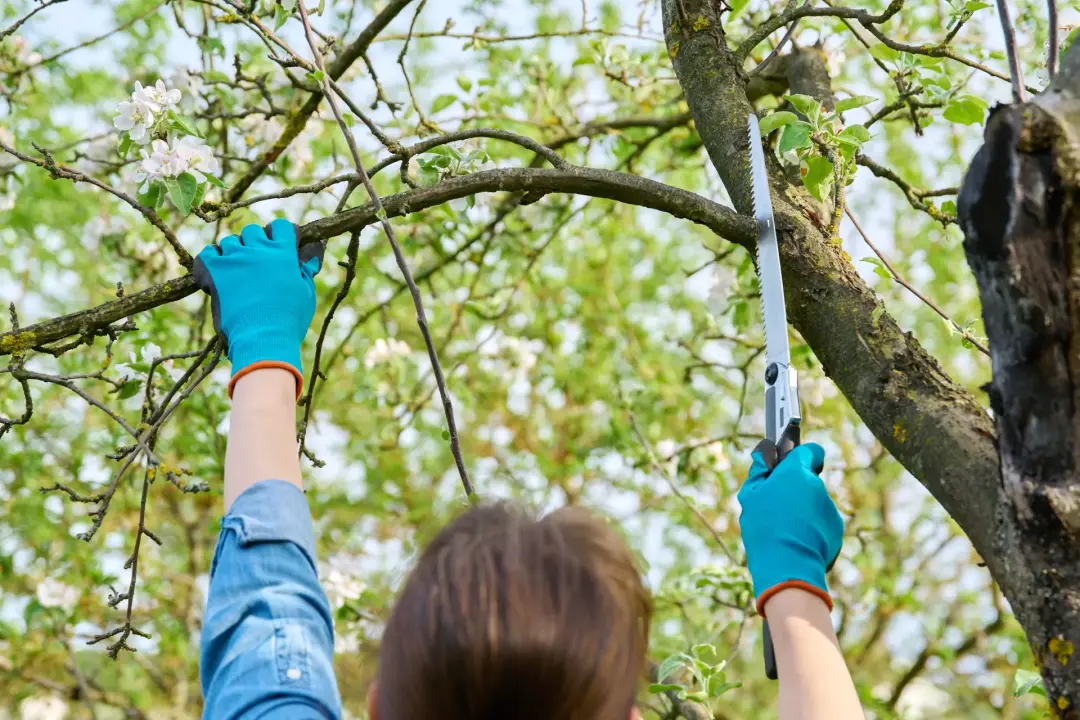
Why a Woodland Management Plan Matters
Good forestry begins before any tree is felled. A management plan sets out the condition of the woodland, its main features and what the owner wants to achieve over the coming years.
The plan can identify areas intended for timber production, important habitats, water features, access routes and sections where regeneration needs to be encouraged.
It can also set out when thinning or felling should take place. This is useful in low impact forestry because smaller operations may be carried out at intervals rather than as one large harvesting event.
Regular inspections allow the plan to change as the woodland develops. Trees grow, regeneration succeeds or fails, storms cause damage and new pests or diseases can appear.
Long-term planning helps ensure that individual forestry operations contribute to the future of the whole woodland rather than being considered in isolation.
Are Permissions Needed for Forestry Work?
Some tree felling requires permission before work starts. In England, most felling activity requires a felling licence from the Forestry Commission unless an exemption applies.
Other rules may also affect woodland work. Protected sites, protected species, ancient woodland, watercourses and planning conditions can all require extra consideration depending on the location.
Similar controls apply elsewhere in the United Kingdom through the relevant forestry authorities. Requirements can differ according to where the woodland is located and the type of work being proposed.
Checking these requirements should form part of the planning stage. Carrying out forestry work first and checking permission afterwards can create serious problems.
A professional forestry contractor or woodland manager can help identify which approvals may be needed, although responsibility for ensuring that the correct permission is in place should always be made clear before work starts.
What Are the Main Benefits of Low Impact Forestry?
When it is suitable for the woodland, low impact forestry can allow timber production to continue while reducing unnecessary disturbance to the wider forest environment.
Keeping tree cover can help retain woodland conditions, while selective thinning can create enough light for new trees and other plants. A mixture of tree ages and species can also produce a more varied forest structure.
Careful machinery use helps protect soil, and planned working areas can reduce avoidable damage to streams and other sensitive features. Retaining habitat trees and suitable deadwood can provide places for wildlife to live and feed.
There can also be practical benefits for woodland owners. Natural regeneration may reduce some planting needs, while harvesting timber in stages can provide more flexibility over when particular trees are sold.
These benefits depend on good planning. Poorly managed selective forestry can still damage soil, trees and habitats, so the method used is only as effective as the way it is carried out.
What Does the Future of Low Impact Forestry Look Like?
Interest in lower impact methods is growing as forest managers look for ways to produce timber while improving the resilience and variety of woodland.
Forest Research published new guidance on transforming and managing forests under continuous cover forestry in May 2026. It also states that continuous cover approaches are promoted within current forestry policy and woodland management standards in Britain.
These methods are likely to remain one of several tools available to woodland managers rather than replacing every other form of forestry.
The United Kingdom's forests include commercial plantations, ancient woodlands, mixed forests and many smaller private woods. Each has different conditions and purposes, so management needs to remain flexible.
The common principle behind low impact forestry is straightforward: understand the woodland, decide what needs to be achieved and carry out only the level of intervention needed to meet those aims while protecting the forest's long-term health.
Is Low Impact Forestry the Right Approach for Your Woodland?
Low impact forestry can be a useful approach for woodland owners who want to manage trees, produce timber and protect the wider forest environment at the same time.
Methods can include selective felling, continuous tree cover, natural regeneration, careful machinery routes and protection for important habitats, soils and water.
However, the correct approach depends on the woodland. Tree species, stability, soil, wildlife, access, disease risks and the owner's long-term aims all need to be considered before work begins.
A woodland assessment and management plan can establish which areas need attention and which should be retained or managed differently. This allows forestry work to be planned over years rather than treating each felling operation as a separate event.
Well-planned low impact forestry aims to leave a woodland capable of continuing to grow, regenerate and provide valuable timber and wildlife habitat for future generations.
Blackdown Treescapes provides professional low impact forestry management, forestry and tree care services across Exmouth, Honiton, Sidmouth and Dorset.
Our team can help with woodland assessments, tree work and planned forestry operations. For help managing woodland in Exmouth, call 07921 241875, submit a message or ask for a quote.