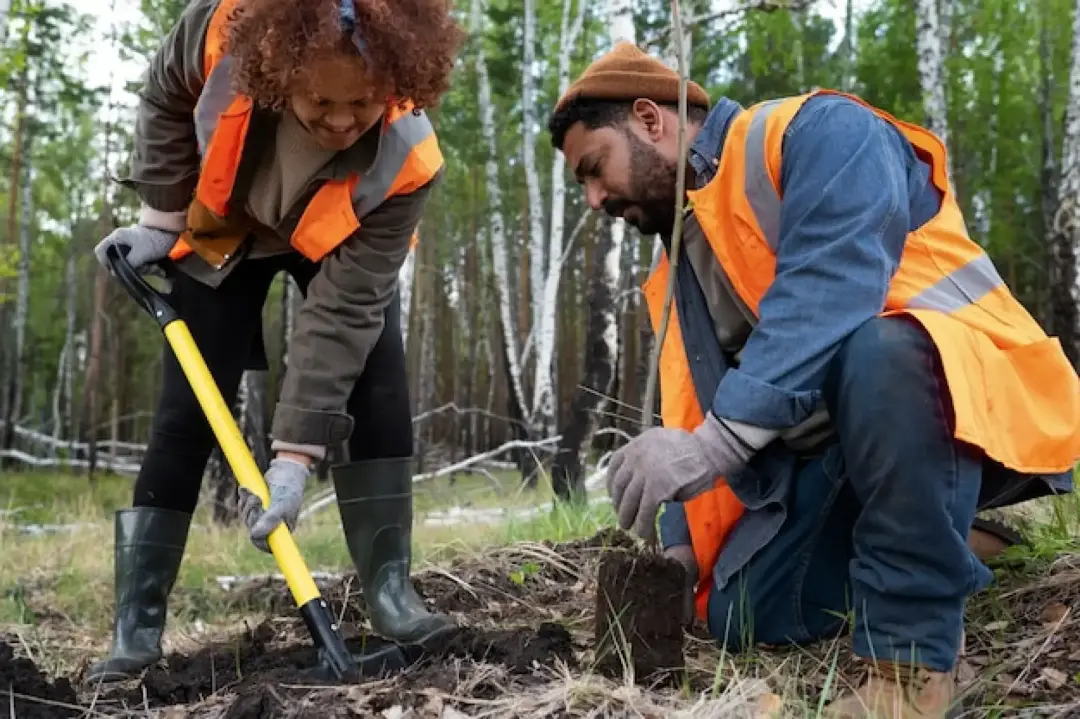
What Are the Major Problems Facing Forestry?
Forestry faces a difficult balance. Forests are expected to provide timber, support wildlife, store carbon, protect soil and water, create jobs and provide places for people to enjoy. At the same time, they are being affected by climate change, disease, fire, land-use pressure and rising costs.
The scale of the challenge is significant. The Food and Agriculture Organization of the United Nations estimates that forests cover about 4.14 billion hectares worldwide, which is around one-third of the planet's land area.
In the United Kingdom, provisional figures for March 2026 put woodland area at about 3.30 million hectares. However, increasing the amount of woodland is only part of the challenge. Existing forests also need to remain healthy, productive and able to cope with changing environmental conditions.
Climate Change Is Altering Forest Conditions
Climate change is one of the broadest problems facing forestry because it can affect almost every part of a forest. Higher temperatures, changing rainfall, longer dry periods and more severe weather can place trees under greater stress.
A tree species that has grown successfully in one area for decades may become less suitable as local conditions change. Young trees can be particularly vulnerable to drought because their root systems are still developing.
Climate stress can also make existing problems worse. Forest Research warns that drought, waterlogging and storm damage can leave trees more vulnerable to pests and diseases.
Forestry planning therefore has to look decades ahead. Decisions about species, planting locations and forest design made today may affect woodland condition for the rest of the century.
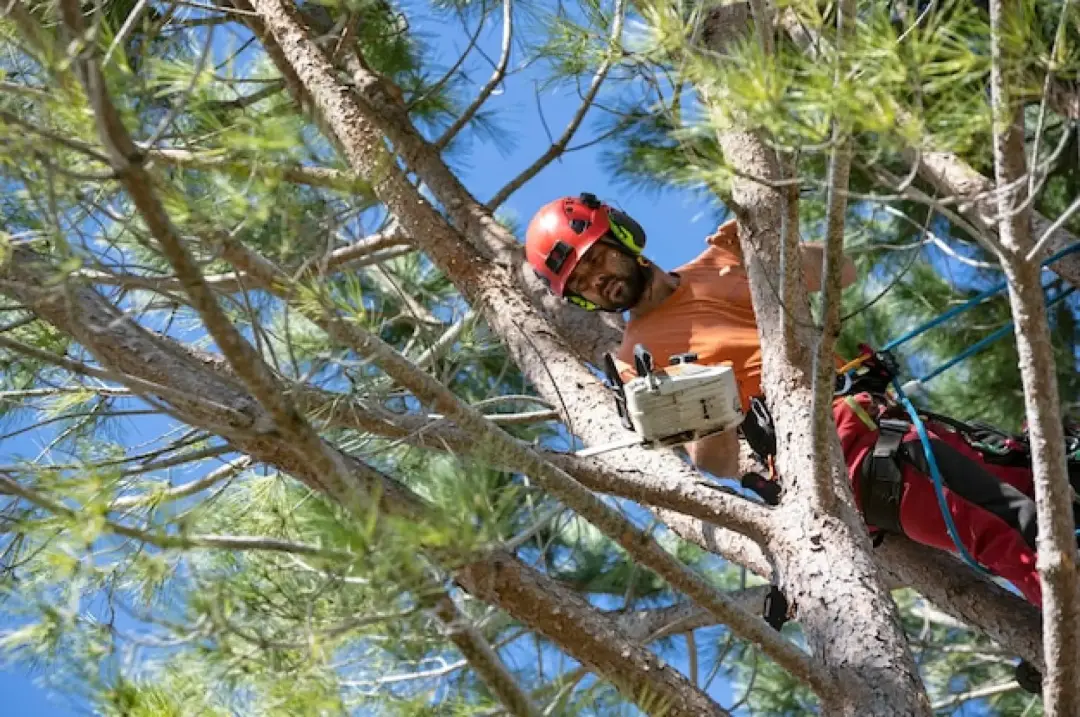
Pests and Tree Diseases Are a Growing Threat
Pests and diseases can damage individual trees or affect whole areas of woodland. Some problems are already established, while others may arrive through the international movement of plants, timber and other materials.
Changing temperatures can make conditions more suitable for some harmful insects and diseases. Milder winters may allow greater numbers to survive, while warmer conditions can extend the period in which some insects are active.
Forest Research reported that three tree pests and diseases became established in England during the ten years from 2015 to 2024.
Good plant health checks, careful sourcing of planting material and suitable woodland management are therefore increasingly important parts of modern forestry.
Wildfires Are Causing Greater Forest Loss
Wildfire has become an increasingly important forestry problem. Hotter and drier conditions can allow fires to spread rapidly, particularly where vegetation has dried out.
World Resources Institute figures show that fires caused 42% of the 25.5 million hectares of global tree cover loss recorded in 2025. Forest fires now burn more than twice as much tree cover each year as they did around two decades ago.
Fire does not have the same effect in every forest. Some forest ecosystems naturally experience periodic fires, while fires in other forests can cause severe and lasting damage.
Forestry management can include maintaining access routes, managing vegetation, considering fire breaks and planning how emergency services could reach vulnerable areas.
Deforestation Remains a Global Problem
Large areas of forest continue to be cleared or permanently converted to other land uses. Agricultural expansion, infrastructure and development are among the causes, although the pressures differ considerably between countries.
The Food and Agriculture Organization of the United Nations estimates that global deforestation averaged 10.9 million hectares each year between 2015 and 2025. That is lower than the 13.6 million hectares per year recorded during the previous period, but it remains a substantial loss.
The problem is particularly serious when old or highly diverse forests are lost. Newly planted woodland can provide important benefits, but it cannot immediately replace the complex habitats, soils and ecological relationships found in a mature natural forest.
Loss of Biodiversity Can Weaken Forests
Forests contain much more than trees. Healthy woodland can support plants, fungi, insects, birds, mammals and many other forms of life.
Forestry that relies too heavily on a small number of tree species can sometimes leave woodland more exposed to particular diseases or environmental changes. Greater structural and species diversity can help spread some of these risks where conditions allow.
Foresters must therefore consider timber production alongside habitats, soil, water and wildlife. This can include retaining suitable deadwood, protecting important habitats and using a mixture of tree species where appropriate.
The challenge is to manage working forests productively without removing the natural features that help make the wider woodland ecosystem resilient.
Woodland Creation Is Not Keeping Pace With Ambitions
Creating new woodland is an important part of plans to increase carbon storage, improve habitats and provide future timber supplies. However, planting rates can be affected by finance, land availability, approval processes and the time required to develop suitable projects.
Provisional figures show that around 13,480 hectares of new woodland were created across the United Kingdom in 2025/26. This was lower than the roughly 15,690 hectares recorded during 2024/25.
England created about 5,250 hectares of woodland in 2025/26. Scotland created around 7,220 hectares, while figures for Wales and Northern Ireland were about 680 and 330 hectares respectively.
Planting more trees is therefore a major challenge, but successful forestry also depends on whether those trees survive and develop into healthy woodland.
Young Trees Need Long-Term Management
Planting is only the beginning of woodland creation. Young trees can be damaged by drought, competing vegetation, grazing animals, pests and poor planting conditions.
New woodland needs to be planned around suitable tree species, soil, drainage, local climate and the intended purpose of the site. Trees may then need protection and monitoring during their early years.
A planting scheme can fail to provide its intended benefits if large numbers of trees die or develop poorly. Replacement planting may then increase costs and delay the establishment of the woodland.
Successful forestry therefore needs to measure more than the number of trees put into the ground. Establishment, survival, growth and future woodland condition are equally important.
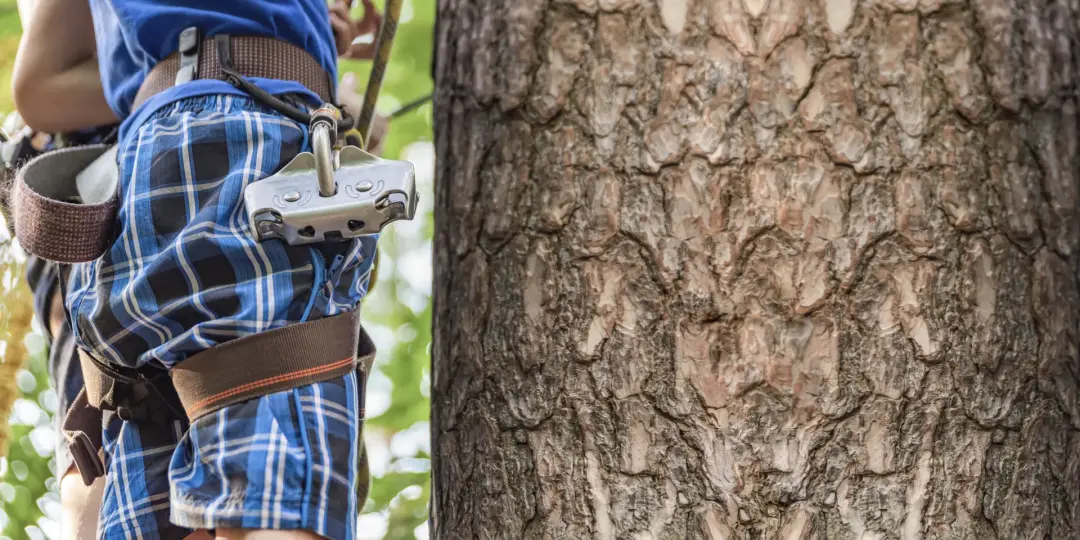
Forestry Remains a High-Risk Industry
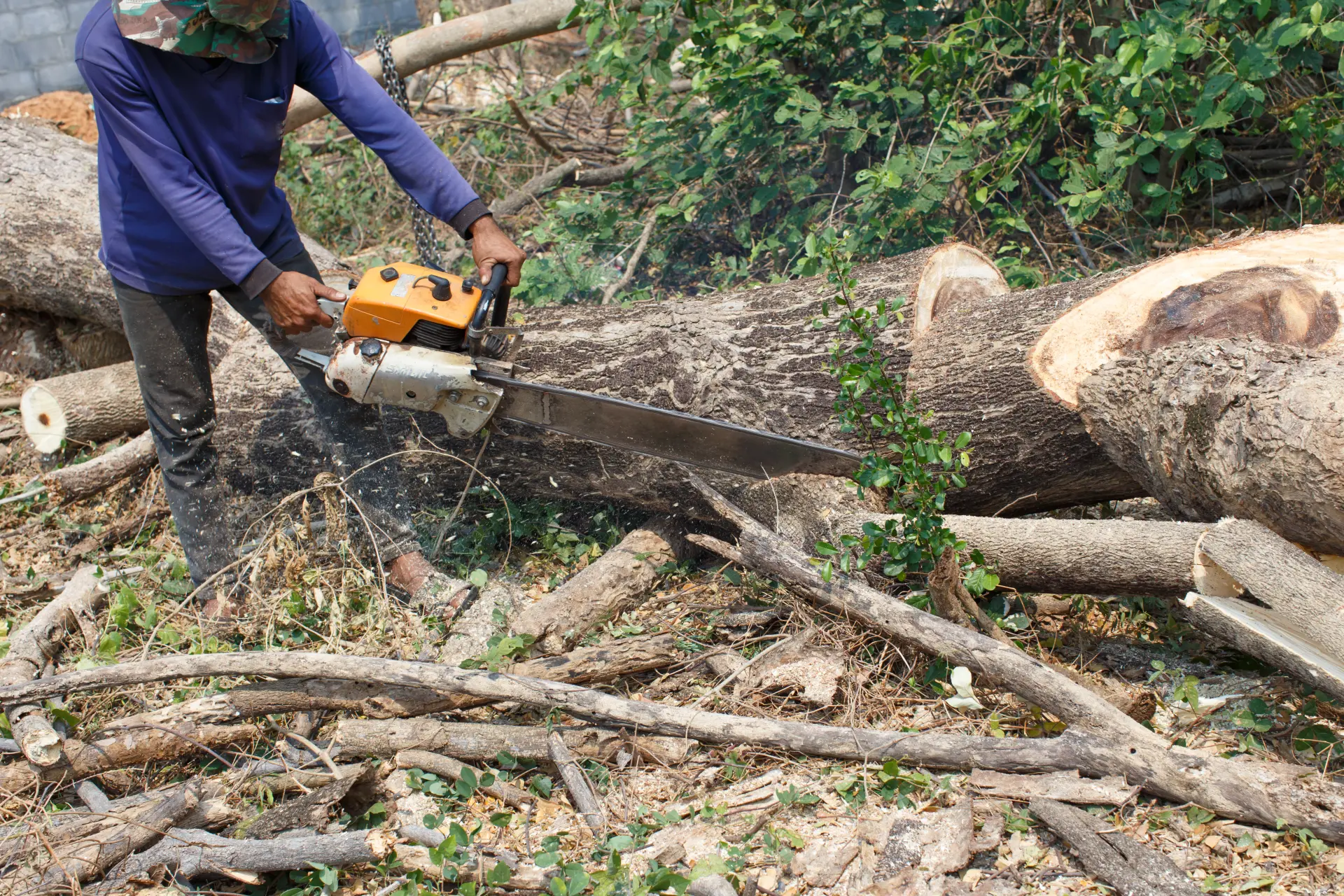
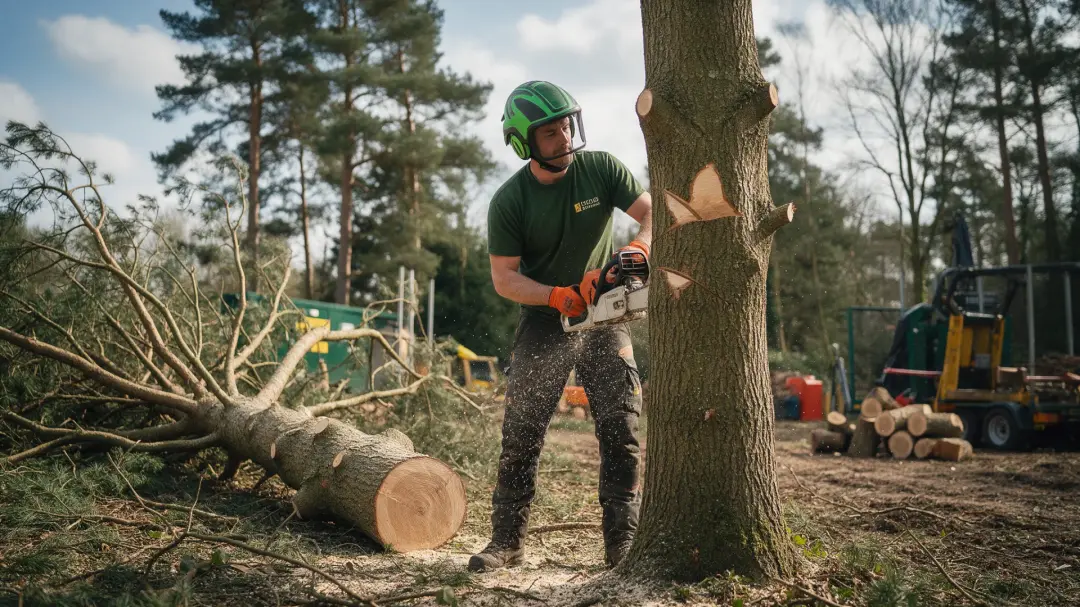
Forestry work can involve chainsaws, large machinery, falling timber, difficult ground and work around damaged or unstable trees. Managing these dangers is an important challenge for employers and workers.
Provisional Health and Safety Executive figures show that 22 workers died in agriculture, forestry and fishing in Great Britain during 2025/26.
The combined sector had a fatal injury rate of 8.09 deaths per 100,000 workers. The average across all industries was 0.37 deaths per 100,000 workers.
These figures combine agriculture, forestry and fishing rather than describing forestry alone, but they demonstrate the serious risks found across land-based work and the need for suitable training, equipment and working methods.
Finding and Retaining Skilled Workers
Modern forestry requires people with a wide range of practical and technical skills. Work may include planting, tree establishment, harvesting, machinery operation, woodland planning, tree health work and environmental management.
Forest Research reported average employment of around 21,000 people in United Kingdom forestry during 2023. The wider forest economy also supports jobs in sawmilling, transport, manufacturing and other industries.
Maintaining a skilled workforce matters because woodland management is a long-term activity. Poorly planned work can affect timber quality, habitats and tree health for many years.
Recruitment, practical training and opportunities for workers to develop specialist skills will therefore remain important as woodland creation and management demands increase.
Timber Supply Has to Be Planned Decades Ahead
Forestry has unusually long production times. Depending on the species and intended use, trees planted today may not be harvested for several decades.
This makes changes in planting rates important for future timber security. A shortage of productive woodland established now may affect the amount of home-grown timber available many years from today.
The United Kingdom also depends heavily on imported forest products. Forest Research reported that it was the world's second-largest net importer of forest products in 2023.
Domestic forestry therefore has to balance the production of timber with other goals such as wildlife conservation, carbon storage, recreation and landscape protection. The right balance can differ considerably between individual woodlands.
Forestry Costs and Economic Pressure
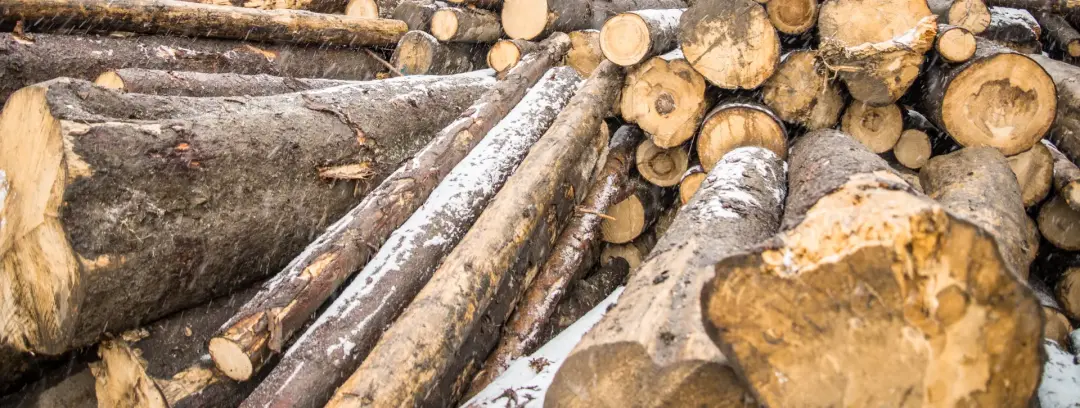
Woodland creation and management require long-term investment. Costs can include land, young trees, fencing, labour, machinery, road access, inspections and ongoing maintenance.
Returns may take many years to arrive, particularly where a woodland is being grown for timber. Unexpected losses caused by storms, disease, drought or fire can create further financial pressure.
Forestry also operates within changing timber markets. The value of different timber products and the cost of harvesting and transport can affect which woodland operations are financially practical.
These pressures can make long-term planning difficult. Support schemes and private investment can help woodland projects proceed, but forests still need management plans that remain practical when economic conditions change.
Storm Damage Can Affect Large Areas
Strong winds can uproot trees or snap trunks and branches. A severe storm can damage large areas of woodland within a short period, creating safety problems and reducing the future value of timber.
Storm damage can be particularly difficult where large numbers of trees fall together. Windblown timber may be under considerable tension, making recovery work dangerous.
Forest design can influence exposure to wind. Tree species, soil conditions, woodland edges, tree height and local terrain can all affect the likelihood and type of damage.
After major damage, managers may need to decide whether affected areas should be replanted, allowed to regenerate naturally or managed in another way. That decision may also provide an opportunity to create a more varied and resilient future woodland.
Forests Must Compete With Other Uses for Land
Suitable land is needed for many purposes, including farming, housing, infrastructure, nature recovery and renewable energy. Woodland creation is therefore part of a wider debate about how land should be used.
Planting trees in an unsuitable location can cause problems rather than solve them. Important grasslands, peatland and other valuable open habitats can be damaged if they are converted to woodland without proper assessment.
Forestry planning must also consider how new woods fit into the surrounding landscape and whether they can connect existing habitats.
The challenge is not simply to plant as many trees as possible. New woodland needs to be created in suitable places, with suitable species and clear long-term management objectives.
Managing Existing Woodland Is as Important as Planting
New woodland often receives attention because planting figures are easy to measure. However, millions of hectares of existing woodland also need suitable management.
Provisional figures for March 2026 put the United Kingdom's woodland area at about 3.30 million hectares. Around 43% was independently certified as sustainably managed.
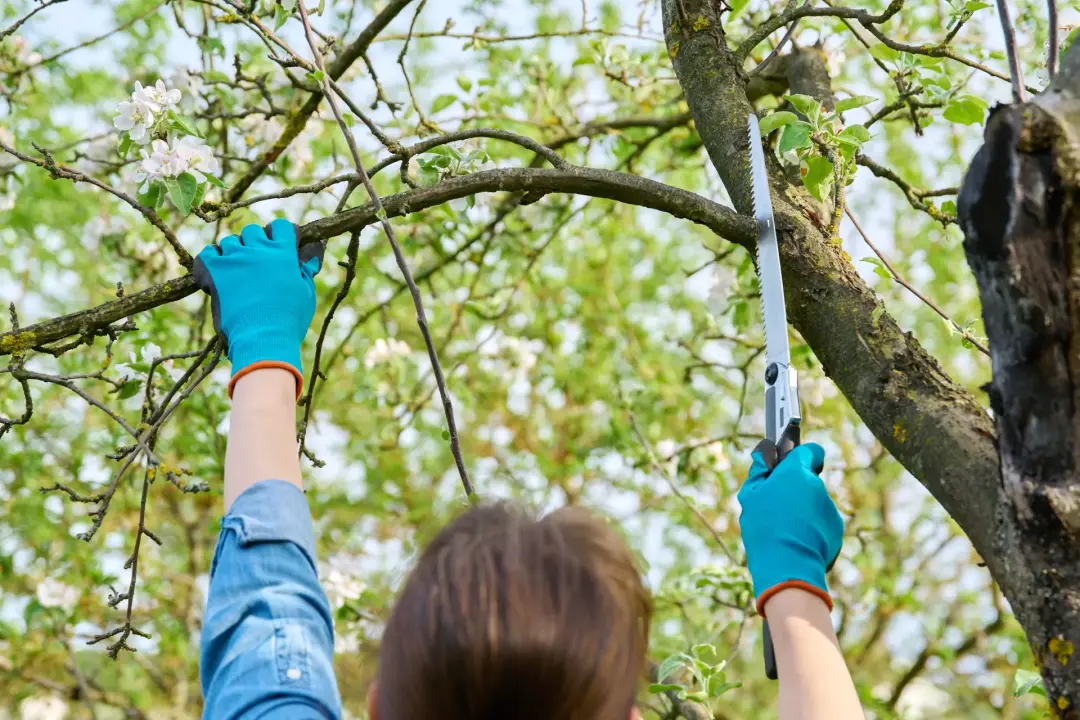
Management can include thinning, controlling invasive plants, improving access, dealing with unsafe trees, managing habitats and planning future harvesting or regeneration.
Leaving every woodland completely untouched is not always the right approach. Some woods benefit from active management, particularly where the aim is to produce timber, maintain particular habitats or improve the range of tree ages and species.
Forestry Has to Protect Soil and Water
Healthy forest soils store nutrients, water and carbon while supporting tree roots and countless living organisms. Damage to soil can therefore have long-term effects on woodland health.
Heavy machinery can compact wet ground if operations are poorly timed or planned. Harvesting and road construction can also increase erosion or affect nearby watercourses if suitable controls are not used.
Foresters need to consider drainage, slopes, soil type and weather conditions when planning operations. Buffer areas around rivers and streams can also help protect water quality.
These issues are becoming more important as rainfall patterns change. Woodland may help slow water movement through a landscape, but poor forestry operations can cause local soil and water problems if they are not managed carefully.
Illegal and Unsustainable Logging Remains a Global Concern
Not all timber entering world markets comes from forests managed to suitable environmental and legal standards. Illegal logging can damage habitats, reduce public income and undermine forestry businesses that follow the rules.
Supply chains can be complicated because timber may travel through several countries and processing stages before reaching its final customer.
Certification and checks on timber sources can help buyers understand where wood has come from and how the forest was managed. However, certification does not cover every forest.
The Food and Agriculture Organization of the United Nations reports that more than half of the world's forests are now covered by long-term management plans. Continued improvement in monitoring and responsible sourcing remains important for protecting forests while meeting demand for wood.
Forestry Must Deliver Several Benefits at Once
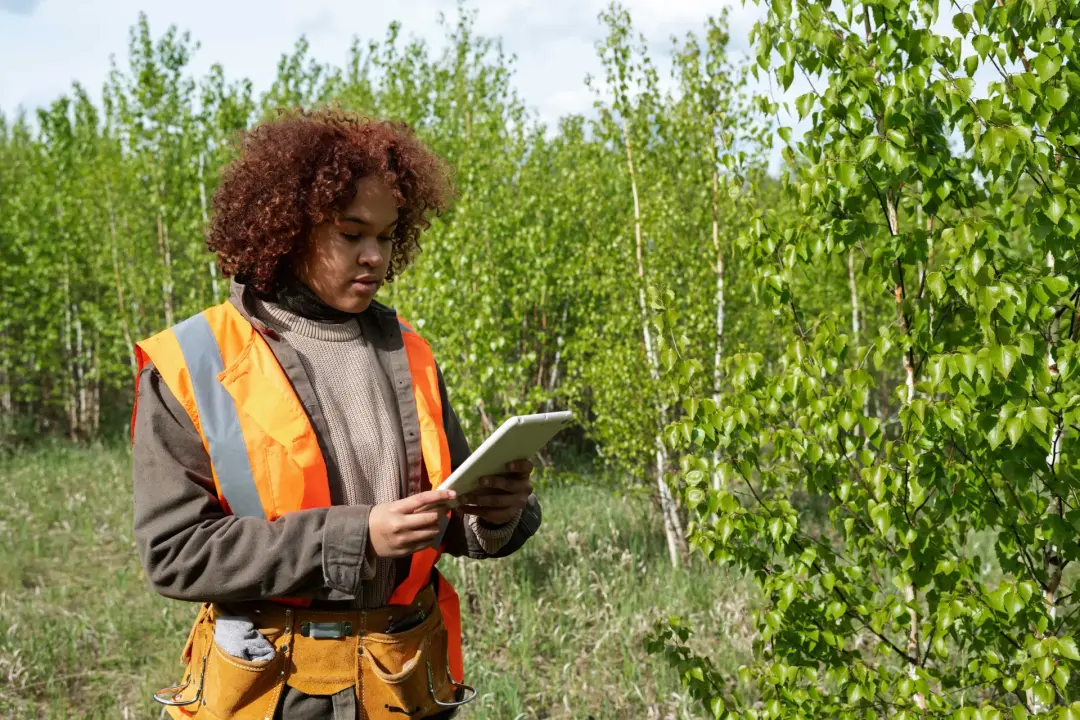
Forests are now expected to meet many different needs. One woodland may be asked to produce timber, store carbon, support wildlife, reduce flood risk and provide public access at the same time.
These aims can support each other, but they can also create difficult choices. A management decision that increases timber production may not always produce the greatest wildlife benefit, while maximum carbon storage may require a different approach again.
There is rarely one management method that is right for every forest. Decisions need to reflect the site, the tree species, local habitats and the main purpose of the woodland.
Long-term plans can help managers decide which objectives can be combined and where compromises may be needed.
Can Forestry Become More Resilient?
Many of the problems facing forestry are connected. Drought can weaken trees, weakened trees can become more vulnerable to pests, and dry vegetation can increase fire risk. A diverse and well-managed forest may be better able to cope with these combined pressures.
Greater resilience can include selecting suitable species, increasing diversity where appropriate, protecting soils, improving tree health checks and monitoring woodland as conditions change.
Foresters also need to consider the origin of planting material and whether trees are likely to remain suitable for the site's future climate.
There is no way to remove every risk from forestry. The aim is to avoid unnecessary vulnerability and create forests that can continue providing environmental, economic and social benefits even as conditions change.
What Is the Future of Forestry?
Forestry will remain important because societies continue to need timber while forests provide major benefits for climate, wildlife, water, landscapes and recreation. The challenge is to meet those needs without damaging the resource on which they depend.
There are some positive signs. Global deforestation rates have fallen compared with earlier decades, and woodland creation continues across the United Kingdom. However, recent figures also show that major pressures remain. Tropical primary forest loss reached 4.3 million hectares during 2025, while fires caused 42% of global tree cover loss that year.
Successful forestry therefore needs more than tree planting. It requires long-term planning, skilled workers, active management, protection from pests and disease, responsible harvesting and careful choices about where and what to plant.
The forests established and managed today may still be growing many decades from now. Decisions made now will therefore play an important role in determining the condition, productivity and diversity of future woodlands.
Blackdown Treescapes provides tree surgery, tree pruning, tree removal, tree felling, stump grinding, hedge trimming and maintenance services across Exmouth, Honiton and Sidmouth.
Our tree surgeons help customers manage trees, hedges, gardens and green spaces. For help with professional tree care in Exmouth, call 07921 241875, submit a message or ask for a quote.