Storm-damaged trees often require prompt attention to prevent hazards and protect surrounding areas. After severe weather events involving high winds and heavy rain, a professional tree service may be required to handle uprooted or broken trees that threaten your property.
Deciding on the safest course of action starts with careful assessment, as storm damaged trees can pose serious risks to people, homes, and structures if left unaddressed.
The tree is uprooted, or the ground is lifting
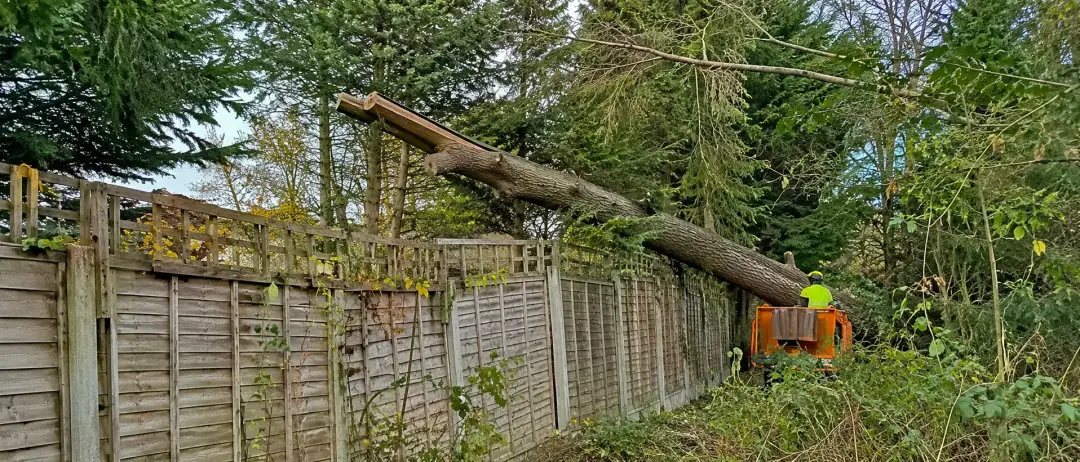
An uprooted tree is one of the clearest signs that storm damage has made a tree unstable. When a tree becomes uprooted, the roots lose their grip on the soil; this means that the tree’s main support system has failed. Even if the tree hasn't fallen over completely, it can shift at any time and become a serious danger to nearby people and properties.
The main signs of uprooting include trees that are leaning more than they used to, soil that looks raised or cracked around the base, and exposed roots. You might also see a gap opening up on one side of the trunk where the roots have pulled away. These signs show that the tree is unstable and may need removal to ensure safety.
The trunk is split, cracked, or snapped
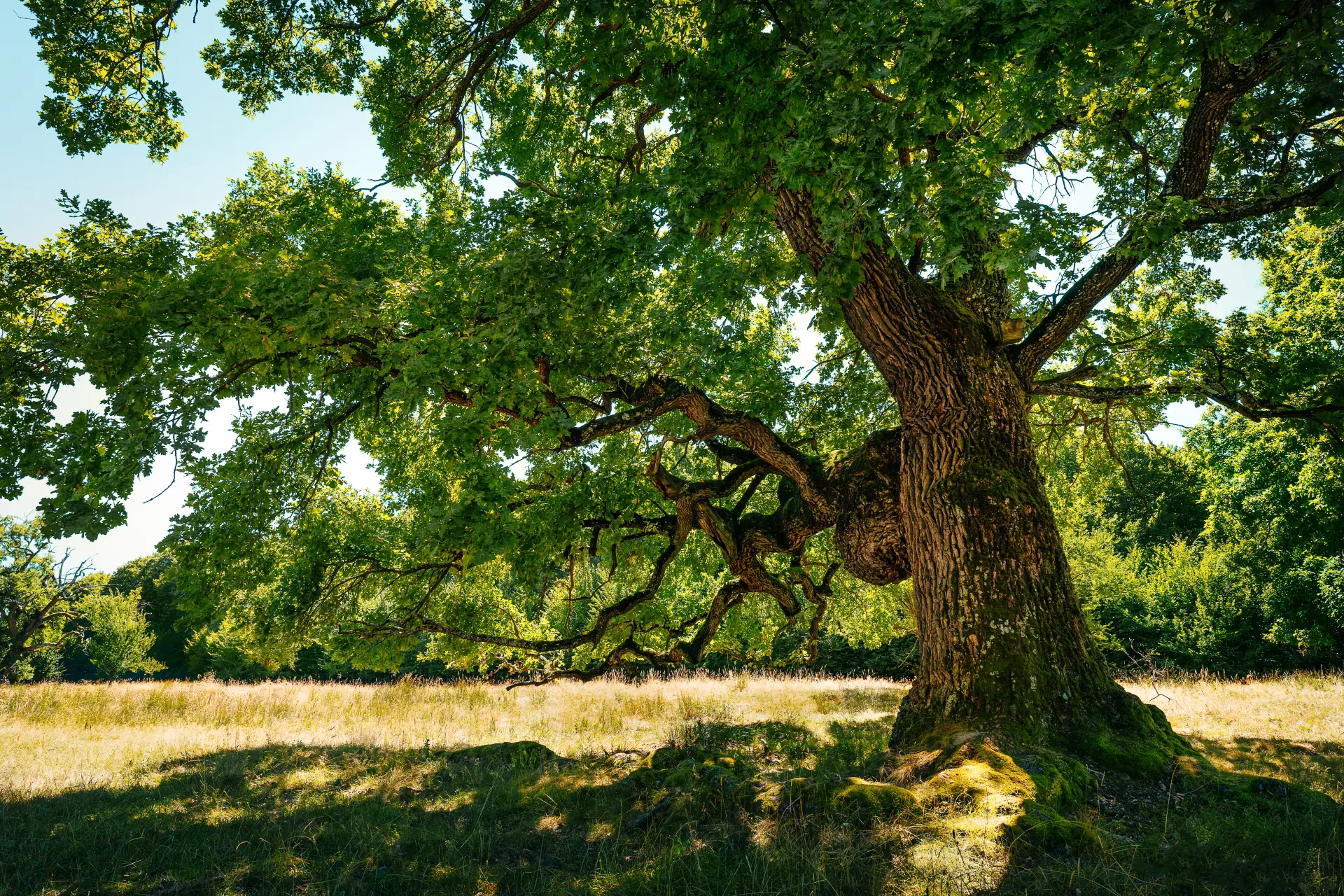
An uprooted tree is one of the clearest signs that storm damage has made a tree unstable. When a tree becomes uprooted, the roots lose their grip on the soil; this means that the tree’s main support system has failed. Even if the tree hasn't fallen over completely, it can shift at any time and become a serious danger to nearby people and properties.
The main signs of uprooting include trees that are leaning more than they used to, soil that looks raised or cracked around the base, and exposed roots. You might also see a gap opening up on one side of the trunk where the roots have pulled away. These signs show that the tree is unstable and may need removal to ensure safety.
The trunk is split, cracked, or snapped
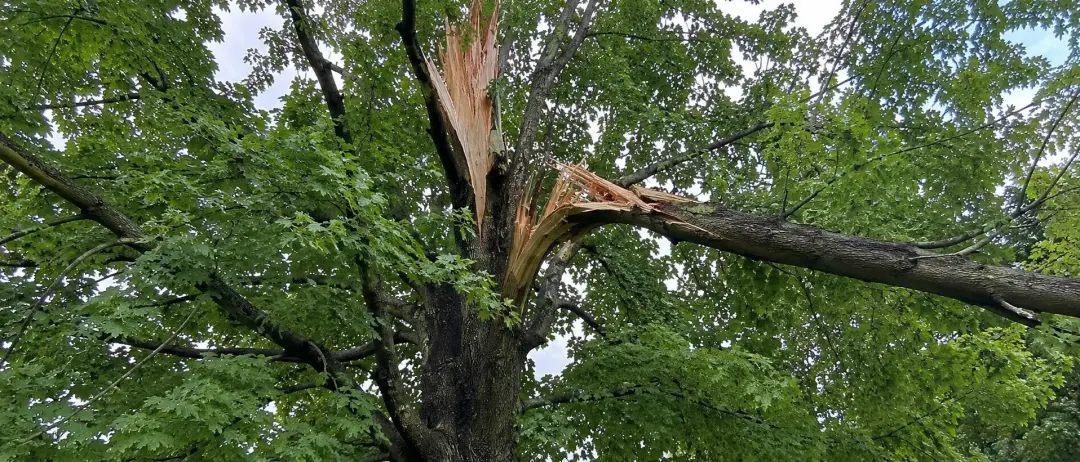
A tree's trunk provides essential stability, so when storm damage affects it, the entire structure can become unsafe. Strong gusts of high winds can push the tree's canopy from side to side, while heavy rain softens the ground and reduces the root system's hold.
This movement puts pressure on the trunk and main branches, and if the trunk splits or the wood fibres tear, the tree can collapse without warning. Cracks are a serious warning sign that should never be ignored. Some start as fine lines in the bark but can quickly extend down the trunk.
Fresh, pale wood showing through, loose bark, or sap oozing from the wound often indicate deeper issues. A crack means the trunk is no longer distributing weight evenly, which can cause the tree to lean, break, or fall suddenly.
Additionally, if the top of the tree has broken off, the remaining trunk can become unbalanced and catch the wind in new ways, adding stress to weak points. This type of damage can also open the door to disease and decay, as water, fungi, and insects enter the exposed wood. In such cases, the risks increase over time, making professional tree removal the recommended step rather than attempting any work yourself.
The tree is tangled with power lines or cables
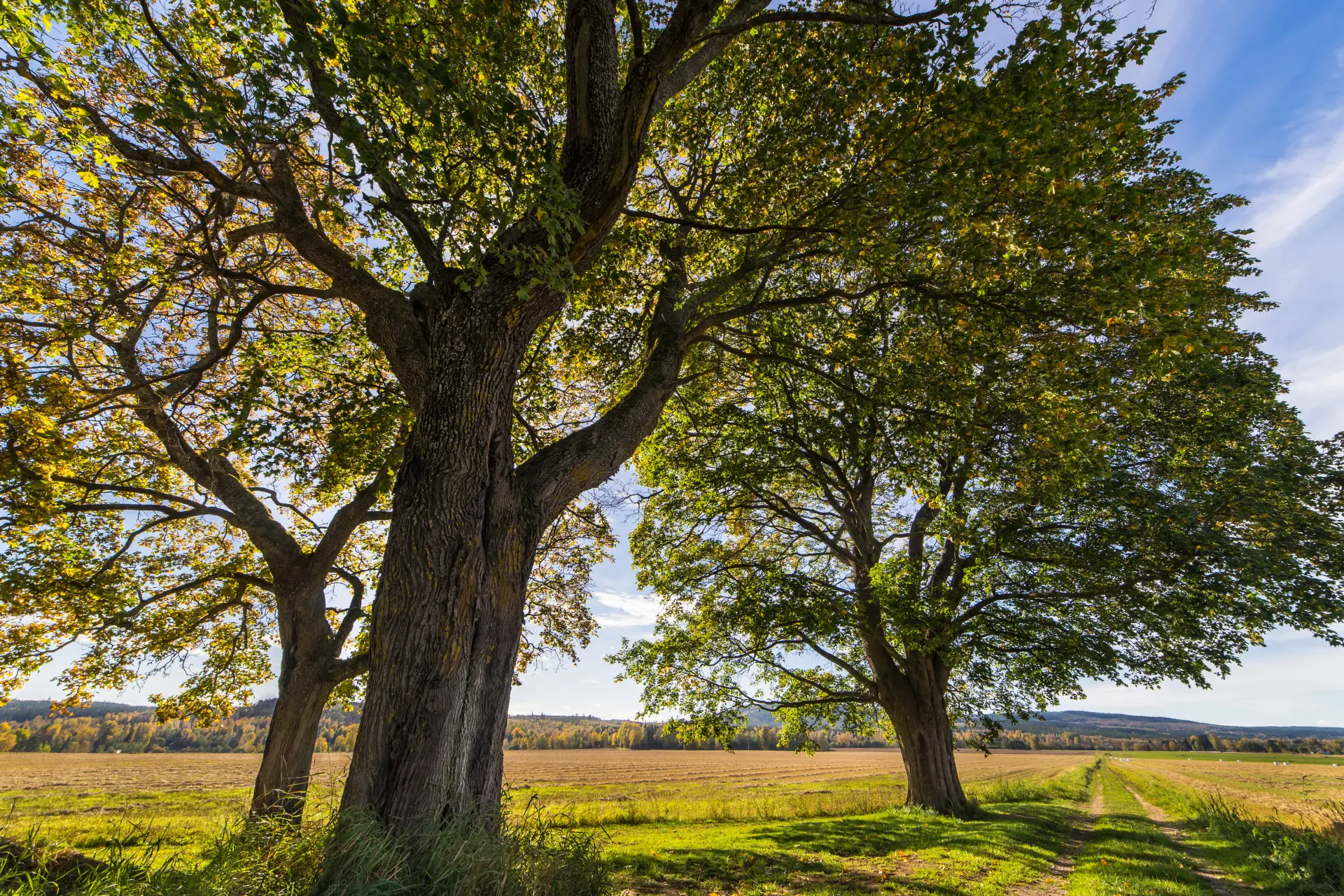
Trees that have become tangled with power lines or overhead cables after a storm demand immediate expert action. High winds can snap branches, tilt trunks, and drag whole trees into nearby power lines, creating dangerous situations.
Even a small branch in contact with a cable can create a serious risk of electrocution, especially since storm damaged branches are often wet and conduct electricity more easily. Never attempt to move or cut storm damaged tree material near power lines yourself, as this could lead to severe injury or further damage.
A tree caught in power cables can also cause outages by pulling lines down or straining poles. Broken power lines may remain live and pose fire hazards if they spark near buildings, driveways, or dry vegetation. This risk can persist long after the storm passes if the tree shifts as it dries out.
Additional signs that damaged trees pose risks
Beyond obvious uprooting or trunk splits, other indicators help when assessing storm damaged trees. Leaning trees with a noticeably tilted canopy, large broken branches hanging precariously, or visible cracks in the root system around the base all signal potential danger. Exposed or damaged roots can compromise stability, especially in soft or saturated soil following severe weather. In some cases, the bark may show signs of peeling or stripping, hinting at underlying decay that weakens the tree’s health and makes it more vulnerable to future storms.
It is essential to evaluate the location of the tree as well. Storm damaged trees near homes, buildings, structures, driveways, or high-traffic areas present heightened risks to property and people. Even if the tree appears stable at first glance, hidden damage to the root systems or internal wood can cause it to fall without further warning. Professional assessment by a qualified tree surgeon is the safest way to determine the extent of the damage and the best course of action.
When a damaged tree can be saved instead
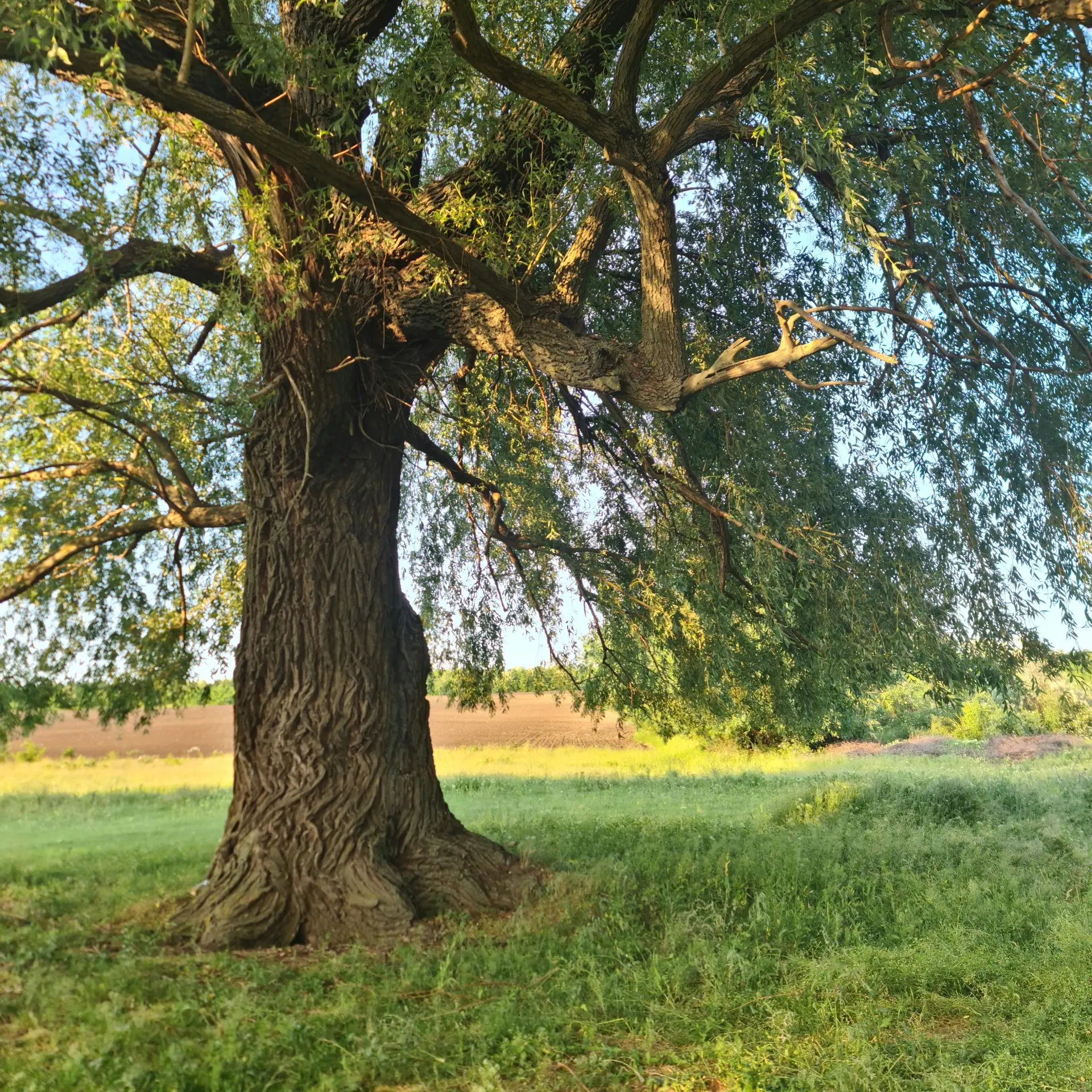
Not every storm damaged tree requires full removal. In many cases, a tree can be saved with proper care if the main structure remains strong and the damage is limited. This is more likely when the issues are confined to a few broken branches and less than a quarter of the canopy is affected. Careful pruning by a tree surgeon can remove weak or damaged limbs, restore balance to the crown, and help the tree recover its health over time.
Trees with minor surface damage to the bark or small cracks that do not penetrate deep into the trunk often respond well to expert pruning and monitoring.
However, if the damage affects the trunk's integrity, the root system, or more than a significant portion of the canopy, removal is usually the recommended option to avoid serious risks. Attempting DIY pruning or cutting on large or unstable trees is never advised, as it can worsen the situation and create new hazards.
The importance of professional tree removal and long-term safety
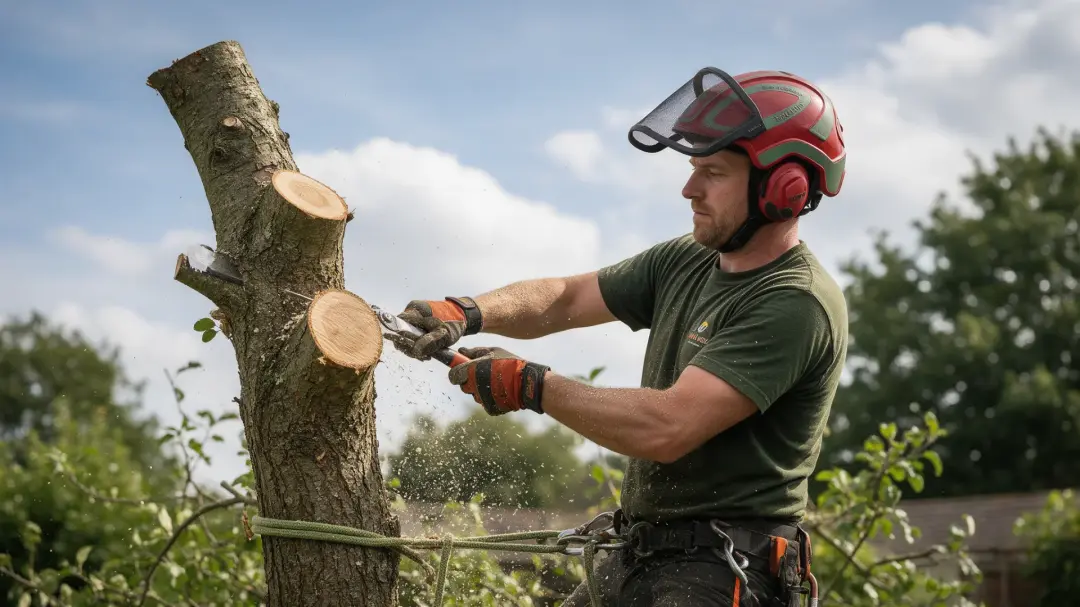
When storm damaged trees cannot be saved, professional tree removal ensures the work is carried out safely and efficiently using the right equipment. Tree surgeons have the expertise to assess the full extent of the damage, manage risks around power lines or nearby structures, and complete the removal without causing additional harm to your property. This step is particularly important for large or dangerous species that could impact buildings or utility infrastructure.
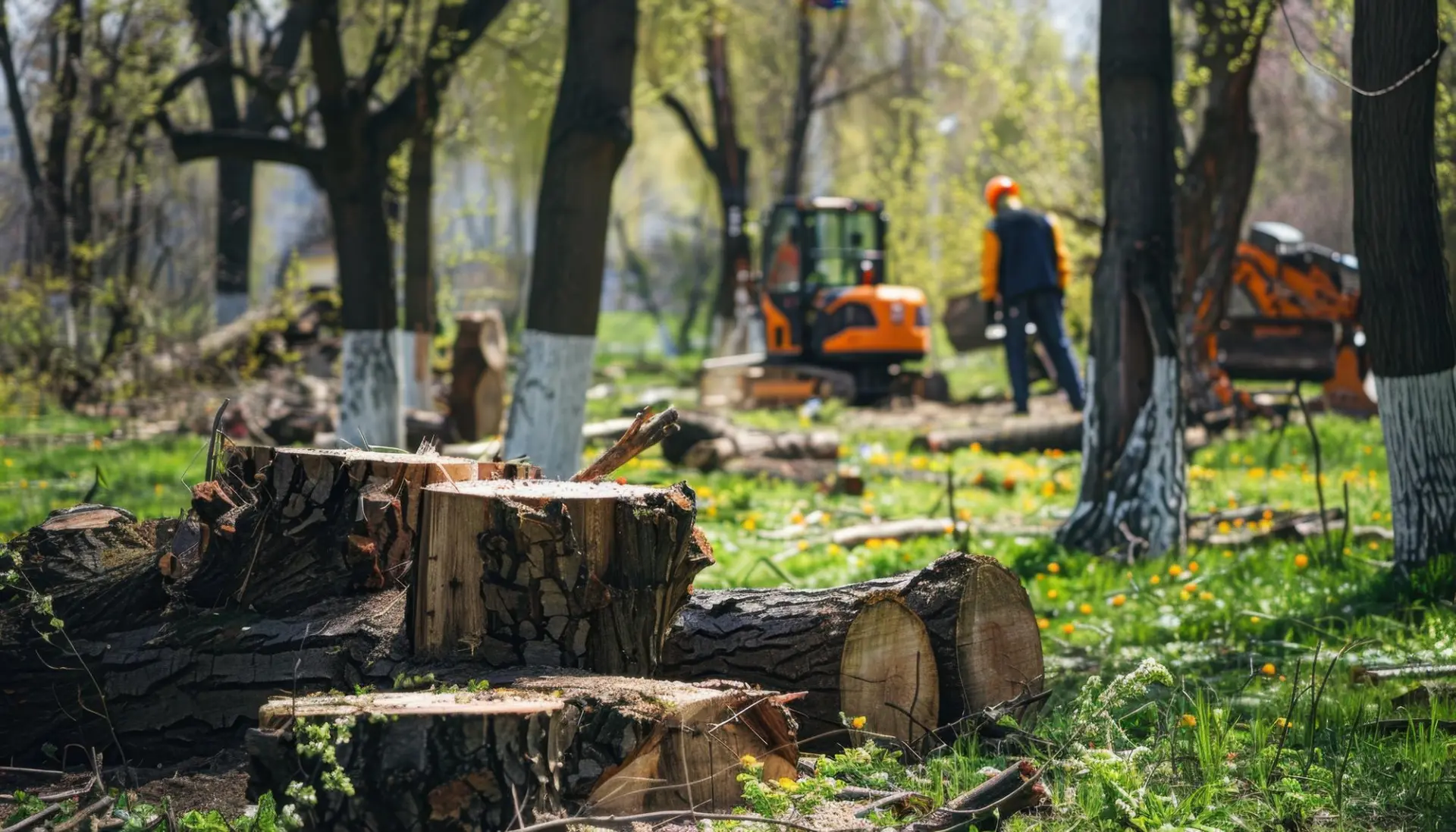
Beyond immediate safety, thinking about long term tree care helps prevent repeat issues. After removal, evaluating the soil and surrounding area supports healthy recovery for remaining trees.
Regular tree care, including checks for early signs of disease or decay, strengthens root systems and overall stability against future storms. Contacting a reputable professional tree service for expert advice provides peace of mind and helps protect your home and landscape.
In summary, recognising when storm-damaged trees need removing is crucial for safety. By assessing leaning, split trunks, exposed roots, and other warning signs promptly and seeking professional help when needed, you can minimise risks and support the long-term health of your trees and property.
Blackdown Treescapes provides safe, reliable tree removal and maintenance services across Wellington, Cullompton and Blackdown Hills. We remove dangerous, damaged, or unwanted trees with care, and we also offer advice on forestry and woodland management.