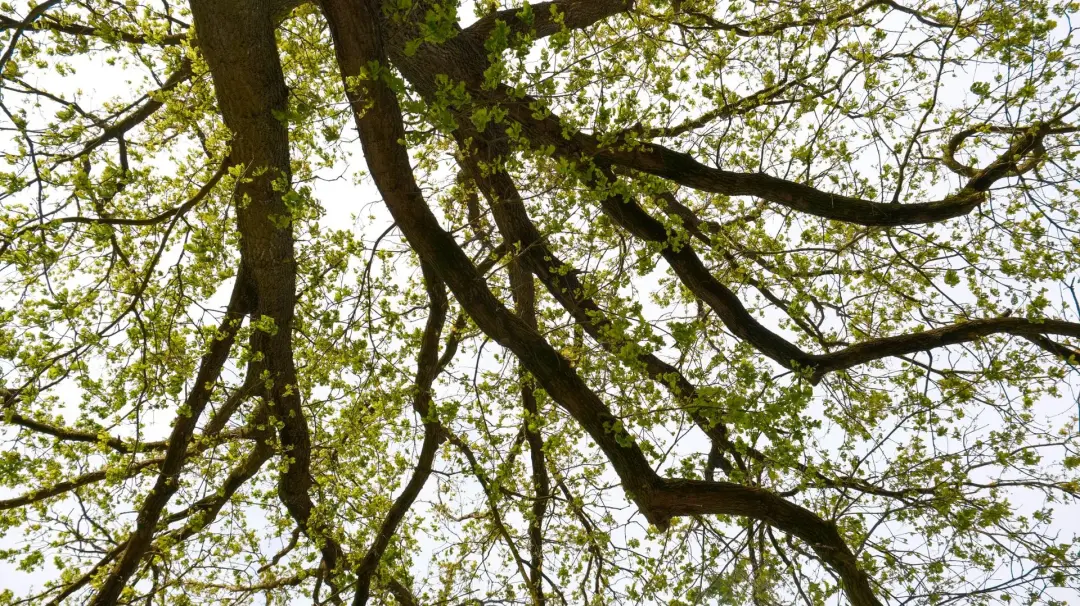
When Does a Tree Need Crown Reduction? Learn to identify overgrown trees and how crown reduction techniques improve safety, appearance, and long-term health.
Why Crown Reduction Is Sometimes Needed
Crown reduction is sometimes needed when a tree has grown beyond the space available to it. As trees mature, their branches can spread over roofs, gardens, paths, roads, and neighbouring land. This does not always mean the tree is unhealthy, but it may need careful management to keep it safe and suitable for its setting.
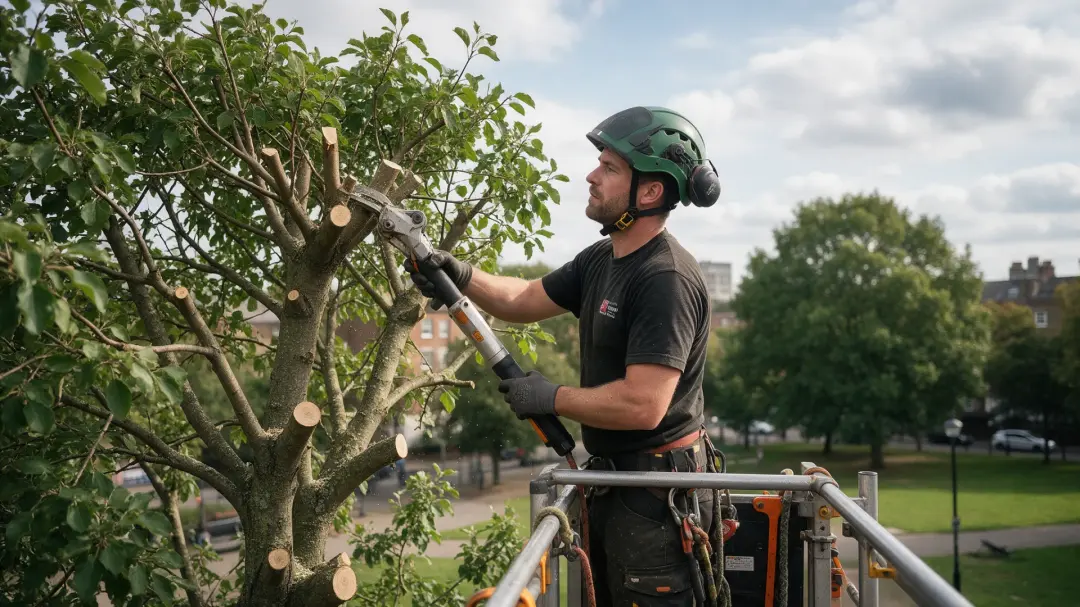
A proper crown reduction reduces the overall size and spread of the canopy while keeping the natural shape of the tree. It is different from harsh cutting because selected branches are shortened back to suitable growth points. This helps control the tree without leaving it weak, unbalanced, or unsightly.
Crown reduction may also be needed when a tree is blocking light, placing strain on heavy limbs, or growing too close to buildings. When carried out correctly, it can reduce risk, improve appearance, and support long-term health for the tree and the surrounding property overall.
Signs a Tree Has Become Too Large
A tree may need crown reduction when it has clearly outgrown its location. One common sign is a canopy that has become much wider or taller than the surrounding space can safely support. Branches may begin to overhang roofs, press against fences, block windows, or stretch across paths and driveways. In smaller gardens, a large crown can make the whole area feel shaded, cramped, and difficult to use.
Another sign is when the tree starts to look out of balance. This can happen if one side has grown more strongly than the other, or if long branches are reaching too far from the main stem. Overextended branches can place extra strain on the tree, especially during strong winds or heavy rain. You may also notice branches dipping lower than they used to, which can suggest that the crown has become too heavy.
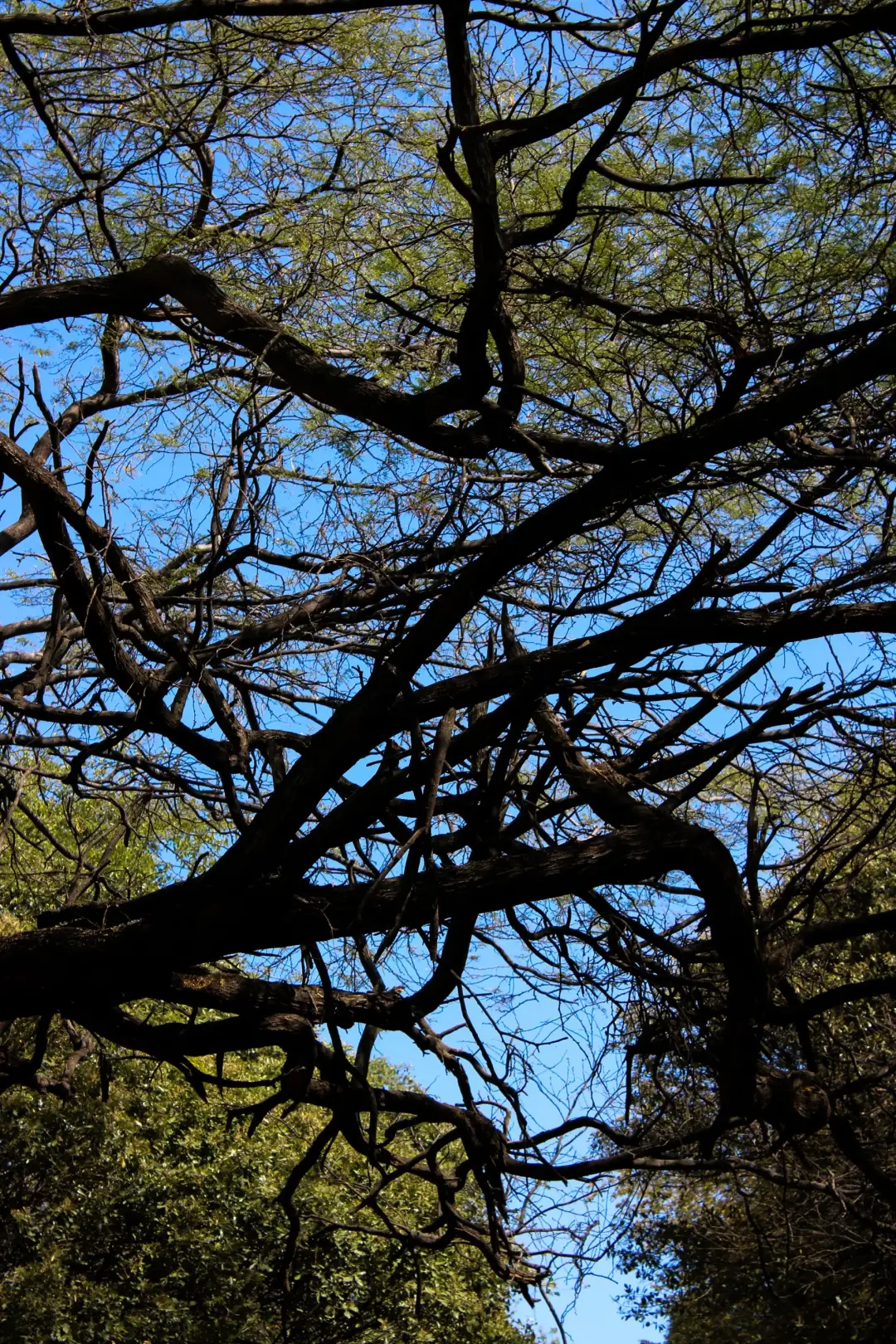
A tree that drops more twigs than usual, rubs against nearby structures, or causes concern during bad weather should be inspected by a qualified tree surgeon. These signs do not always mean the tree must be removed. In many cases, a planned crown reduction can make the tree safer and more suitable for the space while keeping its natural form.
It is also worth considering how the tree affects nearby plants. If grass, shrubs, or flower beds struggle because the canopy is blocking too much light and rain, crown reduction may help restore better growing conditions below and make the garden easier to maintain for every season ahead.
When Branches Are Too Close to Buildings
Branches growing too close to buildings are a common reason for crown reduction. As a tree spreads, limbs can begin to touch walls, roofs, gutters, windows, and chimneys. This can cause noise in windy weather, damage roof coverings, block drainage, or allow damp leaves to build up in awkward places.
Crown reduction can create a safer gap between the tree and the property without removing the tree completely. Rather than cutting branches back harshly, a tree surgeon will shorten selected limbs to suitable points so the crown remains balanced.
This work can be especially useful where trees stand close to houses, garages, sheds, schools, offices, or boundary walls. It helps prevent damage before it becomes more serious. It can also make inspections and repairs easier by keeping branches away from important parts of the building. Early action can prevent costly repair work and keep the tree from causing repeated problems.
Reducing Weight on Heavy Branches
Heavy branches can become a serious concern when they extend far from the main stem or lean over areas people use regularly. As branches grow longer and thicker, their own weight increases. In wet weather, that weight can rise further as leaves, moss, and water add pressure. During strong winds, the movement of a heavy limb can place even more strain on the tree.
Crown reduction helps by shortening selected branches and reducing the load on weak or overextended limbs. This can lower the chance of branches splitting, tearing, or falling. It can also reduce stress where large limbs join the main stem. These branch unions are important points in the tree, and too much strain can lead to cracks or failure.
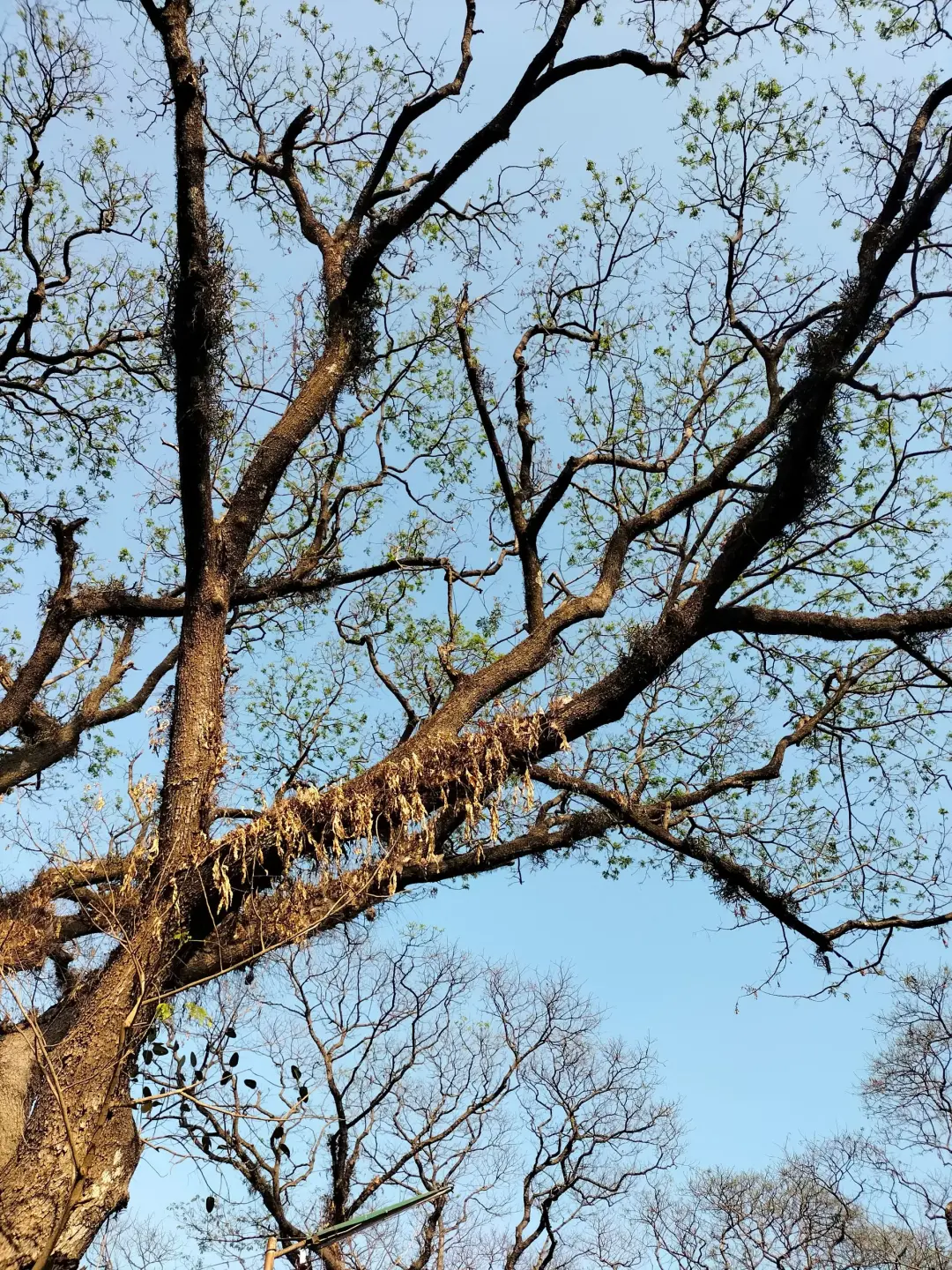
This type of work is often recommended when a branch hangs over a path, driveway, seating area, roof, greenhouse, or parked vehicle.
It may also be advised when a tree has included bark, old wounds, decay, or a past history of limb failure. A qualified tree surgeon can inspect the structure and decide whether crown reduction, crown thinning, bracing, or another method is most suitable.
The aim is not to remove large amounts of growth for no reason. Good crown reduction targets the branches causing the main concern while keeping enough healthy foliage for the tree to recover.
When done well, it can improve safety while preserving the tree. This can be especially valuable for mature trees that add character but need careful support in confined nearby spaces.
Improving Safety Around Paths, Roads, and Gardens
Crown reduction can improve safety where branches overhang paths, roads, gardens, car parks, and other busy areas. Low, long, or heavy limbs may become a risk if they obstruct movement, reduce visibility, or break during bad weather. Even smaller falling branches can cause injury or damage when they land in the wrong place.
A tree surgeon may recommend reducing the crown to shorten risky branches and improve clearance. This can help pedestrians, drivers, cyclists, and visitors move around more safely. It can also make gardens feel more open and easier to use.
Safety work should always be planned with care. Cutting too much can harm the tree and create future problems. A balanced crown reduction keeps the tree stable, attractive, and better suited to its surroundings while reducing avoidable risks. Regular checks are useful because branches can change quickly after storms, heavy growth, or long periods of wet weather nearby.
Helping More Light Reach Your Property
A large tree can bring beauty, privacy, and wildlife value, but it can also block a lot of natural light. When a dense crown spreads over a garden, patio, conservatory, window, or seating area, the space below may become dark and damp. Grass may thin out, plants may struggle, and outdoor areas may feel less welcoming.
Crown reduction can help more light reach your property by reducing the height and spread of selected branches. It does not remove the whole canopy, but it can make the tree more proportionate and allow light to pass around and through the crown more easily. In some cases, crown thinning may be used alongside reduction, but this depends on the tree species, condition, and location.
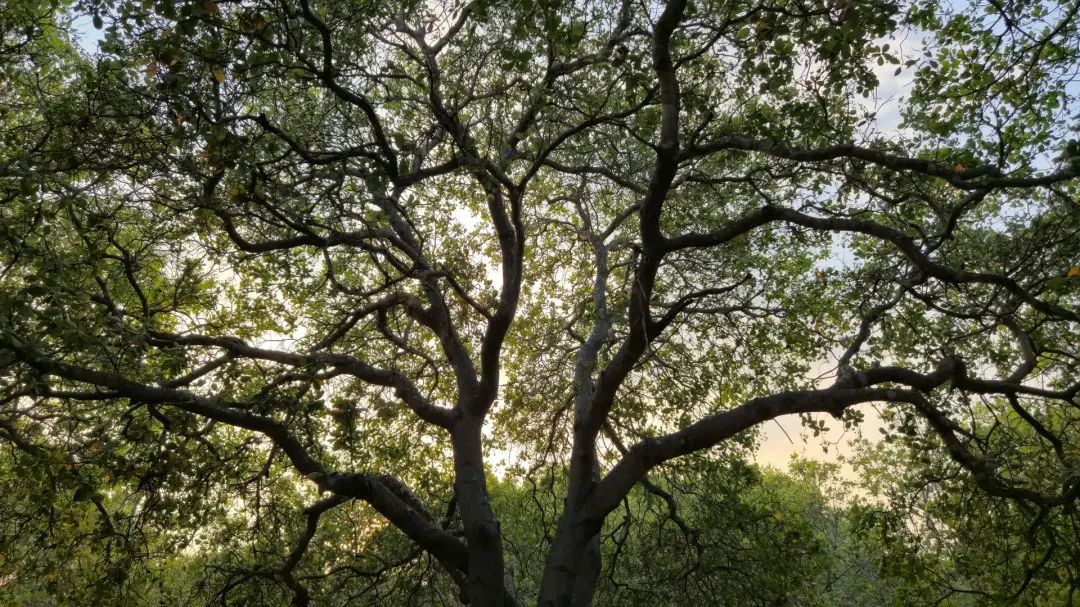
Improving light levels can be especially helpful in smaller gardens or built-up areas where trees stand close to homes. It may also reduce moss growth on paths, roofs, and lawns by helping surfaces dry more quickly after rain.
It is important to remember that crown reduction should not be carried out simply to strip a tree back as much as possible. Trees need leaves to produce energy and stay healthy. A good tree surgeon will aim for a sensible balance, improving light while keeping the tree strong, natural-looking, and able to grow well after the work is complete. This can make everyday rooms feel brighter and help outdoor spaces become more pleasant for family use, work, or quiet time throughout the year in changing weather and seasons.
Managing Trees After Storm Damage
Storm damage can leave a tree unsafe, uneven, or under strain. Strong winds may snap branches, split limbs, tear bark, or leave the crown looking unbalanced. Even if the tree is still standing, damaged branches can weaken its structure and increase the risk of further failure.
Crown reduction may be used after storm damage to remove broken growth and reduce stress on the remaining branches. By reshaping the crown carefully, a tree surgeon can help restore balance and reduce the chance of damaged limbs breaking later. This can be safer than leaving long, weakened branches in place.
Not every storm-damaged tree can be saved, but many can recover with the right work. A professional inspection is important because hidden cracks, decay, or split joints may not be clear from the ground. Prompt action can stop loose branches from falling unexpectedly and causing extra damage after the storm has passed.
Protecting the Health and Shape of the Tree
Crown reduction is not only about controlling size. When carried out correctly, it can protect the health and natural shape of the tree. A well-planned reduction removes or shortens selected branches while keeping the crown balanced. This helps the tree remain attractive and reduces the chance of weak regrowth.
Good tree work follows the natural growth pattern of the tree. Branches are cut back to suitable side branches or growth points, rather than being cut at random lengths. This helps the tree seal wounds more effectively and continue growing in a stable way. Poor cutting can leave large stubs, open wounds, and weak shoots that are more likely to break in future.
A healthy tree also needs enough foliage after the work is complete. Removing too much of the crown can put the tree under stress and reduce its ability to produce energy. This is why crown reduction should be measured and suitable for the tree species, age, condition, and location.
Protecting shape is also important for appearance. A good crown reduction should leave the tree looking like a smaller version of itself, not as though it has been cut back severely.
When the work is done by a qualified tree surgeon, the finished result should look natural, balanced, and appropriate for the space. This can also help avoid future disputes with neighbours, especially where trees grow close to boundaries, shared access routes, or smaller gardens where space is limited and regular upkeep is important for everyone nearby involved.
Crown Reduction for Trees Near Power Lines
Trees growing near power lines need careful management because branches can create serious safety risks. If limbs touch or grow too close to overhead lines, they may cause damage, power problems, or danger during wet and windy weather. This is not work that should be attempted without proper training.
Crown reduction may be used to create safer clearance between the tree and nearby lines. However, the work must be planned correctly and may need permission or involvement from the relevant network operator. The safest approach depends on the type of line, distance from the tree, and level of risk.
A qualified tree surgeon can assess the situation and advise on the right steps. Safety should always come first, especially when electricity is involved. Keeping trees managed near power lines protects people, property, and services. No branch near a power line should be cut without clear advice and safe working procedures.
When Crown Reduction Is Better Than Tree Removal
Crown reduction is often a better choice than tree removal when the tree is healthy but has become too large for its space. Removing a tree can leave a garden exposed, reduce privacy, affect wildlife, and change the look of a property. In many cases, careful reduction solves the problem while keeping the tree in place.
This approach can be suitable when branches are too close to buildings, blocking too much light, placing weight on heavy limbs, or overhanging areas where people walk or park. If the main structure of the tree is sound, reducing the crown may lower the risk without the need for full removal.
Keeping a healthy tree also brings benefits. Trees provide shade, shelter, character, and habitat for birds and insects. They can soften the look of buildings and help gardens feel more established.
Because of this, removal should usually be considered only when there is a strong reason, such as severe decay, dangerous instability, major structural damage, or unsuitable location.
A qualified tree surgeon can help decide whether crown reduction is a practical option. They will look at the tree species, condition, size, surroundings, and any legal protection that may apply.
If reduction can manage the issue safely, it may be the most sensible and balanced choice. The aim is to protect people and property while preserving the tree wherever possible. It can also reduce waste, protect nesting spaces when timed correctly, and keep the landscape more settled for the people who use it daily.
Why Tree Topping Should Be Avoided
Tree topping should be avoided because it is a harsh and damaging way to cut a tree. It usually involves removing large sections of the crown and leaving stubs or flat cuts. Although it may make the tree smaller quickly, it often creates long-term problems.
Topping can weaken the tree, expose it to decay, and encourage fast, weak regrowth. The new shoots may grow from stressed areas and can be poorly attached, making them more likely to snap later. It can also ruin the natural shape of the tree and leave it looking unsightly.
Crown reduction is a much better method when size needs to be controlled. It reduces selected branches carefully while keeping the tree balanced and healthy. A qualified tree surgeon will avoid topping and use proper pruning methods that protect the tree’s future. This gives better results and reduces the need for major corrective work later.
How Often Does a Tree Need Crown Reduction?
How often a tree needs crown reduction depends on the species, growth rate, age, health, location, and reason for the work. Some trees grow quickly and may need managing every few years, while slower-growing trees may only need attention much less often. There is no single timetable that suits every tree.
After a crown reduction, the tree will continue to grow. New shoots may form around the cut areas, and the canopy may slowly become larger again. A qualified tree surgeon can advise when the tree should next be checked. Regular inspections are often better than waiting until the tree becomes too large or unsafe.
The setting also matters. A tree in an open field may need less frequent reduction than one beside a house, road, school, public path, or power line. Trees close to buildings or busy areas often need closer monitoring because the risk is higher if branches become overgrown or damaged.
It is also important not to reduce a tree too often or too severely. Repeated heavy cutting can weaken the tree and lead to poor regrowth. Good management is about timing the work properly and only removing what is needed. A careful approach helps maintain safety, shape, and health over the long term. Seasonal timing may also affect when work is suitable. Some trees are best reduced at certain times to lower stress, avoid excessive sap loss, and protect nesting wildlife. A tree surgeon can advise the most appropriate period for safe and responsible pruning.
Why You Should Use a Qualified Tree Surgeon
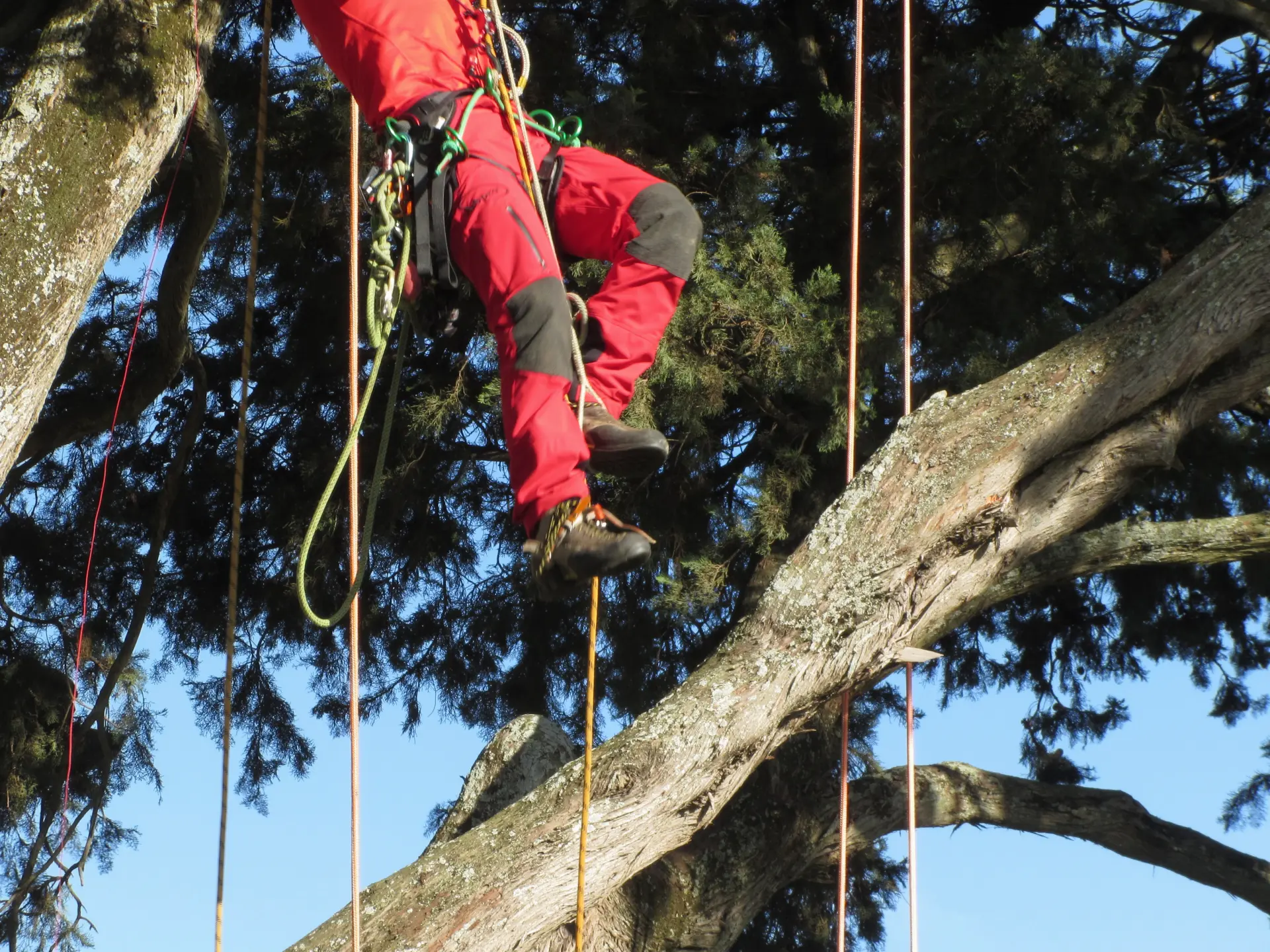
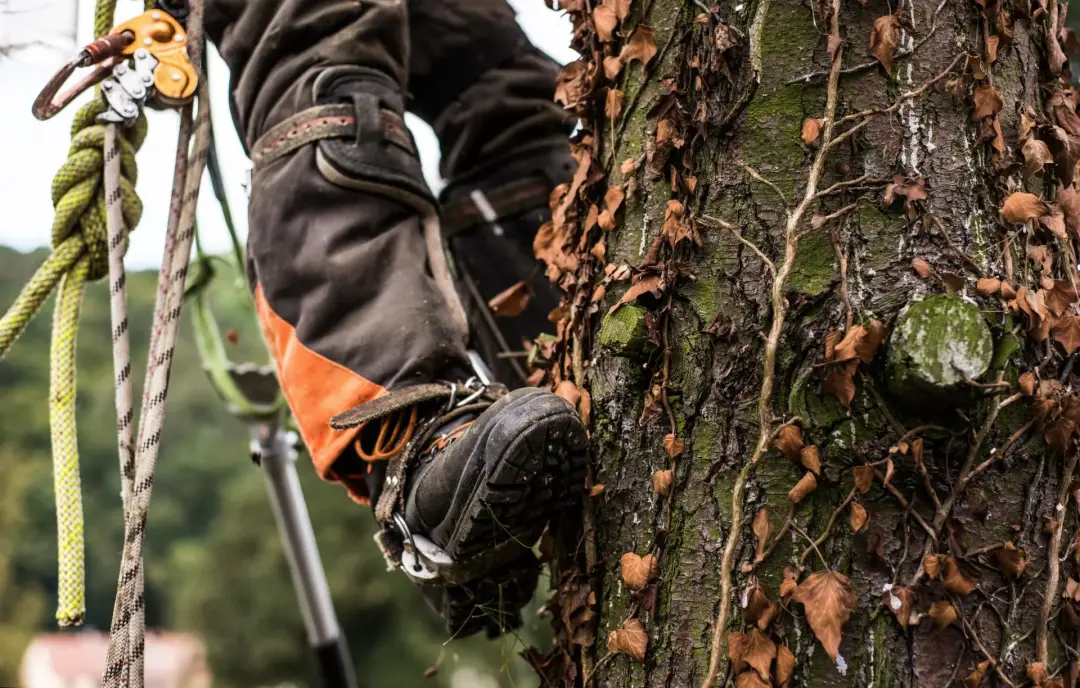
Crown reduction should be carried out by a qualified tree surgeon because poor cutting can harm the tree and create safety problems. Tree work often involves height, sharp tools, falling branches, and nearby buildings or services. Without the right training, it can be dangerous for both people and property.
A qualified tree surgeon understands how to reduce a crown without damaging the structure of the tree. They can identify weak branches, decay, disease, poor shape, and other risks that may not be obvious from the ground. They will also know how much growth can be removed safely.
Professional tree surgeons can check whether permission is needed before work begins, especially if the tree is protected or in a conservation area. Using the right person helps ensure the work is safe, legal, and suitable for the tree. This gives you confidence that the finished result will be safe, tidy, and responsible.
Blackdown Treescapes provides safe, reliable tree removal and maintenance services across Wellington, Cullompton and Blackdown Hills. We remove dangerous, damaged, or unwanted trees with care, and we also offer advice on forestry and woodland management.