Learn what a tree bracing service is, how it works, and when it may be needed to safely support weak branches, large limbs, or a leaning tree. Tree bracing, tree cabling, and tree bracing can help protect people, property, and the surrounding environment while preserving a valuable tree for longer.
Have you noticed visible cracks in a tree's trunk, branches that seem to be pulling away, or heavy limbs that move too much in the wind? These can be signs that a tree may need extra support. Tree bracing is a professional tree care method used to stabilise trees that have developed structural issues. When carried out properly by experienced tree surgeons or a certified arborist, bracing and cabling can reduce risk, prevent further damage, and help a tree live longer.
What Is a Tree Bracing Service?
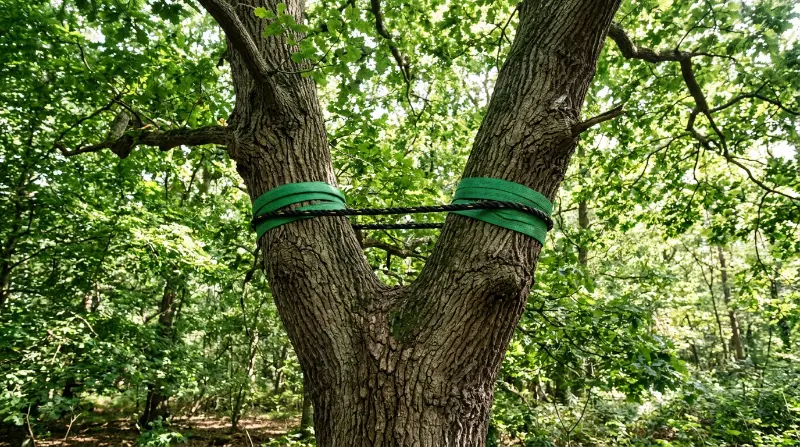
Tree bracing is a specialist tree surgery technique used to provide structural support to a tree that has weak branches, vulnerable branches, a split trunk, or weak branch unions. The bracing process typically involves the installation of steel rods, bracing rods, or other tested hardware inside the tree's structure to strengthen areas that may fail under their own weight.
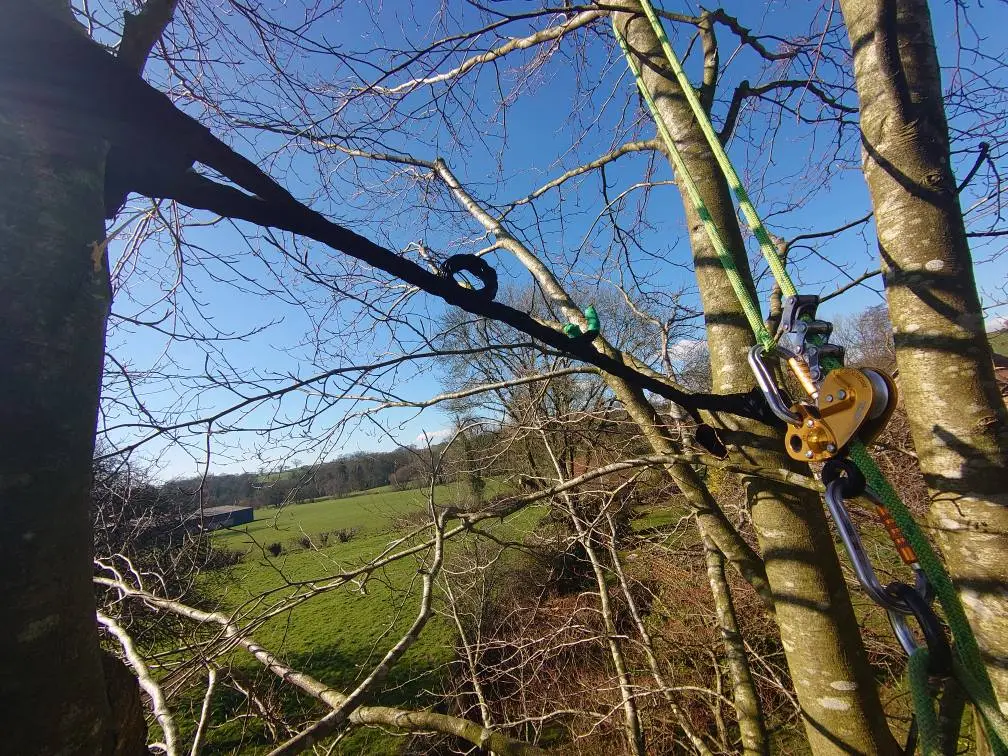
Tree cabling is a related method that uses flexible steel cables to limit excessive movement in the canopy. Tree cabling is often used when large branches, large limbs, or codominant stems require support but still need to move naturally with the wind. Tree cabling and bracing are often used together when the tree needs both flexible support and firm internal reinforcement.
Unlike tree pruning or tree removal, bracing does not aim to change the shape of the entire tree. Instead, it works with the existing structure to reduce strain on weak areas. Cabling and bracing can be a cost-effective solution when the tree is healthy enough to preserve and when removal is not the best course of action.
A qualified arborist will assess the tree before recommending tree bracing, tree cabling, or a combination of both. This inspection helps determine whether the tree can be safely supported, whether the defect is worsening, and whether the support systems are suitable for the tree species, age, location, and condition.
How Tree Cabling and Bracing Work Together
Tree cabling and bracing are designed to stabilise trees by reducing movement and sharing the load across stronger parts of the tree. Tree cabling is commonly used in the upper canopy, where flexible cables can connect large branches or stems. This reduces strain during high winds, heavy snow, ice, and severe weather.
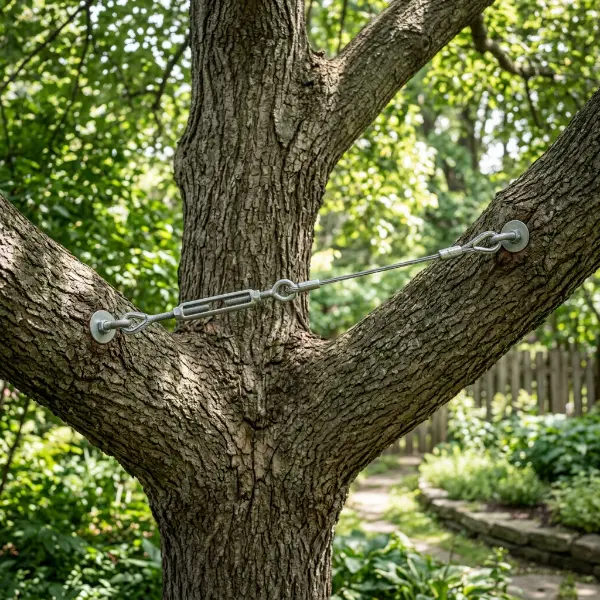
Bracing is usually installed lower in the tree, often through the trunk or main stem, where steel rods are inserted to reinforce cracks, splitting, or weak unions. Bracing systems provide firm support where movement must be reduced. Cabling systems allow controlled movement while helping to prevent branch failure.
The cabling and bracing process must be planned carefully. Proper installation is essential because poor installation can damage not only the tree, but also the surrounding property and people nearby. A certified arborist or experienced tree surgeon will choose suitable materials, identify safe anchor points, and install the hardware in a way that supports the tree without placing new stress on weakened areas.
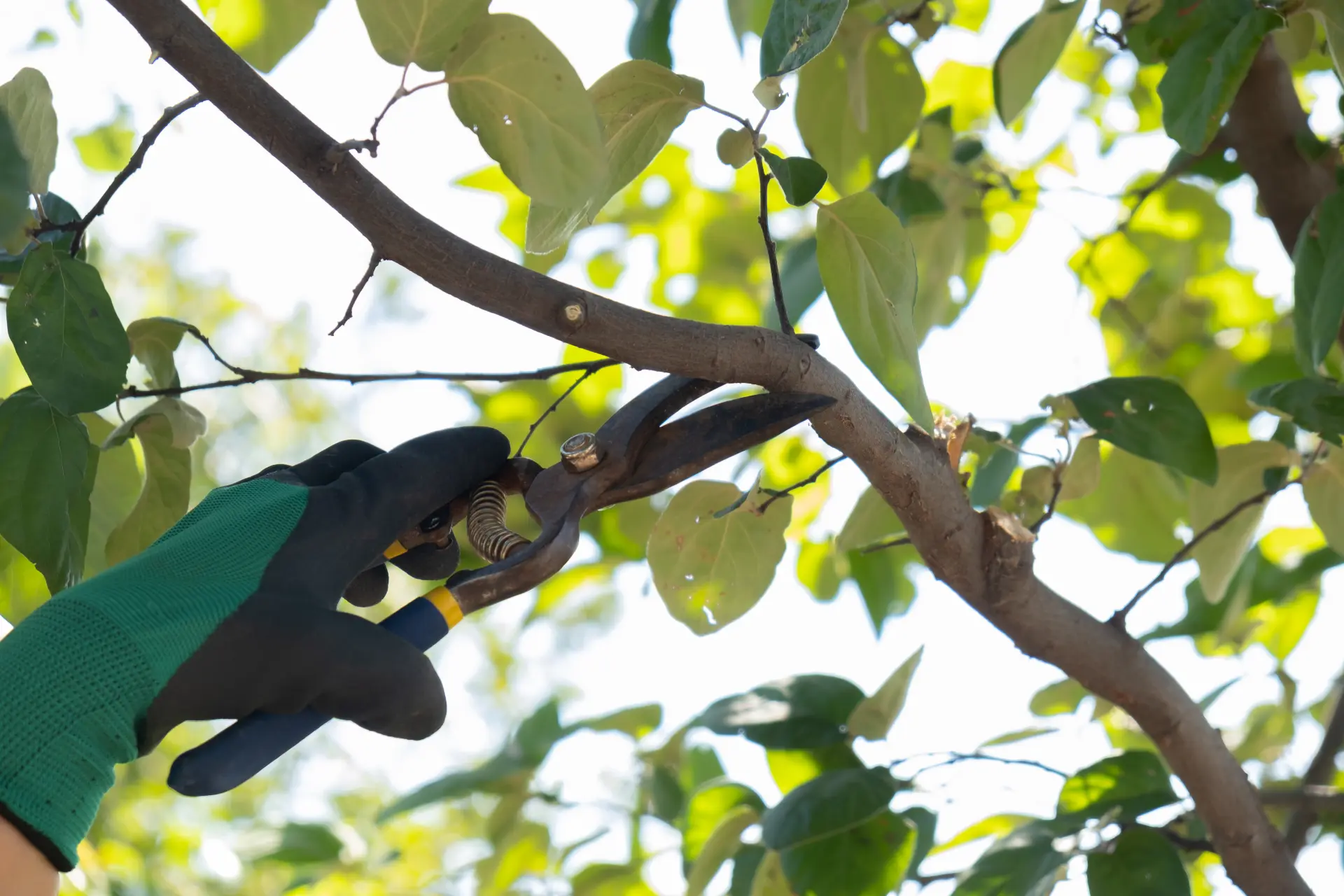
In some cases, tree cabling and bracing are used in conjunction with pruning. Pruning can reduce weight on overextended branches and heavy branches, while cabling and bracing provide long-term support. This combination can be highly effective when the goal is maintaining the tree, improving safety, and protecting the landscape.
Common Signs a Tree May Need Bracing
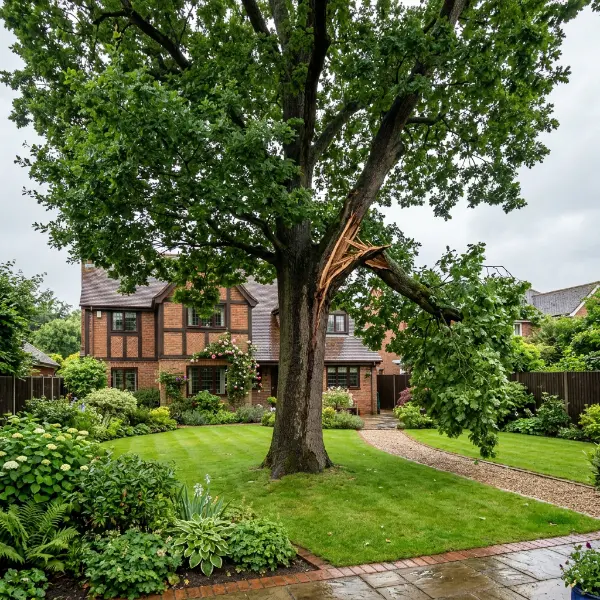
Several signs can show that a tree may need bracing. One of the clearest signs is a crack or split in the trunk. A split trunk can lead to catastrophic failure if it is left unchecked, especially during the next storm. Visible cracks in the tree's trunk, along major branches, or near branch unions should always be inspected by a professional arborist.
A leaning tree may also require support, especially if the lean has developed recently or appears to be getting worse. Some trees lean naturally for many years and remain safe, but a leaning tree with cracks, root damage, or soil movement may need urgent inspection.
Weak branch unions are another key issue. These often occur where two stems form a narrow V shape. This type of union can trap bark between the stems, making the connection weak and prone to splitting. Codominant stems are common in some tree species and can create long-term structural stability problems if they are not corrected early.
Other warning signs include falling branches, large limbs hanging over buildings, weak branches above a footpath, or overextended branches that appear unable to safely support their own weight. If you are worried about a tree in your yard, it is better to have it checked before failure occurs.
Why Some Trees Are More Prone to Structural Problems
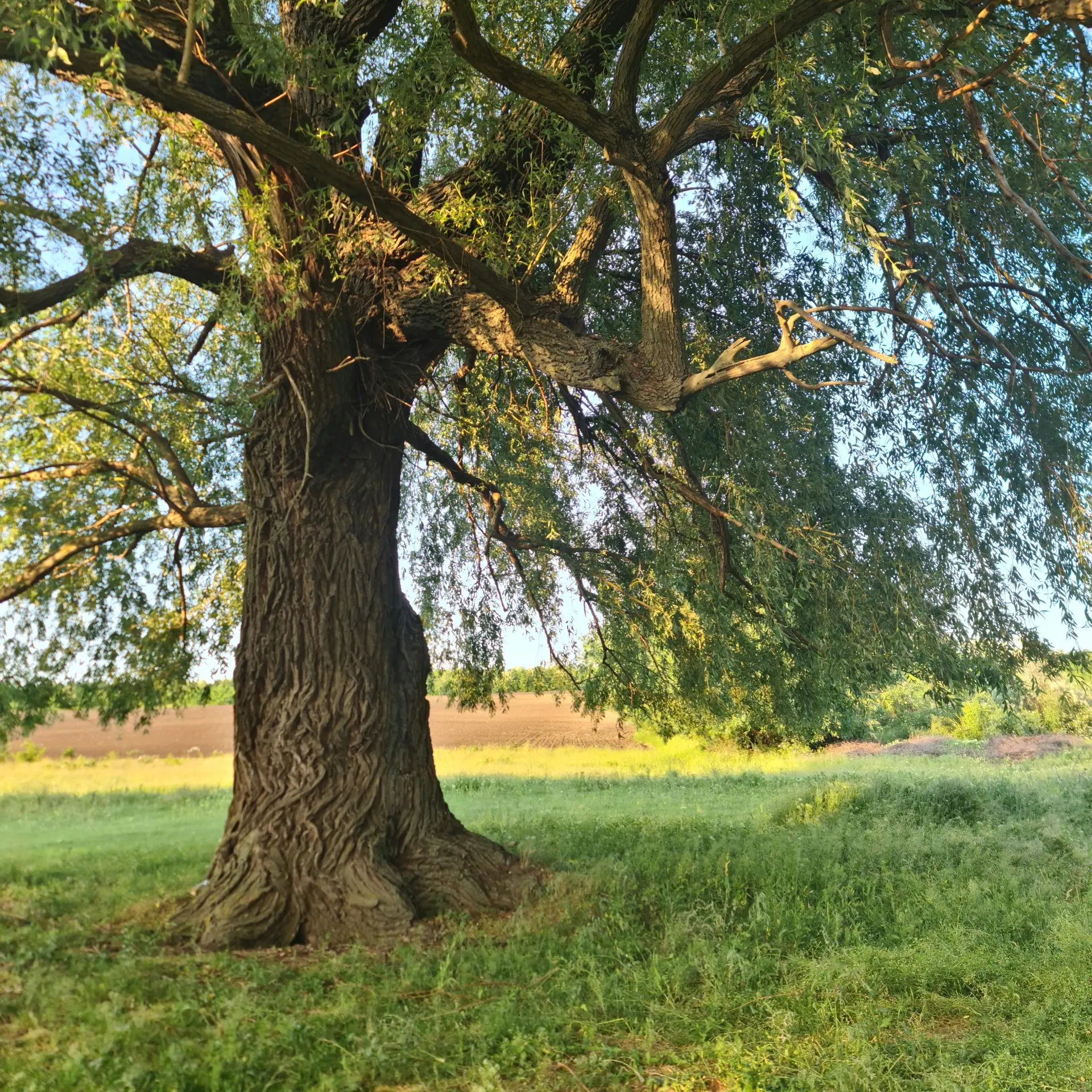
Different species grow in different ways, and some are more likely to develop structural issues. Oaks, elms, and other mature trees can develop heavy limbs over decades. These large limbs may provide shade, beauty, and character, but they can also place stress on the trunk and canopy.
Young trees can also develop defects if they are not pruned correctly during early growth. Good tree care in the developing years can prevent weak unions, poor shape, and future splitting. Tree growth should be monitored so that problems can be corrected before the tree becomes too large to manage easily.
Mature trees may need support because their size, weight, and location make failure more serious. A large tree close to a house, walls, roads, or other infrastructure can create serious hazards if large branches fall. In these situations, tree cabling, bracing, and ongoing inspection can make a major difference to safety.
Storm Damage and Other Causes of Tree Weakness
Storm damage is one of the most common reasons homeowners and property owners arrange a tree bracing assessment. High winds can place heavy forces on the canopy, while heavy snow or ice can add sudden weight to branches and limbs. Even when a tree stays standing after a storm, internal cracks or weakened unions may still have developed.
Extreme weather and severe weather can also expose existing defects. A tree with decay, disease, weak branches, or old cracks may appear stable in calm conditions but fail when subject to wind, snow, or heavy rain. Tree cabling and bracing can reduce risk by limiting movement and supporting vulnerable parts before the next storm.
Other causes of weakness include decay inside the trunk, damage from construction work, root disturbance, poor pruning, and long-term stress from soil changes. A tree may also become weakened when large branches have been removed incorrectly, leaving wounds that allow decay to enter.
A professional tree care company with local expertise can assess these factors and decide whether tree cabling, bracing, tree pruning, or removal is the safest approach.
Tree Bracing vs Tree Removal
Tree removal is sometimes required, but it is not always the only option. Tree bracing can preserve a valuable tree when the defect can be managed safely. This is especially important for healthy trees that add shade, beauty, and appeal to a garden or wider landscape.
Tree cabling and bracing are often recommended when a tree has a major structural issue but still has good overall tree health. If decay is limited, the root system is stable, and the trunk or canopy can be supported, cabling and bracing may help extend the tree's useful life.
However, bracing is not suitable in every case. If the tree has severe decay, major root failure, extensive structural damage, or defects that cannot be safely supported, tree removal may be required. A qualified arborist can explain the reasons and provide clear recommendations.
The goal is always to reduce risk while making a safe and sensible decision. In some cases, cabling and bracing can prevent removal. In other cases, removing the tree is the safest solution for people, property, and the surrounding environment.
When Tree Cabling and Bracing Are the Right Solution
Tree cabling and bracing are most useful when the tree is still healthy enough to respond well to support. A tree may need cabling if it has heavy limbs, large branches, weak unions, or excessive movement in the canopy. A tree may require bracing if there are cracks, splitting, or defects in the trunk or main stem.
Cabling and bracing are also suitable when a tree has overextended branches growing above a home, road, path, or seating area. These branches may not fail immediately, but their weight can increase the chance of branch failure over time. Tree cabling can reduce movement, while bracing can strengthen the weak point.
This approach is also useful for mature trees that have high value in a garden or public area. A good arborist will consider the tree's health, structure, age, species, location, and future growth before deciding whether support is needed.
Tree cabling and bracing can be especially helpful where the tree is protected, where removal would damage the look of the area, or where the tree provides important shade and habitat.
What Happens During the Cabling and Bracing Process?
The cabling and bracing process begins with a detailed inspection. The arborist will assess the trunk, stems, branches, canopy, roots, and ground around the tree. They will look for cracks, decay, weak unions, large limbs, disease, movement, and signs of stress.
The arborist will then determine whether cabling, bracing, pruning, or another solution is most suitable. In many cases, the work is carried out in stages. Pruning may first reduce weight on heavy branches. Tree cabling may then be installed to support the canopy. Bracing rods or steel rods may be fitted to strengthen a split trunk or weak branch union.
The installation must be carried out with care. A tree surgeon may need to climb the tree to place cabling hardware at the correct height. Bracing rods may be inserted through the weakened area to hold the structure together. The work requires experience, tested materials, and a clear understanding of how the tree will continue to grow.
When done properly, cabling and bracing can reduce the tree's strain without stopping natural movement. This is important because trees need some movement to maintain strength and continue healthy growth.
Why Professional Installation Matters
Tree bracing and tree cabling should not be treated as a general maintenance task. These methods involve drilling, fixing hardware, and placing support systems in living wood. If the wrong materials are used, or if the cables are installed in the wrong place, the system can cause more damage.
A certified arborist or professional tree surgeon understands how to assess structural integrity and structural stability. They can identify the key defects, choose suitable techniques, and make sure the support is strong enough for the load. Their expertise also helps protect the tree from unnecessary wounds.
Properly installed cabling and bracing can reduce the chance of failure, but it does not remove all risk. The tree should still be inspected regularly. Over time, growth, wear, decay, and weather can affect the system. Hardware may need to be adjusted, replaced, or removed if the tree changes.
Ongoing Inspection and Maintenance
Tree cabling and bracing systems should be inspected after installation. A good rule is to have the tree inspected every one to three years, although this depends on the tree, the site, and the level of risk. The system should also be checked after a major storm.
During an inspection, the arborist will monitor the cables, rods, branches, trunk, and canopy. They will check for movement, cracks, decay, damage, and signs that the hardware is under too much stress. They will also assess whether tree growth has changed the way the system works.
Maintenance is important because support systems are not a one-time fix. Trees continue to grow, and the forces acting on them change over time. Regular checks help ensure the cabling and bracing remain effective and safe.
The Benefits of Tree Cabling and Bracing
Tree cabling and bracing can provide several benefits. It can reduce risk from falling branches, help prevent splitting, and protect people, homes, vehicles, and garden structures. It can also preserve a tree that might otherwise be removed.
For homeowners, tree cabling offers peace of mind. It helps make a weakened tree safer while allowing it to stay in place. For property owners, it can also protect valuable landscape features and reduce the chance of damage during storms.
Cabling and bracing can also support the long-term health of a tree by reducing stress on weak points. By helping the tree carry heavy limbs and large branches more safely, these systems can extend the life of a tree and maintain its role in the landscape.
Choosing a Tree Care Company
Choosing the right tree care company is important. The team should have experience with tree surgery, tree cabling, bracing, pruning, and full tree risk inspection. They should be able to explain the issue clearly and provide recommendations that suit the specific tree and location.
Look for a company that offers comprehensive tree care services, including inspection, pruning, cabling, bracing, removal, and ongoing maintenance. This helps ensure the advice is balanced. A good company will not recommend bracing where removal is clearly safer, and it will not suggest removal when support could preserve the tree.
Experience matters because every tree is different. The best approach depends on the species, age, size, condition, shape, defects, and surrounding environment. A tree with a weak union in a quiet garden may need a different solution from a large tree beside a road or building.
When to Ask for Help
You should ask for help if you have noticed cracks, a split trunk, weak branches, falling branches, or a leaning tree. You should also arrange an inspection if a tree has been damaged by a storm, if heavy limbs are growing over property, or if you are worried about the safety of a tree near people or buildings.
A professional arborist can assess the tree and explain whether tree cabling, bracing, pruning, or removal is required. Early advice gives you more options and can prevent a small issue from becoming a serious hazard.
Tree bracing, tree cabling, and tree cabling and bracing are valuable methods when used in the right situations. They can stabilise trees, reduce risk, protect property, and help a healthy tree continue to grow. If the tree is inspected early and supported correctly, cabling and bracing can often mean the difference between preserving a valued tree and having no choice but to remove it.
Blackdown Treescapes provides safe, reliable tree removal and maintenance services across Wellington, Cullompton and Blackdown Hills. We remove dangerous, damaged, or unwanted trees with care, and we also offer advice on forestry and woodland management.