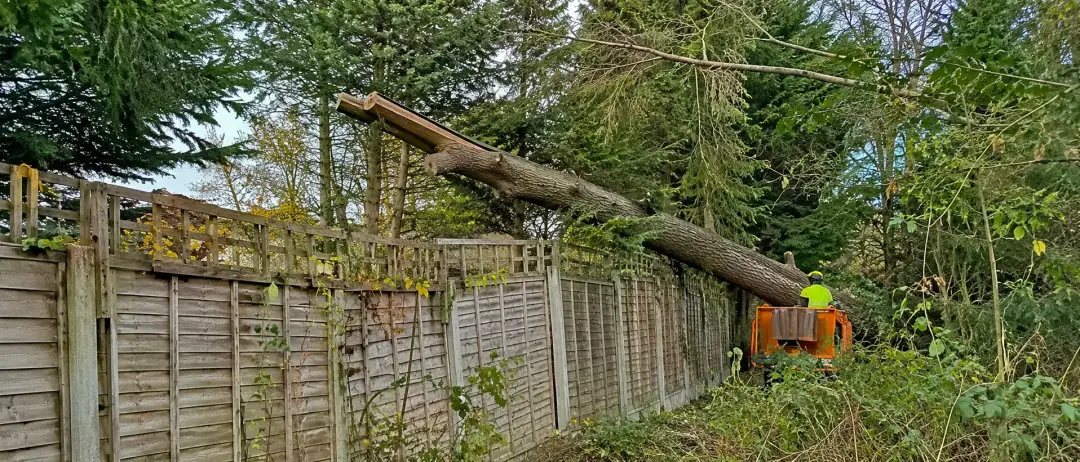
Why Specialist Equipment Is Needed for Emergency Tree Work
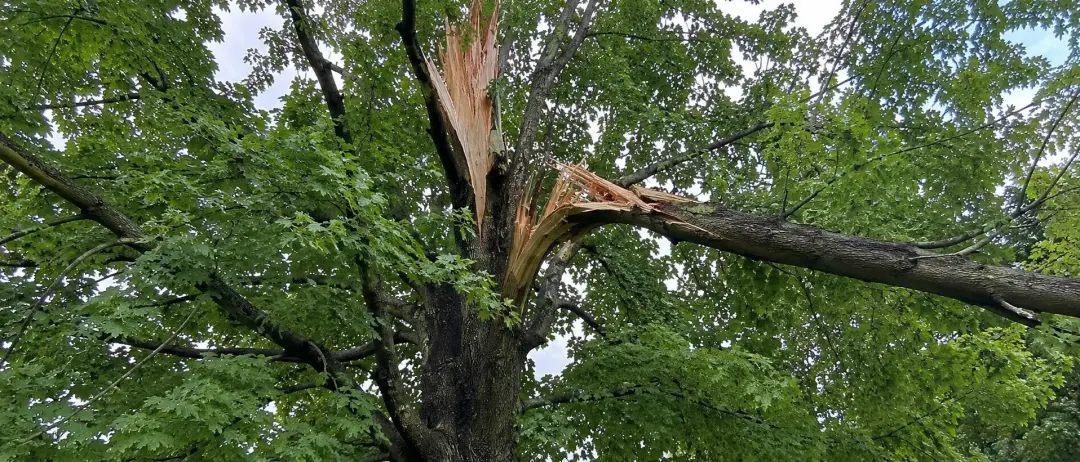
Emergency tree removal can involve unstable trunks, hanging branches, storm damage and trees that have fallen onto buildings, roads or other structures. Specialist equipment is needed because these situations can be unpredictable and may place workers, property and members of the public at risk.
Standard gardening tools are rarely suitable for safely dismantling large or damaged trees. Professional tree surgeons use cutting, climbing, rigging, lifting and access equipment chosen for the condition and position of the tree. The equipment allows branches and trunk sections to be removed in a controlled order rather than simply allowing them to fall.
Protective clothing and barriers are also used to reduce risks around the work area. In some emergencies, cranes, mobile elevated work platforms or winches may be required. The correct equipment depends on tree size, stability, access and nearby structures. Careful selection allows the removal team to work efficiently while limiting avoidable damage to buildings, gardens, vehicles and surrounding land.
Chainsaws for Cutting Trees and Branches
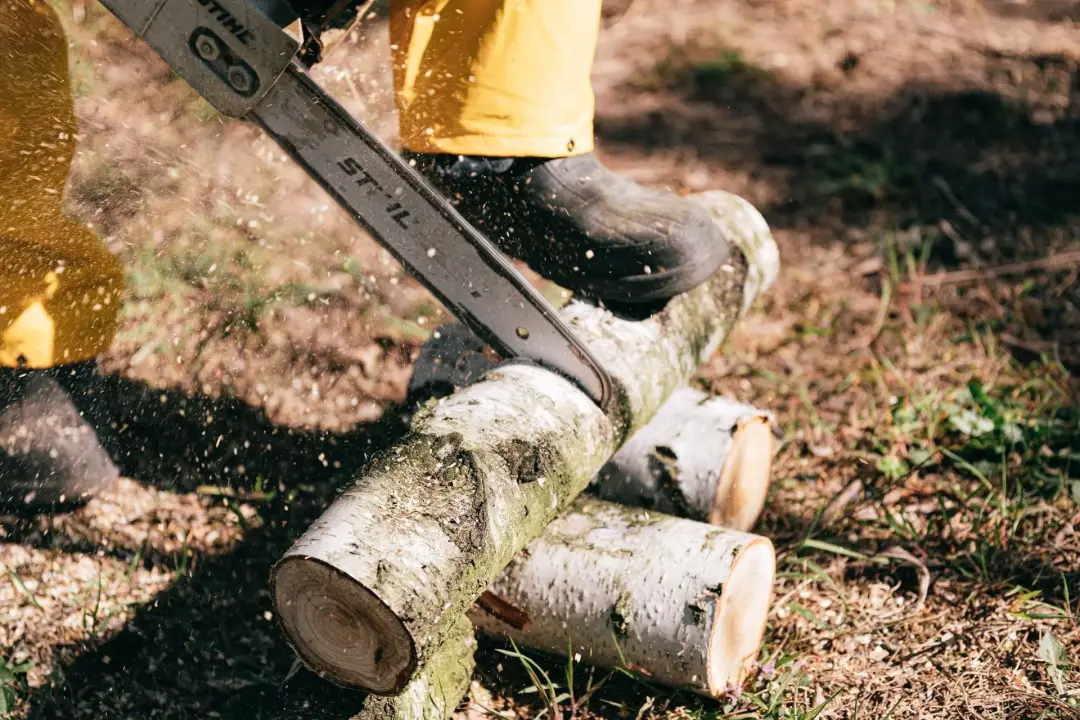
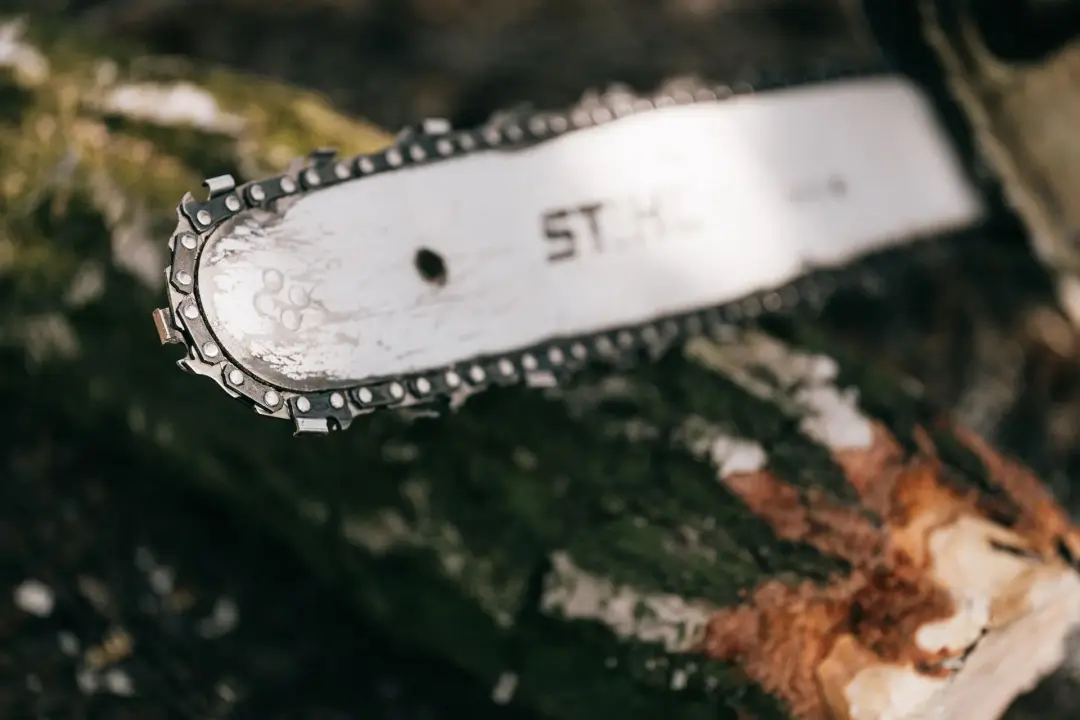
Chainsaws are among the main tools used during emergency tree removal. They allow trained operators to cut branches, trunks and large sections of timber quickly when a damaged tree needs to be dismantled or cleared. Different chainsaw sizes are used depending on the thickness of the wood and the position of the cut.
Smaller saws may be used by trained climbers when working within the crown of a tree, while larger ground-operated chainsaws can cut thick trunk sections after they have been lowered or made safe. The operator must choose a saw that provides enough cutting capacity without being unnecessarily heavy or difficult to control.
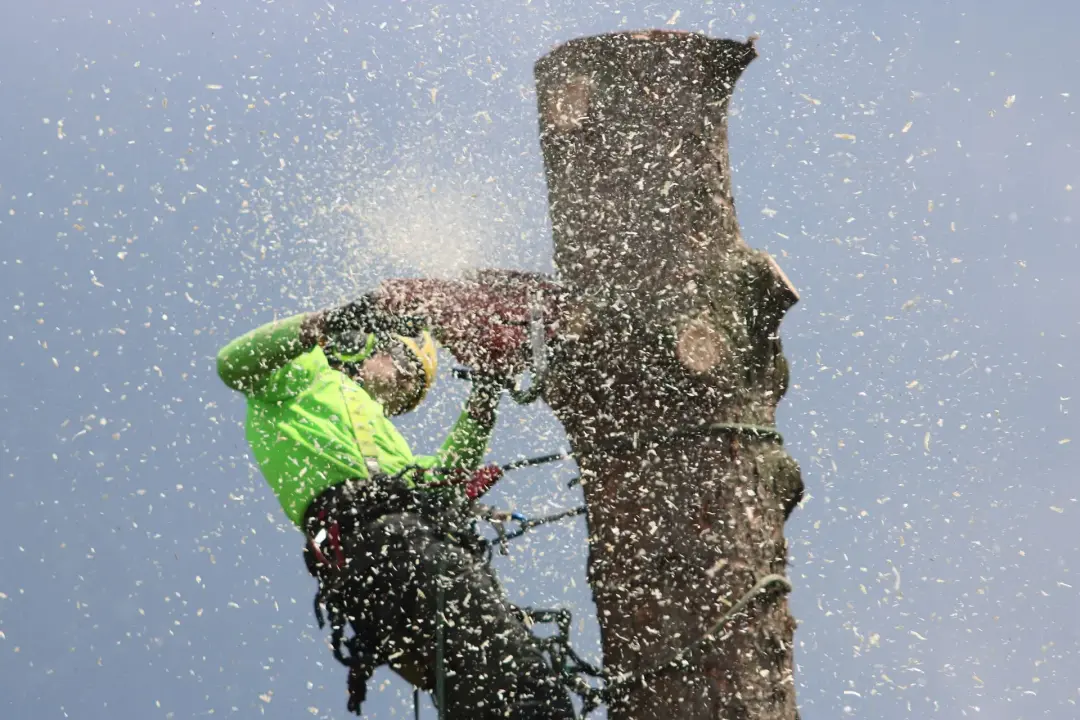
Chainsaws require regular inspection, sharpening and maintenance. Chains, guide bars, safety controls and lubrication systems should all be checked before use. Damaged or poorly maintained equipment can increase the chance of kickback, chain failure or inaccurate cutting.
Emergency work may involve split timber, tensioned branches and unstable trunks. These can move suddenly as cuts are made.
A trained operator therefore needs to understand how the wood is loaded before starting each cut. Chainsaws are highly effective, but they form only one part of a larger system. Rigging, climbing equipment and controlled lowering methods are often needed alongside them.
Pole Saws for Hard-to-Reach Branches
Pole saws allow branches to be cut from a greater distance without requiring the operator to climb directly to every position. They consist of a cutting head mounted on an extended pole and may be powered by battery, petrol or another system.
During emergency tree work, pole saws can be useful for removing smaller broken branches that are hanging above the ground or positioned beyond normal reach. They may also help create safer access before more detailed climbing or dismantling begins. The operator must remain aware of where the branch will fall after cutting.
A long reach does not remove the need for a controlled work zone beneath the tree. Pole saws have limits. They are not suitable for every branch size or for situations where a cut section could fall onto a building, vehicle or person. Correct positioning and trained use help make them effective for selected tasks. They can reduce unnecessary climbing and provide useful access where smaller branches need to be removed quickly.
Tree Climbing Equipment
Tree climbing equipment allows trained arborists to reach parts of a tree that cannot be accessed safely from the ground or from a work platform. Emergency tree removals may require climbers to enter the crown, install rigging equipment or dismantle the tree in controlled sections.
A climbing system can include ropes, harnesses, carabiners, ascenders, descenders and other specialist components. The exact arrangement depends on the tree, the climbing method and the work being completed. Every component must be compatible and suitable for arboricultural use.
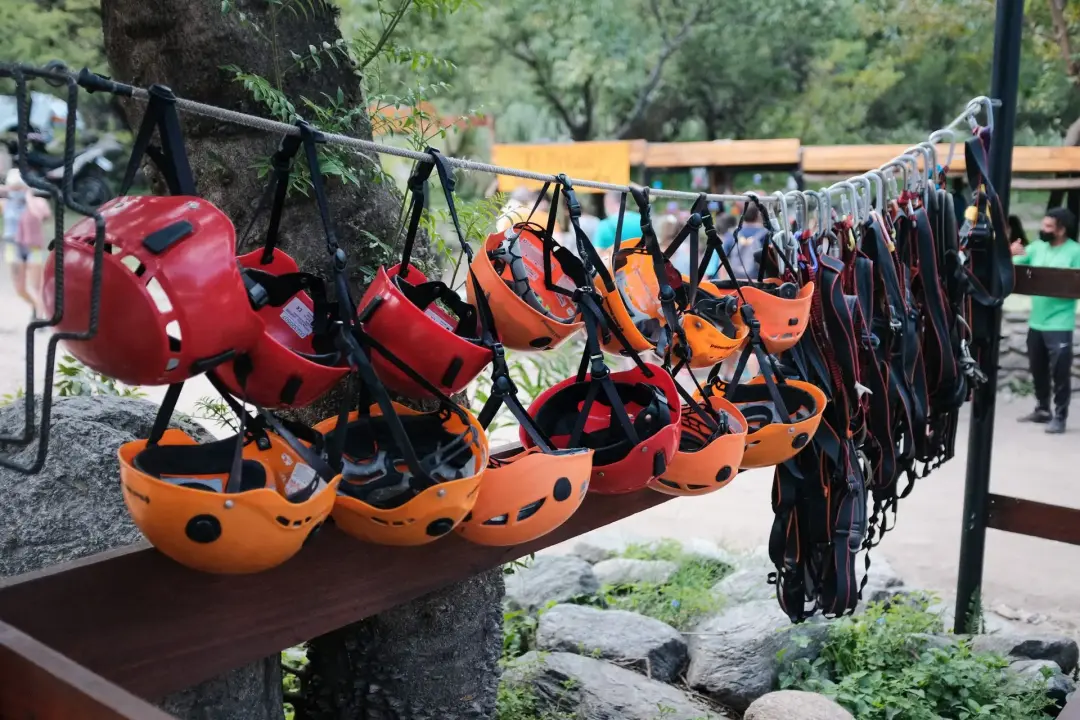
The climber establishes secure anchor points before moving through the tree. These points need to be strong enough to support the expected loads. A damaged or storm-affected tree may have weak branches or split unions, so additional assessment is needed before climbing begins.
Some trees are too unstable to climb safely. In those situations, a mobile elevated work platform or crane may provide a safer alternative. Climbing equipment must be inspected regularly for wear, cuts, contamination and damaged hardware.
Ropes that have been affected by chainsaw contact or excessive loading should not continue in service. Proper equipment allows the arborist to maintain controlled access while keeping both hands available for certain tasks. It also supports rescue procedures if an emergency develops while someone is working above the ground.
Safety Harnesses and Climbing Ropes
Safety harnesses and climbing ropes form an essential part of a professional tree climbing system. The harness supports the climber and provides secure attachment points, while ropes allow controlled movement, positioning and descent within the tree.
Arboricultural climbing ropes are designed for repeated loading and movement around branches. They must be strong, flexible and suitable for the chosen climbing technique. Before use, the climber checks the rope for cuts, abrasion, glazing and other damage. Harness stitching, buckles and attachment points also require inspection.
Emergency tree work can involve sharp broken branches and rough bark that may damage equipment. Ropes must therefore be positioned carefully and kept away from active chainsaws. A secure climbing system allows the worker to remain supported while using tools or installing rigging. It also provides a controlled route back to the ground. Harnesses and ropes should only be used by trained people who understand anchor selection, load management and rescue procedures.
Rigging Ropes and Lowering Equipment
Rigging equipment allows branches and trunk sections to be removed without letting them fall freely. This is particularly important during emergency tree work near buildings, roads, fences, vehicles and other areas where uncontrolled timber could cause serious damage.
Strong rigging ropes are attached to the section being removed. Pulleys, blocks and lowering devices help redirect and control the load. Ground workers can then lower the timber gradually after the climber or operator completes the cut.
The equipment must be selected according to the expected weight of the branch or trunk section. Large pieces of timber create considerable forces, particularly when they drop before the rope becomes fully loaded. This is why sections are often kept smaller in difficult situations.

Lowering devices can provide friction and help ground workers manage heavy loads without relying only on physical strength. They may be attached to a suitable tree stem or another approved anchor point.
Clear communication between the cutting operator and ground team is essential. The section should not be released until everyone understands the planned movement. Rigging equipment also needs regular inspection.
Ropes can become damaged by abrasion, heat and shock loading. Correctly selected and maintained equipment allows dangerous tree sections to be moved through confined areas with much greater control.
Pulleys and Rigging Blocks
Pulleys and rigging blocks help control the direction and movement of ropes during tree dismantling. They can be positioned high in the tree to redirect loads and create a suitable path for lowering branches or trunk sections. A rigging block is designed to handle substantial forces.
The rope passes through it, allowing the load to move while reducing friction at the anchor point. The equipment must be attached to a strong and suitable part of the tree. Damaged branches or weak stems should not be used simply because they are conveniently positioned.
Different blocks have different load limits, so the tree team must estimate the weight and forces involved before use. Oversized timber sections can create forces beyond what the equipment or anchor can safely manage.
Pulleys and blocks are especially useful when branches need to move away from buildings or pass through narrow spaces. They allow the team to control direction rather than relying on gravity alone during removal.
Tree Cutting and Dismantling Equipment
Tree dismantling often requires several types of equipment working together. Chainsaws make the cuts, climbing or access equipment positions the operator, while ropes and lowering systems control the movement of each section. Wedges, hand saws and specialist cutting tools may also be used depending on the tree.
The removal normally begins with smaller outer branches before larger limbs and trunk sections are taken down. This staged approach reduces the weight and size of material being handled at one time. Where branches are under tension, the operator must understand how the wood may move after cutting. Wedges or carefully planned cuts can help control splitting and prevent the saw becoming trapped.
Large trunk sections may be lowered using rigging rather than dropped. Where sufficient space exists, pieces can sometimes be allowed to fall into a controlled exclusion area.
Emergency dismantling may be more complicated when the tree is leaning, split or resting against a structure.
Additional support from cranes, winches or lifting equipment may be required. Every piece of equipment should have a clear purpose within the removal plan. Using the correct combination helps the team dismantle the tree systematically while reducing unnecessary movement, uncontrolled falling timber and damage around the site.
Mobile Elevated Work Platforms
Mobile elevated work platforms can provide access to high branches without requiring an arborist to climb the tree. They are particularly useful when a tree is unstable, badly split or unsafe to use as a climbing structure.
The platform lifts the operator in a protected basket and can often be positioned beside or above the work area. Different machines offer different working heights and outreach. Access conditions determine whether a platform can be used. The ground must be suitable for the machine, and there must be enough space for stabilisers, movement and safe operation.
Overhead power lines, buildings and narrow entrances may restrict positioning. Tracked machines can sometimes reach areas where larger wheeled equipment cannot. The operator must be trained to use the specific equipment. A mobile elevated work platform provides valuable controlled access, but it does not remove the risks created by falling branches, chainsaw use or unstable timber during emergency removal.
Cranes for Large or Dangerous Trees
Cranes may be used when a tree is too large, unstable or difficult to dismantle using conventional climbing and rigging methods. They can lift heavy tree sections away from buildings, roads, gardens and other areas where allowing timber to fall would create unacceptable risks. Before work begins, the crane operator and tree team plan each lift. They estimate section weights, choose lifting points and confirm where the timber will be placed after removal. The crane must remain within its safe lifting capacity throughout the operation.
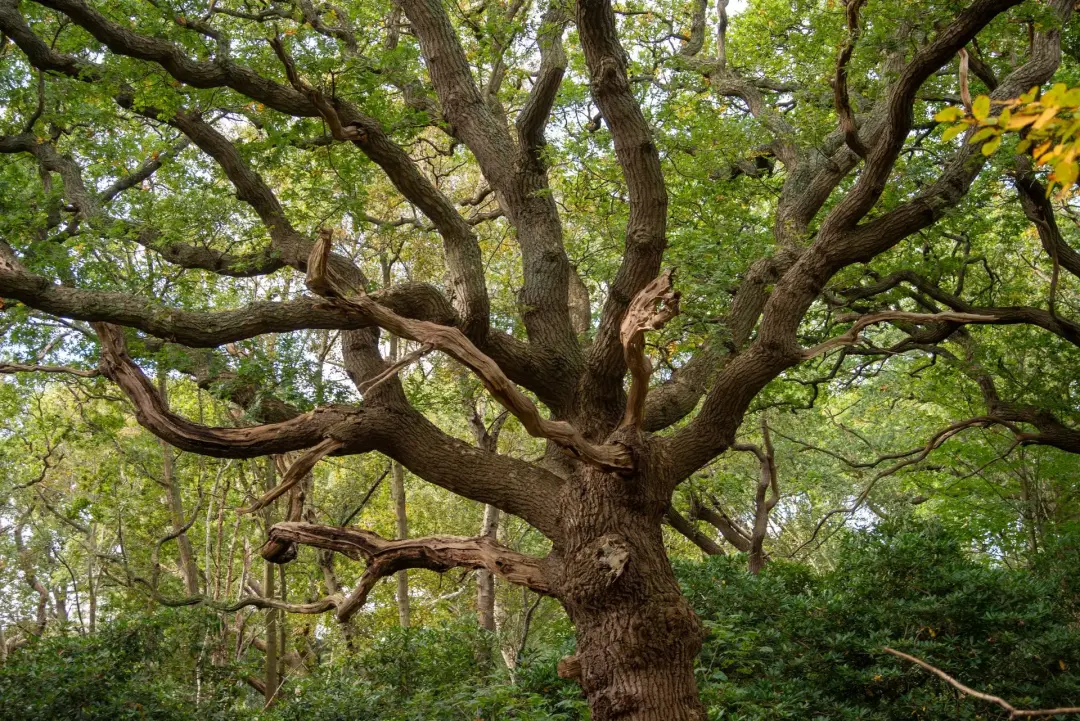
A suitable area is required for positioning the crane and extending stabilisers. Ground strength is important because heavy machinery can place substantial loads on the surface. Underground services may also need consideration.
The tree climber or cutting operator attaches the crane before completing the cut. Once separated, the tree section is lifted rather than allowed to fall. This can greatly reduce shock loading and protect nearby structures.
Large limbs or trunk sections may be moved directly to a processing area, where they are cut into smaller pieces. Crane-assisted removal requires close communication between the arborist, crane operator and ground team. When properly planned, it can make difficult removals more controlled and efficient, particularly where space around the tree is extremely limited.
Wood Chippers for Branches and Tree Waste
Wood chippers process branches and smaller tree sections into wood chips that are easier to transport and handle. They are commonly used after emergency cutting work to reduce the volume of material left on site. Branches are fed into the machine using the approved operating procedure. The chipper then cuts the timber into much smaller pieces and directs them into a vehicle or collection area.
Different chippers can handle different branch diameters. Large timber normally needs to be cut separately rather than forced into a machine that is too small. Operators must keep hands, loose clothing and unsuitable materials away from the feed system.
Stones, metal and other debris can damage the machine. Chipping can help clear roads, drives and gardens quickly after fallen tree removal. The resulting material may be taken away, recycled or sometimes left for the customer where appropriate. A wood chipper does not replace safe manual handling and site organisation, but it makes large quantities of branch waste considerably easier to manage.
Stump Grinders for Removing Tree Stumps
After a tree has been removed, a stump grinder may be used to reduce the remaining stump below ground level. The machine uses a rotating cutting wheel fitted with strong teeth to gradually grind away timber and larger roots near the surface. Stump grinding is not always part of the initial emergency response.
The first priority may be removing dangerous branches or a fallen trunk. Grinding can then be arranged once the immediate risk has been controlled. Different stump grinders are available for different access conditions. Small pedestrian machines can enter some gardens, while larger tracked or self-propelled models are used for wider or more demanding sites.
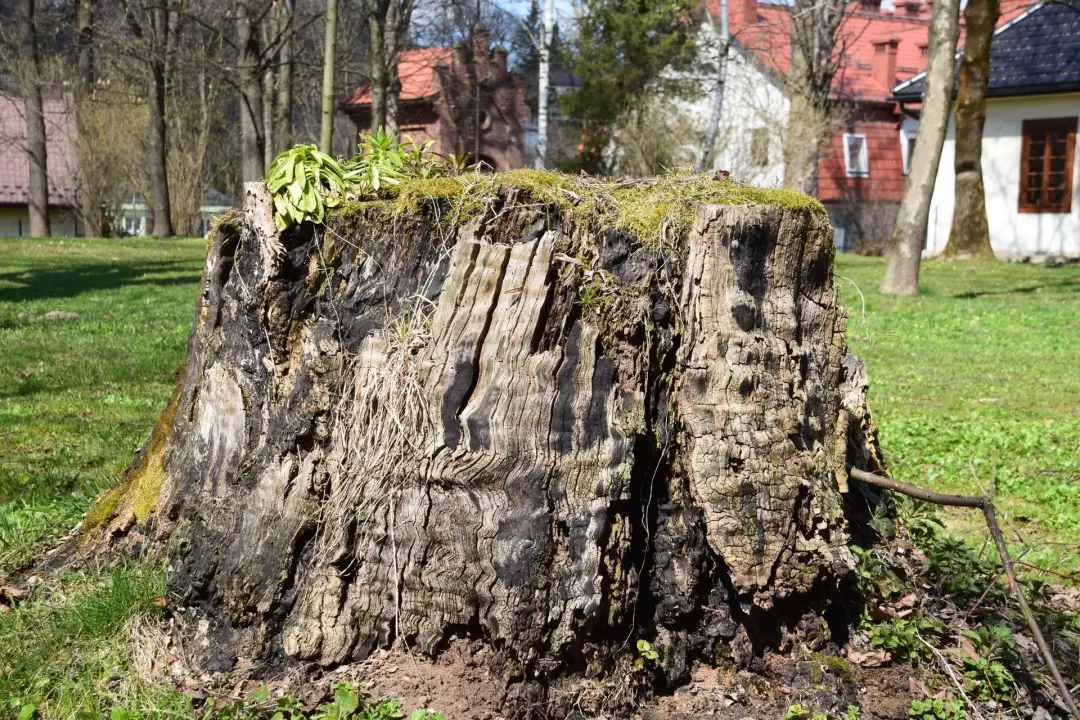
Before grinding begins, underground services should be considered. Utility cables, pipes and drainage near the stump may affect how deeply or widely the machine can operate.
The work produces wood chips and soil that can normally be used to backfill part of the hole or removed from site. Protective barriers may be required because the rotating wheel can throw stones and debris.
Operators also need suitable eye, face and hearing protection. Stump grinding can restore usable ground and remove a trip hazard after emergency removal. However, the correct machine and safe working depth depend on access, stump size and surrounding underground conditions.
Winches for Moving Heavy Tree Sections
Winches can help pull, stabilise or reposition heavy branches and trunk sections during emergency tree work. They use mechanical advantage to create controlled pulling force that would be difficult to achieve by hand.
A winch may be attached to a suitable anchor and connected to the tree section using ropes, straps or cables designed for the load. The team can then move the timber gradually. Winches are useful when fallen trees block roads, entrances or access routes. They may also help control the direction of movement before a section is cut.
The anchor point must be strong enough to withstand the expected force. Equipment should never be attached to weak trees, unsuitable vehicles or structures without proper assessment. Workers need to remain outside areas where a rope, cable or attachment could recoil if it failed. Correctly used winches provide controlled pulling power and can reduce the amount of heavy manual handling required during difficult emergency tree removal operations.
Log Splitters and Cutting Equipment
Log splitters and additional cutting equipment can help process larger timber after the dangerous parts of the tree have been removed. Trunk sections may be too large or heavy to lift, transport or feed into a wood chipper in one piece.
Chainsaws are normally used first to cut the trunk into manageable lengths. A log splitter can then divide suitable sections along the grain, reducing their size and making them easier to move. Hydraulic log splitters apply strong controlled pressure rather than relying on repeated manual splitting with axes. This can improve efficiency when large quantities of timber need processing.
The operator must keep hands and clothing clear of the moving mechanism. Timber should be positioned according to the machine instructions rather than held in unsafe positions.
Not every emergency site needs a log splitter. It is more likely to be useful where the customer wants timber prepared for later use or where access requires the material to be reduced before removal.
Other equipment may include hand saws, wedges, axes and lifting tools. These support specific tasks but must be used according to the size and condition of the wood. Processing equipment helps the team turn large tree sections into manageable material once the immediate hazards from the damaged tree have been brought under control.
Emergency Lighting for Low-Light Conditions
Emergency tree work sometimes takes place during the evening, early morning or poor weather when natural light is limited. Portable lighting can improve visibility around the tree, cutting area and access routes. Lighting equipment may include battery-powered work lights, portable floodlights or vehicle-mounted systems.
The aim is to illuminate the working area without creating strong glare or deep shadows. Cables and equipment should be positioned where they do not create trip hazards. Battery-powered units can be useful where mains power is unavailable or unsafe. Lighting should cover the ground as well as the tree.
Workers need to see ropes, branches, machinery and exclusion zones clearly. Low light can make judging distances and branch movement more difficult. If adequate visibility cannot be created, some work may need to wait until conditions improve. Emergency lighting supports safer operations, but it does not make every night-time tree removal appropriate. The team must consider visibility, weather, noise, access and the urgency of the hazard before continuing.
Protective Clothing and Safety Equipment
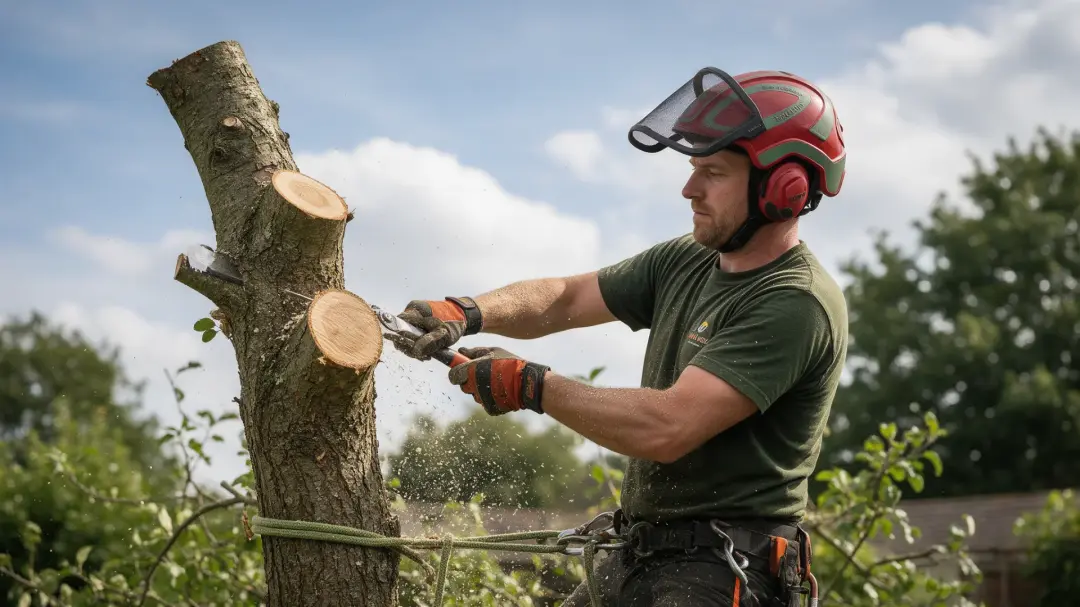
Emergency tree removal requires suitable personal protective equipment because workers may be exposed to chainsaws, falling branches, sharp wood, noise and moving machinery. The exact equipment depends on the task being completed. Common items include helmets, eye protection, hearing protection, chainsaw protective trousers, gloves and safety boots. Climbers also require appropriate harnesses and specialist equipment. Protective clothing should fit properly and allow the worker to move without becoming caught on branches or machinery. Damaged equipment must be replaced when it can no longer provide the intended protection.
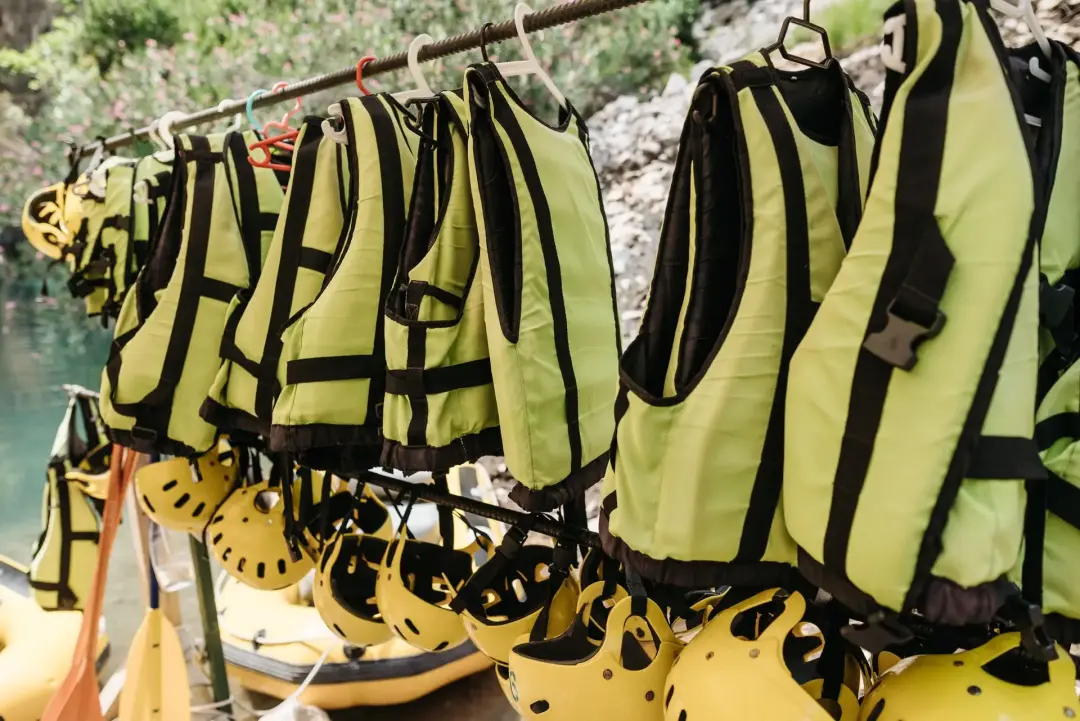
High-visibility clothing may be needed when teams are working beside roads, driveways or areas where vehicles are present. Weather-resistant clothing can also help workers remain comfortable during rain or cold conditions.
Personal protective equipment is the final layer of protection rather than a replacement for good planning. Safe cutting methods, exclusion zones, controlled lowering and suitable machinery remain essential.
Workers must know which equipment is required for each activity. For example, a ground worker operating a chipper may face different risks from a climber using a chainsaw in the tree. Correct protective equipment helps reduce injury if something goes wrong, but it must be combined with training, supervision and a properly organised work site.
Helmets and Face Protection
Helmets protect workers from falling branches, small debris and accidental impact during tree removal. Arboricultural helmets may also include attachments for hearing protection and face shields. A face shield helps protect the eyes and face from sawdust, wood chips and small pieces of material thrown during cutting.
Safety glasses may be worn as an additional layer of eye protection. Helmets should fit securely and remain properly adjusted. Cracked shells, damaged straps or equipment that has suffered a significant impact should be replaced. Chin straps can be particularly important for climbers because the helmet must remain in place while the worker moves through the tree.
Hearing protection is often fitted to the helmet when chainsaws and wood chippers are being used for extended periods. Head and face protection cannot prevent every injury, especially from large falling branches. Controlled work methods and exclusion zones are still essential. However, suitable protective equipment reduces exposure to many common risks during emergency tree operations.
Chainsaw Protective Trousers and Boots
Chainsaw protective trousers are designed with specialist fibres that can help slow or stop a moving chainsaw chain if accidental contact occurs. They are an important part of protective equipment for people operating chainsaws during emergency tree work.
Protective boots provide grip, ankle support and resistance to impact or crushing. Chainsaw-specific footwear may include additional protective materials and reinforced toe areas. The equipment must be the correct type for the work and should fit properly. Damaged protective fibres, deep cuts or excessive wear can reduce performance.
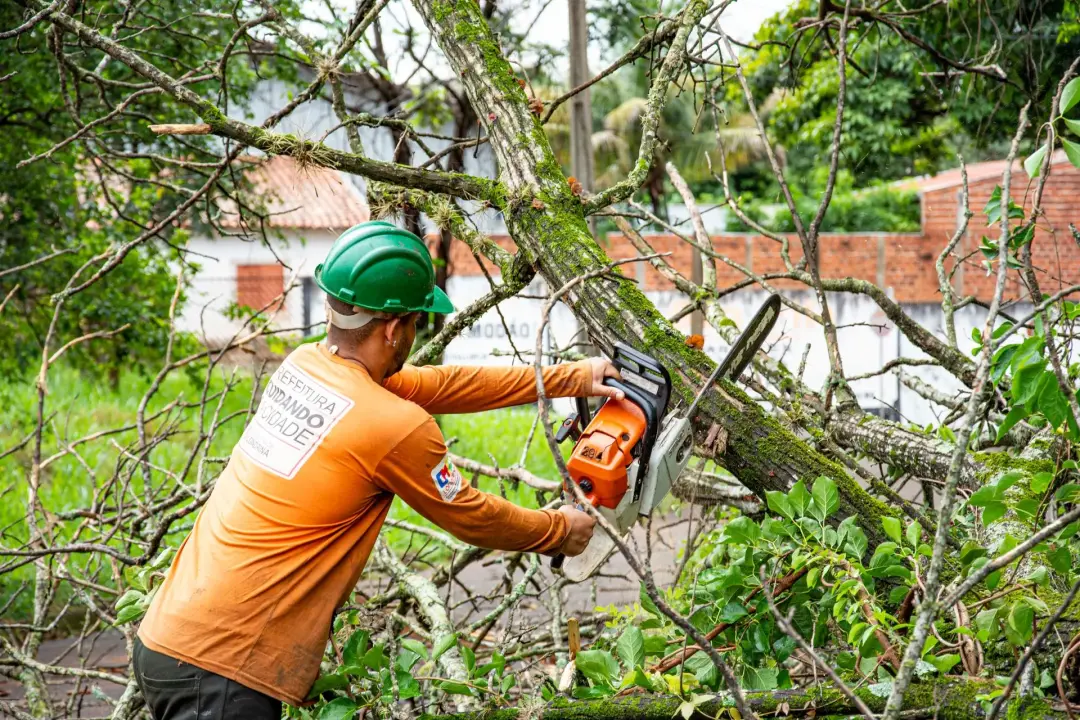
Wet, muddy and uneven ground is common around storm-damaged trees. Good footwear helps workers maintain footing while carrying tools or moving timber.
Protective clothing should not be modified in ways that affect its safety features. It also needs to be cleaned and maintained according to the manufacturer’s instructions.
Chainsaw protective equipment provides valuable additional protection, but correct cutting technique and training remain the most important ways to prevent contact with the saw.
Blackdown Treescapes provides tree removal, tree surgery, tree felling, stump grinding, tree pruning, hedge trimming, and maintenance services across Exmouth, Honiton, and Sidmouth. Our rated tree surgeons help customers maintain trees, hedges, gardens, and green spaces. For a friendly, reliable tree surgeon in Exmouth, call 07921 241875, submit a message, or ask for a quote.