
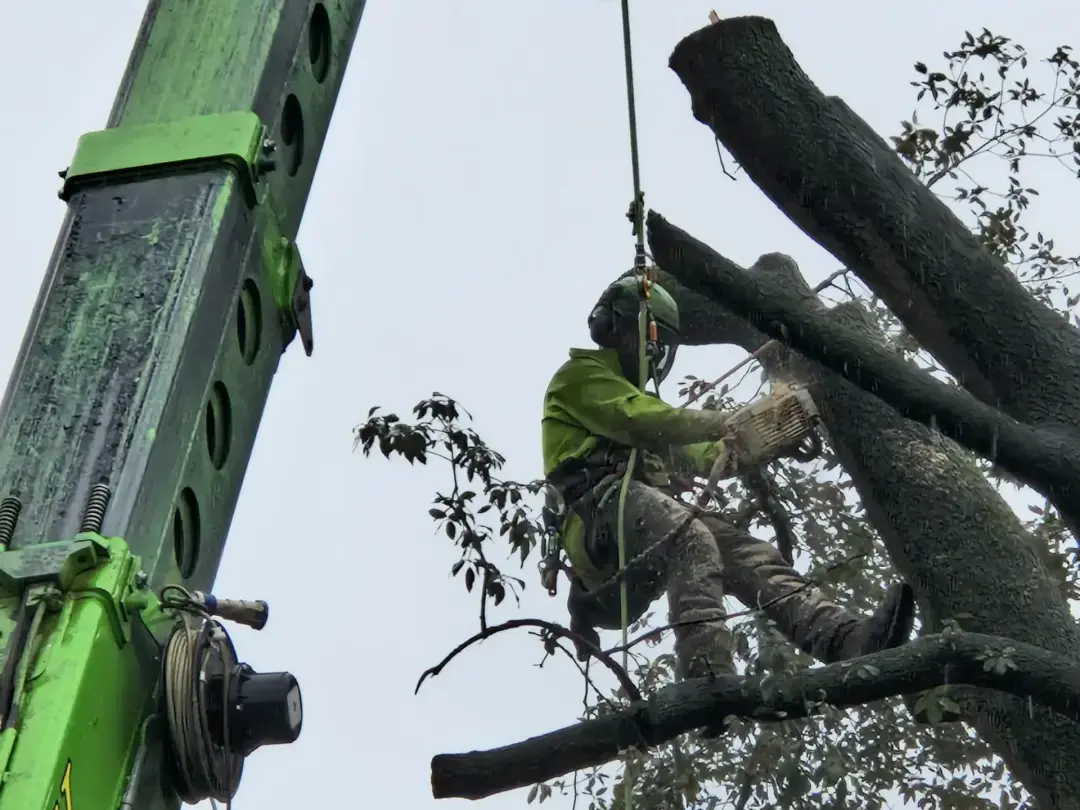
Why Tree Inspections Matter
Tree inspections help spot problems before they become dangerous or costly. A tree can look healthy but still have weak branches, hidden decay, root damage, or disease. Checking trees is important after storms, building work, or changes to the ground nearby.
Regular inspections can reduce the risk of falling branches, damage to cars or buildings, and injury to people. They also support good tree care by guiding safe pruning and long-term planning.
If you manage a garden, a site, or shared spaces, inspections can help you meet your duty of care and keep everyone safer.
Tree Surgery and Inspection Services
Our inspections link closely with our tree surgery work, so you get a full picture and a clear plan. We look at the tree’s structure, growth, and signs of stress, then explain the best next steps.
If work is needed, we can carry it out safely and neatly, with respect for your property and nearby plants. This joined-up service helps avoid guesswork, keeps trees in better shape, and supports safer spaces around homes, roads, and workplaces.
Routine Tree Inspections
Regular checks help identify developing problems before they become more serious. We assess visible defects, branch condition, root areas, and signs of disease or decay. Clear findings and practical recommendations support safe management, planned maintenance, and budgeting for trees across gardens, estates, schools, workplaces, and public spaces throughout the year.
Emergency Tree Assessments
Storm damage, sudden movement, or broken branches may require prompt professional review. We examine the affected tree, nearby risks, and any serious safety concerns. You receive clear advice on immediate action, temporary controls, and further work, helping you respond quickly while protecting people, property, access routes, and surrounding trees safely.
Commercial Site Tree Checks
Businesses need records to manage trees responsibly across offices, retail parks, industrial land, and shared spaces. We inspect accessible trees, note defects, and set priorities for action. Reports are easy to follow and can support maintenance planning, contractor instructions, health and safety duties, and future inspection schedules for each site.
Residential Tree Inspections
Homeowners typically need assurance concerning trees close to houses, boundaries, paths, or neighbouring land. We review visible condition, structure, and possible hazards, then clarify the observations. Practical guidance may include pruning, monitoring, further investigation, or no action, giving you confidence when deciding how to care for your trees properly.
Tree Inspection Reports
A well-prepared report gives you a record of each inspection and any recommended work. We present observations, risk levels, priorities, and suggested timescales in plain language. Photographs can be included where helpful, making it easier to arrange maintenance, share information, and keep clear evidence of responsible tree management over time.
Follow-Up Tree Monitoring
Some trees need regular review rather than immediate work. We monitor defects, changes in condition, and the progress of previous recommendations. Comparing findings over time helps confirm whether risks are stable, improving, or worsening. This approach supports proportionate decisions, avoids unnecessary work, and provides a basis for future management planning.
the tree inspection process...
Here is a clear overview of the tree inspection process, from the first site visit through to the final report and recommended actions.
Initial Review of your site
We begin by discussing your concerns, the site, and how the surrounding area is used.
During the visit, each tree is viewed from accessible ground level.
We note its location, species, size, condition, and nearby targets, creating a clear record before examining any visible faults or signs of decline carefully.
Detailed Tree Assessment
Each tree is checked for damaged branches, cavities, decay, weak unions, root disturbance, pests, and disease. We also consider soil conditions, recent weather, and changes around the site.
This data helps us judge the level of concern and decide whether further testing, monitoring, or remedial work may be appropriate next.
Report and Recommendations
After the inspection, we prepare a clear report setting out our observations and recommended actions. Work is prioritised by urgency, with practical timescales for pruning, removal, monitoring, or further investigation.
The report supports well-informed decisions, helps plan budgets, and provides a useful record for future tree management and inspections.
our tree care services
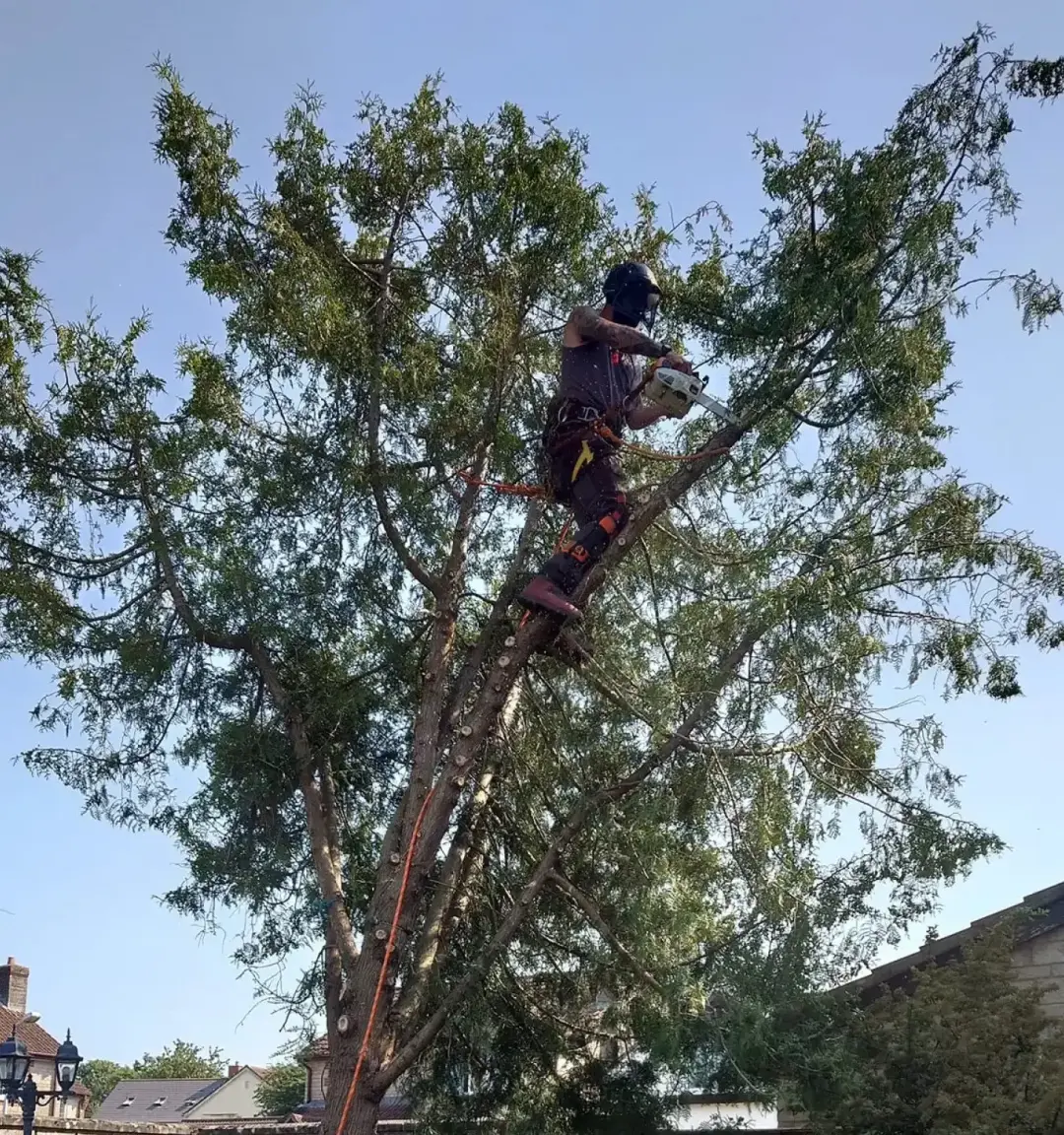
Crown Reduction
Blackdown Hills
Refine shape, reduce canopy weight and manage risk without sacrificing character. We plan every cut, protect growth points and balance the crown for better light, airflow and long-term structural strength.
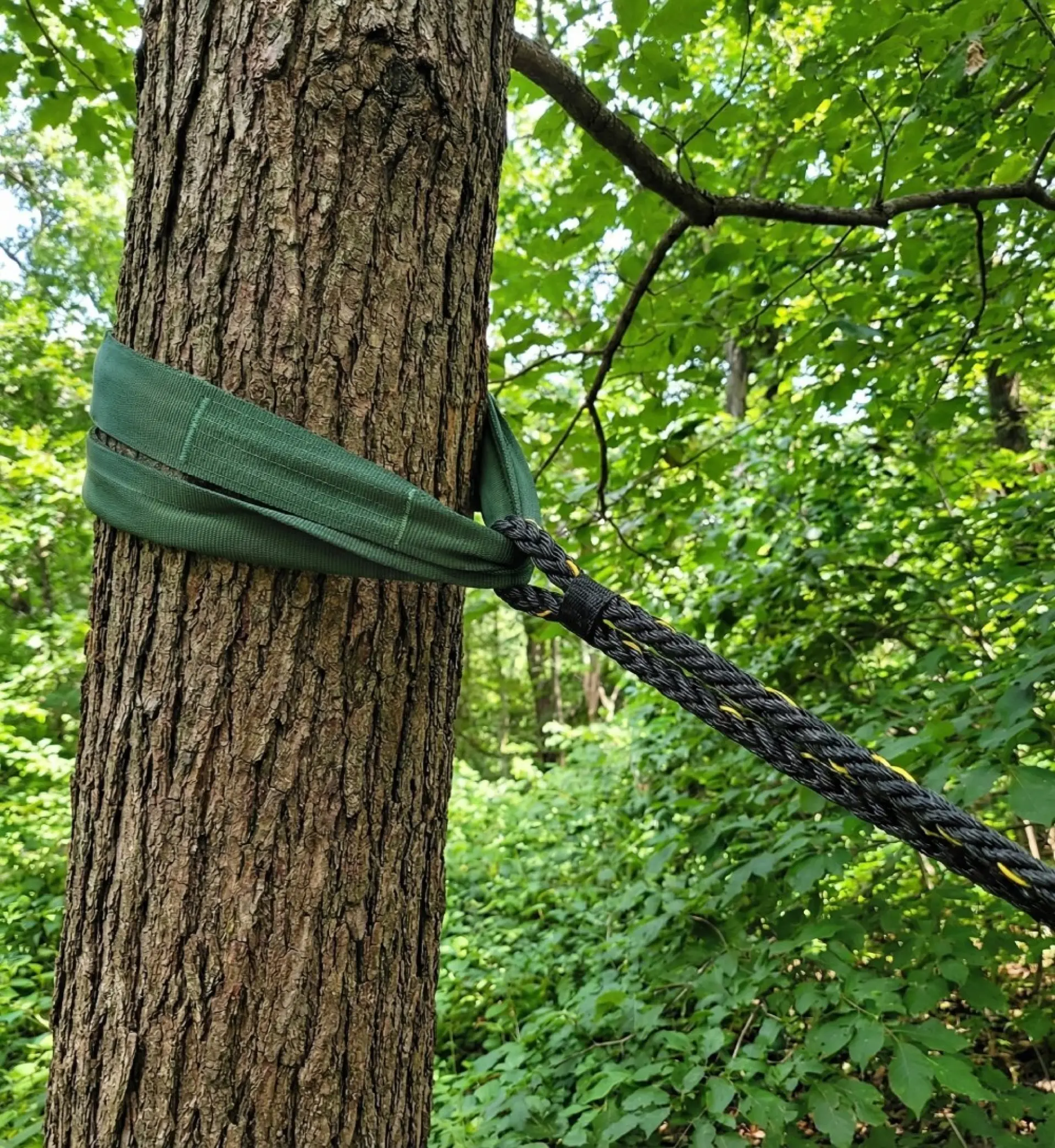
Tree Bracing Blackdown Hills
Discreet, modern bracing systems support weak unions, storm-damaged limbs or veteran trees. We specify non-invasive solutions that reduce failure risk while retaining valued features, habitats and the tree’s natural silhouette.
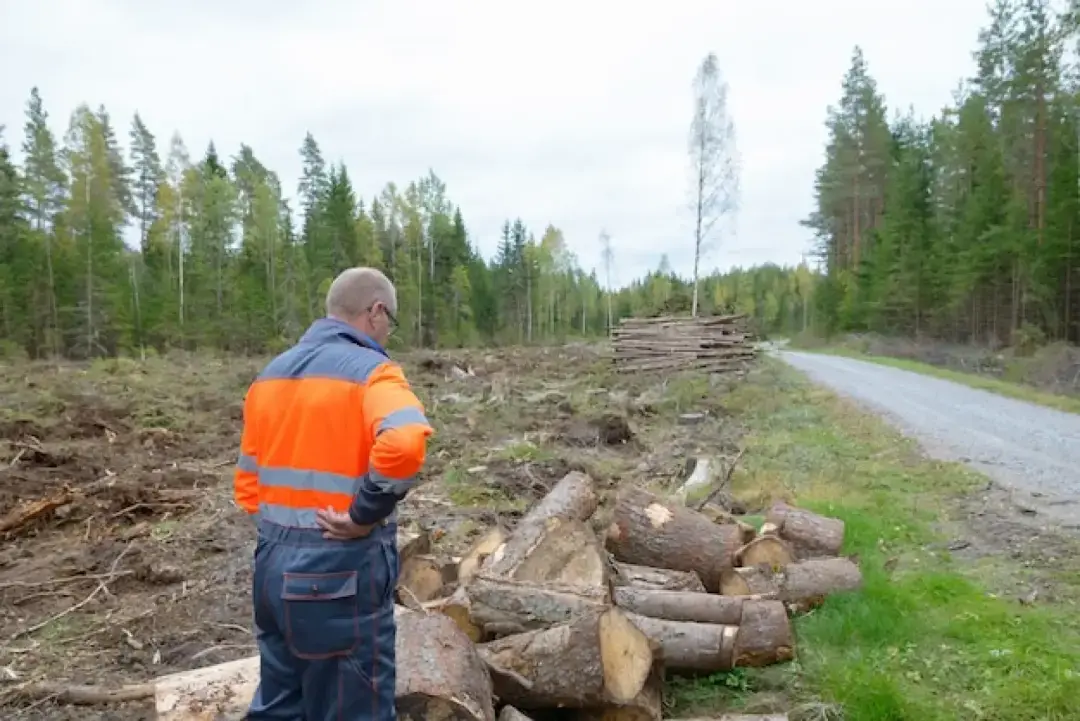
Low Impact Forestry
Blackdown Hills
Sensitive woodland work that protects soils, habitats and access. We use selective felling, hand tools and low-ground-pressure methods where needed to minimise disturbance while improving structure, biodiversity and long-term resilience.