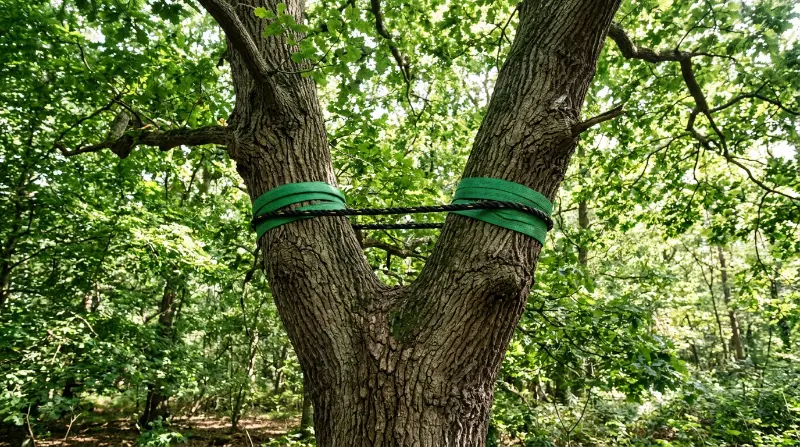
Some trees develop structural weaknesses that are not always easy to spot from the ground, but left unaddressed, they can become a serious safety risk to people and property. Knowing the early signs that a tree may need bracing support could be the difference between a simple fix and an emergency.
Why Some Trees Need Extra Support
Not every tree that looks healthy from the outside is structurally sound. Some trees develop weaknesses over time due to their natural growth patterns, storm damage, or the way their branches have spread.
When these weaknesses go unnoticed, the risk of a branch or the whole tree failing increases significantly, especially during bad weather.
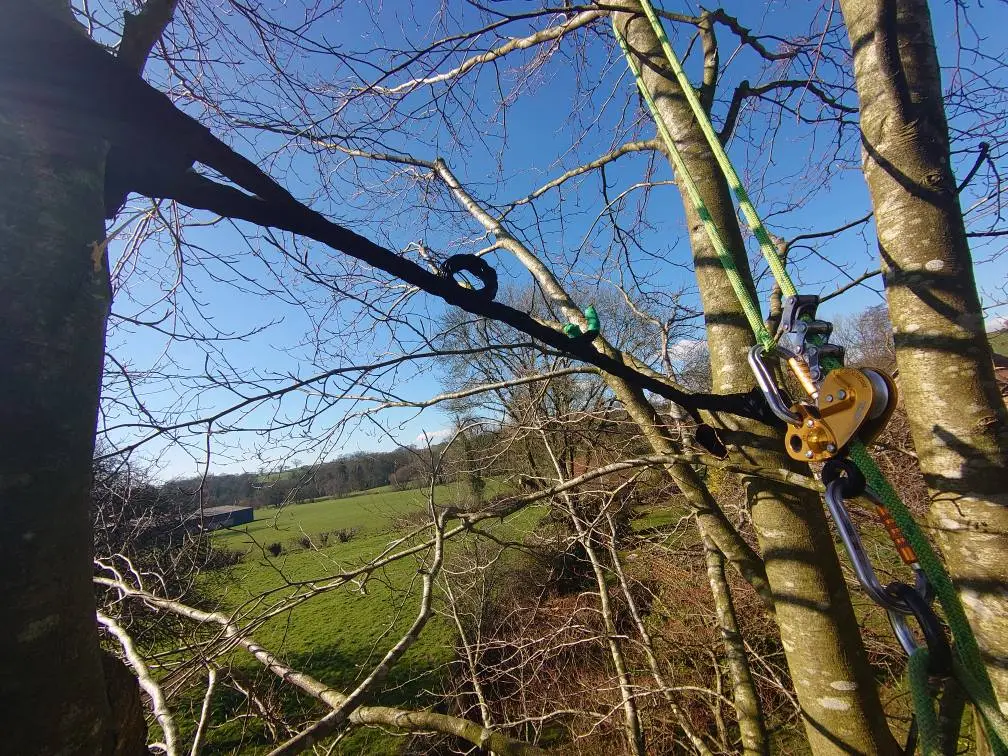
Tree bracing and cabling are proven methods used by arborists to provide extra support to weak or vulnerable areas of a tree. Metal cables or rods are installed to reduce the strain on splits, weak junctions, or heavy limbs.
This approach does not repair the tree but can significantly reduce the risk of failure, protect property, and extend the life of a tree that would otherwise need to be removed. Understanding when trees need cabling and bracing helps homeowners act before structural issues escalate into dangerous situations.
Visible Cracks or Splits in the Trunk
A crack or split in the trunk of a tree is one of the clearest signs that the structure is under stress. Cracks can appear after storms, periods of very dry or very wet weather, or as a result of the tree's own weight bearing down unevenly over the years. A small crack that is left unaddressed can widen over time, particularly when the tree moves in high winds or when water gets in and freezes during winter.
Once a crack has formed, the two sides of the trunk or branch may begin to move independently, which weakens the wood further and increases the chance of a sudden failure. In many cases, a qualified arborist can install a brace or cable to hold the two sections together and relieve the stress on the damaged area, preventing it from splitting further and reducing the risk of a dangerous collapse.
Weak Branch Unions
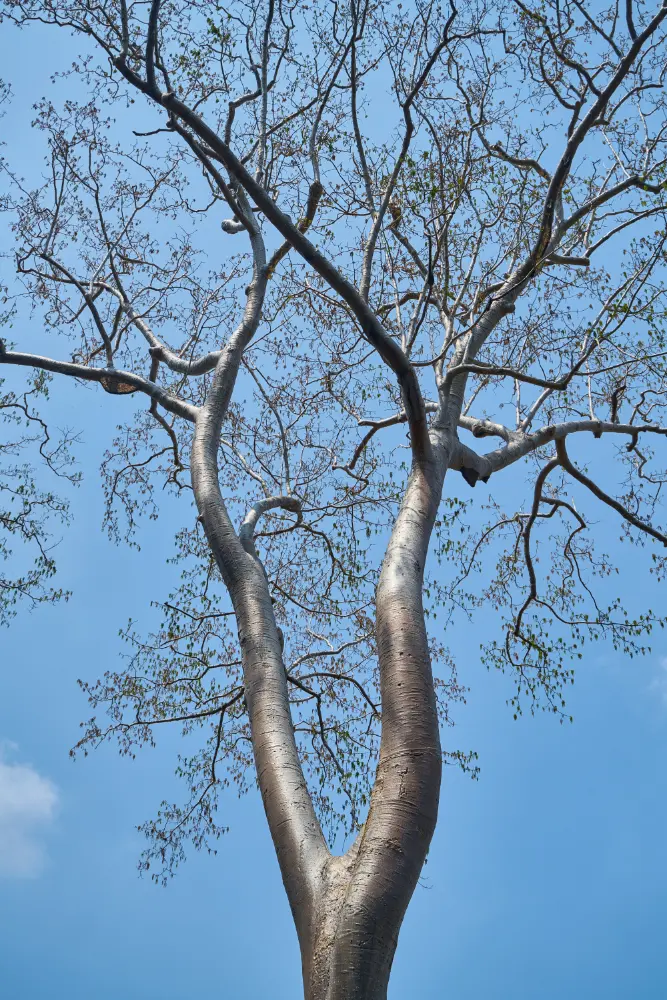
A branch union is the point where two stems or a branch and the main trunk meet. When these unions form at a tight angle, often called a co-dominant stem, the wood at the junction can be structurally weak.
This type of union does not have the same interlocking wood grain as a healthy, wide-angled union, which means it is more likely to split apart under load.
You may be able to identify a weak union by looking for a narrow V-shape where two stems meet, rather than a broader U-shape. Bark that is pushed inward between the stems, known as included bark, is another sign that the union is under pressure and may not be holding together well. Weak unions are particularly common in species such as ash, cherry, and horse chestnut.
If the two stems are both large and well established, removing one may cause more harm than good. In these cases, installing a cable higher up in the canopy to link the two stems together can help distribute the load and prevent them from pulling apart during storms or under the weight of heavy foliage.
Heavy Limbs That Put Stress on the Tree
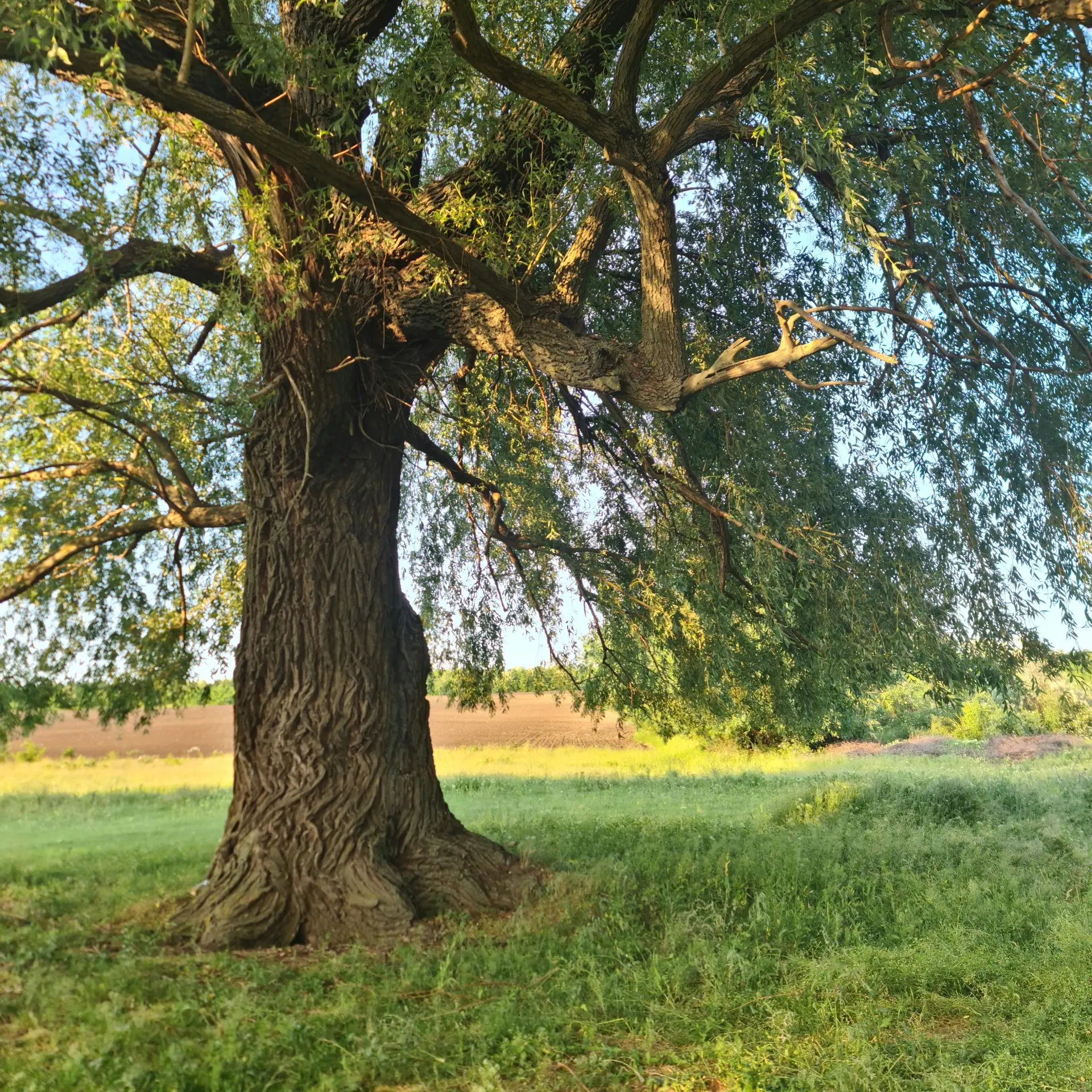
Some trees grow in ways that place a disproportionate amount of weight on one side. This can happen when a tree has been shaped by the space available to it, growing outward towards light over a garden, driveway, or road rather than upward. Over time, the weight of long, heavy limbs can create a significant pulling force on the trunk or branch union they extend from.
This kind of imbalance becomes more serious during strong winds, when the moving weight of the canopy adds extra dynamic stress to the tree. It is also made worse when branches hold large amounts of water after heavy rain, or when wet snow settles in winter.
An arborist may recommend crown reduction alongside bracing to reduce the overall weight, or a cable system to redistribute the load and reduce the strain on vulnerable sections of the tree.
Leaning Trees and the Risk of Falling
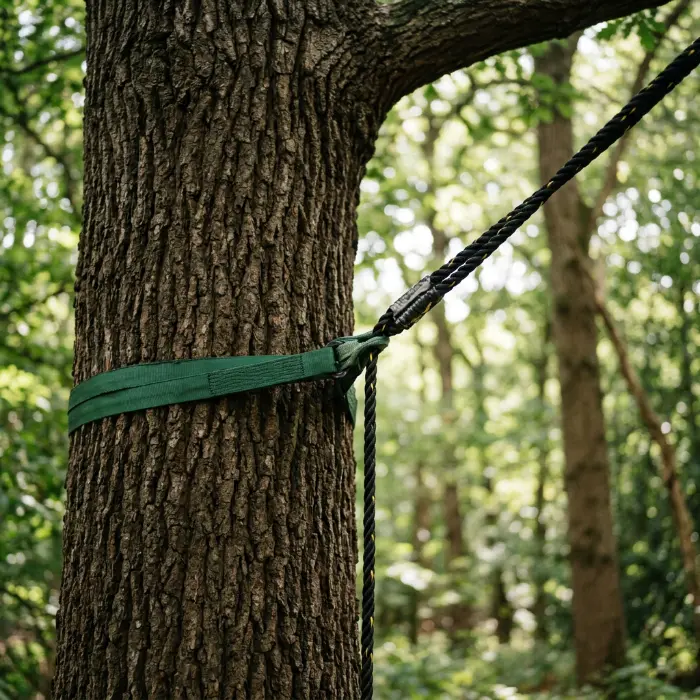
One important sign that trees may need additional support is a noticeable lean in the trunk. While some trees naturally grow at a slight angle, a tree that has begun to lean more over time often indicates root problems, soil instability, or uneven weight distribution in the limbs.
This leaning increases the risk of the entire tree falling, especially in high winds or after heavy rain softens the ground. Professional tree bracing or cabling can help stabilise the structure, provide extra support, and prevent potential damage to nearby buildings, vehicles, or people in the area. Early assessment is key to ensure the tree remains safe without immediate removal.
Signs of Decay and Internal Structural Issues
Beyond visible cracks, other subtle indicators can point to the need for tree cabling and bracing. Look for areas of decay, soft spots in the wood, or fungal growth around the base or on major limbs, as these can compromise the tree's overall health and strength.
Dead or hanging branches, often called widow-makers, also signal stress and increase the likelihood of falling limbs. Trees with a history of storm damage or those showing bark separation may have hidden internal weaknesses. In such cases, experienced arborists assess the extent of the issues to determine whether bracing services can effectively protect the tree and surrounding property.
The Value of Professional Tree Cabling and Bracing Services
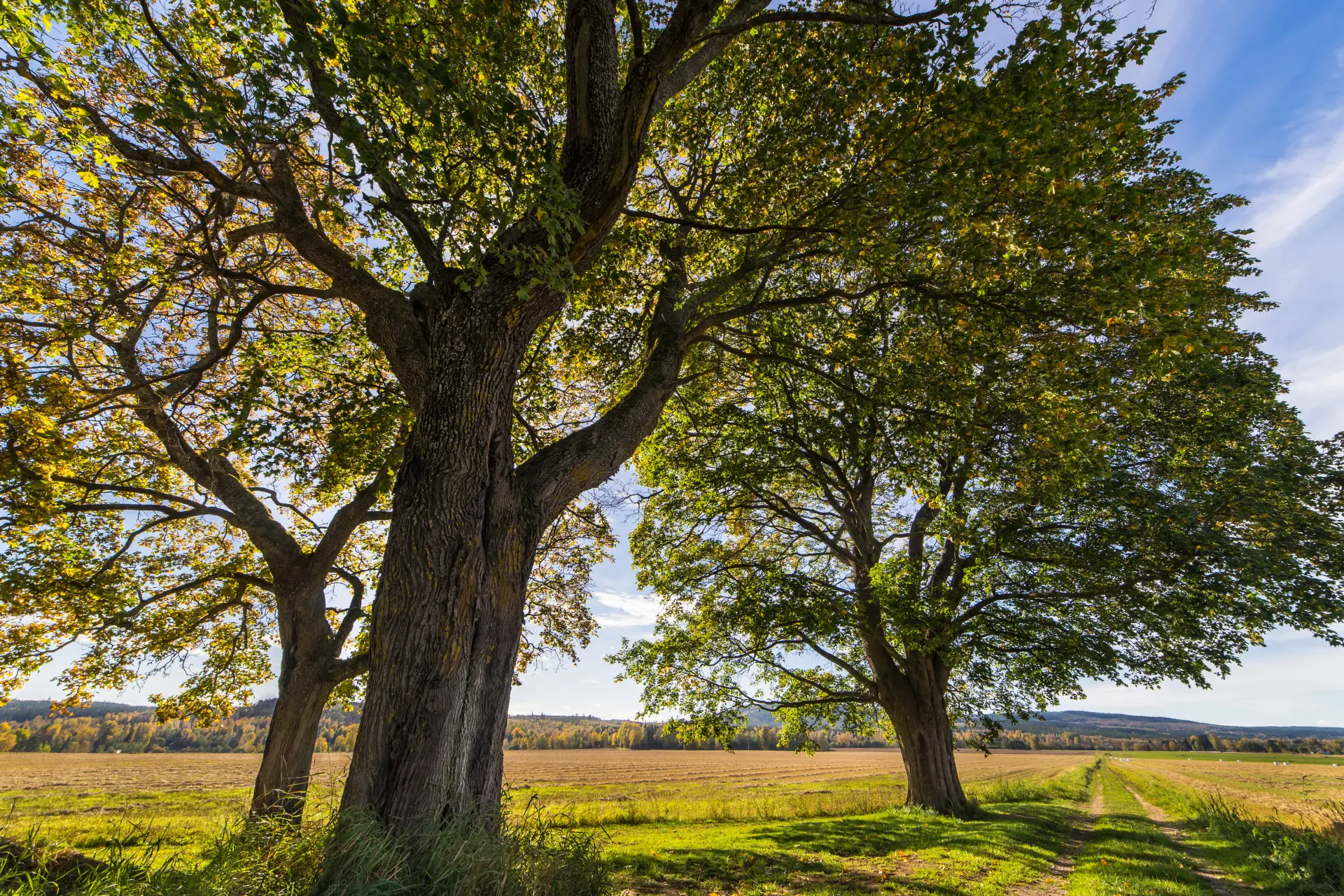
Tree care professionals bring years of experience to evaluate whether a tree requires cabling and bracing. They understand the specific risks associated with different species, local weather patterns, and site conditions. Bracing is particularly beneficial for mature trees that hold significant value in the landscape, where removal would be disruptive or undesirable.
By installing cables and braces correctly, these services help manage stress on weak points, reduce the chance of splitting, and promote long-term tree health. Homeowners should always choose qualified providers who follow industry standards to ensure the work is done safely and effectively.
Maintaining Bracing Systems Over Time
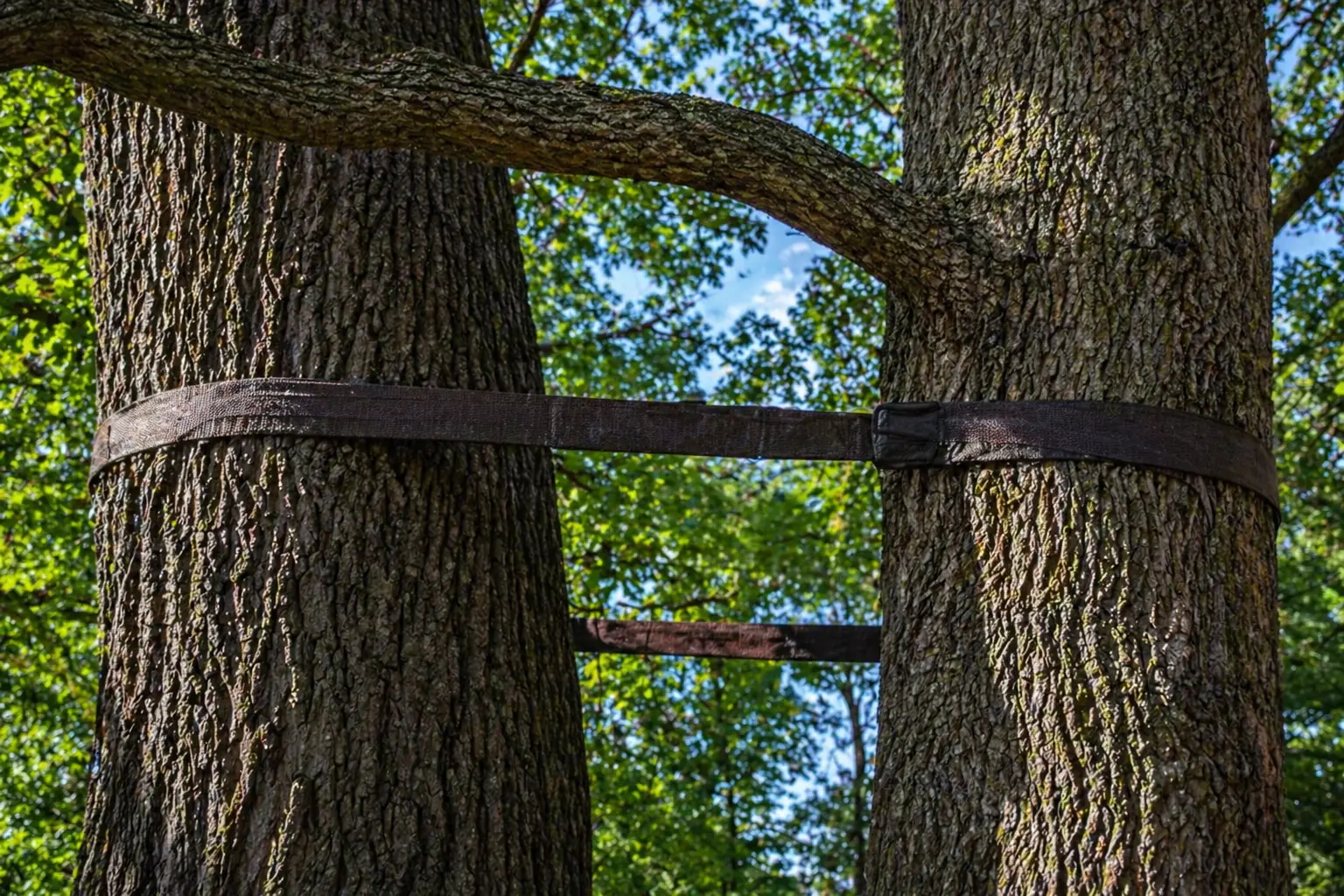
Once installed, tree bracing systems require regular monitoring to remain effective. Cables and hardware can loosen or need adjustment as the tree continues to grow around them over the years.
Professional inspections every one to three years help identify any changes in the tree's condition, ensure cables are still providing the necessary support, and prevent new structural issues from developing. This ongoing maintenance is essential to protect both the tree and the safety of people and property in the vicinity.
When Tree Bracing Can Help Prevent Failure
Tree bracing is not a permanent fix, but it is an effective way to manage risk and extend the life of a tree that has structural issues. It is most useful when the tree is otherwise healthy, has significant amenity or environmental value, or when removal would cause considerable disruption. Acting early, before a weakness becomes a failure, gives an arborist the best chance of putting a solution in place that genuinely works.
A professional arborist will carry out a full assessment of the tree before recommending bracing. This will include looking at the position and size of any cracks or splits, the angle and condition of branch unions, the overall weight distribution of the canopy, and whether there are any signs of decay in the wood. The assessment will also take into account what is near the tree, including buildings, paths, parked vehicles, and areas where people spend time.
If you have noticed any of the signs described above, it is worth arranging a professional inspection sooner rather than later. A tree that is identified as at risk and supported correctly is far safer than one that fails without warning, and in many cases, bracing can mean the difference between saving a tree and having to remove it entirely. Investing in proper tree bracing and cabling demonstrates a commitment to safety, tree health, and responsible tree care for years to come.
Blackdown Treescapes provides safe, reliable tree removal and maintenance services across Wellington, Cullompton and Blackdown Hills. We remove dangerous, damaged, or unwanted trees with care, and we also offer advice on forestry and woodland management.