Signs that Tree Removal is Needed often appear gradually, yet they can quickly turn a healthy tree into a serious hazard on your property. Recognising these warning signs early helps protect your home, garden, and the safety of people nearby.
While some trees recover with proper tree care, others continue to decline until removal becomes the only safe option. Regular checks around the base and throughout the canopy allow you to spot issues before they result in significant damage or injury.
The tree is dead or dying
When a tree starts to die, its overall health deteriorates rapidly and the wood inside the trunk and main limbs begins to break down. This internal decay reduces stability even if the outer bark still looks intact. You may notice large dead branches hanging in the canopy or smaller dead branches dropping without warning during high winds.
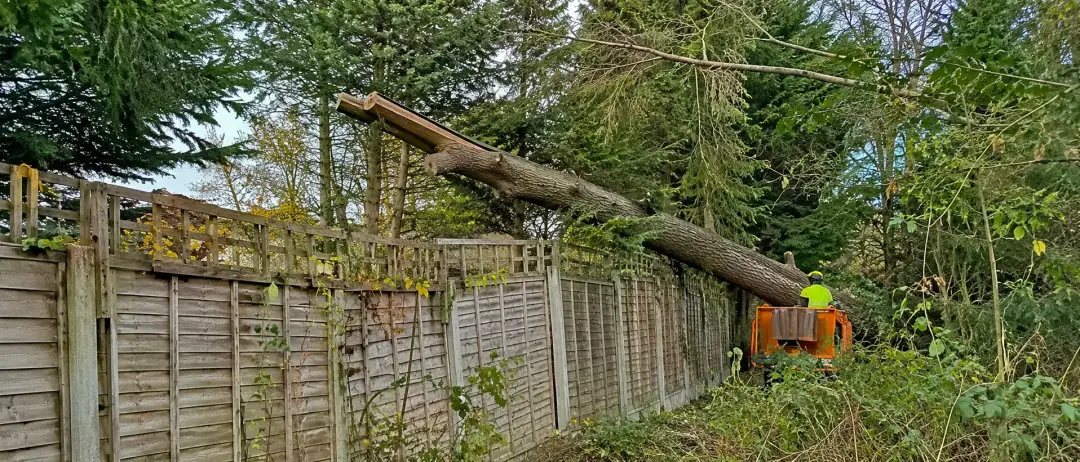
A dying tree becomes especially vulnerable in storms, when weakened limbs can snap and fall onto roofs, cars, fences, or nearby roads. In many cases the tree may look salvageable at first, but once the decline sets in, pruning alone cannot restore strength.
If the tree stands close to buildings or paths, the risk of falling branches or the entire tree toppling increases dramatically, making professional tree removal the responsible choice to prevent accidents.
Fungal growth at the base of the tree
Fungi growing around the base of the tree signal that decay has already reached the roots or lower trunk. Mushrooms or bracket-like growth near the soil line indicate that the root system is rotting from within, even when leaves still appear green above. This type of root damage weakens the tree’s grip on the ground, particularly in soft or waterlogged soil after heavy rain.
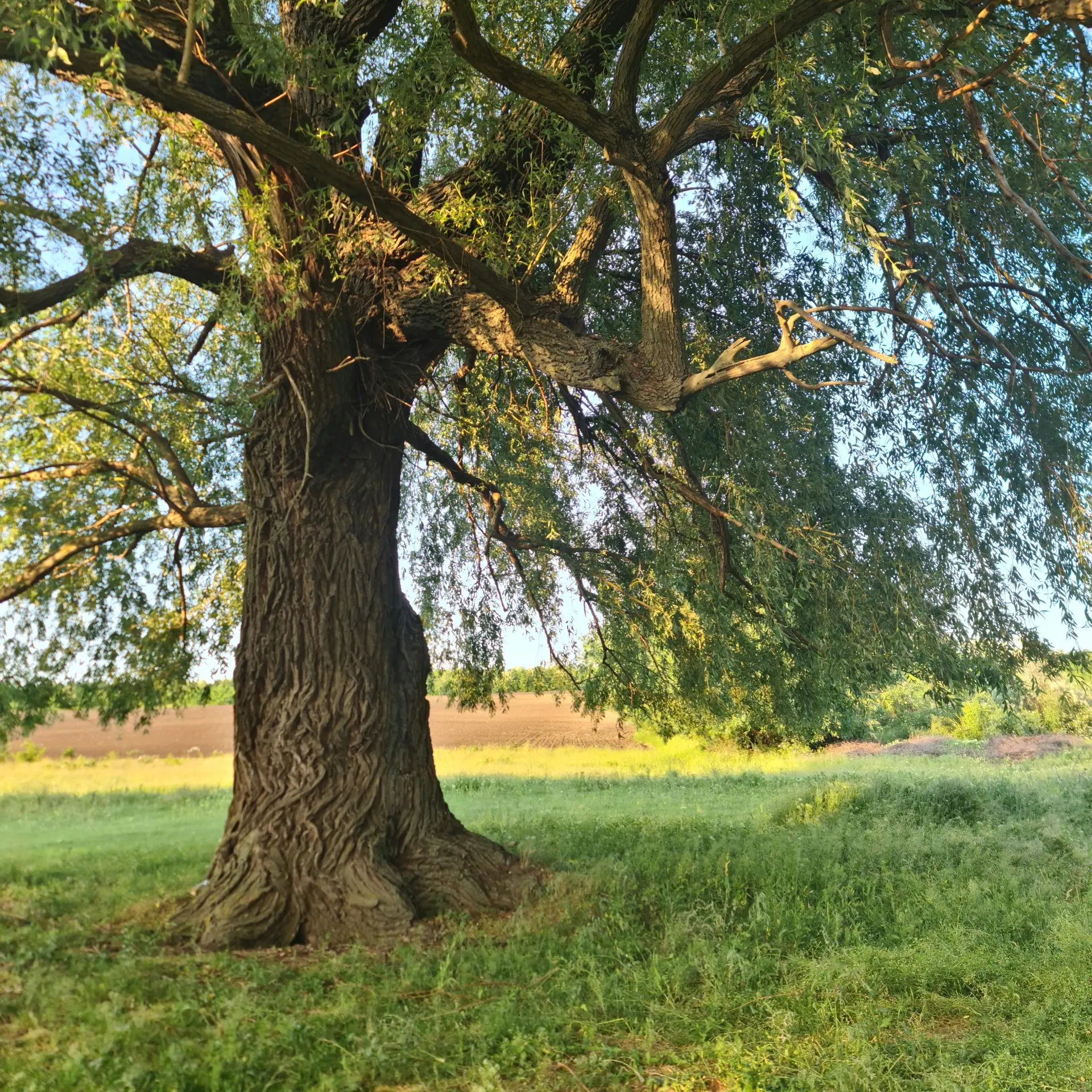
The tree may lean or sway more than usual, and the fungi continue to spread, feeding on dead wood and further reducing stability. Common fungi such as honey fungus create clusters of honey-coloured mushrooms in autumn, while others form hard shelves or crusty patches around the base.
Once fungi establish themselves, the tree rarely recovers fully. Removing the tree entirely often proves safer than repeated pruning, especially if the growth appears near the base of the tree close to your home or garden structures.
Storm damage and broken limbs
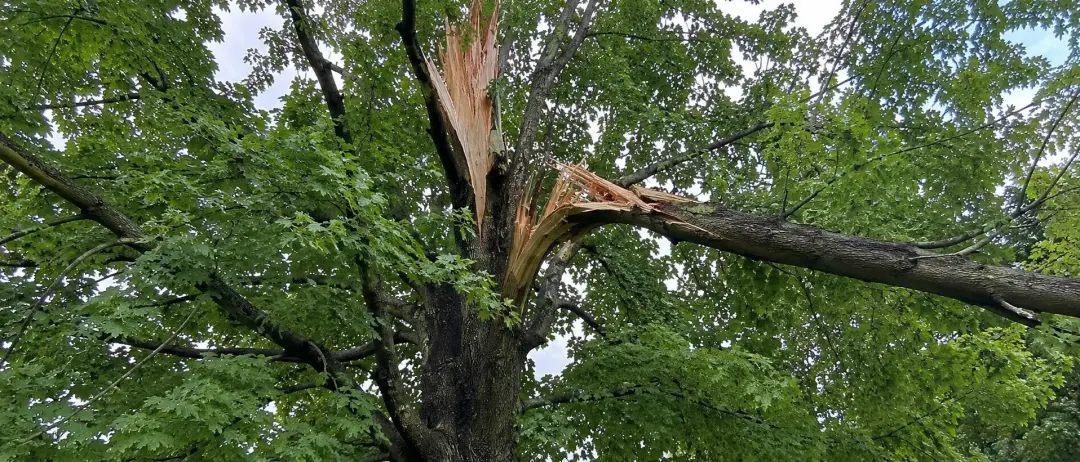
Storm damage frequently leaves behind large dead branches tangled high in the canopy. These hanging limbs can drop suddenly without warning, even months after the original high winds have passed. Split trunks or broken limbs also create entry points for disease and pests, allowing rot to spread deeper into the wood over time.
If the tree stands near power lines or buildings, the danger multiplies because falling branches can cause injury or expensive repairs. Even smaller storms can loosen roots or crack major limbs, and repeated stress eventually makes the whole tree unstable. When storm damage combines with existing weaknesses, the tree needs prompt assessment so that the right action prevents further harm to people or property.
The tree has hollow areas or soft wood
Hollow areas or soft wood inside the trunk represent a hidden but serious threat to safety. The tree can appear healthy from a distance while the internal wood crumbles under pressure from years of decay. You might notice spongy patches, darker wet areas, or loose bark around the base when you press gently or inspect closely.
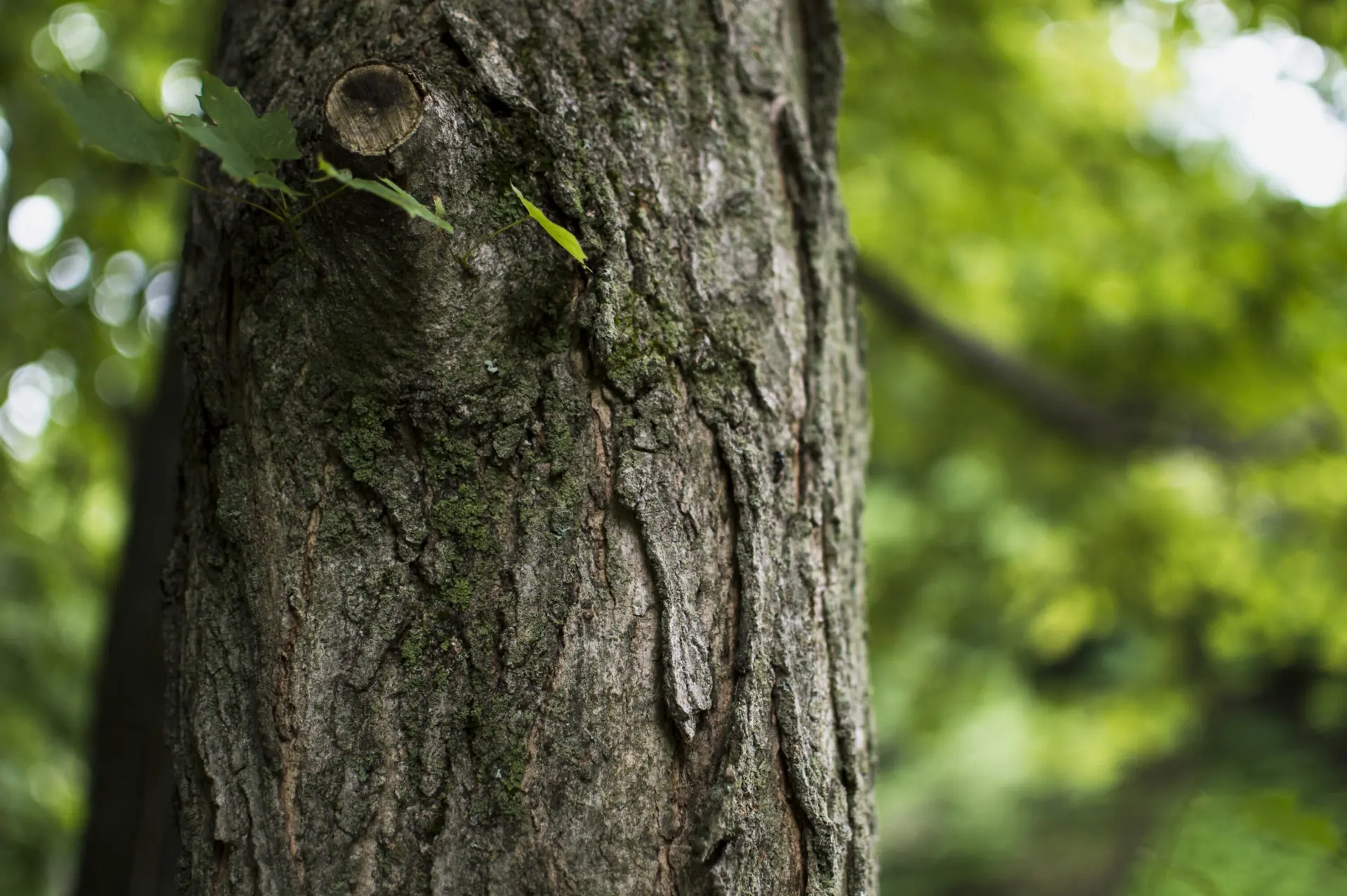
These symptoms show that fungi or old wounds have compromised the tree’s structure, reducing its ability to carry its own weight or resist movement in the wind. Large sections of hollow wood make the tree more likely to snap or fall without warning, especially during high winds or after prolonged rain softens the surrounding soil.
Although minor hollows sometimes allow a tree to survive, extensive decay usually means the tree cannot regain stability through pruning or other tree care methods.
Leaning trees and visible root damage
A noticeable lean or exposed roots near the base often indicates that the root system has lost its hold on the ground. Roots lifting pavement, cracking foundations, or circling too closely around the trunk create root damage that affects long-term stability.
Soil erosion, waterlogging, or changes caused by nearby construction can accelerate this problem, leaving the tree vulnerable to toppling in the next storm. If the lean directs the tree toward your home, garden buildings, or play areas, the risk of sudden failure rises sharply. Professional inspection can determine whether the tree may recover or whether removal is required to eliminate the hazard before it causes injury or significant damage to property.
Cracks in the trunk and bark issues
Deep cracks running vertically or horizontally along the trunk, combined with peeling or missing bark, serve as clear warning signs of internal weakness. These fissures often appear after storms or as the result of disease spreading through the wood.
Bark that flakes away easily or shows dark, wet patches suggests that the protective outer layer has failed, allowing pests and fungi to enter. Over time, cracks widen and compromise the tree’s ability to withstand high winds or heavy snow. When you spot such damage near the base of the tree or higher on the main trunk, the tree needs immediate evaluation because continued decline can lead to sudden collapse.
Pests, disease, and declining health
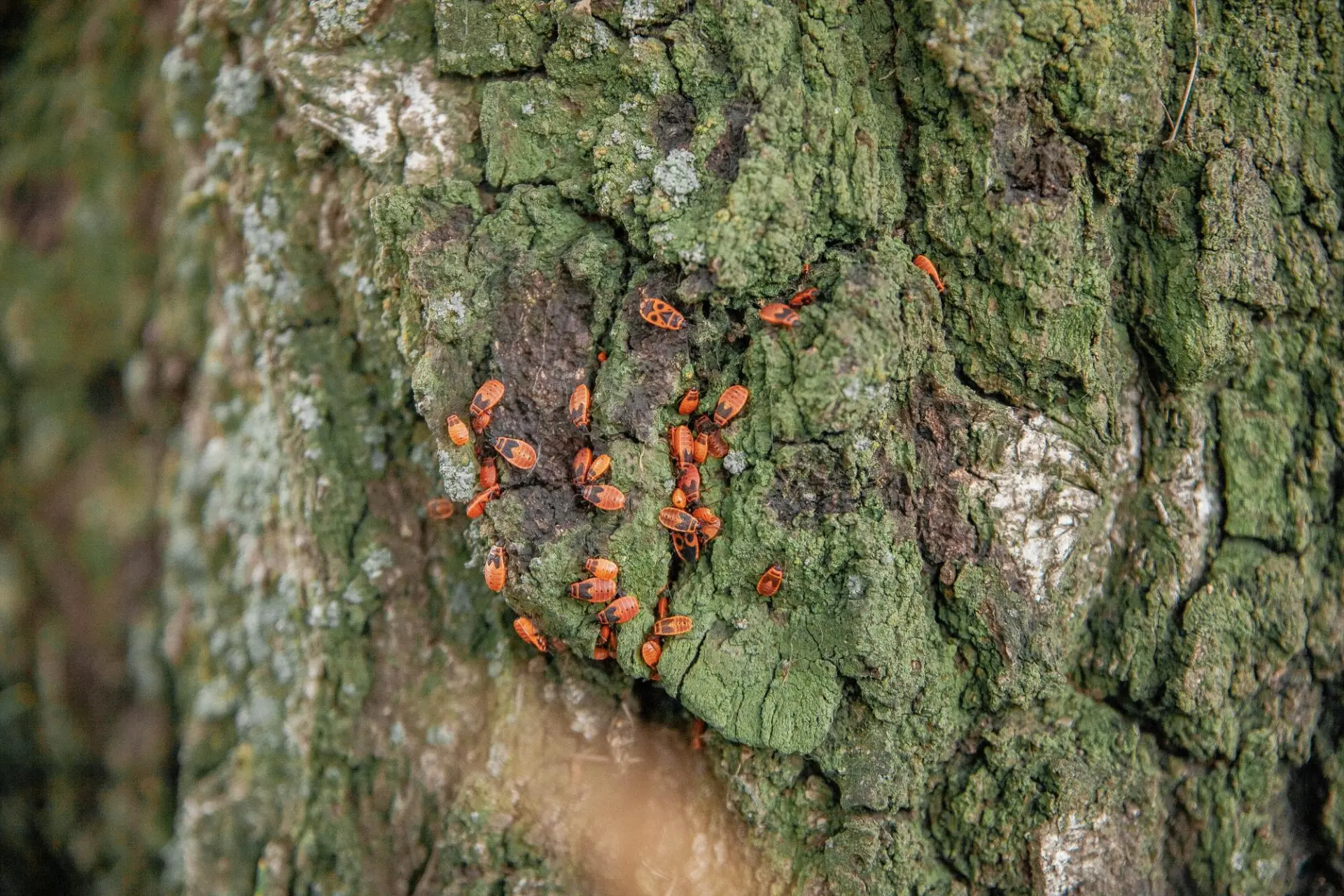
Beyond fungi, insect pests can bore into the trunk and roots, accelerating the tree’s decline and reducing its overall health. Boring insects create small holes and sawdust-like frass around the base, while certain diseases strip nutrients from the leaves and weaken the branches year after year. Poor soil conditions, lack of water, or competition from nearby plants can compound these problems, causing the tree to shed leaves prematurely or produce smaller growth.
Once pests or disease take hold, the tree rarely returns to full strength even with intensive care. Large dead branches that appear as a result of this decline pose an ongoing risk of falling and damaging structures or injuring people below. In such cases, removing the tree prevents the spread of problems to surrounding trees and keeps your garden safe.
Trees near power lines or buildings
Trees growing too close to power lines, buildings, or garden boundaries often require removal when their branches or roots begin to interfere with safe operation of utilities or structural integrity. Overhanging limbs can contact wires during high winds, creating fire risks or power outages, while roots pushing against foundations cause costly cracks in walls and paths.
If the tree stands in a location where falling would affect roads, footpaths, or neighbouring property, the potential for injury or damage makes action essential. Professional tree surgeons assess these situations carefully, weighing whether pruning can solve the issue or whether full removal is the only way to eliminate the hazard permanently.
When pruning and tree care are no longer enough
Many property owners first try pruning to restore balance or remove diseased limbs, yet certain warning signs show that these efforts will not restore safety. Extensive decay, repeated storm damage, or advanced root damage mean the tree’s structure has deteriorated beyond recovery.
Continuing to delay removal in these circumstances only increases the chance of sudden failure. If you notice any combination of the signs described, leaning, fungi around the base, large dead branches, cracks, or hollow wood, it is wise to arrange a professional assessment without delay. A qualified tree surgeon can evaluate the tree’s condition and recommend the safest course of action.
Taking prompt action protects your home and everyone who spends time in the garden. If you spot these warning signs on your property, contact us today for expert advice on professional tree removal and tree care. Our experienced team will help you decide whether the tree can be saved or whether it needs to be removed safely and efficiently, ensuring peace of mind and long-term safety for your property.
Blackdown Treescapes provides safe, reliable tree removal and maintenance services across Wellington, Cullompton and Blackdown Hills. We remove dangerous, damaged, or unwanted trees with care, and we also offer advice on forestry and woodland management.