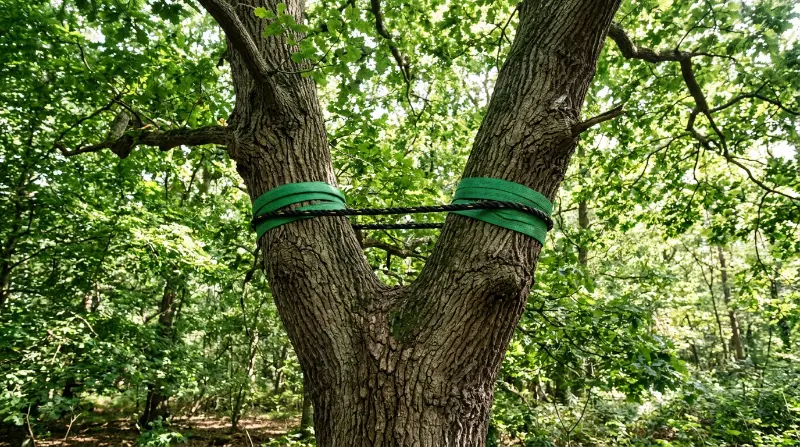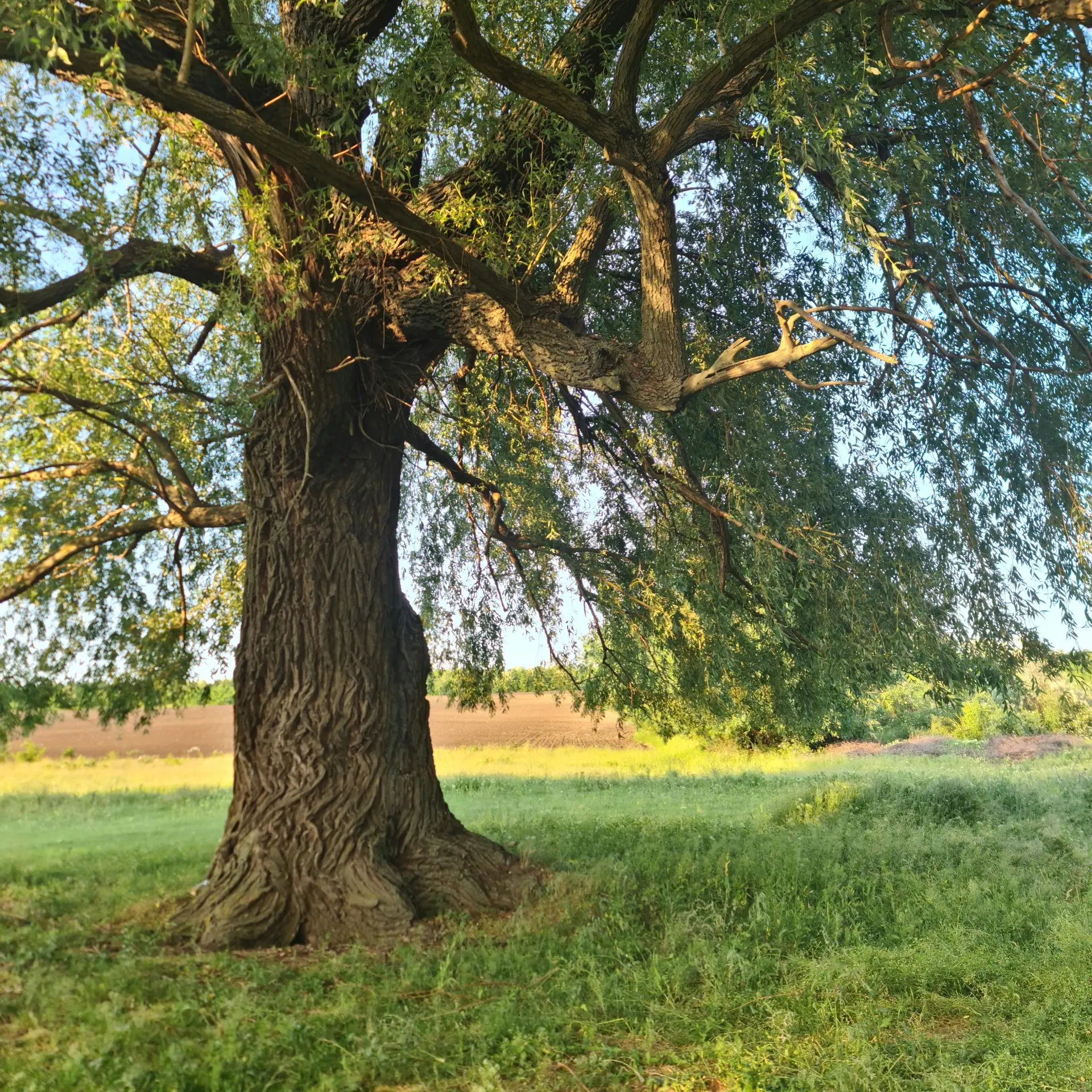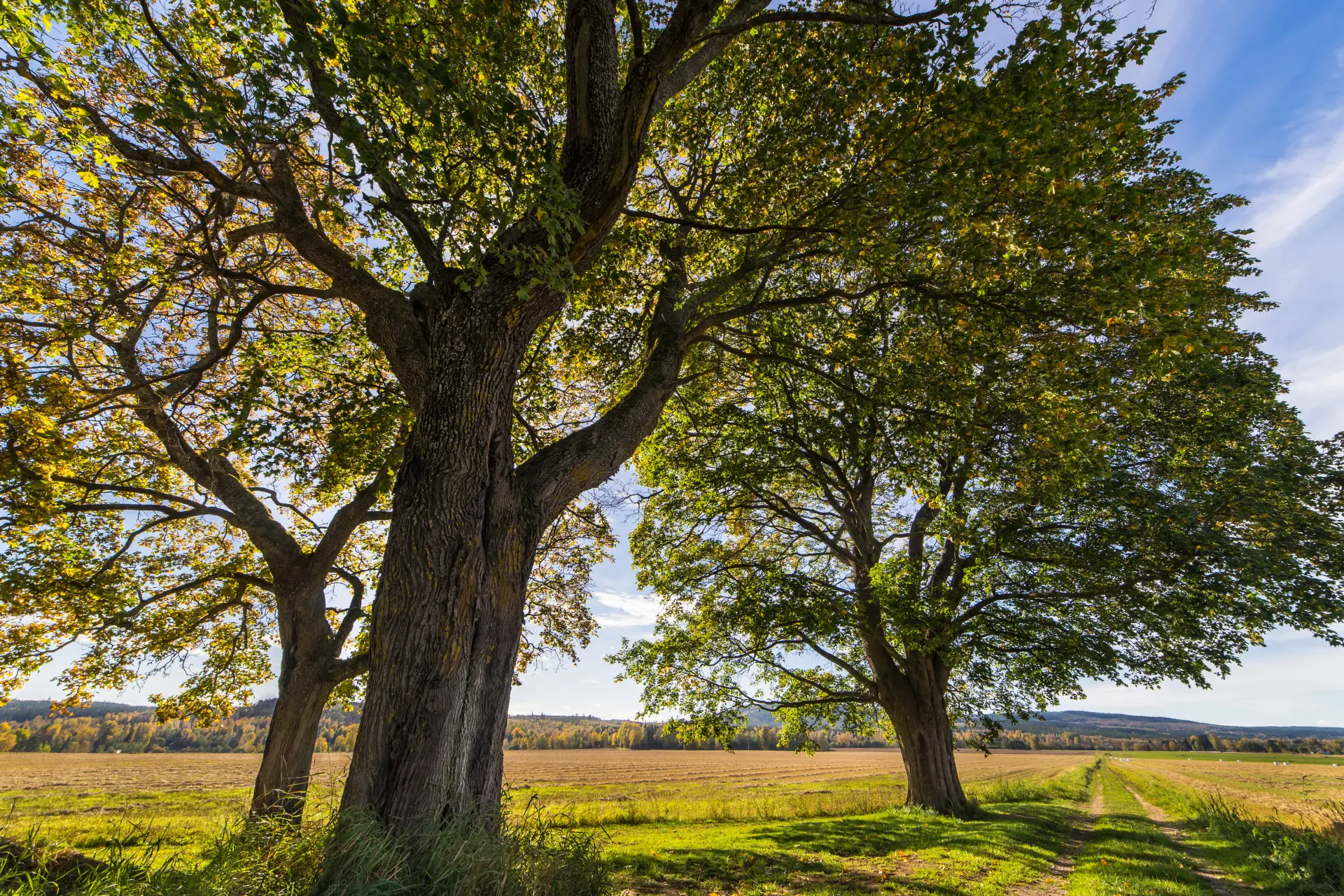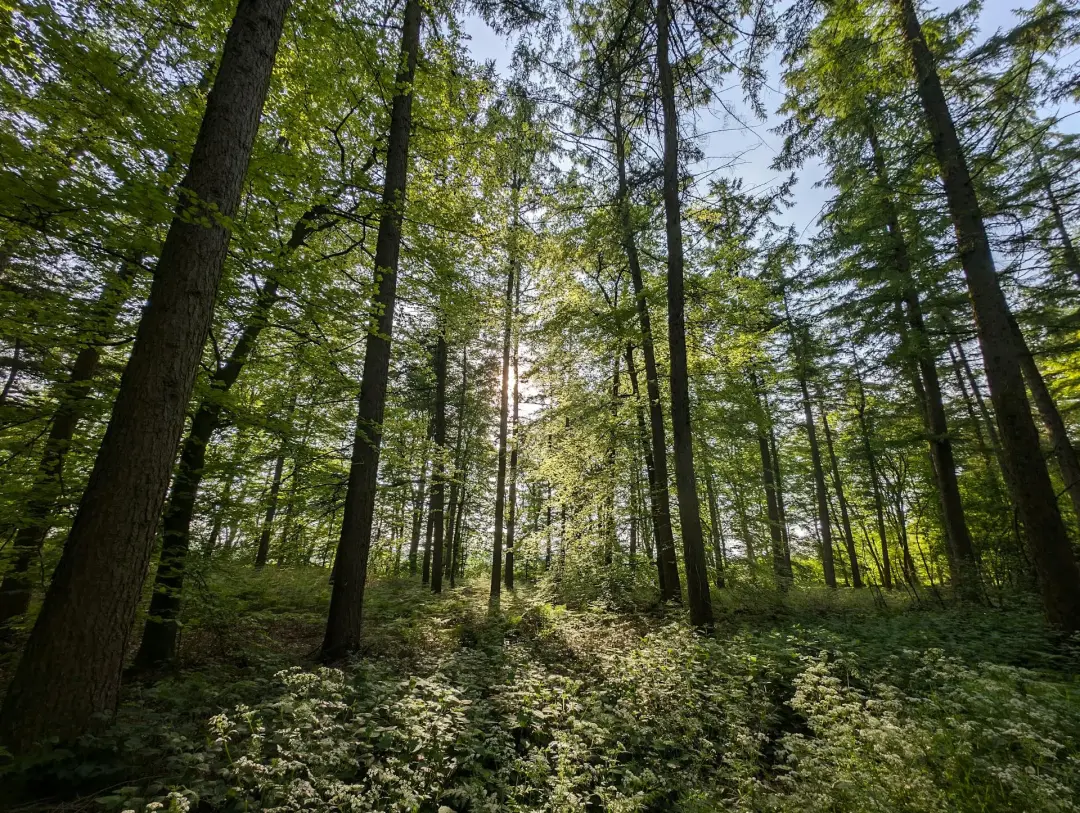
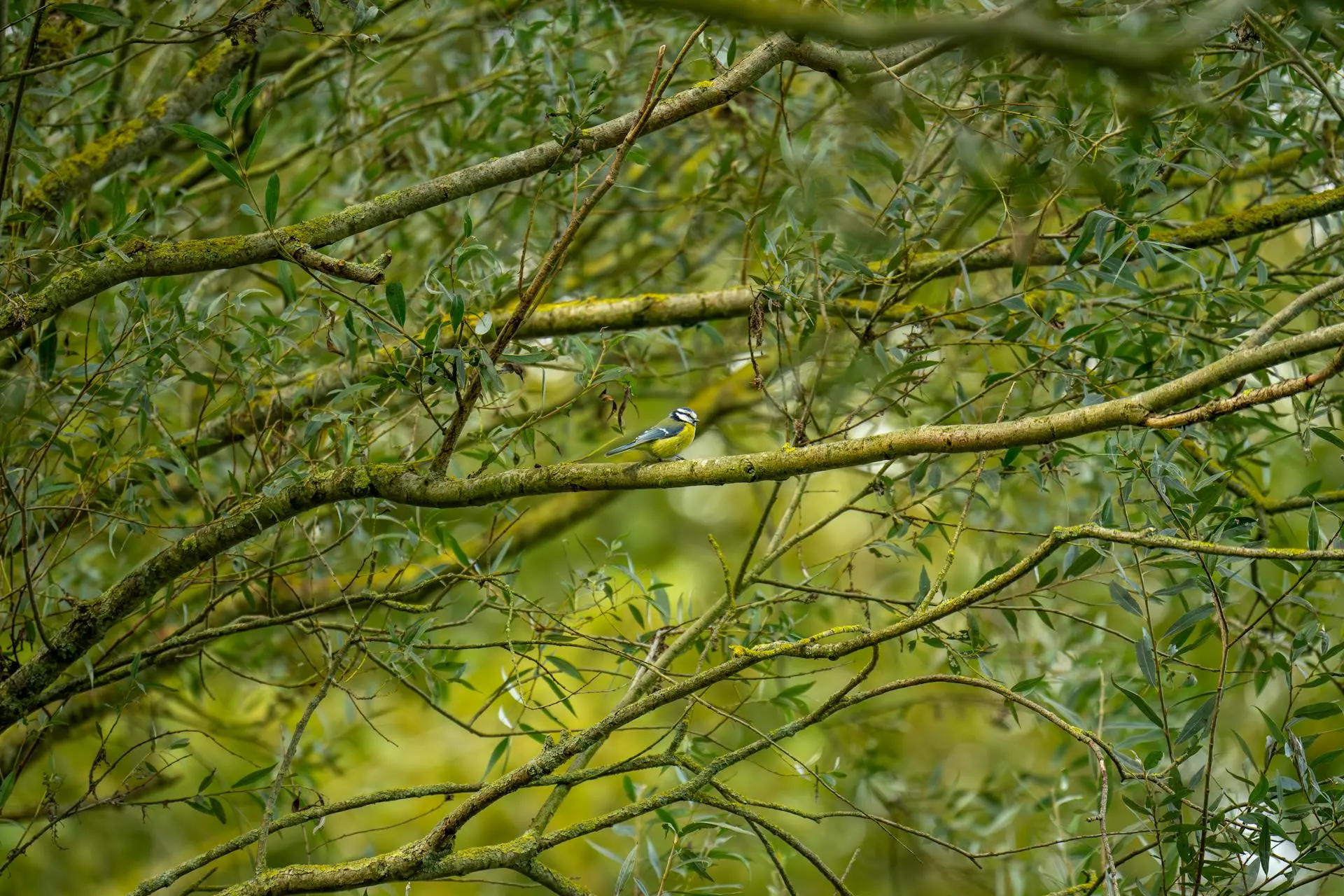
We explore the role of forestry management in protecting wildlife. Ensure forests stay healthy, diverse, and resilient, fostering vital habitats for UK wildlife and supporting long-term conservation.
What Is Forestry Management?
Forestry management is planning how we take care of our local forests, woodlands, and tree-covered land. It is not just about cutting trees or planting brand-new ones. It is about making choices that help forests stay healthy, useful, and safe for many years.
Good forestry management looks at the whole forest, not just the trees. It considers soil, water, plants, animals, fungi, insects, and people. Each part of the forest depends on the others, so poor choices in one area can affect the whole woodland.
A well-managed forest may be used for timber, public access, conservation, flood control, or a mix of many purposes. This means trees can sometimes be harvested, but only in a way that protects the wider environment.
Forestry management also involves frequent checks and long-term planning. Forests change slowly, so the decisions made today can impact wildlife dramatically for decades. Sensible management helps make sure forests remain strong, diverse, and full of life.
Why Wildlife Depends on Healthy Forests
Wildlife depend on healthy forests because forests provide them with food, shelter, and safe places to raise their young. Birds, mammals, insects, reptiles, and amphibians all use forests in different ways. Even small changes to a woodland can affect many species.
A healthy forest will always have a mix of tree ages, plant layers, open spaces, shaded areas, and damp places. This range allows many different animals to live in the same woodland. Some species need tall trees, while others need thick shrubs, leaf litter, or fallen wood.
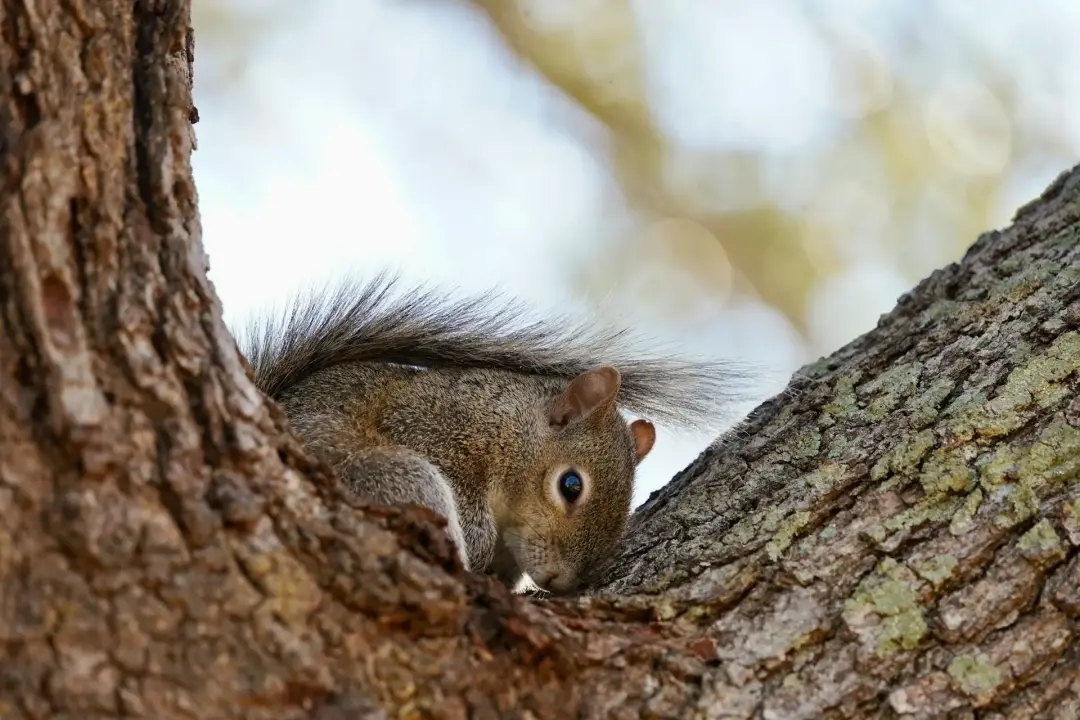
Forests also protect animals from extreme weather. Trees give shade during hot weather and shelter during heavy rain and strong winds. Dense plant cover can also help animals hide from predators and avoid disturbance from people.
When forests become damaged, the wildlife in them typically lose the conditions they need to live. Fewer plants, fewer insects, or fewer nesting places mean the number of animals can drop. It’s always best for healthy forests to protect wildlife and keep natural systems as balanced as possible.
Creating Safe Habitats for Animals
A safe habitat gives animals the space and conditions they need to live without constant threat. Forestry management can help create these habitats by protecting important woodland features. This may include mature trees, thick undergrowth, ponds, streams, glades, and quiet areas.
Different animals need different kinds of shelter. Bats may roost in tree holes, birds may nest in branches, hedgehogs may use piles of leaves, and insects can live under bark. A well-managed forest keeps a number of these features in place.
Safe habitats are also about reducing the level of disturbance. Forestry work can be carefully planned so that loud machinery, tree felling, and public access do not harm sensitive areas. Quiet zones can be especially important during nesting and breeding seasons.
Creating safe habitats does not always mean leaving every part of a forest completely untouched. Sometimes, gradual thinning here and there can let more light reach the ground, which helps the flowers and shrubs grow. These plants then support plenty of insects, birds, and mammals, making the habitat richer.
Protecting Nesting and Breeding Areas
Nesting and breeding areas are some of the most sensitive parts of a forest. Many animals need calm, safe places to raise their young. If these areas are disturbed at the wrong time, eggs, chicks, or young animals may be put at risk.
Forestry management can protect these areas by timing the work correctly. Tree cutting, heavy vehicle use, and path repairs can be avoided during key breeding periods. This helps limit the amount of stress it may cause and gives young wildlife a better chance of survival.
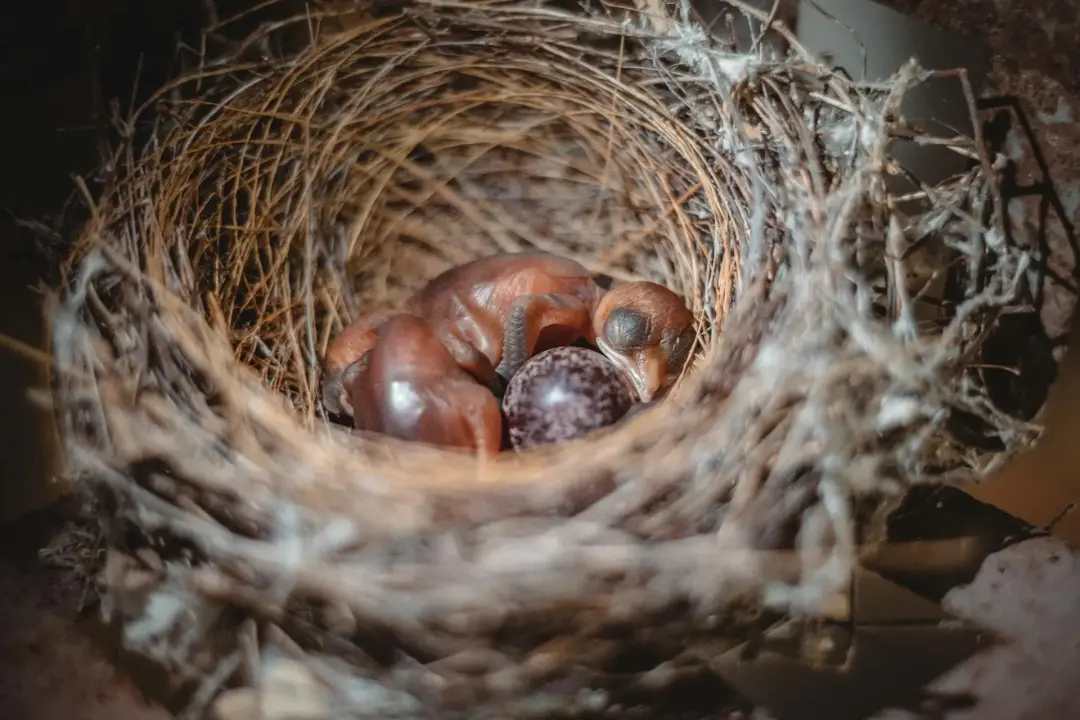
Some nesting sites are easy to see, such as bird nests in trees. Others are hidden, such as bat roosts, badger setts, or amphibian breeding ponds. More frequent surveys can help identify these places before any work begins.
Protecting breeding areas also means keeping the surrounding habitat healthy. A nest is not enough on its own if there is no food nearby or if predators can easily reach it. Responsible forestry management looks at the wider area around nesting sites, not only the exact spot.
Supporting Food Sources for Wildlife
Forests provide a wide range of food for wildlife. Seeds, berries, nuts, leaves, fungi, nectar, insects, and small animals all form part of woodland food chains. Forestry management can help make sure these food sources remain available throughout the year.
A woodland with many plant species can support more wildlife than one with only a few types of trees. Native trees and shrubs are especially useful because local wildlife has adapted to use them. Oak, birch, hawthorn, hazel, rowan, and willow can all support many species.
Forestry work can also help by creating sunny spaces where flowers and grasses can grow. These areas attract insects, which then feed birds, bats, and other animals. Open rides, woodland edges, and small clearings can be very valuable when managed well.
Food sources must be protected across all seasons. Berries may support birds in autumn and winter, while flowers support pollinators in spring and summer. A long-term forestry plan should make sure wildlife have enough food at different times of the year.
Managing Trees Without Harming Nature
Tree management can be useful when it is done with care. Removing some trees may help younger trees grow, improve safety, or produce timber. However, this work must be planned so it does not damage wildlife habitats.
Before trees are cut, the area should always be checked for any existing nests, roosts, rare plants, and other potentially sensitive features. This helps avoid any harm to the local protected species and important habitats. It also allows managers to adjust plans when needed.
Not every tree needs to be perfect to be valuable. Trees with cracks, holes, loose bark, and dead branches are often used as homes for wildlife. Removing too many of these trees can reduce shelter for birds, bats, insects, and fungi.
Managing trees without harming nature means opting for the right method for each place. In some areas, light thinning may be best. Whereas in others, leaving trees alone may be the safest option.
The Importance of Deadwood and Fallen Trees
Deadwood and fallen trees are such necessary parts of a healthy forest. Although they may look untidy, they provide food and shelter for many species. Insects, fungi, mosses, birds, mammals, and amphibians all benefit from deadwood.
As the wood breaks down, it returns the nutrients to the soil. This helps new plants grow and keeps the forest cycle moving. Without deadwood, woodland soil can become poorer over time, which affects plants and animals.
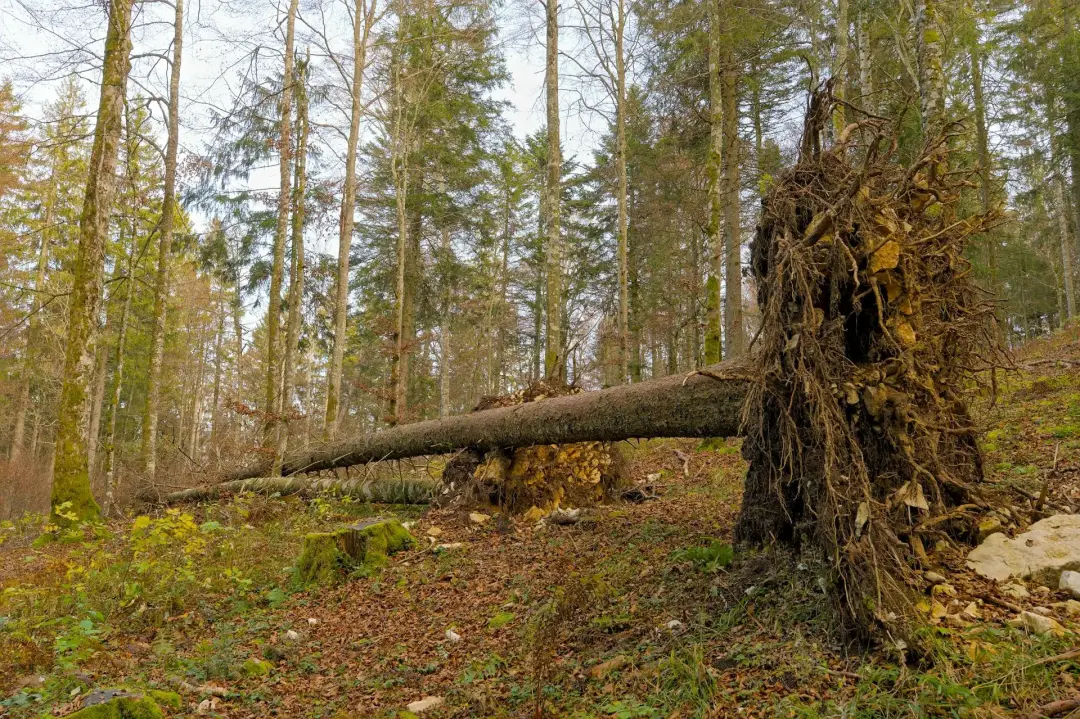
Dead trees can also be important standing habitats. Holes in standing dead trees may be used by nesting birds or roosting bats. Beetles and other insects often live in decaying wood, and these insects then become food for other animals.
Responsible forestry management does not remove all deadwood unless there is a clear safety reason. Fallen branches and logs can often be left in quiet areas. This simple action can greatly improve the value of a woodland for wildlife.
How Forest Planning Supports Biodiversity
Biodiversity refers to the diversity of living things in a particular area. In a forest, this includes trees, flowers, mosses, fungi, insects, birds, mammals, and many other forms of life. A strong forest plan looks at more than one season or one activity. It considers how the woodland will change over many years. This helps managers protect old trees, encourage young growth, and keep important habitats in good condition.
Planning can also help avoid damage caused by doing too much work in one place at one time. By spreading work across different areas and years, wildlife has places to move to while some parts of the forest are being managed.
Good planning also helps link all the woodland areas together. Wildlife often needs to move between habitats to find food, shelter, or mates. Woodland corridors, hedgerows, and natural edges can help animals travel more safely through the landscape.
Reducing the Risk of Wildfires
Wildfires can destroy habitats, kill wildlife, and damage soil. Although fire can be a natural part of some landscapes, uncontrolled fires can cause serious harm to many habitats and animals. Forestry management is a great way to reduce this risk through careful planning and plenty of maintenance.
One way to limit the fire risks is to manage dry plant material. Dead grass, dense scrub, and piles of dry branches can help fires spread quickly. Removing or reducing some of this material in high-risk areas can make forests safer.
Forestry managers can also create fire breaks. These are open or less dense areas that slow the spread of flames. Paths, tracks, rides, and managed clearings can all help give firefighters safer access if a fire starts.
Eliminating wildfire risk must be properly balanced with additional support for wildlife needs. Deadwood and thick vegetation are valuable habitats, so they should not be removed everywhere. A careful plan can lower the fire risks while still keeping important shelter and food sources for animals.
Controlling Invasive Plants and Pests
Invasive plants and pests can cause serious problems in forests. They may spread quickly, outcompete native species, or damage trees. When this happens, the wildlife that depends on native plants and healthy trees can also suffer.
Some invasive plants form dense cover that blocks light from reaching the forest floor. This can stop wildflowers, young trees, and native shrubs from growing. When these plants disappear, insects and other animals may lose important food sources.

Pests and diseases can weaken or kill trees. If many trees are affected, the structure of the woodland can change. This can reduce nesting places, shelter, shade, and food for wildlife.
Forestry management can help by monitoring for early signs of invasive species and pest damage. Quick action is often more effective than waiting until the problem spreads. Control methods should be chosen carefully so they do not harm native wildlife.
Protecting Water Sources in Woodlands
Water is one of the most important resources in any forest landscape. Streams, ponds, wetlands, and damp ground support many species. Frogs, newts, insects, birds, mammals, and plants all depend on clean woodland water.
Forestry management protects water sources by avoiding any soil and chemicals from entering them. Heavy machinery can damage stream banks and cause mud to wash into the water. Careful route planning helps get rid of this risk.
Trees and plants near water are also incredibly important, as their roots hold all the soil in place, while their shade helps keep water cool. Cool, clean water supports lots of fish, insects, and other freshwater life.
Woodland water sources also help wildlife during dry periods. Ponds and damp areas are great lifelines for animals when other water is completely scarce. Protecting these places makes forests much more resilient and better able to support life.
Using Tree Planting to Support Wildlife
Tree planting can support wildlife when it is planned with care. Planting the right trees in the right places can create new habitats, link existing woodlands, and improve food sources. However, planting should not damage valuable open habitats such as wildflower grassland or wetlands.
Native trees are always the best choice for wildlife. They support many insects, birds, and mammals because they are part of the local natural system. A mix of native species usually supplies much more value than planting only one type of tree.
Tree planting should involve many different layers of vegetation. Tall trees, smaller trees, shrubs, and ground plants all offer varying habitats. This kind of structure gives local wildlife more places to feed, hide, nest, and move safely.
New planting needs aftercare. Young trees may need protection from damage, drought, or competition from other plants. If new trees are looked after properly, they can grow into strong habitats that support wildlife for generations.
Monitoring Wildlife Populations
Monitoring the current wildlife populations means checking which species are present and how their numbers change over time. This helps forestry managers understand whether their actions are helping or harming wildlife. Without monitoring, it is harder to make good decisions.
Surveys can record all the local birds, mammals, insects, plants, fungi, and other species. Some checks may be simple, such as noting bird calls or signs of mammals. Others may need trained specialists, especially for protected or rare species.
Monitoring can show when a habitat is improving. For example, more butterflies may appear after sunny woodland rides are restored. More nesting birds may be found when old trees and thick shrubs are protected.
It can also reveal problems early. A sudden drop in a species may suggest food loss, disturbance, disease, or habitat damage. Regular monitoring allows forestry plans to be changed before problems become more serious.
Working with Landowners and Conservation Groups
Forestry management usually works best when the landowners, local communities, and conservation groups work together. Each group may bring useful knowledge, skills, and resources. Cooperation can lead to better results for both people and wildlife.
Landowners play a major role because they make all the decisions about how the woodland is used. With the right advice, they can manage trees in ways that protect habitats and support long-term forest health. Many landowners also care deeply about the wildlife on their land.
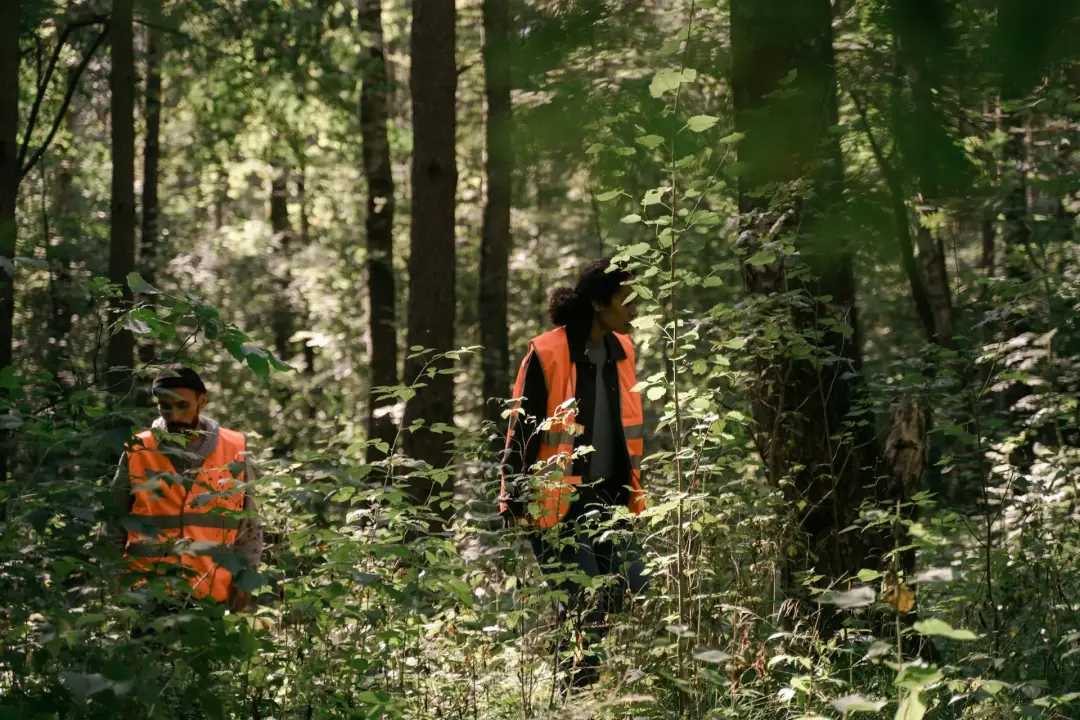
Conservation groups can help with surveys, habitat advice, and practical work. They may know which species are at risk in the area and what actions are most useful. Their input can help forestry plans become more effective.
Working together also helps connect forests across wider landscapes. Wildlife does not follow property boundaries. When neighbouring landowners and groups cooperate, they can create safer movement routes and larger areas of suitable habitat.
The Long-Term Benefits of Responsible Forestry Management
Responsible forestry management brings plenty of long-term benefits for wildlife, people, and the wider environment. Healthy forests supply homes for many species, protect soil, store carbon, clean water, and offer peaceful places for many local people to enjoy.
Mature trees, deadwood, ponds, shrubs, and connected habitats all take time to develop. Careful management protects these necessary features and helps new ones grow.
Responsible forestry also makes forests more resilient. A diverse woodland is better able to cope with disease, storms, drought, and climate change. When forests are stronger, the wildlife living in them has a better chance of surviving future pressures.
The biggest benefit is the balance it offers. Forestry management can allow people to use woodland resources while still protecting the surrounding nature. When decisions are made with care, forests can remain living, changing, and valuable places for many years to come.
Blackdown Treescapes provides safe, reliable tree removal and maintenance services across Wellington, Cullompton and Blackdown Hills. We remove dangerous, damaged, or unwanted trees with care, and we also offer advice on forestry and woodland management.