How Often Should Trees Be Pollarded?
Most trees that are already managed as pollards need regular pruning. An annual cutting cycle is common, although some established pollarded trees may be cut every few years. The correct interval depends on the species, age, growth rate, location and previous management of the tree.
The Royal Horticultural Society recommends continuing an annual cycle once a tree or shrub has been pollarded. It also explains that pollarding should generally be carried out at least every few years to avoid problems caused by branches becoming too large and heavy.
Regularity is important because pollarding encourages new shoots from established pruning points. Allowing these shoots to grow for too long can change the structure of the tree and make future pruning more difficult. A tree surgeon can assess the existing pollard heads, branch size and overall condition before deciding how frequently work should take place.
What Is Tree Pollarding?
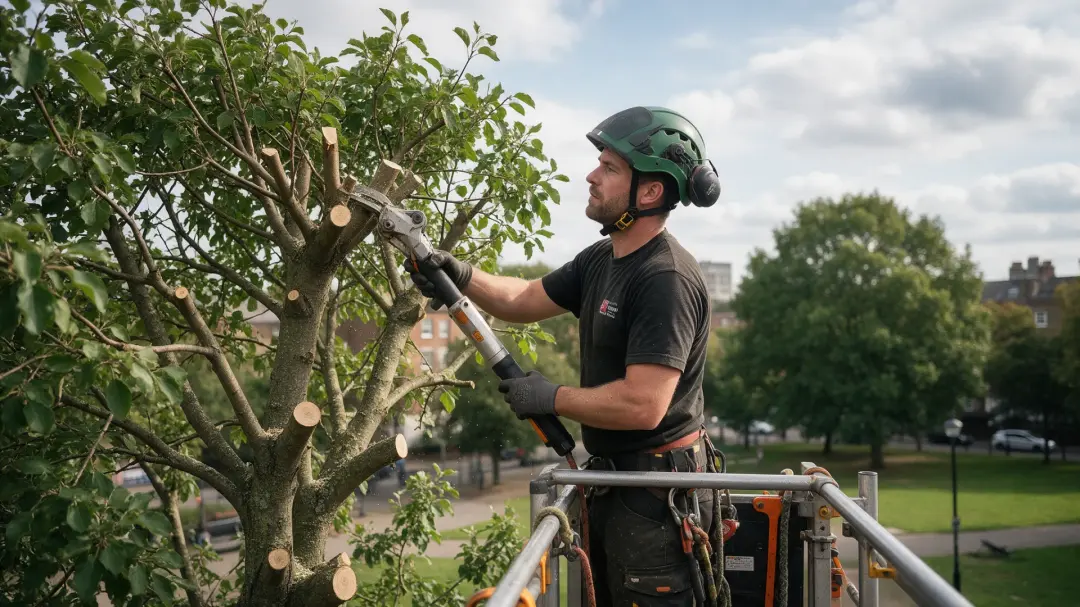
Pollarding is a pruning method used to control the size and shape of certain trees. The main branches are cut back to established points, encouraging new shoots to grow from these areas. Repeated pruning gradually creates enlarged points known as pollard heads.
Unlike occasional general pruning, pollarding is normally a continuing management method. Once a tree has been placed on a pollarding cycle, future pruning should follow a planned schedule rather than being carried out only when the tree appears overgrown.
Pollarding can help prevent suitable trees from becoming too large for their surroundings. It may be used where trees grow close to buildings, roads, paths, streetlights or other features. It can also reduce the amount of shade produced by a large crown. However, not every tree is suitable for this form of management.
Is Annual Pollarding Always Necessary?
Annual pollarding is a common approach, particularly where maintaining a very controlled size and shape is important. Cutting back the new shoots regularly keeps them relatively small and reduces the amount of material that must be removed during each visit.
The Royal Horticultural Society advises continuing an annual cutting cycle after pollarding has been established. However, this does not mean that every pollarded tree in every location must be cut on exactly the same date each year.
Some trees may be managed at longer intervals where their growth rate, condition and surroundings allow it. The important point is that the interval should be planned. Waiting until branches have become unusually large can make the next stage of management more difficult and may increase the amount of work needed.
Why the Pollarding Cycle Matters
New shoots can grow strongly after pollarding. When these shoots are removed regularly, they remain relatively small and the tree continues to produce new growth from established points.
If the normal cycle is missed repeatedly, those shoots can develop into much larger branches. They become heavier and place greater loads on the areas from which they grow. This can be particularly important with trees that naturally produce fast-growing shoots.
Regular pruning also makes it easier to maintain the intended height and spread of the tree. Rather than making large cuts into older wood, a tree surgeon can normally return to the previous pruning points and remove the more recent growth.
A planned cycle therefore helps maintain a consistent form while avoiding unnecessary removal of larger branches. The condition of the pollard heads should still be checked because cavities, decay, cracks and weak growth can develop as a tree ages.
Which Trees Can Be Pollarded?
Some species respond to pollarding much better than others. Trees commonly associated with the method include common lime, London plane, ash, elm, elder, eucalyptus, mulberry and selected maple species. Some oak trees can also be managed using pollarding methods.
Species matters because trees respond differently to repeated pruning. Some produce vigorous new shoots after cutting, while others are less suited to repeated removal of their upper growth. The age and previous management of the tree are also important.
It is usually easier to establish pollarding while a suitable tree is relatively young. Starting severe pollarding on a large mature tree that has never previously been managed this way is very different from maintaining an existing pollard. Large cuts can expose significant areas of wood and may affect the tree's future condition. Professional assessment is therefore advisable before starting a new pollarding programme.
Growth Rate Can Affect How Often Pollarding Is Needed
The speed at which a tree produces new shoots is one of the main factors affecting the maintenance interval. A vigorous tree in good growing conditions can produce substantial new growth during a single season.
A slower-growing tree may take longer to produce the same amount of branch growth. Soil conditions, available water, light levels and local weather can all affect growth from year to year.
This is why a fixed interval should not be applied to every tree without an inspection. Two trees of the same species can grow at different rates if one has better soil, more space or greater access to water.
The aim is normally to return before the new growth becomes too large for the established pollard structure. Regular inspections allow the maintenance schedule to be adjusted when growth is stronger or weaker than expected.
What Happens If Pollarding Is Left Too Long?
A missed pollarding cycle does not automatically mean that a tree has become unsafe. However, allowing an established pollard to grow for many years can create management problems.
The shoots produced from old pollard heads can gradually become substantial branches. Their increasing weight changes the forces placed on the tree. In species with weaker wood or vigorous shoot growth, large branches may become more difficult to manage.
The Royal Horticultural Society warns that poplar and willow can produce weakly attached branches, while long gaps in management can also create problems for species including beech, oak and sweet chestnut.
An overgrown pollard should therefore be assessed rather than simply cut back heavily without a plan. A tree surgeon may recommend staged pruning, branch reduction or retaining selected branches. The correct approach depends on the species, condition of the old pruning points and size of the regrowth.
When Is the Best Time of Year to Pollard Trees?
Late winter or early spring is generally suitable for pollarding many tree species. At this point, many deciduous trees are still dormant or are only beginning to move into active spring growth.
The correct timing can vary by species. Some maple species, for example, can lose significant amounts of sap if they are cut as sap begins to rise, so they may require a different approach.
Autumn is generally considered a less suitable period for pollarding because pruning wounds can be more exposed to fungi associated with decay. Weather conditions must also be considered. High winds, storms, ice and other unsafe conditions may mean planned work needs to be carried out at another suitable time.
A regular programme should therefore consider both the number of years between visits and the most suitable season for the particular tree.
Nesting Birds Must Be Considered
Wildlife must be considered before tree work begins. Wild birds, their eggs and nests have legal protection. It is an offence to damage or destroy the nest of a wild bird while it is being built or is in use.
The main nesting and breeding period is commonly regarded as running from March to August, although birds can nest outside these months. The presence of an active nest is more important than simply relying on dates.
This is another reason why late winter can be a useful period for suitable pollarding work. However, a tree should still be checked before pruning begins.
If an active nest is found, work that could damage the nest or disturb protected birds may need to be delayed. Tree surgeons should consider wildlife as part of planning the work rather than assuming that a regular maintenance date automatically makes pruning appropriate.
How Do You Know When a Pollarded Tree Needs Attention?
Previous maintenance records provide a useful starting point. If a tree has historically been pollarded every year, changing suddenly to a much longer interval without assessing the tree may allow more growth than the established structure was intended to support.
Visible signs can also show that an inspection is due. Long, heavy shoots, an increasingly dense crown and branches extending well beyond the usual outline may indicate that the tree is reaching the end of its normal maintenance cycle.
Cracks, dead branches, cavities or changes around old pollard heads require particular attention. These signs do not always mean that the tree needs immediate removal or heavy pruning, but they should be assessed.
A professional inspection considers more than branch length. The tree's health, structure, surroundings and previous pruning history all help determine whether pollarding should take place now or at a later point.
Pollarding Trees Near Buildings, Roads and Boundaries
Location can influence how closely a pollarding schedule needs to be managed. A tree growing in an open area may have more room for new shoots to develop than one beside a building, road, pavement or boundary.
Trees in restricted spaces may need more regular attention because excessive branch growth can interfere with nearby features. Maintaining the intended crown size can also reduce the need to remove larger branches later.
The surrounding area affects how the work itself can be completed. Branches may need to be lowered rather than dropped where there are buildings, vehicles, fences or public areas underneath the tree.
For these reasons, the correct pollarding interval is not based on tree species alone. A tree surgeon should consider how quickly the tree grows and how much space is available before recommending the next maintenance date.
Pollarding and Tree Preservation Orders
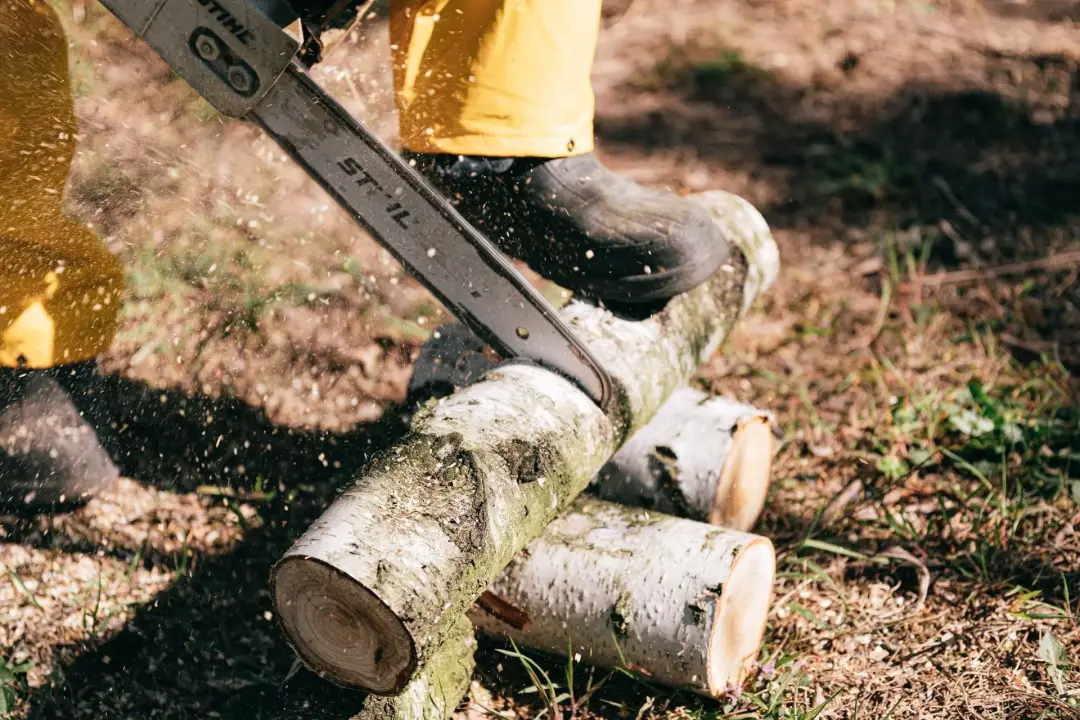
Before arranging pollarding, it is important to establish whether the tree has legal protection. A tree covered by a Tree Preservation Order normally requires consent from the local planning authority before pruning work is carried out.
Trees within conservation areas can also be subject to additional requirements. A property owner should not assume that routine or previously completed pollarding means permission is unnecessary for future work.
Government guidance confirms that ordinary tree maintenance such as pruning and pollarding does not normally require a tree felling licence. This is separate from planning protection. Permission may still be required if the tree has a Tree Preservation Order or is within a conservation area.
Checking the tree's status before work begins can prevent delays and reduce the risk of unauthorised pruning.
Should an Overgrown Pollard Be Cut Back to the Original Points?
An old pollard that has not been maintained for a long period needs careful assessment. Cutting every large branch directly back to the original points is not always the best option.
The old pollard heads may contain cavities or areas of decay, and removing a large amount of growth at once may expose older wood. The response also varies between species.
In some cases, selected branches can be retained while others are reduced. In others, a new pruning framework may be created rather than returning directly to the oldest cuts. London plane can respond well to removal of growth back towards established pollard points, while other species may benefit from retaining more branch structure.
A gradual approach can sometimes be more suitable than carrying out severe pruning in one visit. The decision should be based on the condition of the individual tree rather than appearance alone.
Pollarding Is Different from Crown Reduction
Pollarding and crown reduction both control tree size, but they are different pruning methods. Pollarding repeatedly removes new growth back to an established framework. Crown reduction shortens selected branches across the crown while retaining a more natural branch structure.
A tree that has never been pollarded should not automatically be treated as a pollard simply because it has become too large. Crown reduction may sometimes offer a more suitable way to reduce its height or spread.
The choice depends on the species, age, condition, location and previous pruning history. Established pollards generally need their existing management cycle maintained, whereas trees with a natural crown may require a different form of pruning.
A tree surgeon can identify the previous pruning method and recommend work that is appropriate for the existing structure.
Why Professional Pollarding Is Important
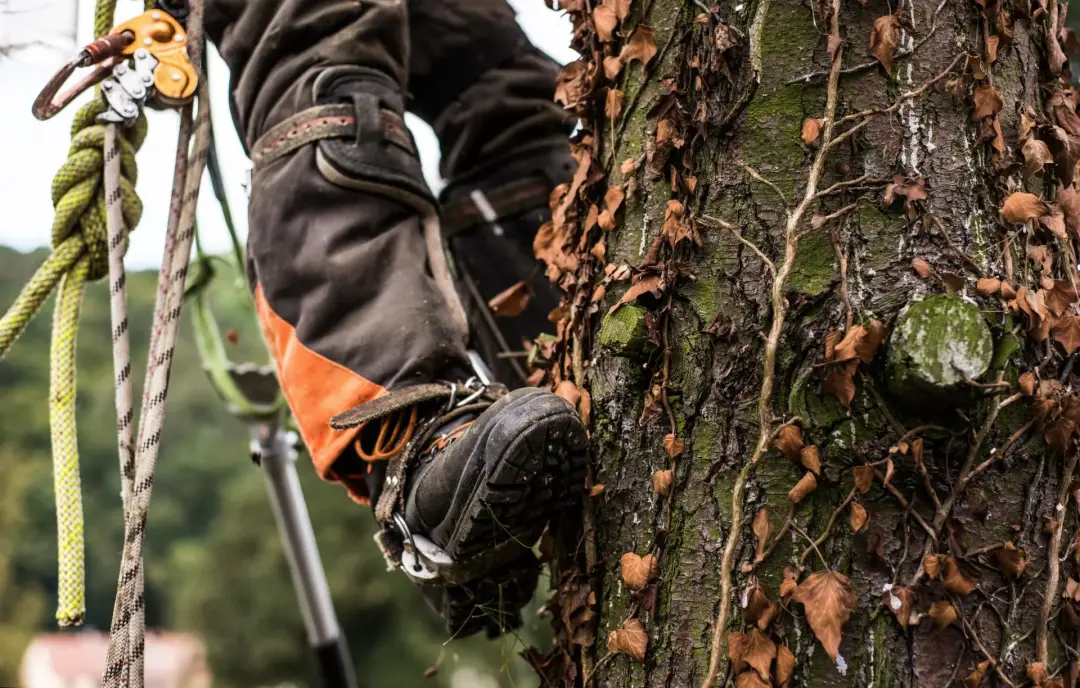
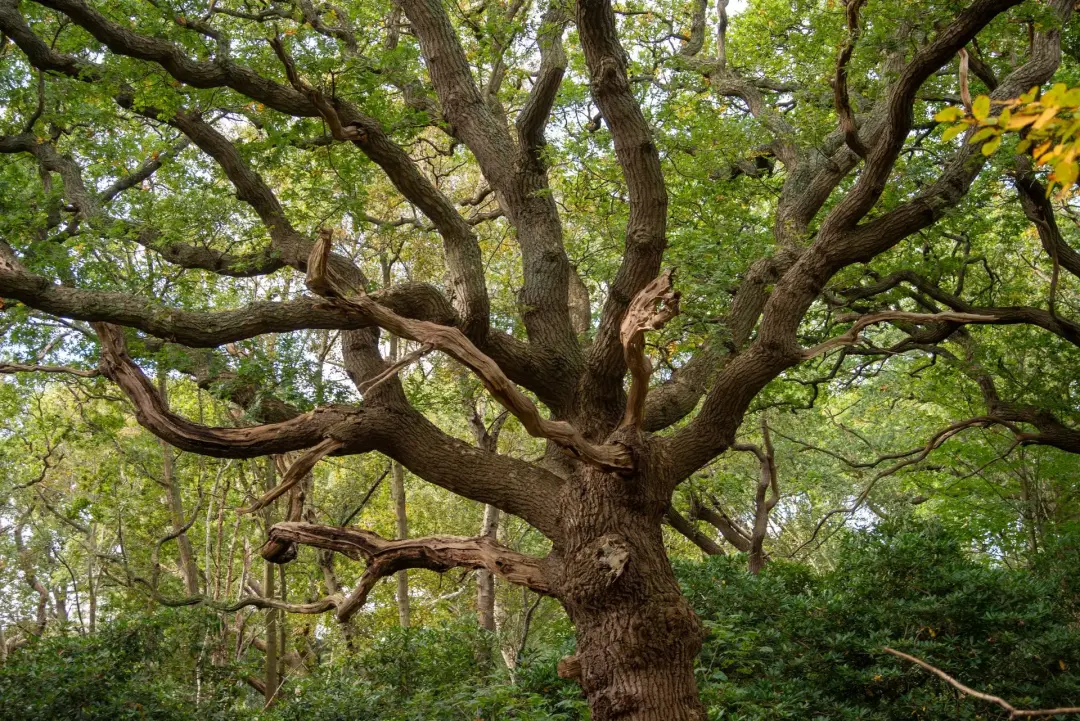
Pollarding large trees often involves work at height, chainsaws and the removal of substantial branches. Correct cutting points must also be selected so that the established pollard structure is maintained.
Removing too much growth, making cuts in unsuitable places or damaging established pollard heads can affect the future structure of the tree. Large branches may also need controlled lowering where there is limited space underneath.
A trained tree surgeon can inspect the tree before deciding how much growth should be removed. This inspection can identify dead wood, weak attachments, cavities and other features that may affect the work.
Professional management also allows a suitable future cycle to be recorded. Rather than waiting for the tree to become heavily overgrown again, the next inspection or pruning visit can be planned around its expected growth.
Tree Management Remains Important as More Trees Are Planted
Planting trees is only one part of maintaining a healthy tree population. Trees also need suitable long-term management as they grow and mature. This includes inspections, pruning where necessary and choosing management methods that are appropriate for each species and location.
Recent figures show the scale of tree planting taking place. Government figures published in July 2026 report that 5,250 hectares of new woodland were planted in England during 2025 to 2026. A further 925,000 trees were planted outside woodland, representing an estimated 1,137 hectares of additional tree canopy.
These figures do not indicate how many trees require pollarding, as most newly planted trees will never need this treatment. They do, however, show why long-term tree care matters. Selecting an appropriate tree for the available space can reduce the need for repeated size-control pruning later.
Where pollarding is suitable, establishing and maintaining a sensible cycle can allow the tree to remain within its intended space for many years.
Can Pollarding Be Stopped?
Stopping an established pollarding programme requires careful consideration. Once a tree has repeatedly produced shoots from pollard heads, allowing all of those shoots to develop indefinitely can result in large branches growing from the same areas.
This does not mean every pollard must continue on exactly the same schedule forever. As trees age, their condition and management requirements can change. A tree surgeon may recommend changing the frequency, retaining selected branches or modifying the structure.
The change should be planned rather than simply abandoning maintenance. The longer a pollard is left unmanaged, the larger its branches can become and the more complicated future work may be.
Regular inspections are particularly useful for older trees because they allow changes in branch structure and tree condition to be identified before the next major pruning decision is made.
How Often Should Older Pollarded Trees Be Inspected?
Pruning frequency and inspection frequency are not necessarily the same. Even where a tree is not due to be pollarded immediately, its condition may justify an earlier inspection.
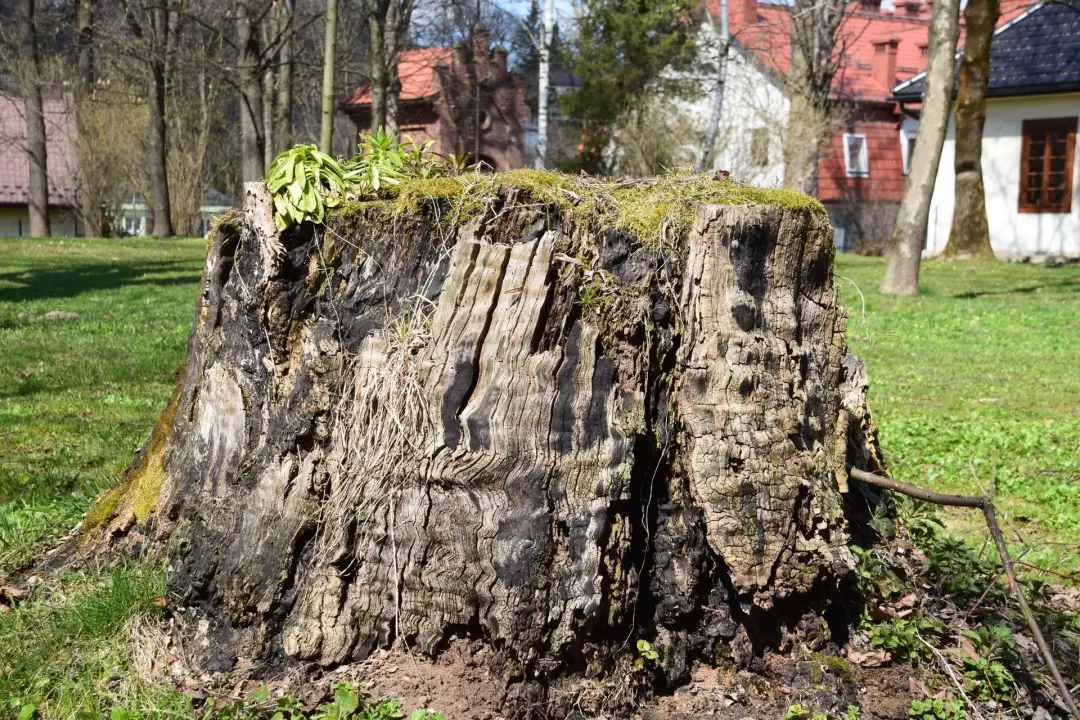
Older pollarded trees can develop cavities, decay and changes around historic pruning points. New shoots can also become damaged by wind or develop weak attachments.
The appropriate inspection interval depends on the tree and its surroundings. A tree beside a busy road, property or regularly used public area may require different monitoring from a similar tree in an open field.
Severe storms or visible changes can also justify an additional inspection rather than waiting for the normal maintenance date. A planned approach allows both pruning and condition checks to be based on the actual needs of the tree.
Keeping a Record of Pollarding Work
Keeping a simple record of tree work can make future pollarding easier to plan. The record can include the date of the last visit, the type of pruning completed and any concerns identified during the inspection.
Photographs can also provide a useful comparison. They show how much growth has developed between visits and whether the tree is maintaining the expected shape.
For properties containing several pollarded trees, records help avoid individual trees being missed. They can also show whether certain trees grow more quickly and need attention sooner than others.
A maintenance programme does not need to remain unchanged indefinitely. If growth slows, the tree's condition changes or nearby land use is altered, the interval can be reviewed. The aim is to provide the level of management needed by the individual tree rather than following a schedule without considering its condition.
How to Decide on the Right Pollarding Schedule
For an established pollard, annual pruning is a useful starting point because this reflects widely accepted horticultural guidance. Some trees can be managed every few years, provided the developing branches remain suitable for the existing structure.
The schedule should consider the tree species, age, health, growth rate and previous maintenance. Available space is also important. Trees close to buildings, roads or other structures may need tighter size control than trees growing in more open surroundings.
The size and attachment of new branches should be considered alongside the time since the last visit. If growth has become much larger than expected, professional assessment may be needed before simply returning to the previous cutting points.
A regular, planned approach is generally better than waiting until an established pollard becomes heavily overgrown. This helps maintain its intended form and makes future tree management easier to predict.
Blackdown Treescapes provides tree pollarding, crown reduction, tree pruning, tree surgery, tree felling, stump grinding, hedge trimming and maintenance services across Exmouth, Honiton, and Sidmouth.
Our rated tree surgeons help customers maintain trees, hedges, gardens and green spaces. For a friendly, reliable tree surgeon in Exmouth, call 07921 241875, submit a message, or ask for a quote.