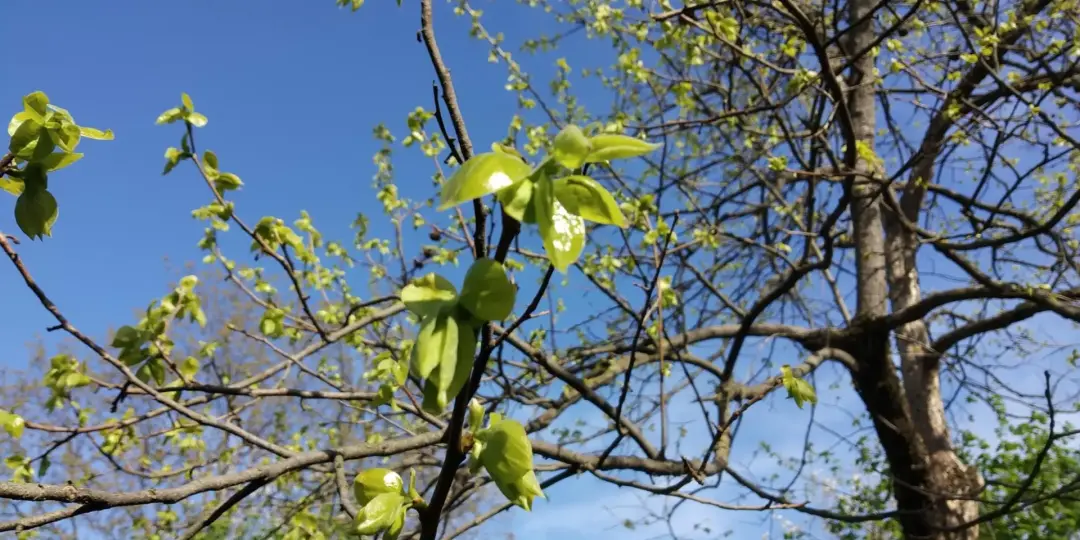
Wondering how often should crown reduction be carried out? Discover expert advice on timing, frequency, and maintaining healthy, well-shaped trees.
What Is Crown Reduction?
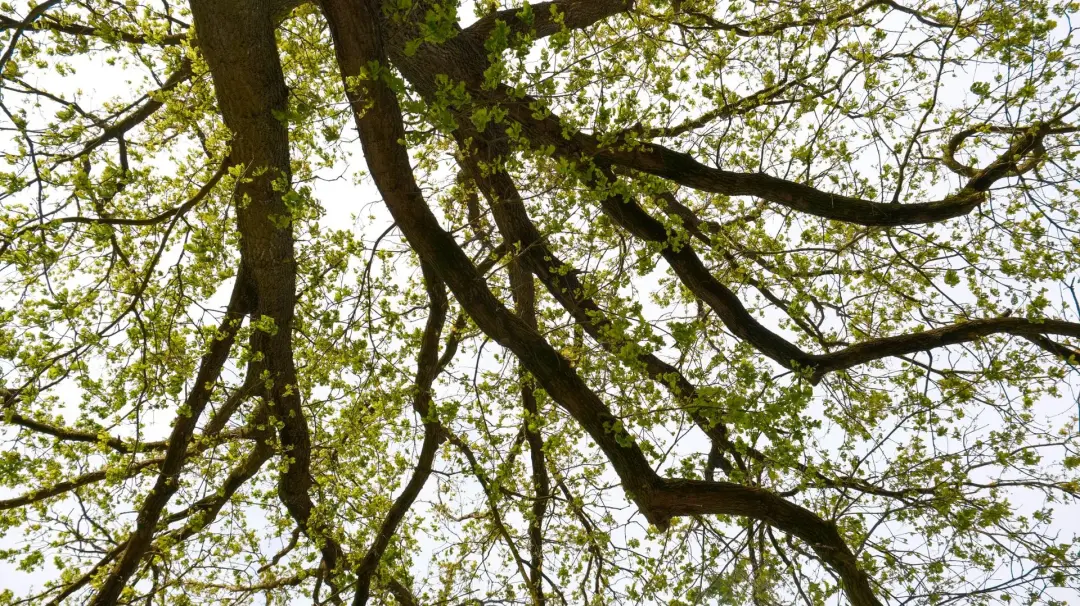
Crown reduction is a tree care method used to reduce the height and spread of a tree’s canopy. The crown is the upper part of the tree, made up of branches, leaves, and smaller stems. When it becomes too large for its space, careful reduction can help make the tree safer, tidier, and easier to manage.
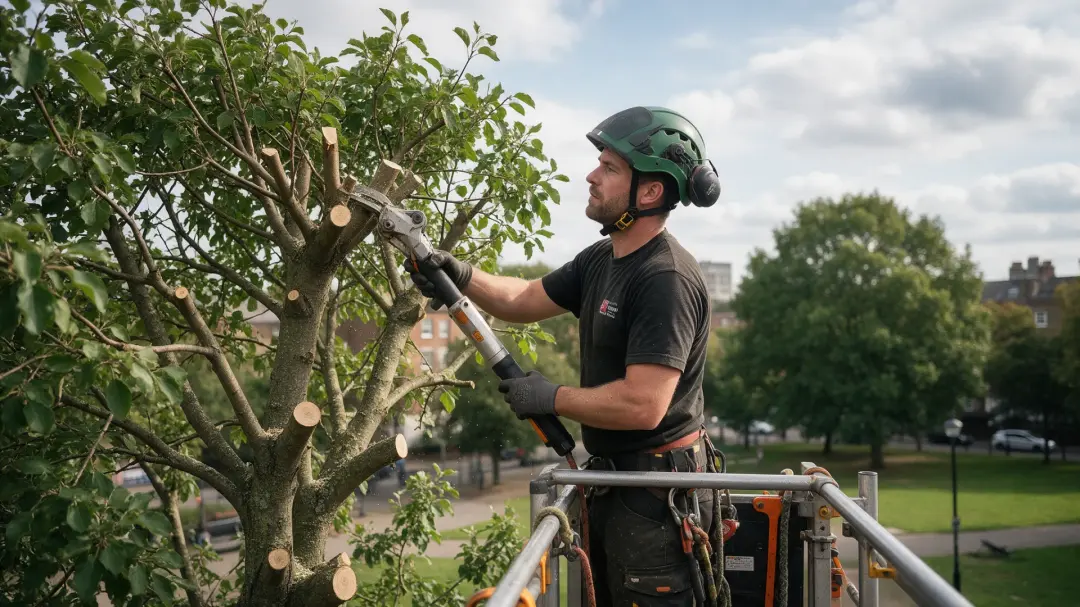
This work is not the same as cutting branches back without a plan. A proper crown reduction keeps the natural shape of the tree. Selected branches are shortened back to suitable growth points, so the tree still looks balanced and healthy once the work is complete.
Crown reduction may be used when a tree is growing too close to buildings, blocking light, leaning over paths, or placing too much weight on large branches. When done correctly, it helps control size while protecting the tree’s structure and long-term health.
Why Crown Reduction Is Not a One-Time Task
Crown reduction is not usually a one-time task because trees continue to grow after the work has been carried out. Even after the crown has been reduced, new shoots and branches will slowly develop. Over time, the canopy may begin to spread again, especially if the tree is healthy and growing strongly.
The speed of regrowth depends on the type of tree, its age, its condition, and where it is growing. Some trees respond quickly after pruning and may need further work sooner. Others grow more slowly and may only need attention every few years. This is why regular checks are important.
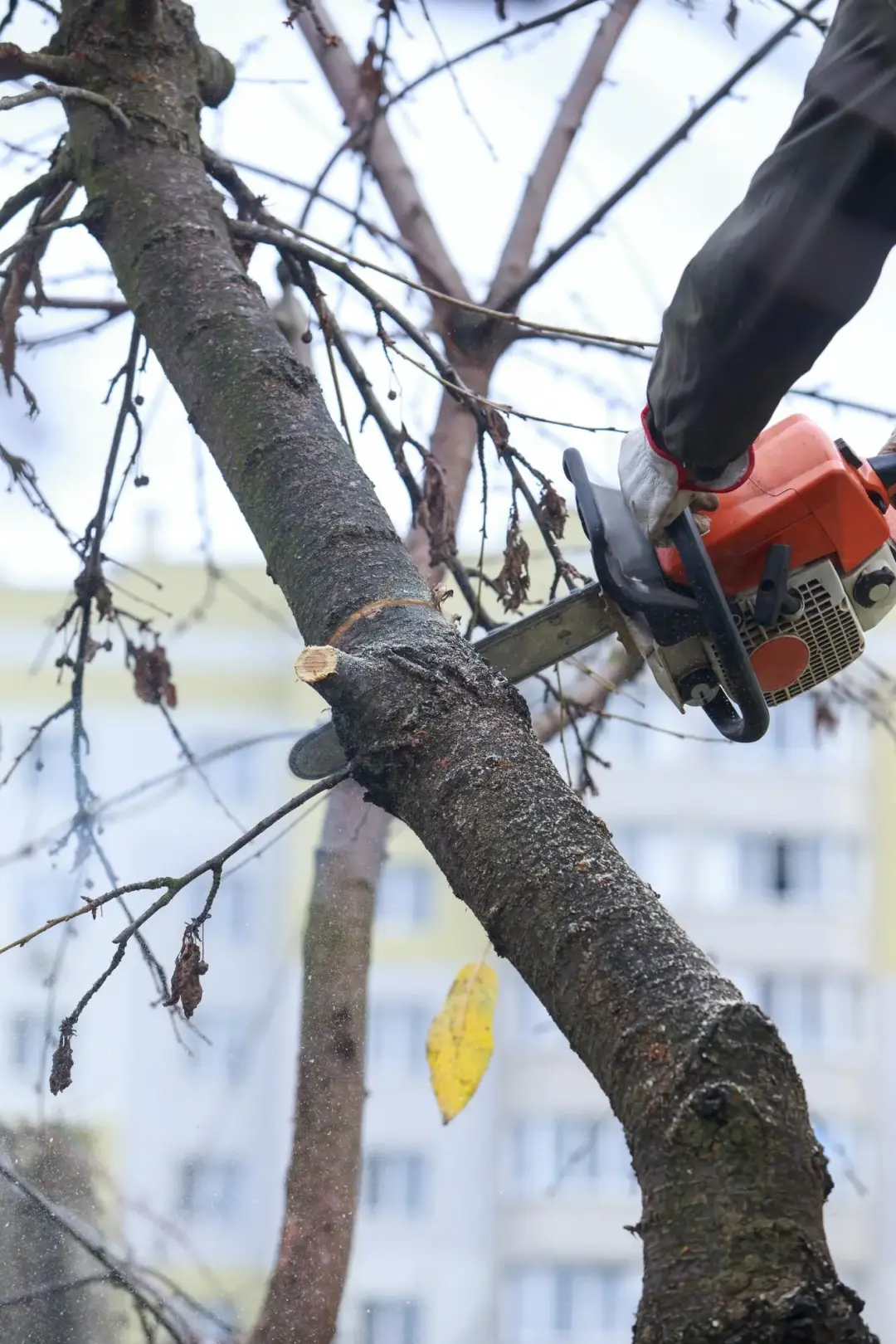
A tree may also need crown reduction again if its surroundings change. For example, a tree that was once suitable for its space may become a concern if a new building, fence, driveway, path, or garden feature is added nearby. Branches that were not a problem before may later block light, touch roofs, or overhang areas where people walk or park.
Weather can also affect how often crown reduction is needed. Strong winds, heavy rain, and storm damage can weaken branches or leave the crown uneven. In these cases, work may be needed earlier than planned.
Regular crown reduction should always be carefully timed. Cutting too often or removing too much growth can harm the tree. A measured approach helps keep the tree safe, well-shaped, and healthy without placing it under unnecessary stress.
How Often Do Most Trees Need Crown Reduction?
Most trees do not need crown reduction every year. In many cases, a tree may only need this work every three to five years, depending on how quickly it grows and how close it is to buildings, roads, gardens, or boundaries. Some slower-growing trees may need it even less often.
Fast-growing trees may need more regular attention, especially if they are in a small garden or near a property. Trees in open spaces may not need crown reduction as often because there is more room for the canopy to spread naturally.
The best timing should be based on the tree itself, not a fixed schedule. If branches are becoming too long, heavy, or close to nearby structures, it may be time for another inspection. A qualified tree surgeon can check whether crown reduction is needed or whether the tree can be left to grow safely for longer.
Why Crown Reduction Is Not a One-Time Task
Crown reduction is not usually a one-time task because trees continue to grow after the work has been carried out. Even after the crown has been reduced, new shoots and branches will slowly develop. Over time, the canopy may begin to spread again, especially if the tree is healthy and growing strongly.
The speed of regrowth depends on the type of tree, its age, its condition, and where it is growing. Some trees respond quickly after pruning and may need further work sooner. Others grow more slowly and may only need attention every few years. This is why regular checks are important.
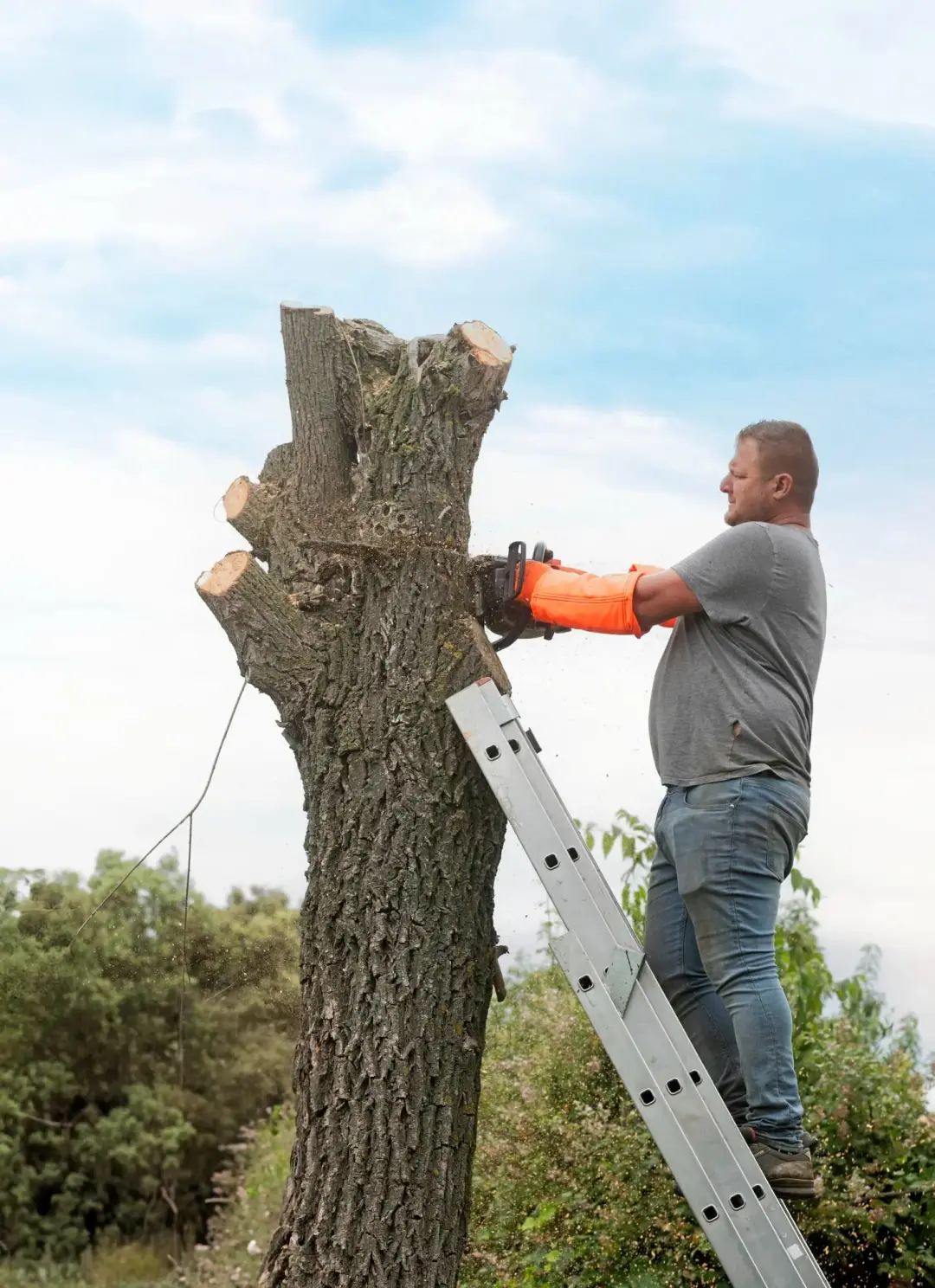
A tree may also need crown reduction again if its surroundings change. For example, a tree that was once suitable for its space may become a concern if a new building, fence, driveway, path, or garden feature is added nearby. Branches that were not a problem before may later block light, touch roofs, or overhang areas where people walk or park.
Weather can also affect how often crown reduction is needed. Strong winds, heavy rain, and storm damage can weaken branches or leave the crown uneven. In these cases, work may be needed earlier than planned.
Regular crown reduction should always be carefully timed. Cutting too often or removing too much growth can harm the tree. A measured approach helps keep the tree safe, well-shaped, and healthy without placing it under unnecessary stress.
How Often Do Most Trees Need Crown Reduction?
Most trees do not need crown reduction every year. In many cases, a tree may only need this work every three to five years, depending on how quickly it grows and how close it is to buildings, roads, gardens, or boundaries. Some slower-growing trees may need it even less often.
Fast-growing trees may need more regular attention, especially if they are in a small garden or near a property. Trees in open spaces may not need crown reduction as often because there is more room for the canopy to spread naturally.
The best timing should be based on the tree itself, not a fixed schedule. If branches are becoming too long, heavy, or close to nearby structures, it may be time for another inspection. A qualified tree surgeon can check whether crown reduction is needed or whether the tree can be left to grow safely for longer.
Factors That Affect Crown Reduction Frequency
Several factors can affect how often crown reduction should be carried out. The species of tree is one of the main points to consider. Some trees grow quickly and produce strong new shoots after pruning. Others grow slowly and may keep their shape for many years after work has been completed.
The age and size of the tree also matter. Young, healthy trees may grow quickly and need careful shaping as they develop. Mature trees may grow more slowly, but they can still need crown reduction if their branches become heavy, overextended, or too close to buildings.
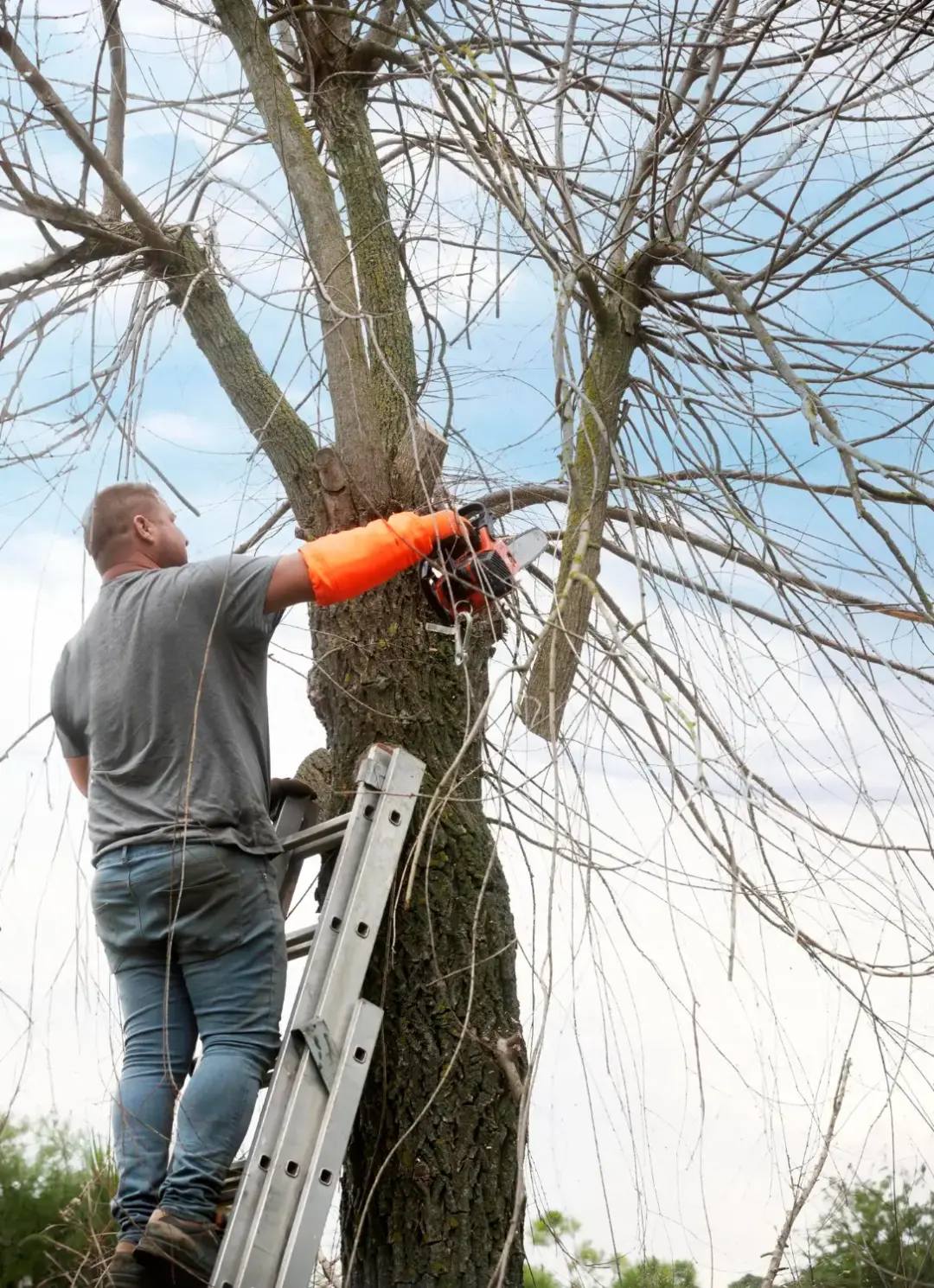
The location of the tree is another important factor. A tree growing in a large open garden may not need much size control. A tree growing close to a house, road, footpath, school, or boundary may need more regular checks because the risk is higher if branches become unsafe.
The condition of the tree also affects timing. If a tree has decay, storm damage, weak branches, or an uneven crown, it may need attention sooner. However, if it is healthy and well-balanced, crown reduction may not be needed for several years.
Weather, soil conditions, light levels, and past pruning work can also play a part. A tree that has been cut too hard in the past may produce weak regrowth, which may need careful management later. This is why crown reduction should always be planned around the tree’s needs.
Tree Species and Growth Rate
Tree species have a big effect on how often crown reduction is needed. Fast-growing trees can quickly become too large for their space, especially in gardens, streets, and built-up areas. Their branches may spread over roofs, paths, driveways, or neighbouring land within a few years.
Slower-growing trees usually need less frequent work. Their crowns may hold their shape for longer after pruning, meaning they can often be checked rather than reduced again straight away. However, even slower-growing trees can still become too large if they are close to buildings or have limited space.
Different species also respond to pruning in different ways. Some trees produce strong regrowth after crown reduction, while others need a lighter and more careful approach. A qualified tree surgeon can identify the tree species and advise how often it should be checked, reduced, or left alone.
Tree Age, Size, and Condition
The age, size, and condition of a tree all affect how often crown reduction may be needed. Younger trees often grow more quickly, so they may need careful shaping if they are close to buildings, paths, or boundaries. Good pruning at this stage can help guide healthy growth and reduce future problems.
Mature trees may not grow as quickly, but their branches can become larger and heavier over time. A mature tree with long limbs may need crown reduction to reduce weight, improve balance, or lower the chance of branch failure. This can be especially important where branches overhang roads, gardens, seating areas, or roofs.
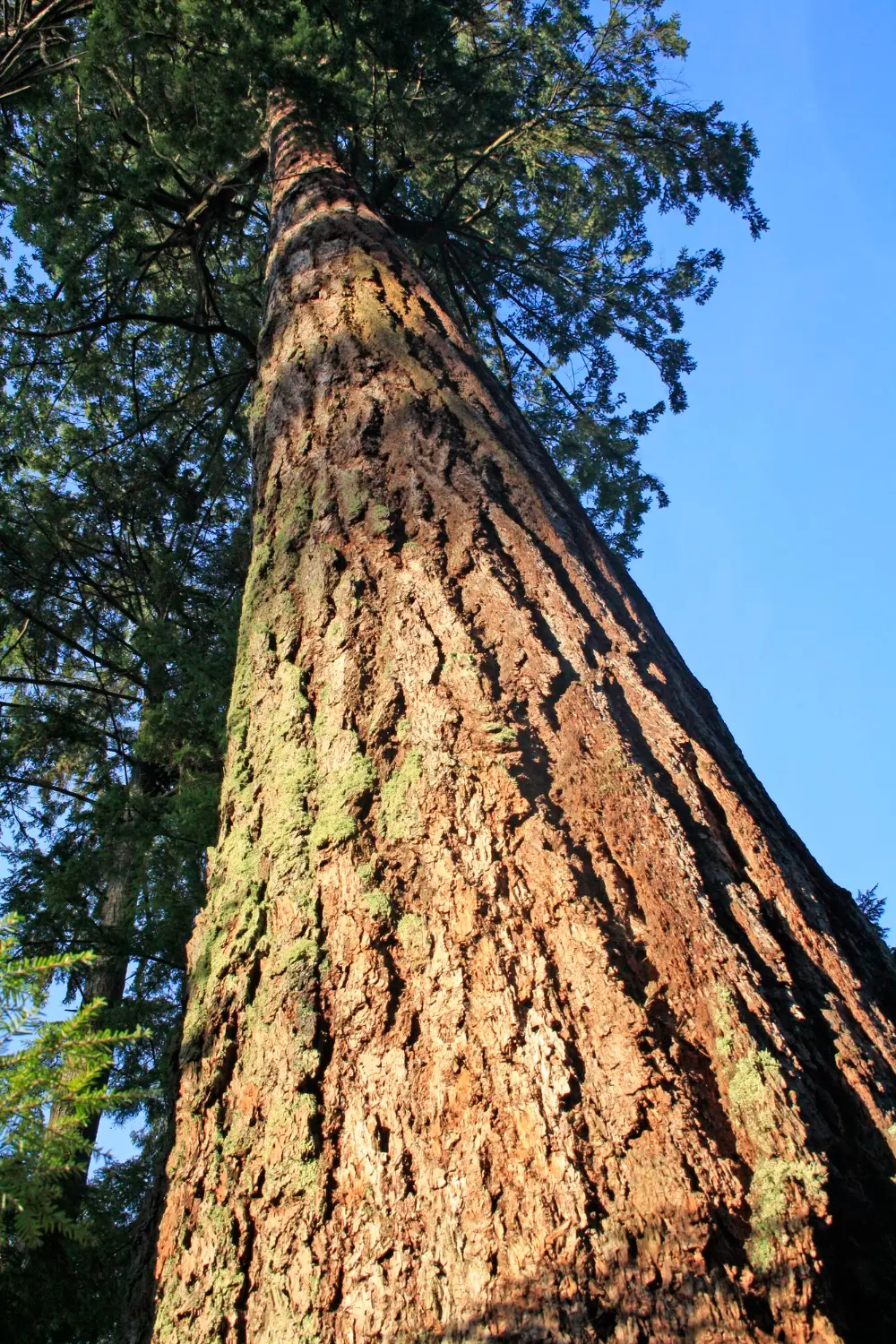
The condition of the tree is just as important as its size. A healthy tree with a balanced crown may not need reduction for several years. However, a tree with decay, cracks, deadwood, storm damage, or weak branch joints may need work sooner. In some cases, crown reduction can reduce strain on damaged or overextended limbs.
Poor past pruning can also affect how often work is needed. If a tree has been topped or cut back too harshly, it may produce fast, weak regrowth. These shoots can become unsafe as they grow. A tree surgeon may need to manage this regrowth carefully over time to restore a safer shape.
A tree should not be reduced just because it is large. Its structure, health, and surroundings should all be considered before any work is carried out.
Location Near Buildings, Roads, and Boundaries
Trees growing close to buildings, roads, and boundaries often need more regular checks than trees in open spaces. This is because overgrown branches can quickly cause problems when there is limited room around the tree. Branches may touch roofs, block windows, scrape walls, fill gutters with leaves, or grow across neighbouring land.
Near roads and footpaths, crown reduction may be needed to improve clearance and reduce risk. Low or heavy branches can obstruct views, catch passing vehicles, or become unsafe during strong winds. In gardens, large crowns can block light, shade lawns, and make outdoor spaces harder to use.
Boundaries can also create issues between neighbours if branches spread too far. A planned crown reduction can help manage the tree before it causes damage or disagreement. The aim is to keep the tree suitable for its setting while protecting nearby people, property, and access routes.
Signs Your Tree May Need Crown Reduction Again
There are several signs that a tree may need crown reduction again. One of the clearest signs is when branches have grown back close to buildings, roofs, windows, or gutters. If limbs are touching a structure or moving against it in windy weather, the tree should be inspected.
Another sign is when the crown looks too large or uneven. Long branches may stretch much further than the rest of the canopy, making the tree look unbalanced. These branches can place extra strain on the tree, especially during storms or heavy rain.
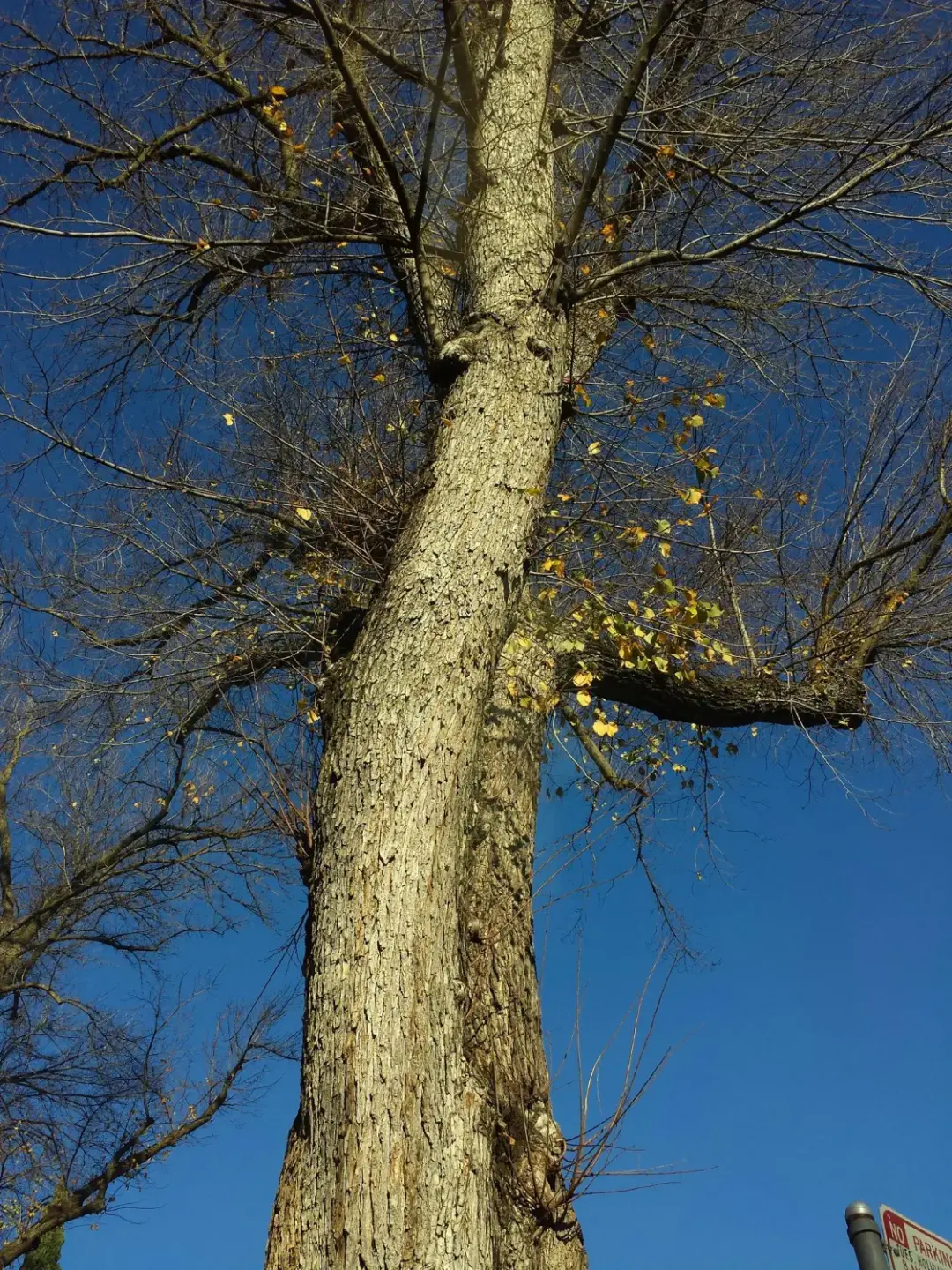
You may also notice branches hanging lower than before. This can happen when limbs become heavier with new growth. If they hang over paths, roads, driveways, seating areas, or children’s play spaces, it is sensible to get advice.
A tree may also need attention if it is blocking too much light. Dense growth can make rooms, patios, lawns, and gardens feel dark and damp. Crown reduction can help control this while keeping the tree in place.
Other warning signs include broken branches, rubbing limbs, cracks, deadwood, sudden changes in shape, or more fallen twigs than usual. These do not always mean crown reduction is needed, but they should be checked.
If the tree has been reduced before, regular inspections can help decide when further work is suitable. It is better to act before the tree becomes too large, unsafe, or difficult to manage.
How Weather and Storm Damage Affect Timing
Weather can affect how often crown reduction is needed. Strong winds, heavy rain, snow, and storms can place extra pressure on branches. Long or heavy limbs may bend, crack, split, or break, especially if the tree already has weak points.
After a storm, a tree may look uneven or unsafe. Broken branches may hang in the crown, while damaged limbs may be hard to see from the ground. In these cases, crown reduction may be needed sooner than expected to remove damaged growth and restore balance.
Wet weather can also add weight to the canopy, especially when leaves, moss, and water collect on branches. This can increase strain on already heavy limbs.
A tree should be inspected after severe weather if branches have fallen, the crown has changed shape, or there are signs of splitting. Quick action can help reduce risk and stop further damage from developing.
Why Over-Pruning Can Harm a Tree
Over-pruning can cause serious harm to a tree. Removing too much of the crown at once can place the tree under stress because leaves are needed to produce energy. Without enough healthy foliage, the tree may struggle to recover, grow poorly, or become more open to disease and decay.
Heavy cutting can also affect the tree’s shape and strength. If branches are cut back too hard, the tree may produce fast regrowth from weak points. These new shoots can look strong at first, but they may not be well attached. As they grow longer and heavier, they can become more likely to snap.
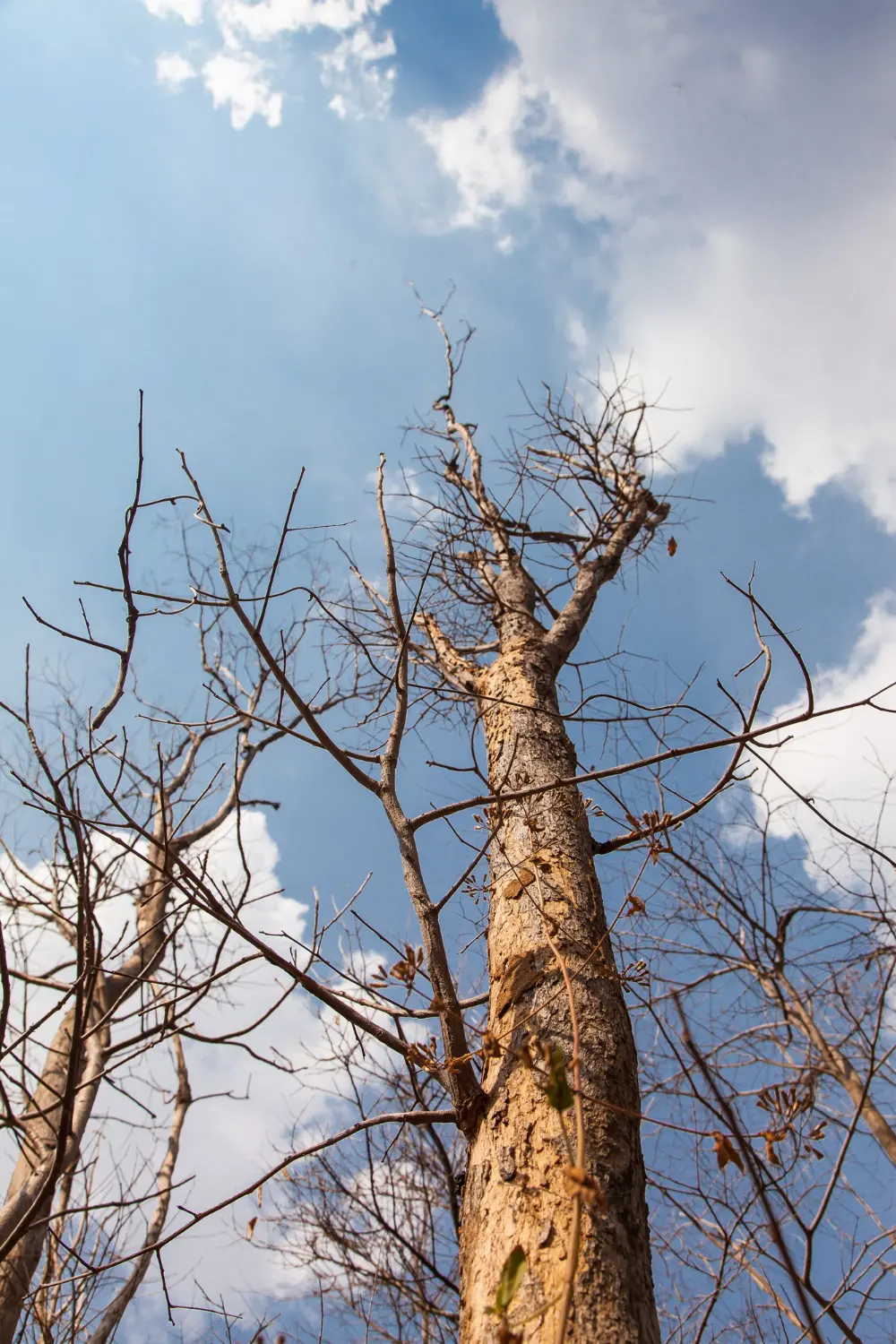
Over-pruning can also expose parts of the tree that were previously shaded. Sudden exposure to sunlight, wind, and weather can damage bark and weaken the tree further. Large pruning wounds may take longer to close, which can allow decay to enter.
A tree that has been over-pruned may also look unnatural. Instead of keeping its normal form, it may appear bare, uneven, or harshly cut. This can reduce the value and appearance of the garden or property.
Good crown reduction should be measured and careful. It should reduce the size of the tree only as much as needed. A qualified tree surgeon will aim to keep enough healthy growth while improving safety, shape, and clearance.
Crown Reduction for Healthy Tree Growth
Crown reduction can support healthy tree growth when it is carried out correctly. By shortening selected branches, the tree can be kept balanced and suitable for its space. This can reduce strain on heavy limbs and help stop the crown from becoming too large or uneven.
Good crown reduction also helps guide future growth. Branches are cut back to suitable growth points, which allows the tree to continue growing in a more controlled way. This is much better than harsh cutting, which can lead to weak shoots and long-term damage.
The aim is not to make the tree as small as possible. The aim is to keep the tree healthy, safe, and natural-looking. When done at the right time and in the right way, crown reduction can help the tree remain an attractive part of the garden for many years.
How Regular tree inspections Help
Regular tree inspections help you understand when crown reduction is needed and when it can be avoided. A tree may look healthy from a distance, but closer checks can reveal signs of weakness, damage, decay, poor growth, or branches that are becoming too heavy.
Inspections are especially useful for trees close to homes, roads, footpaths, schools, car parks, and public areas. In these places, falling branches can cause more serious problems. Regular checks can help spot risks early, before they lead to damage or injury.
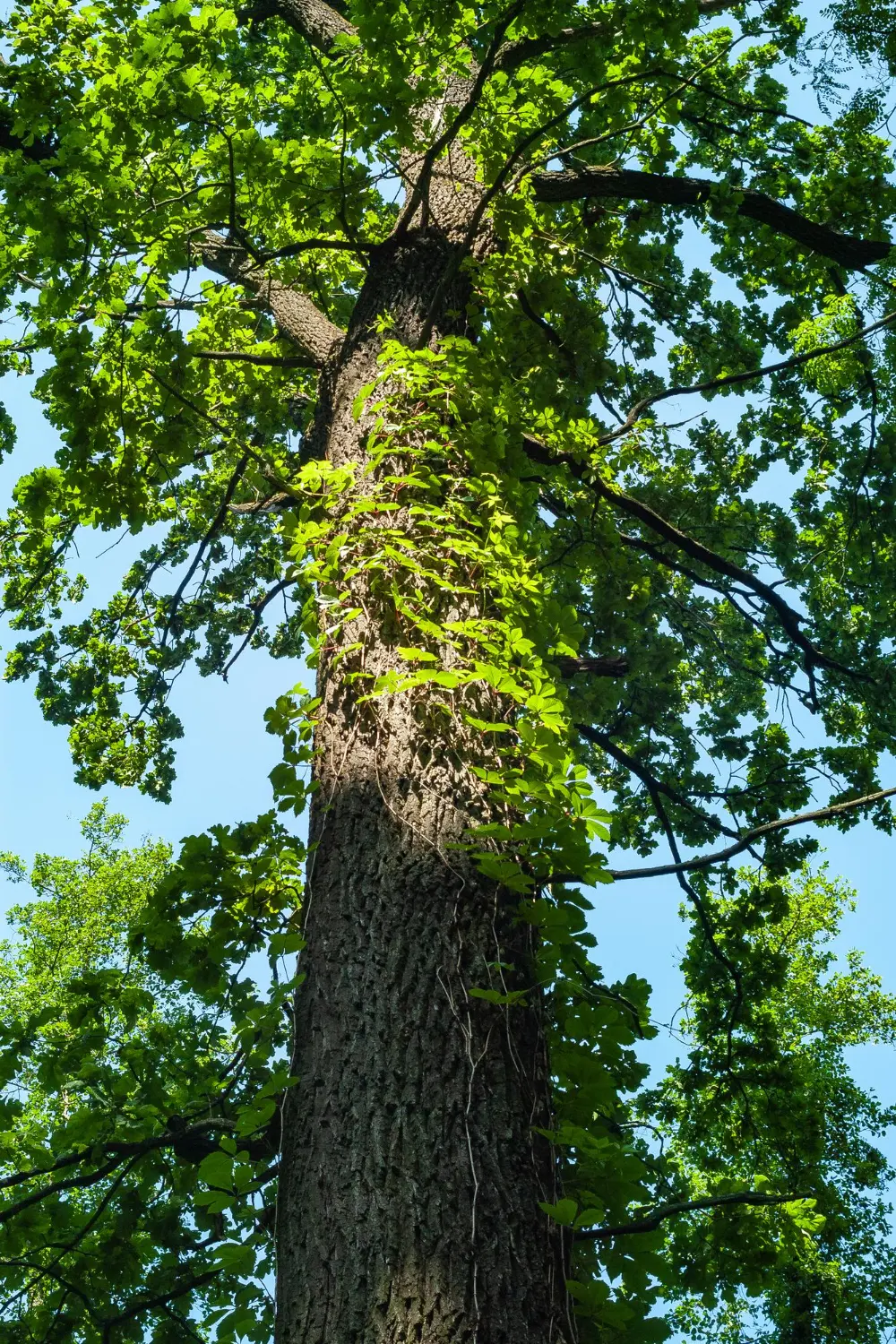
A tree inspection can also help prevent unnecessary work. Not every large tree needs crown reduction. Sometimes deadwood removal, crown lifting, crown thinning, or no work at all may be more suitable. A tree surgeon can explain the safest and most sensible option based on the tree’s condition and location.
Inspections are also helpful after bad weather. Storms can damage branches, loosen limbs, or change the balance of the crown. Even if damage is not obvious from the ground, a proper check may find hidden problems.
Keeping a record of past tree work can also make future decisions easier. If the tree has been reduced before, a tree surgeon can judge how well it has responded and when further work may be needed. This helps keep tree care planned, safe, and suitable.
When to Ask a Tree Surgeon for Advice
You should ask a tree surgeon for advice if your tree looks too large, unsafe, uneven, or too close to nearby property. It is also sensible to get help if branches are touching roofs, blocking paths, hanging over roads, or growing across boundaries.
Advice is especially important after storms, when branches may be cracked, split, or weakened. You should also speak to a professional if you notice deadwood, sudden leaning, cracks in large limbs, falling branches, or fast regrowth after past pruning.
A qualified tree surgeon can check whether crown reduction is needed and how much work is safe. They can also advise whether the tree has legal protection, such as a Tree Preservation Order or conservation area status.
Getting professional advice helps protect the tree, your property, and the people nearby. It also helps ensure the work is carried out safely, correctly, and at the right time.
Blackdown Treescapes provides safe, reliable tree removal and maintenance services across Wellington, Cullompton and Blackdown Hills. We remove dangerous, damaged, or unwanted trees with care, and we also offer advice on forestry and woodland management.