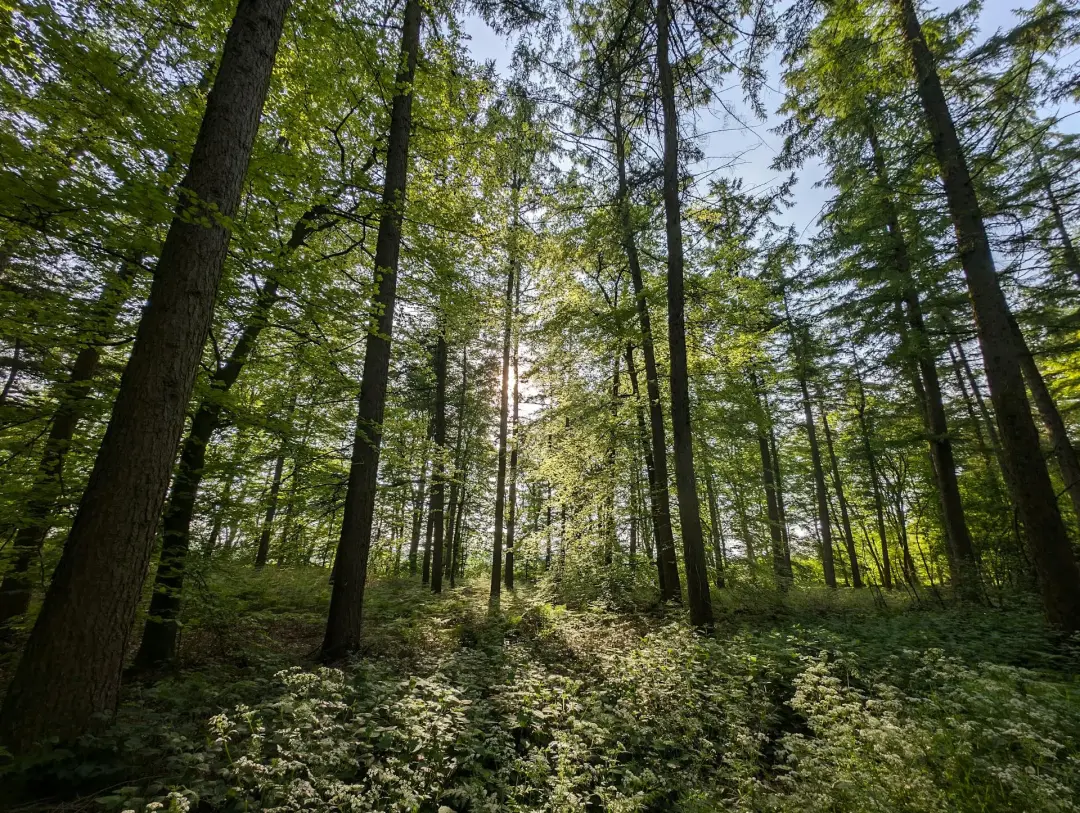
Learn how Forestry Management Helps Reduce Fire Risk with strategic fuel reduction, wildlife-friendly practices, and creating safe access routes to prevent forest fires.
Why Forest Fire Risk Is Increasing
Forest fire risk is increasing in many places because the weather patterns are drastically changing. Longer dry periods can leave trees, plants, and forest floors with less moisture. When woodland becomes very dry, fires can start more easily and spread more quickly.
Hotter summers can also place stress on trees. A stressed tree may become weaker, drier, and more likely to suffer from pests or disease. When many trees in a woodland are weak or dry, the whole forest can become more vulnerable to fire.
Human activity is another major cause of fire risk. Campfires, discarded cigarettes, garden waste burning, machinery, and careless behaviour can all start fires. In dry conditions, even a small spark can become incredibly dangerous to others around.
Forestry management helps limit these risks by keeping local woodlands healthier and better prepared. It cannot remove all fire risk, but it can make fires less likely to start and less likely to spread out of control.
Removing Deadwood and Dry Plant Matters
Deadwood and dry plant matter can act as fuel for fire. Fallen branches, dry leaves, dead shrubs, and dead grasses can help flames move across the forest floor. When this material builds up in large amounts, it can increase fire danger.
Forestry management can reduce this risk by clearing selected dry material from high-risk areas. This may include paths, picnic sites, woodland edges, and places close to homes or roads. These are areas where fires are more likely to start or cause harm.
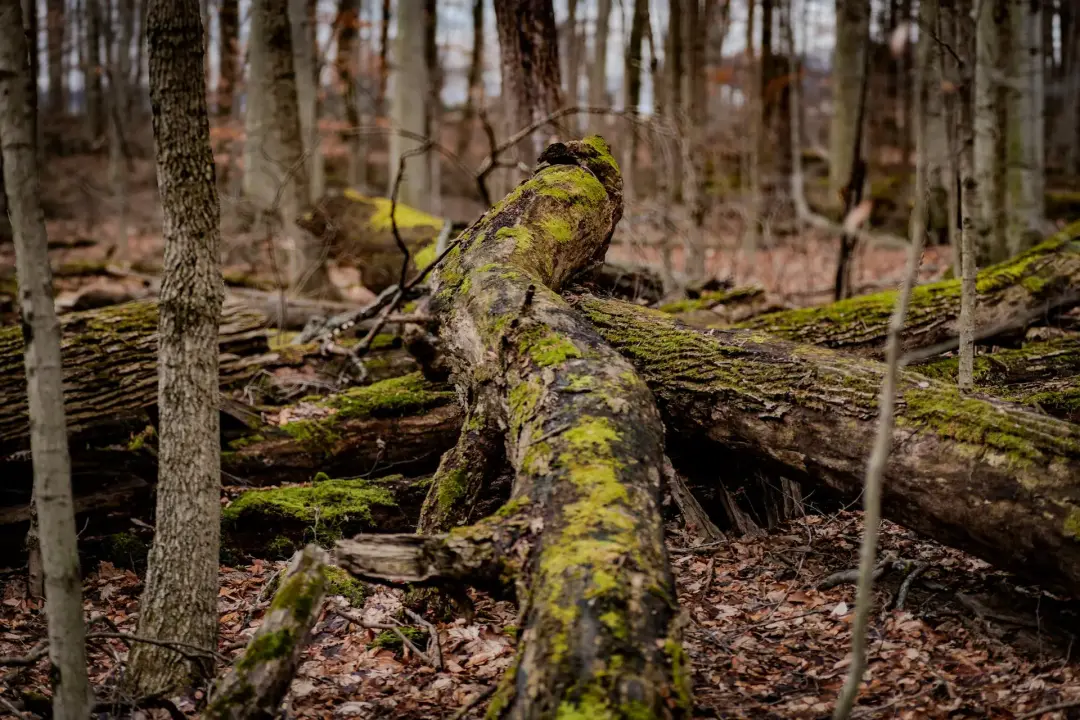
Not all deadwood should be removed. Deadwood is important for insects, fungi, birds, and small mammals. A careful approach keeps valuable habitat in safe locations while removing excess fuel where it creates a serious risk.
Forests need natural materials to stay healthy, but too much dry material in the wrong place can be rather unsafe. Responsible management reduces fire fuel without stripping the woodland of its natural value.
Managing Tree Density
Tree density means how closely trees grow together. When trees are packed too tightly, fire can spread more easily from one tree to another. Dense woodland can also make it harder for firefighters to reach a fire safely.
Crowded trees often compete for water, light, and nutrients. This can leave some trees weak, dry, or unhealthy. Weak trees are more likely to die, drop branches, or become fuel for future fires.
Forestry management can reduce tree density through careful thinning. This means removing selected trees so the remaining trees have more space to grow. Better spacing can improve tree health and reduce the chance of fire moving quickly through the woodland.
Thinning must be done with the utmost care. Removing too many trees at once, especially without any plans to replant, can damage numerous habitats, dry out the forest floor, or harm wildlife. A good plan chooses which trees to keep and which to remove based on safety, wildlife, and long-term forest health.
Creating Firebreaks and Safe Access Routes
Firebreaks are gaps or open areas that help slow down or stop the spread of fire. They can be created by using tracks, paths, rides, streams, or carefully managed strips of land. A well-placed firebreak can give local firefighters much more time to respond.
Safe access routes are also important. Firefighters need clear pathways to reach different parts of the woodland. If tracks are blocked by many fallen trees, thick vegetation, or poor surfaces, emergency response can be delayed.

Forestry management keeps all the access routes open and usable. This may involve trimming branches, repairing tracks, clearing fallen material, and planning turning spaces for emergency vehicles. These actions can make a major difference during a fire.
Firebreaks and access routes should be planned carefully to avoid unnecessary damage to wildlife. They can also be designed to support nature by including grasses, flowers, and shrubs that benefit insects and birds. This means safety features can also add value to the woodland.
The Role of Controlled Cutting
Controlled cutting is when the removal of selected trees or vegetation is planned. It is not random clearing. It is done for clear and specific reasons, such as improving tree health, reducing fire fuel, or creating safer woodland structure.
This type of cutting can reduce the amount of dry or overcrowded material in a forest. It can also prevent fire from moving easily through connected branches and dense undergrowth. When carried out well, it lowers risk while keeping the woodland healthy.
Controlled cutting must be based on a proper survey. Forestry workers need to know where wildlife habitats, nesting areas, old trees, and sensitive plants are found. This helps avoid damage while still reducing fire hazards.
The time of year is also important. Cutting should usually avoid key nesting and breeding periods where possible. By planning work around wildlife needs, forestry management can reduce fire risk without causing needless harm to nature.
Keeping Forest Floors Clear
The forest floor can hold leaves, twigs, branches, grasses, and lots of other plant material. Some of this is natural and useful because it can support the soil health and wildlife; however, when dry material builds up too heavily, it can increase fire risk.
Keeping forest floors as clear as possible does not mean making your woodland completely bare. It means managing excess fuel in areas with higher fire danger. Areas near paths, roads, buildings, and public spaces may need more frequent clearing.
A managed forest floor can also help people move safely through the woodland. Clearer paths reduce the chance of visitors stepping into unsafe areas or accidentally starting fires in hidden dry material. Good access also helps with inspections and emergency response.
Care must be taken not to remove too much natural cover. For example, leaf litter and fallen wood provide homes for insects, amphibians, fungi, and small mammals. Responsible forestry keeps enough natural material for wildlife while reducing dangerous build-up.
Protecting Wildlife While Reducing Fire Risk
Eliminating any fire risk should not mean removing the features local wildlife needs. Forests are homes for many species, and sudden heavy clearing can damage habitats. Good forestry management involves all the best ways to protect both safety and nature.
Wildlife surveys are an important first step. These checks can identify nests, roosts, burrows, ponds, rare plants, and other sensitive areas. Once these places are known, fire risk work can be planned around them.
Some deadwood, thick shrubs, and fallen trees should be kept because they support many species in various ways. The safest approach is usually to move risk away from roads, homes, and busy paths while leaving valuable habitat in quieter areas.
Fire risk management can even positively impact wildlife habitats when done carefully. Thinning can let more light reach the ground, helping flowers and shrubs grow. Open areas can encourage more space for butterflies, bees, birds, and small mammals.
How Regular Forest Checks Help Spot Risks
Frequent forest checks help local managers find problems before they become serious. These checks can help identify any dead trees, dry vegetation, blocked tracks, diseased trees, and areas where fuel is building up. Early action is usually safer and less costly.
Checks are most important after major storms, droughts, or periods of high heat. Storms can sometimes leave broken branches and fallen trees, whereas droughts can dry out your plants and weaken trees. Both conditions can increase fire risk.
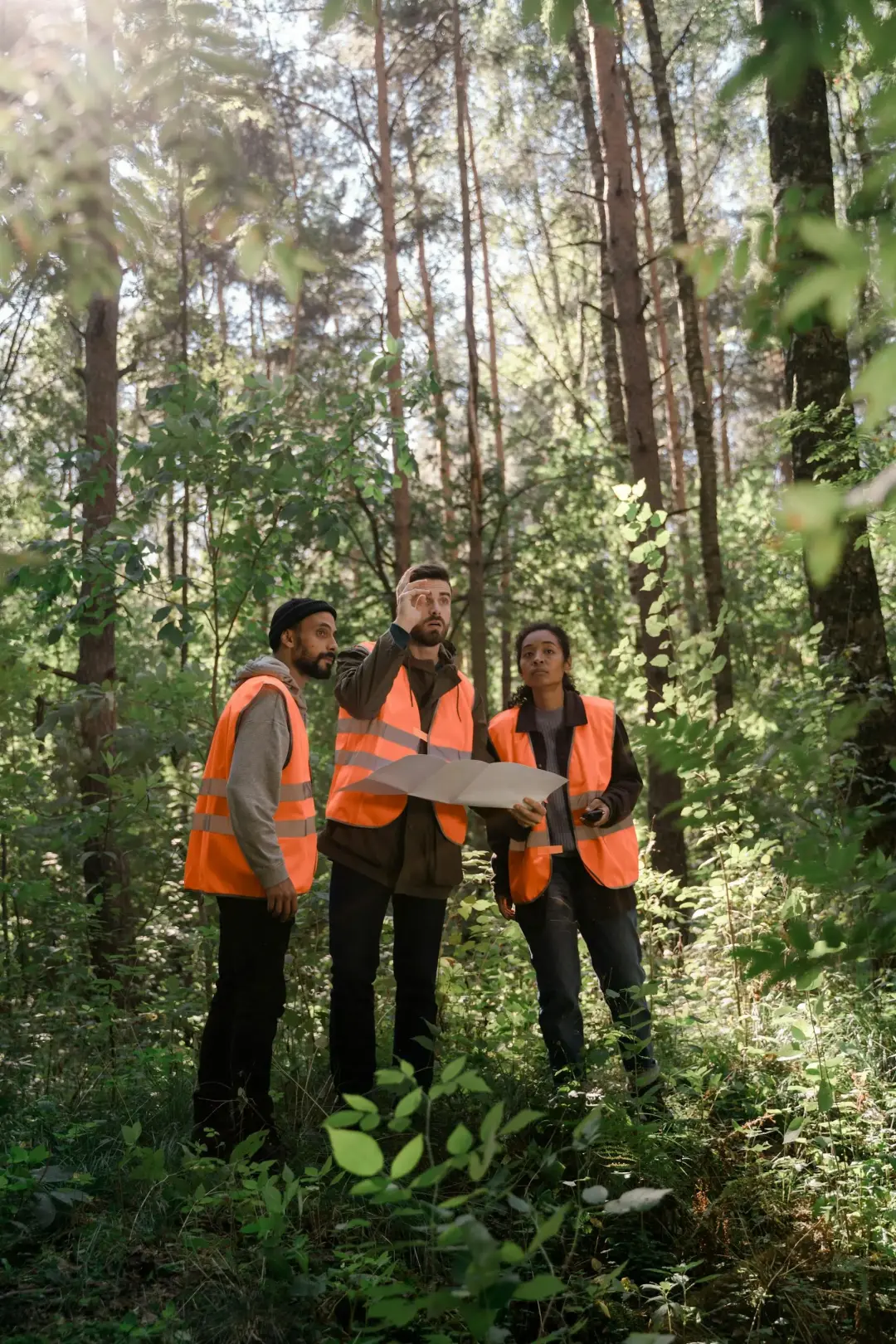
Forest checks also help managers understand how the woodland is changing over time. A place that was low risk a few years ago may become higher risk if vegetation becomes dense or trees begin to die. Regular visits allow plans to be updated.
Records are useful as part of this process. Notes, maps, and photographs can show where work has been done and where future action is needed. This helps landowners and forestry teams make better long-term decisions.
Managing Invasive Plants
Invasive plants can increase fire risk when they spread quickly and create dense growth. Some species form a number of thick layers of dry stems and leaves. These layers can help fire move through woodland more easily.
These plants can also damage native woodland habitats. When invasive plants block the light, many native flowers, shrubs, and young trees may struggle to grow. This limits the amount of biodiversity in the area and weakens the natural balance of the forest.
Forestry management is a great way to identify invasive plants much earlier. Early control is usually much easier and less damaging than waiting until they cover large areas. Managers may use cutting, pulling, careful treatment, or repeated control work depending on the plant.
Managing invasive plants requires lots of careful attention. Removing large areas too quickly can disturb soil or leave bare ground open to erosion. A planned approach helps restore native plants, all while reducing the existence of any fire fuel.
Supporting Healthy Tree Growth
Healthy trees are usually better able to cope with dry weather, pests, and disease. They are also less likely to drop dead branches or become dry fuel. Supporting healthy tree growth is therefore an important part of fire risk management.
Trees need enough space, water, light, and nutrients to grow well. When woodland is too crowded, the trees compete with each other and may become weak. Careful thinning can help the strongest trees grow better.
The health of the soil also matters. This is because the forest soil holds lots of moisture, supports roots, and supplies plenty of nutrients. Heavy machinery, erosion, and loss of ground cover can damage your soil and make trees more vulnerable to stress.
A diverse woodland is often healthier than one made up of only one tree species. Different trees respond to drought, pests, and disease in different ways. A mixed woodland is less likely to suffer widespread damage, which helps reduce future fire risk.
Planning for Safe Emergency Access
Emergency access should be part of every fire risk plan. Firefighters need to reach woodland areas quickly and safely. Poor access can allow a small fire to become much larger before help arrives.
Access planning includes clear tracks, suitable gates, turning areas, and signs. Gates should be easy for authorised emergency teams to open. Tracks should be wide enough and strong enough for vehicles where this is needed.
Maps can also help with emergency access. Clear maps of the woodland showing visible tracks, water points, gates, and key woodland features can save time during a fire. Landowners and forestry managers should keep this information up to date.
Emergency access should always be planned alongside habitat protection. Routes can typically follow existing paths or less sensitive areas. This limits the amount of damage while still giving emergency teams the access they need.
How Landowners Can Reduce Fire Hazards
Landowners have a role in eliminating fire hazards. Clearing blocked tracks, managing dry vegetation, and checking woodland edges are aspects that can make a major difference. Frequent care is better than waiting until the risks become severe.
Landowners can also set clear rules for visitors. Signs can remind people not to light fires, drop cigarettes, or leave glass bottles. Good visitor management is especially important during hot and dry weather.
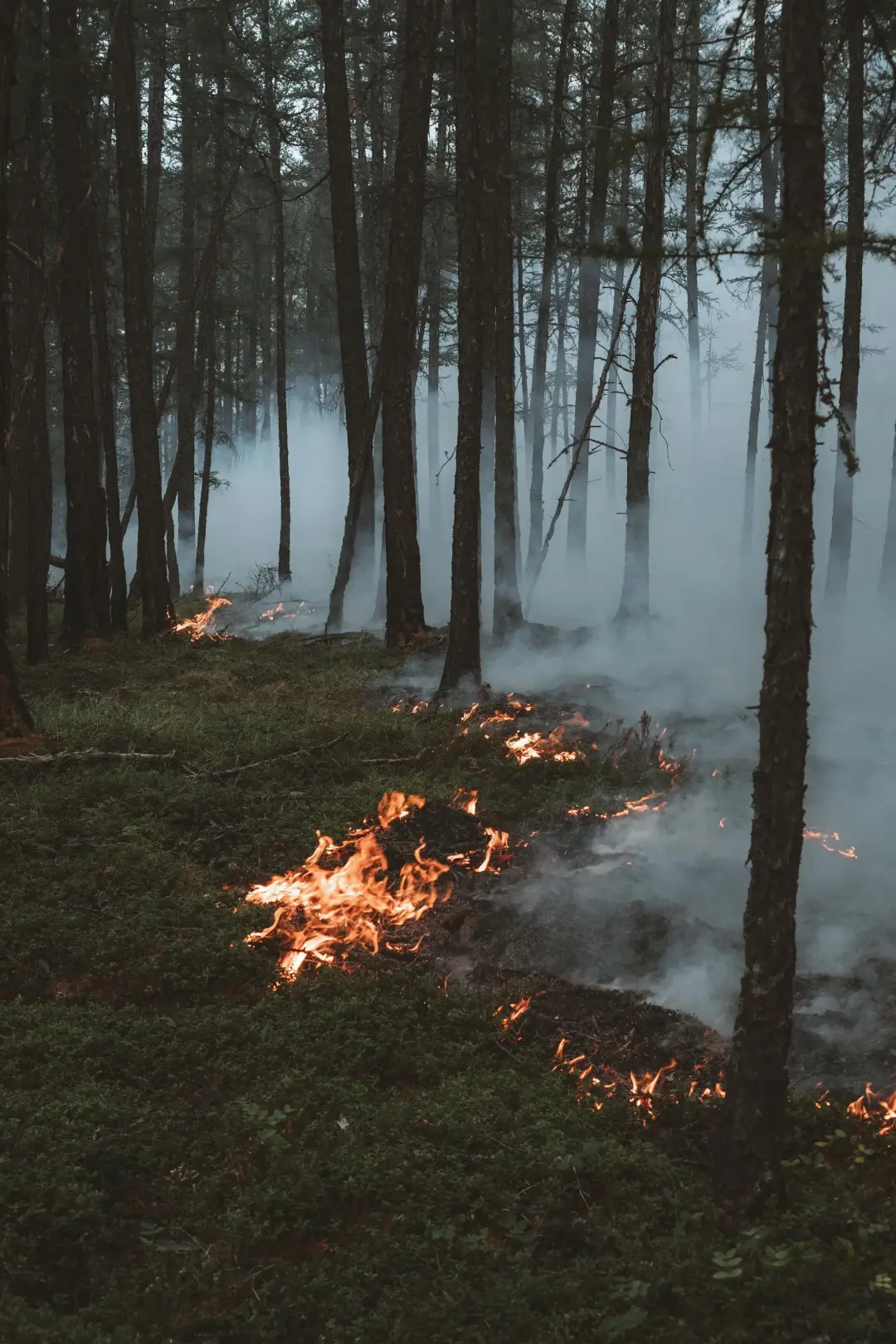
Working alongside local forestry professionals can aid landowners in making the safest possible decisions. Experts can assess tree health, fire fuel, access routes, and wildlife habitats.
Neighbours should also work together wherever possible. Fire does not stop at property boundaries, so it’s important. Shared planning between nearby landowners can create better access, wider firebreaks, and stronger protection across the landscape.
The Link Between Climate Change and Fire Risk
Climate change can increase fire risk by making some weather conditions hotter and drier. Longer dry periods can reduce moisture in trees, leaves, grasses, and soil. This makes woodland more likely to burn.
Extreme weather can also damage forests. Storms may leave fallen branches and broken trees, while drought can weaken trees and make them more likely to die. This can increase the amount of dry fuel in the woodland.
Pests and diseases may also become more serious as climate conditions change. Weakened trees are often more vulnerable to attack. If many trees die or decline, fire risk can rise further.
Forestry management can help forests adapt. Planting suitable tree species, improving diversity, protecting soil, and reducing excess fuel can all make woodlands more resilient. These actions help forests face future conditions more safely.
Long-Term Benefits of Fire Risk Management
Fire risk management protects your forests, wildlife, people, and properties. By decreasing the use of fuel, improving access, and supporting healthy trees, managers can lower the chance of severe fires. This makes the woodland safer for everyone.
The benefits also extend to wildlife. A severe fire can destroy nests, food sources, shelter, and breeding areas. Careful risk management helps protect these habitats before damage occurs.
Long-term planning can also save money and effort. Preventing serious problems is often easier than repairing damage after a fire. Healthy, well-managed woodland is usually more stable and less costly to care for.
The greatest benefit is achieving a safer and healthier forest. Responsible forestry management allows woodlands to remain places where trees, animals, plants, and people can thrive. By reducing fire risk carefully, forests can continue to support life for many years.
Blackdown Treescapes provides safe, reliable tree removal and maintenance services across Wellington, Cullompton and Blackdown Hills. We remove dangerous, damaged, or unwanted trees with care, and we also offer advice on forestry and woodland management.