Can Crown Reduction Make a Tree Safer?
Crown reduction can make some trees safer when it is recommended for the right reason and carried out correctly. The work reduces the height, spread or both parts of a tree's crown. By shortening selected branches, a tree surgeon may be able to reduce weight and mechanical stress on vulnerable parts of the tree.
However, crown reduction is not a general solution for every tree that appears large or unsafe. The condition of the trunk, branches, roots and surrounding ground must also be considered. Decay, damaged roots, major cracks or serious disease may require a different approach.
A professional tree assessment should therefore come before any decision to reduce a crown. The aim is to identify the actual source of risk and decide whether careful pruning can reduce it while keeping the tree healthy.
What Is Crown Reduction?
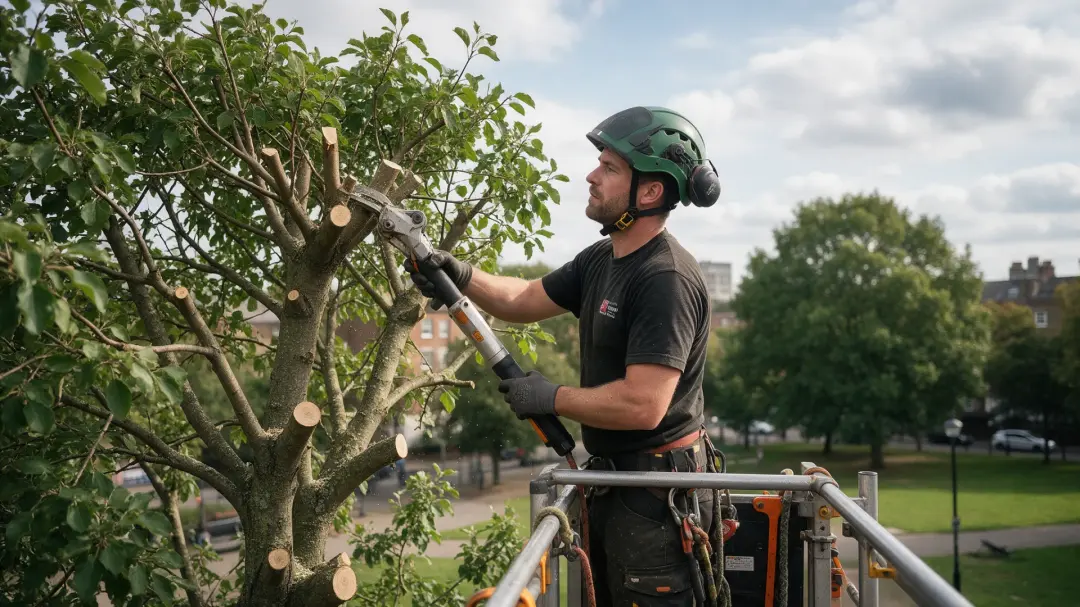
Crown reduction is a pruning method that reduces the overall height or spread of a tree while retaining its main natural structure. Selected branches are shortened back to suitable growth points rather than being cut at random.
The Arboricultural Association explains that crown reduction may be used to reduce mechanical stress on individual branches or on the tree as a whole. It should leave a similar but smaller crown, with a significant amount of the leaf-bearing structure remaining. It also states that reduction cuts should generally be kept as small as possible.
This is different from simply cutting the top from a tree. Proper crown reduction considers how the tree is likely to respond after pruning and aims to achieve a balanced result that can continue to develop naturally.
How Crown Reduction Can Reduce Branch Stress
Long and heavy branches create forces where they connect to the main tree. Their weight can become more important when a branch has a weak union, previous damage or another structural concern.
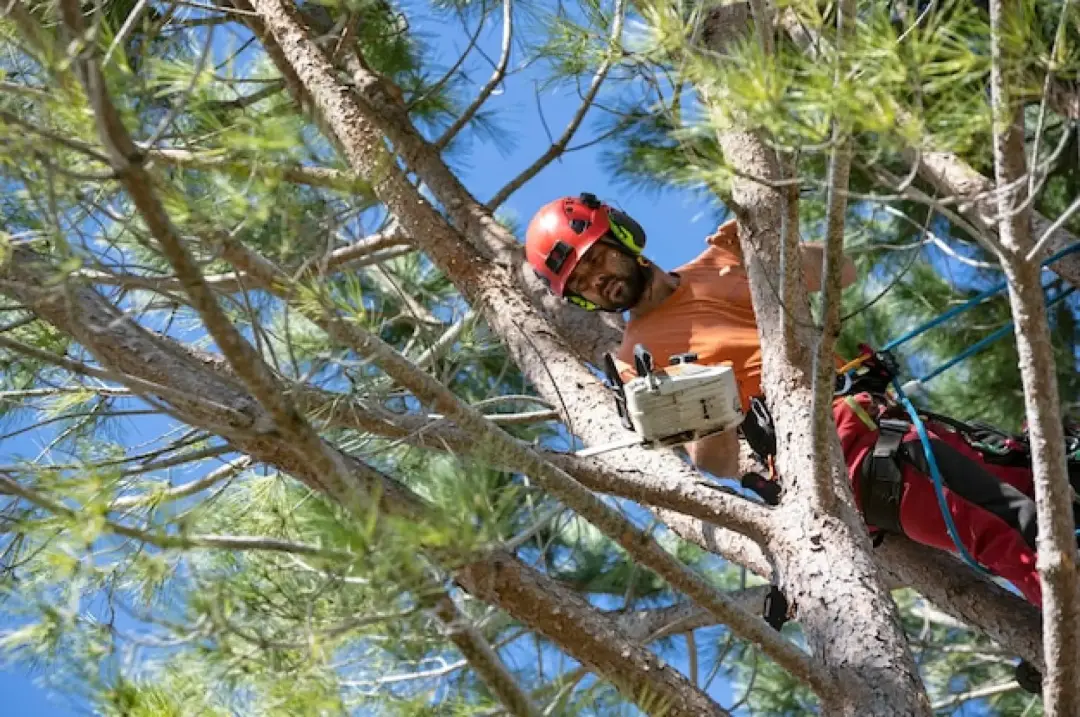
Carefully shortening a branch reduces the amount of weight positioned towards its outer end. This can reduce the leverage acting on the branch and its attachment point.
The same principle can be applied across a tree where an arborist believes a smaller crown would reduce stress on its structure. This may be considered for an older tree, a tree with unusually long limbs or one that has developed a structural weakness that can be managed without removing the whole tree.
The amount removed must be based on the individual tree rather than an assumed percentage that is suitable in every case.
Can Crown Reduction Lower the Risk of Falling Branches?
In suitable cases, crown reduction can lower the risk associated with particular branches. A tree surgeon may identify an extended limb that has excessive weight, a weak attachment or a previous failure nearby. Reducing that limb may decrease the forces acting on the vulnerable area.
Reduction can also be combined with the removal of dead, broken or clearly unsafe branches. This allows several concerns within the crown to be addressed during the same carefully planned operation.
It is important to understand that pruning cannot guarantee that a branch will never fall. Trees are living structures that change over time and can be affected by storms, disease, decay and changing ground conditions.
Crown reduction is therefore a form of risk management. It can reduce an identified risk when appropriate, but it cannot remove every possible risk associated with a mature tree.
Why Tree Safety Needs Proper Assessment
A large crown does not automatically mean that a tree is dangerous. Equally, a smaller tree can have serious defects that are not obvious from the ground. Size is only one factor when tree safety is assessed.
A tree surgeon may examine the main branch unions, trunk, visible roots, crown condition, previous pruning wounds and signs of decay or disease. The position of the tree is also important. A defect above a frequently used road, path, garden or building may require different management from a similar defect in an area where people rarely go.
Current workplace figures underline why tree work should be treated carefully. The Health and Safety Executive recorded 126 worker deaths in Great Britain during 2025/26. Agriculture, forestry and fishing accounted for 22, while 21 worker deaths across all industries involved being struck by a moving object. These are broad workplace figures rather than crown-reduction figures, but they show the importance of controlling risks around heavy and moving material.
Crown Reduction After Storm Damage
Storms can break branches, damage unions and leave parts of a crown unevenly loaded. A tree that remains standing after severe weather may therefore need an inspection before pruning is planned.
If the main structure remains suitable for retention, selective crown reduction may help reduce the load on damaged or exposed sections. Broken branches can also be removed and the remaining crown carefully reshaped where appropriate.
Severe storm damage may require a different solution. A split main stem, major root movement or widespread structural failure cannot necessarily be corrected by reducing the outer branches.
Damaged trees can also contain hanging or partly detached branches. The supplied tree-work template notes that emergency work can involve unstable trunks and hanging branches, with controlled equipment needed to manage these hazards.
Crown Reduction and Wind Loading
The crown of a tree is exposed to moving air, so wind can create substantial forces throughout its branches and main structure. The exact effect depends on the tree's height, shape, species, leaf cover, exposure and surrounding environment.
A carefully designed crown reduction may reduce the overall size of the crown and shorten particular branches that are of concern. This can form part of a wider plan to manage mechanical stress.
However, reducing a tree simply because it moves in the wind is not automatically necessary. Healthy trees naturally move and bend as conditions change. An arborist needs to distinguish normal movement from structural weaknesses that require work.
The aim should be to deal with a specific concern rather than remove large amounts of healthy growth without a clear reason. Correct pruning is especially important because every cut creates a wound that the tree must respond to.
When Crown Reduction May Be Recommended
Crown reduction may be considered where a tree has long or heavily extended branches, structural weaknesses that could benefit from lower loading, or a crown that has become difficult to manage within its surroundings.
It can also be considered where a mature tree needs sensitive management rather than complete removal. Keeping a suitable tree may preserve shade, screening, appearance and habitat while dealing with a particular concern.
Other reasons can include reducing branches that are becoming too close to buildings or other structures. The work should still be based on suitable pruning points rather than cutting branches back to arbitrary positions.
The Arboricultural Association confirms that crown reduction can be used to make a tree more suited to its immediate environment as well as to reduce mechanical stress. It also warns that not every tree species is suitable for this type of treatment.
When Crown Reduction May Not Be Enough
Some tree problems extend beyond the crown. Extensive decay in the main trunk, serious root damage, major movement at ground level or a badly split stem may require other forms of management.
A tree could also contain several separate problems. Removing weight from the crown might reduce one source of stress without addressing a serious defect lower down.
An assessment should consider the whole tree before work begins. Depending on the findings, the recommendation might involve removing individual branches, carrying out a smaller local reduction, monitoring the tree, restricting access around it or, in some cases, removing the tree.
The safest option is not automatically the most severe option. The purpose of an assessment is to choose work that is proportionate to the condition of the tree and the level of risk around it.
Crown Reduction Is Not the Same as Topping
Crown reduction should not be confused with topping. Topping normally involves cutting branches or stems back without suitable regard for the tree's natural branch structure. It can leave large wounds and an unnatural shape.
Professional crown reduction is more selective. Branches are shortened to suitable points while the overall framework and natural outline of the crown are retained as far as possible.
The Arboricultural Association specifically describes topping as an indiscriminate and harmful treatment and states that it should not be confused with crown reduction. Its guidance also says that the final reduced tree should retain its main crown framework and a significant proportion of its leaf-bearing structure.
This distinction matters when safety is the reason for pruning. Poorly planned work can create new problems instead of providing a lasting improvement.
Why Removing Too Much of the Crown Can Cause Problems
Leaves produce the energy a tree needs for growth and normal biological processes. Removing too much living crown at once can place unnecessary stress on the tree.
Heavy pruning can also leave larger wounds and may encourage strong new shoots on some trees. Future management may then be required as this new growth develops.
For these reasons, crown reduction should not be treated as a simple process of removing as much growth as possible. A smaller reduction that addresses the actual problem may provide a better result than severe cutting.
Professional specifications normally describe the intended reduction clearly. The Arboricultural Association recommends specifying crown reduction by measurements where possible, such as the amount to be removed from the height and spread and the expected final crown dimensions.
Can Crown Reduction Help an Older Tree?
Older trees sometimes develop long, heavy limbs, cavities, dead branches or changes in their structure. This does not automatically mean that they need to be felled.
Where an older tree remains suitable for retention, carefully planned pruning may form part of its long-term management. Reducing selected branches can sometimes lower mechanical stress while allowing the tree to remain in place.
Older trees should be treated individually because large pruning wounds may be harder for some trees to manage. A lighter reduction carried out for a clear reason may therefore be preferable to severe pruning.
The tree may also need future inspections. Crown reduction changes the tree at one point in time, but branches continue to grow and existing defects can change. Long-term management is particularly important where a mature tree stands near people, buildings or regularly used areas.
Does Every Large Tree Need Crown Reduction?
No. Height alone does not prove that a tree is unsafe. Many mature trees naturally become large and can remain structurally sound for many years.
Reducing healthy trees without a clear reason creates unnecessary wounds and can alter their natural development. The decision should instead be based on condition, structure, surroundings and any specific defect that has been identified.
A large tree beside a house may concern a property owner simply because of its size. An inspection can establish whether there are genuine signs of weakness and whether any work is actually required.
Where pruning is needed, crown reduction is only one option. Deadwood removal, selective branch reduction or another form of pruning may be more suitable. The Arboricultural Association notes that pruning may be carried out to maintain safe condition, remove dead branches or manage size and shape, but warns that improper pruning can leave a tree potentially more dangerous.
How Much Should a Tree Crown Be Reduced?
There is no single reduction amount that is correct for every tree. Suitable pruning depends on the species, age, condition, branch structure and reason for the work.
A tree surgeon may recommend a reduction measured in metres rather than simply giving a percentage. For example, the work might specify a certain reduction in height and a different reduction in lateral spread.
This creates a clearer description of the intended finished tree. It also helps avoid excessive pruning caused by different interpretations of a percentage.
The Arboricultural Association recommends describing actual measurements where possible and provides an example in which separate measurements are given for height and lateral spread. It also advises keeping individual reduction cuts as small as possible and generally below 100 millimetres in diameter unless there is an overriding reason for larger cuts.
Why Professional Pruning Matters
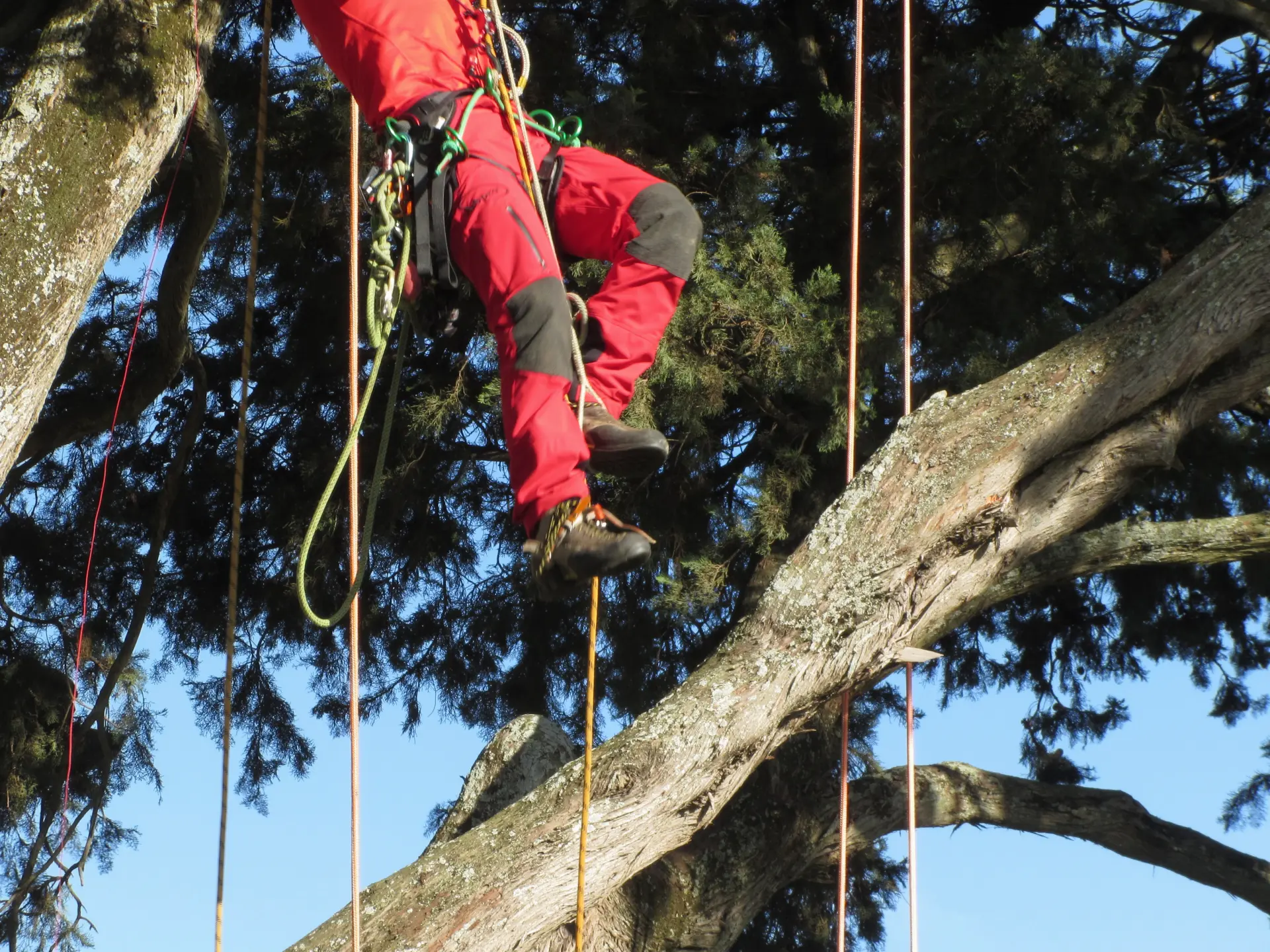
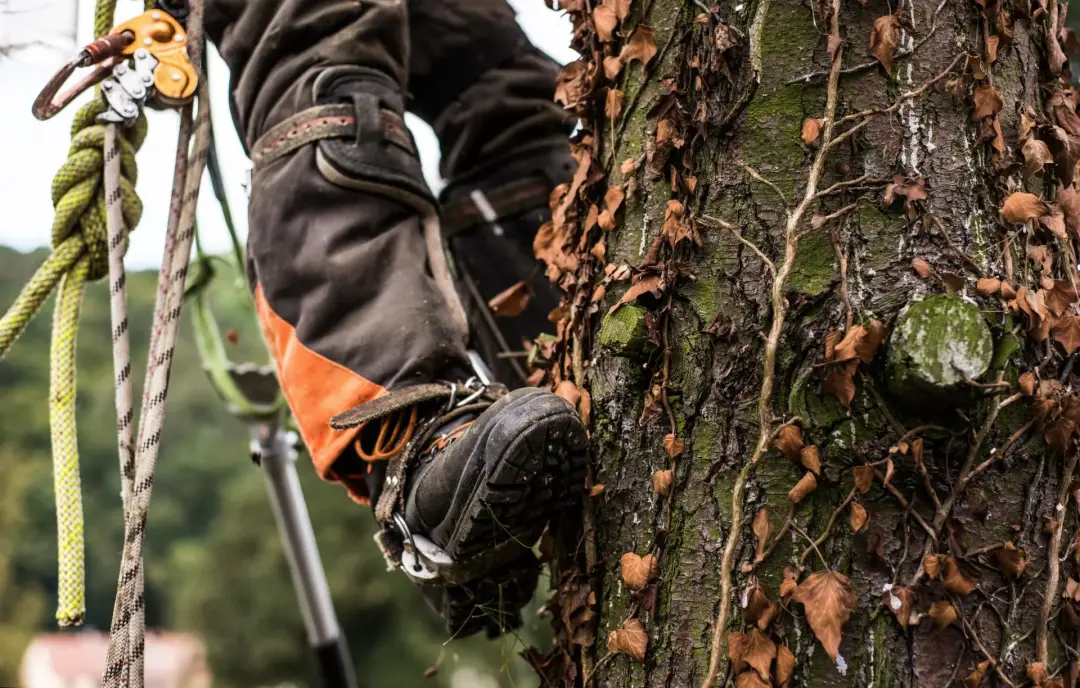
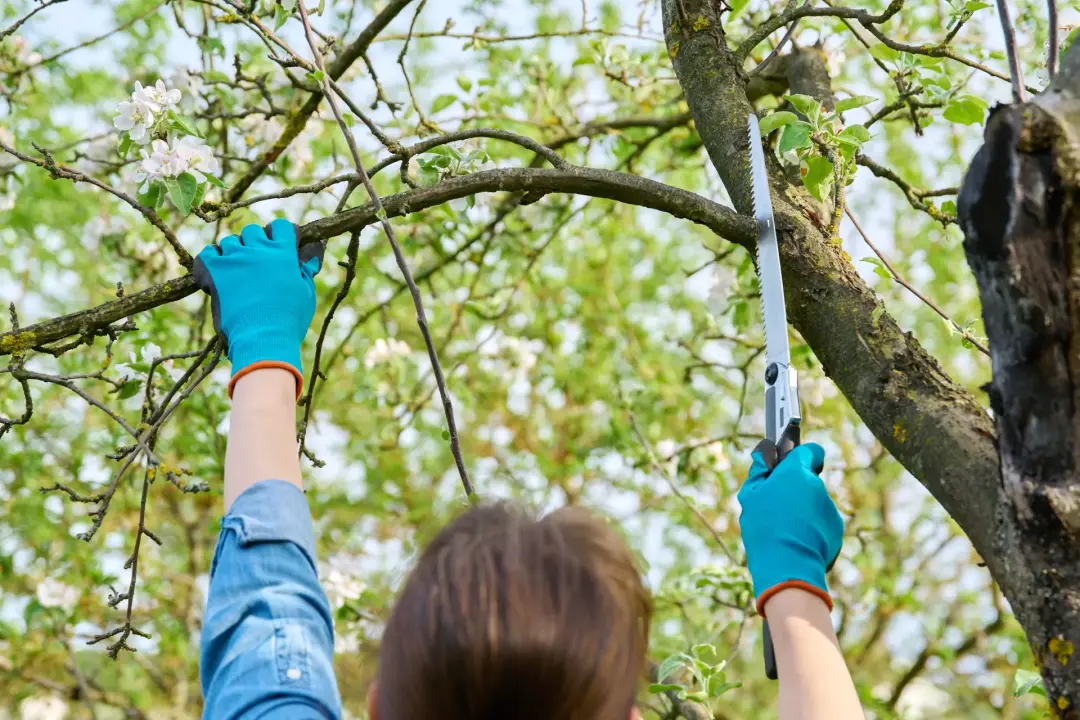
Crown reduction often involves working high above the ground while cutting and controlling substantial branches. The work requires suitable climbing or access equipment, cutting equipment and safe methods for managing branches as they are removed.
The supplied template highlights that professional tree work can use climbing, rigging, lifting and access equipment so that branches and trunk sections can be handled in a controlled order.
The position and angle of every pruning cut also matter. Poor cuts can leave unnecessary damage or affect how the remaining branch develops.
Professional tree surgeons can consider both the safety of the work itself and the likely effect of pruning on the tree. This is particularly important for large trees, damaged trees and trees positioned close to buildings, roads or public areas.
Tree Work Remains a High-Risk Activity
Reducing a crown may help manage the future risk presented by a tree, but carrying out the work also creates immediate risks for the people involved. Tree surgeons may work at height and deal with chainsaws, ropes and heavy branches.
The latest Health and Safety Executive figures show that 31 workers across Great Britain died following falls from height during 2025/26, while 21 were killed after being struck by moving objects. The figures cover all industries and should not be interpreted as crown-reduction deaths.
Separate historical Health and Safety Executive figures for professional tree work also show why specialist methods are important. Its arboriculture data recorded 27 fatal injuries between 2002/03 and 2010/11 across employees, self-employed workers and members of the public. The Health and Safety Executive warns that these older figures involve small numbers and should be interpreted carefully.
Do You Need Permission for Crown Reduction?
Permission may be required before pruning some trees. A tree can be protected by a Tree Preservation Order, and additional rules can apply to trees within conservation areas.
The Arboricultural Association advises property owners to check for Tree Preservation Orders or conservation area restrictions with the relevant local authority before work is carried out. It warns that pruning a protected tree without the required permission may be an offence.
Checking protection should therefore form part of planning crown-reduction work rather than being considered after branches have already been removed.
Other considerations may also apply where trees provide wildlife habitat. A professional tree surgeon can identify obvious concerns before work starts and explain when further checks may be required.
Signs That a Tree May Need an Inspection
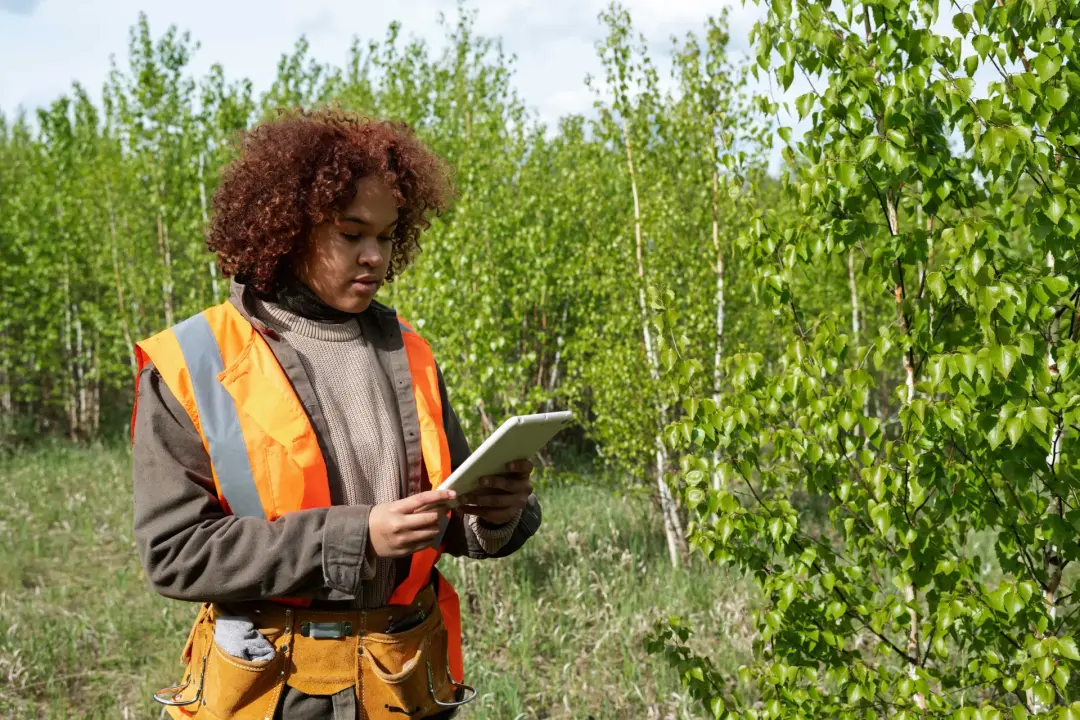
A professional inspection may be sensible if you notice a major broken branch, a newly formed crack, a split branch union or a significant change in the position of the tree.
Other reasons for seeking advice include large dead branches above regularly used areas, recent storm damage, sections of the crown dying back or an important branch becoming noticeably different from the rest of the tree.
Changes around the base of a tree can also matter. Damage from building work, excavation or changes to the ground may affect roots even when the crown initially looks healthy.
These signs do not prove that crown reduction is required. They indicate that the tree may benefit from a closer assessment so the cause can be identified and suitable action recommended.
Will Crown Reduction Need to Be Repeated?
Crown reduction is not always a one-off treatment. A healthy tree will continue to grow after pruning, so the size and weight of its branches can change again over time.
The need for further work depends on the tree species, its age, the reason for the original reduction and the way it responds. Some trees may need occasional follow-up pruning, while others can be left for a much longer period.
This is another reason to avoid unnecessarily severe work. A well-planned reduction should form part of sensible tree management rather than creating a cycle of repeated heavy cutting.
Where the original reason was a structural concern, future inspections may also be recommended. These allow changes to be identified and help determine whether the previous pruning continues to provide an appropriate level of management.
Is Crown Reduction the Right Choice for Your Tree?
Crown reduction can make a tree safer when excessive branch length, weight or another manageable structural issue is contributing to risk. By reducing selected branches and retaining a balanced crown, professional pruning can lower stress while allowing many trees to remain in place.
It is not suitable for every tree and should not be treated as a guaranteed way to make a damaged tree safe. Problems involving serious trunk decay, root failure or major structural damage may require another form of management.
The most useful first step is therefore an assessment of the whole tree. This establishes what the problem is, whether pruning is necessary and how much work would be appropriate.
When crown reduction is recommended, careful cuts, suitable equipment and a clear pruning specification help protect both the tree and the surrounding area. Correctly planned work focuses on managing a genuine concern without removing more healthy growth than necessary.
Blackdown Treescapes provides tree surgery, crown reduction, tree pruning, tree removal, tree felling, stump grinding, hedge trimming and maintenance services across Exmouth, Honiton and Sidmouth.
Our tree surgeons help customers manage trees, hedges, gardens and green spaces. For help with crown reduction or professional tree care in Exmouth, call 07921 241875, submit a message or ask for a quote.